Brown Rice Arsenic: 5 Practical Ways To Reduce Exposure
Uncover the arsenic levels in brown vs. white rice and learn how to balance nutrition with safety in your diet.
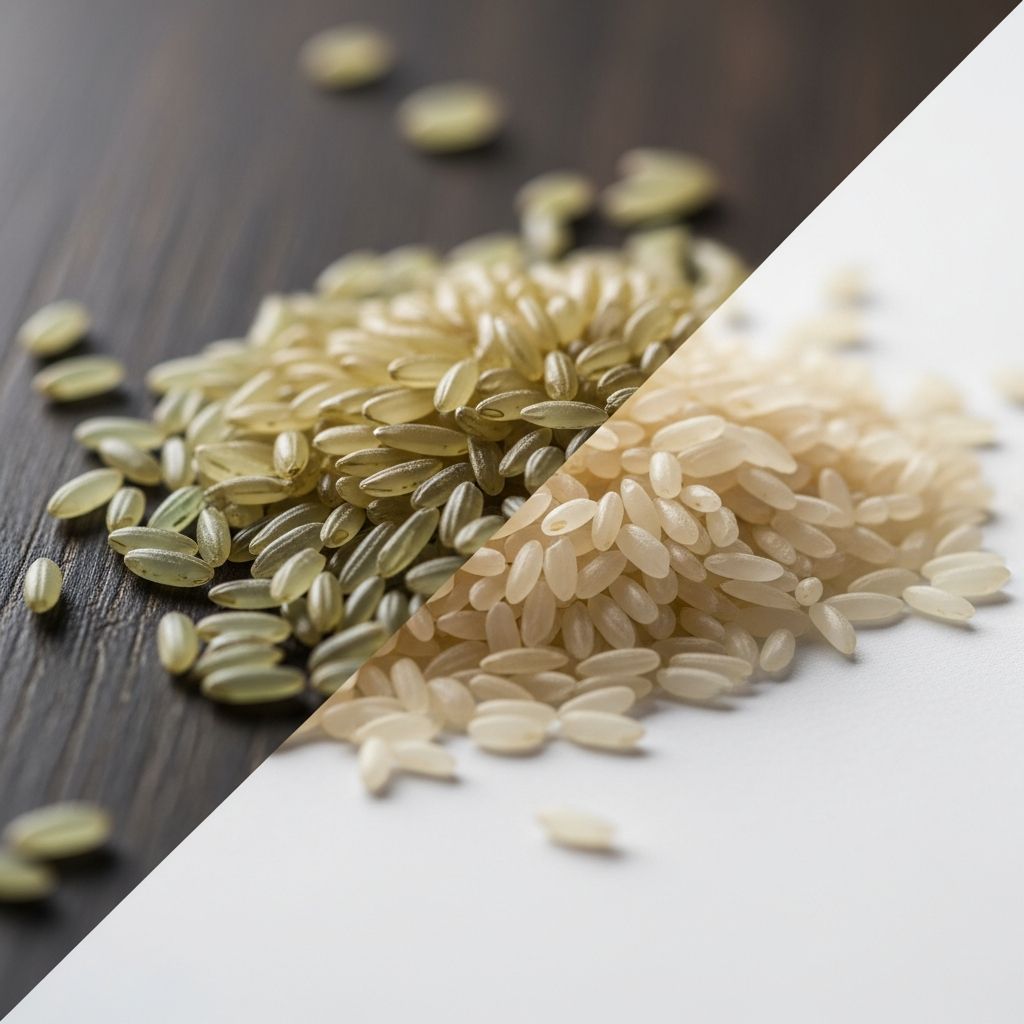
Brown rice provides superior nutrition compared to white rice but contains significantly higher levels of arsenic, a toxic element linked to serious health risks. This article examines the arsenic content differences, nutritional trade-offs, vulnerable populations, and practical strategies to minimize exposure while enjoying rice.
What Is Arsenic and Why Is It in Rice?
Arsenic is a naturally occurring semi-metal element found in the Earth’s crust, groundwater, and soil. It exists in organic and inorganic forms, with inorganic arsenic being the more toxic type classified as a carcinogen by health authorities. Rice plants absorb arsenic more readily than other grains due to flooded paddy cultivation, which mobilizes arsenic from soil into roots—up to 10 times more than wheat or oats.
Inorganic arsenic concentrates in the bran and germ layers of rice grains. Brown rice retains these outer layers, resulting in higher contamination levels (154 ppb on average per FDA data), while white rice milling removes them, lowering levels to about 92 ppb.
Brown Rice vs. White Rice: Arsenic Levels
Multiple studies confirm brown rice has elevated arsenic. FDA analysis of 656 rice products showed brown rice averaging 1.5 times more inorganic arsenic than white rice. A Consumer Reports investigation found brown rice with 80% more inorganic arsenic than comparable white varieties.
Recent Michigan State University research quantified this: brown rice contains 24% more total arsenic and 40% more inorganic arsenic than white rice. U.S.-grown rice shows lower levels (33% inorganic in white, 48% in brown) versus imported rice (53% and 65% inorganic, respectively).
| Rice Type | Average Inorganic Arsenic (ppb) | Total Arsenic Increase vs. White |
|---|---|---|
| White Rice | 92 | Baseline |
| Brown Rice | 154 | 67% higher |
| Infant White Cereal | 104 | – |
| Infant Brown Cereal | 119 | – |
Data from FDA and MSU studies.
Health Risks of Arsenic Exposure
Chronic inorganic arsenic exposure is linked to lung and bladder cancer, cardiovascular disease, diabetes, and developmental issues in children. Risk escalates with dose, duration, age, and genetics. The FDA highlights proportional cancer risk increases from rice consumption.
Young children under 5 face heightened vulnerability due to higher relative intake per body weight. Early exposure may impair cognitive development and elevate lifelong mortality risks, per WHO notes.
- Cancer: Lifetime exposure raises lung/bladder cancer odds.
- Children: Potential brain development delays; U.S. kids eating brown rice show elevated risk.
- Adults: General population risks low unless massive daily intake.
Nutritional Benefits of Brown vs. White Rice
Brown rice is a whole grain retaining bran and germ, offering more fiber, protein, magnesium, B vitamins, and antioxidants than refined white rice. These support digestion, heart health, and blood sugar control. However, arsenic in the nutrient-rich bran complicates the “healthier” label.
Related Stories



White rice provides quick energy via refined starch but lacks fiber, leading to faster blood sugar spikes. Enrichment adds some B vitamins and iron, mitigating losses.
| Nutrient (per 100g cooked) | Brown Rice | White Rice |
|---|---|---|
| Fiber | 1.8g | 0.4g |
| Magnesium | 43mg | 12mg |
| Protein | 2.7g | 2.7g |
| Inorganic Arsenic | Higher | Lower |
Brown rice’s benefits may offset minor arsenic risks for most, but risk-benefit research is lacking.
Who Should Be Most Concerned?
- Infants/Toddlers: Highest risk from cereals; FDA notes elevated levels.
- High-Rice Consumers: Asian immigrants, food-insecure groups.
- Pregnant Women: Fetal exposure risks developmental harm.
- General Public: Low risk unless excessive intake; U.S. rice safer than imports.
How to Reduce Arsenic in Rice
Safe practices can cut arsenic by 30-60% without major nutrient loss.
- Rinse Thoroughly: Wash rice until water runs clear to remove surface arsenic.
- Cook with Excess Water: Use 6:1 water ratio, drain like pasta—reduces arsenic up to 60%.
- Choose U.S.-Grown: Lower arsenic than imports (e.g., avoid some Asian/ Californian brands).
- Vary Grains: Mix with quinoa, barley to dilute exposure.
- Limit Infant Rice Cereal: Opt for oat or multi-grain.
Rice Types and Arsenic Variations
Not all rice equals risk:
- Basmati (India/California): Lowest arsenic.
- Jasmine (Thailand): Moderate.
- Sushi Rice (California): Lower U.S. levels.
- Brown Varieties: All higher; long-grain often better.
Organic rice shows no arsenic reduction, as contamination is environmental.
Expert Recommendations and Policy
FDA monitors but sets no limits, advising moderation. MSU researchers urge risk-benefit studies including nutrition, cost, and environment. No need to avoid rice entirely—balance with variety.
Public awareness could shift habits; chronic exposure concerns warrant better labeling.
Frequently Asked Questions (FAQs)
Is brown rice unhealthy due to arsenic?
No, benefits like fiber outweigh risks for most adults with moderate intake. Children need caution.
Should I stop feeding rice to babies?
Limit rice cereals; use alternatives for infants under 1. Rinse and cook properly for older kids.
Does rinsing rice remove arsenic?
Yes, partially—up to 30%; combine with excess-water cooking for best results.
Is U.S. rice safer?
Yes, lower inorganic arsenic than many imports.
Can I eat brown rice daily?
Moderation key; vary grains to minimize cumulative exposure.
Conclusion: Balancing Nutrition and Safety
Brown rice edges nutritionally but carries higher arsenic load. Informed choices—rinsing, variety, U.S. sources—allow enjoyment safely. Ongoing research will clarify trade-offs.
References
- Arsenic in brown rice: do the benefits outweigh the risks? — National Library of Medicine, NIH. 2023-07-20. https://pmc.ncbi.nlm.nih.gov/articles/PMC10375490/
- MSU research: Eating brown rice increases exposure to arsenic compared to white rice — Michigan State University. 2025-04-01. https://msutoday.msu.edu/news/2025/04/msu-research-eating-brown-rice-increases-exposure-to-arsenic-compared-to-white-rice
- Brown rice may increase arsenic exposure, new study finds — FOX 26 Houston. 2025. https://www.fox26houston.com/news/brown-rice-arsenic-risk-study
- Should You Be Worried About Arsenic in Rice? — Cleveland Clinic. 2023. https://health.clevelandclinic.org/arsenic-in-rice
- Arsenic content and exposure in brown rice compared to white rice — Wiley Online Library. 2023. https://onlinelibrary.wiley.com/doi/10.1111/risa.70008
Similar Articles








Read full bio of Sneha Tete