Brucellosis: Causes, Symptoms, Treatment & Prevention
Complete guide to brucellosis: understanding causes, recognizing symptoms, diagnosis, and effective treatment options.
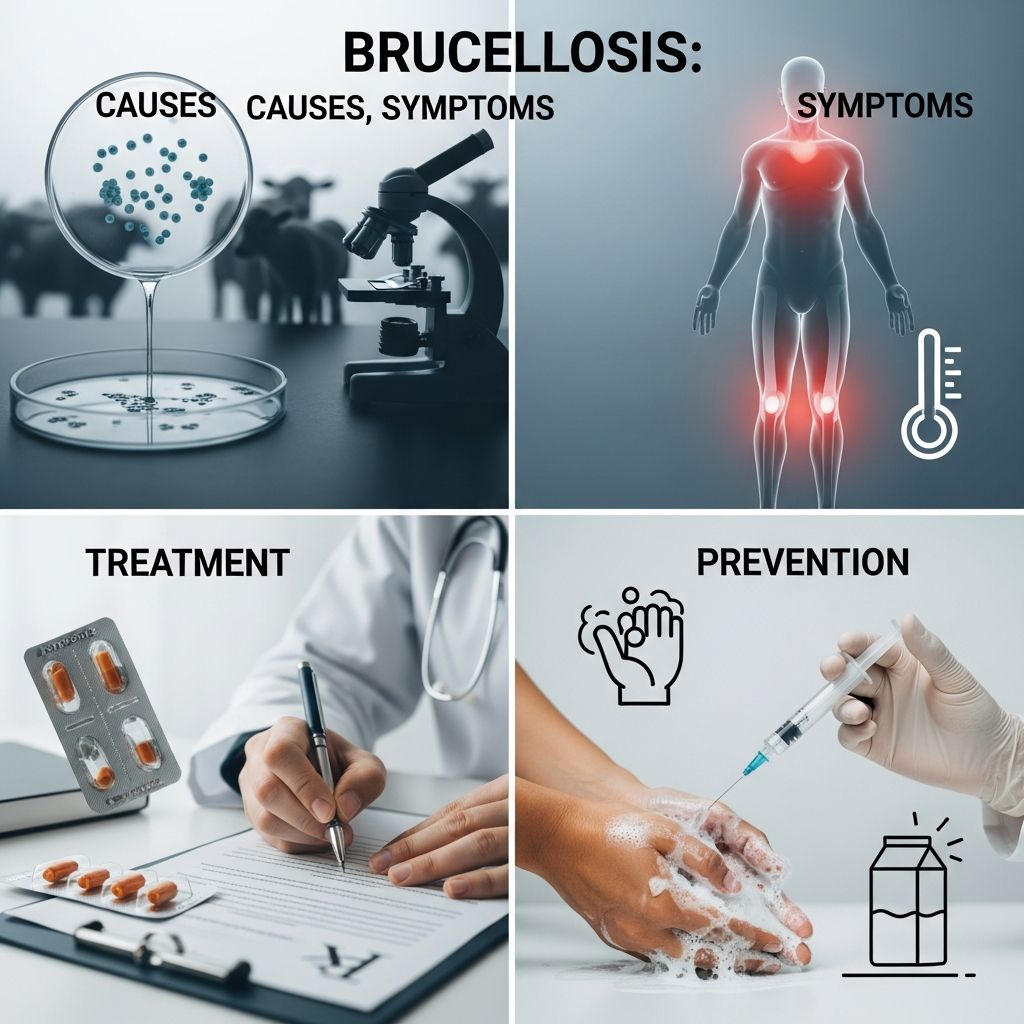
Understanding Brucellosis: A Comprehensive Guide
Brucellosis is an uncommon bacterial infection caused by the Brucella bacterium that spreads from animals to people. This disease develops slowly and can persist for an extended period if left untreated. While brucellosis is not typically considered serious, it has the potential to affect your bones and organs, making proper diagnosis and treatment essential. The infection commonly occurs in individuals who work with livestock, consume unpasteurized dairy products, or handle infected animal materials. Understanding this condition is crucial for early detection and appropriate management.
What Causes Brucellosis?
Brucellosis is a zoonotic disease, meaning it naturally occurs in wild and domestic animals and can transmit to humans through direct or indirect exposure. The primary transmission routes include consuming unpasteurized milk products and handling infected animals or their tissues. People at higher risk include veterinarians, livestock workers, butchers, and laboratory technicians who work with the bacterium. Direct contact with aborted fetuses, bodily tissues, or infected animal products significantly increases infection risk. The disease does not spread from person to person through casual contact, making occupational and dietary exposures the primary concerns.
Recognizing Brucellosis Symptoms
Acute Symptoms
Brucellosis symptoms typically appear between 5 days to 6 months after exposure, with an average onset of 2 to 4 weeks. The acute phase presents with non-specific symptoms that resemble many other illnesses. Common acute symptoms include:
- Fever and chills
- Night sweats
- Headache
- Muscle and joint pain (myalgia and arthralgia)
- Loss of appetite
- Fatigue and general weakness
- Weight loss
Some patients may also experience lymphadenopathy (enlarged lymph nodes occurring in 10-20% of cases) and splenomegaly (enlarged spleen in 20-30% of cases). Sub-clinical infections are common, meaning some individuals may carry the infection without displaying obvious symptoms.
Chronic Symptoms
If brucellosis progresses to a chronic stage, patients may experience recurrent fever patterns, persistent arthritis and spondylitis (inflammation of the spine), and possible involvement of focal organs. Chronic brucellosis can last for months or even years, significantly impacting quality of life. The disease’s similarity to other conditions means that proper medical evaluation is essential to obtain an accurate diagnosis and initiate appropriate treatment.
How Brucellosis Is Diagnosed
Clinical Evaluation
Diagnosis typically begins with a thorough clinical evaluation. Healthcare providers assess your symptoms, exposure history, and risk factors. Your doctor will ask about your occupation, dietary habits (particularly consumption of unpasteurized dairy), contact with animals, and any recent travels to areas where brucellosis is prevalent. This information helps establish the likelihood of brucellosis infection before laboratory testing begins.
Laboratory Testing
The best way to confirm a Brucella infection is through growing the bacteria from body fluid or tissue samples. However, Brucella is slow-growing, so confirmation may take a few weeks. Your healthcare provider may perform multiple blood tests over several weeks to check for signs of the bacterium. Common diagnostic tests include:
- Blood cultures to isolate and identify the Brucella bacteria
- Serum agglutination tests to detect antibodies against Brucella
- Immunoglobulin M (IgM) and Immunoglobulin G (IgG) ELISA tests
- Tissue samples from affected areas
Advanced Diagnostic Techniques
For faster and more accurate diagnosis, doctors may use polymerase chain reaction (PCR) technology. PCR works by detecting tiny amounts of Brucella bacterial DNA in blood or tissue samples and then amplifying or copying this DNA multiple times. This process makes detecting the bacteria straightforward, even when present in minimal quantities. PCR provides faster results than traditional culture methods and can identify the specific type of Brucella bacteria, which helps guide appropriate treatment. This method proves particularly helpful when conventional tests fail to detect the bacteria or when faster confirmation is clinically necessary.
Related Stories



Imaging and Additional Tests
Your healthcare provider might obtain body fluid samples and use imaging techniques or other tests to help confirm the diagnosis. These additional investigations help rule out other conditions with similar presentations and identify any complications or organ involvement caused by the infection.
Treatment and Management of Brucellosis
Antibiotic Therapy
Healthcare providers treat brucellosis with a combination of at least two types of antibiotics. You’ll need to take them for at least six to eight weeks, depending on your specific case and the severity of infection. More potent antibiotics may be required in severe cases or when the disease has spread to multiple organs. The goal of antibiotic therapy is to address all symptoms and prevent the infection from progressing to a chronic state.
Common antibiotic regimens include:
- Doxycycline combined with rifampin (recommended for a minimum of 6 weeks)
- Tetracycline combined with rifampin
- Trimethoprim-sulfamethoxazole (TMP-SMZ) as an alternative if tetracyclines are contraindicated
- Streptomycin or gentamicin for the first 14 days in complicated cases, combined with tetracycline for 6 weeks
Symptom Management
In addition to taking prescribed antibiotics to eliminate the bacteria, you may be able to manage some brucellosis symptoms at home. Joint pain and fever can often be controlled with appropriate interventions. Ask your healthcare provider if there are over-the-counter medications or other therapies that are safe for treating your specific symptoms. Following medical guidance ensures that symptom management doesn’t interfere with antibiotic therapy.
Complicated Cases
For complicated brucellosis involving endocarditis, meningitis, osteomyelitis, or other severe manifestations, treatment duration often extends for 4 to 6 months. Your healthcare provider may recommend hospitalization, surgical drainage of infected areas, or other specialized interventions depending on which organs are affected.
Recovery and Long-Term Outlook
Most people with brucellosis make a full recovery with appropriate antibiotic treatment, though recovery can take considerable time. You should expect to take antibiotics for several weeks or months to ensure all bacteria in your body are eliminated. It’s critical to take all medication as prescribed by your healthcare provider, even if you feel better before completing the full course.
Stopping antibiotics too soon can lead to relapse, where brucellosis returns after treatment completion. Some symptoms, such as arthritis, can persist for an extended period even after you finish antibiotic therapy. You may require additional medications or therapies if you develop complications of brucellosis. The case-fatality rate for brucellosis is less than 1%, indicating a favorable prognosis with proper treatment.
Potential Complications
Complications of brucellosis are more likely if the infection goes untreated for an extended period. Potential complications include:
- Endocarditis (inflammation of the heart’s inner lining)
- Meningitis (inflammation of the membranes surrounding the brain and spinal cord)
- Osteomyelitis (bone infection)
- Arthritis and chronic joint inflammation
- Spondylitis (spinal inflammation)
- Focal organ involvement affecting various body systems
These complications underscore the importance of early diagnosis, timely initiation of treatment, and completing the full antibiotic course as prescribed.
Preventing Brucellosis
Dietary Prevention
One of the most effective prevention strategies is avoiding unpasteurized milk and dairy products. Pasteurization kills the Brucella bacteria, making pasteurized dairy products safe to consume. When traveling to regions where brucellosis is common, be particularly cautious about consuming local dairy products unless you can confirm they have been properly pasteurized.
Occupational Safety
Healthcare workers, laboratory technicians, and those handling clinical specimens should follow strict biosafety protocols. When working with potentially infected materials, use appropriate personal protective equipment including gloves, gowns, and eye protection. Laboratory exposures require working in certified Class II biosafety cabinets with proper containment measures.
Animal Handling
If you work with livestock or handle animals professionally, wear protective equipment and follow proper hygiene practices. Minimize direct contact with animal tissues, particularly aborted fetuses and reproductive materials. Ensure proper handwashing after any animal contact.
Post-Exposure Prophylaxis
For individuals with known exposure to Brucella through laboratory accidents or clinical exposure, post-exposure prophylaxis may be recommended. Standard prophylaxis involves doxycycline 100mg taken twice daily combined with rifampin 600mg once daily for three weeks.
When to Seek Medical Care
Contact a healthcare provider if you have symptoms of brucellosis, especially if your work or hobbies put you at risk for infection. Early diagnosis and treatment significantly improve outcomes. Seek emergency care if you experience symptoms of serious illness, including:
- Severe chest pain or difficulty breathing
- Confusion or altered mental status
- Severe headache with stiff neck
- Signs of sepsis or severe systemic infection
If you’ve been diagnosed with brucellosis and develop new or worsening symptoms during treatment, contact your provider immediately. Do not hesitate to seek care if you notice any concerning changes in your health status.
Frequently Asked Questions About Brucellosis
Q: How long does brucellosis treatment take?
A: Standard brucellosis treatment requires taking antibiotics for at least six to eight weeks. Complicated cases may require treatment for four to six months. Completion of the full antibiotic course is essential to prevent relapse.
Q: Can brucellosis spread from person to person?
A: No, brucellosis does not spread from person to person through casual contact. Transmission occurs through direct or indirect exposure to infected animals or their products, not through human-to-human contact.
Q: What foods should I avoid to prevent brucellosis?
A: Avoid unpasteurized milk and dairy products, particularly when traveling to regions where brucellosis is prevalent. Ensure that all dairy products you consume have been properly pasteurized to kill any Brucella bacteria.
Q: Can brucellosis come back after treatment?
A: Yes, brucellosis can recur after treatment completion, especially if antibiotics are not taken for the full prescribed duration. This is why completing the entire antibiotic course as directed is crucial, even if symptoms resolve earlier.
Q: Who is at highest risk for brucellosis?
A: People at highest risk include veterinarians, livestock workers, butchers, laboratory technicians working with the bacterium, and those who consume unpasteurized dairy products or handle infected animal materials.
Q: How is brucellosis diagnosed definitively?
A: The best confirmation method is growing the Brucella bacteria from body fluid or tissue samples. However, this is slow-growing and may take several weeks. PCR testing provides faster results by detecting and amplifying bacterial DNA.
References
- Brucellosis: Causes, Symptoms, Treatment & Prevention — Cleveland Clinic. 2024. https://my.clevelandclinic.org/health/diseases/17886-brucellosis
- Brucellosis Reference Guide: Exposures, Testing and Prevention — Centers for Disease Control and Prevention. 2025. https://www.cdc.gov/brucellosis
- Brucellosis – Symptoms & Causes — Mayo Clinic. 2024. https://www.mayoclinic.org/diseases-conditions/brucellosis/symptoms-causes/syc-20351738
- Brucellosis — Red Book Online, American Academy of Pediatrics. 2024. https://publications.aap.org/redbook/book/755/chapter/14075838/Brucellosis
- Comprehensive Brucellosis Management Strategies — Rupa Health. 2024. https://www.rupahealth.com/post/comprehensive-brucellosis-management-strategies
Similar Articles








Read full bio of medha deb