Brucellosis: 6 Brucella Species, Symptoms, Diagnosis, Treatment
Comprehensive guide to brucellosis: zoonotic bacterial infection, symptoms, diagnosis, treatment, and prevention strategies.
Author: Reviewed by Dr. Reviewed by Dr. Antonella Tosti, Dermatologist, Co-Founder of Novuspharma, Italy
Synonym(s): Malta fever, Mediterranean fever, Bang’s disease, Gibraltar fever, undulant fever
What is brucellosis?
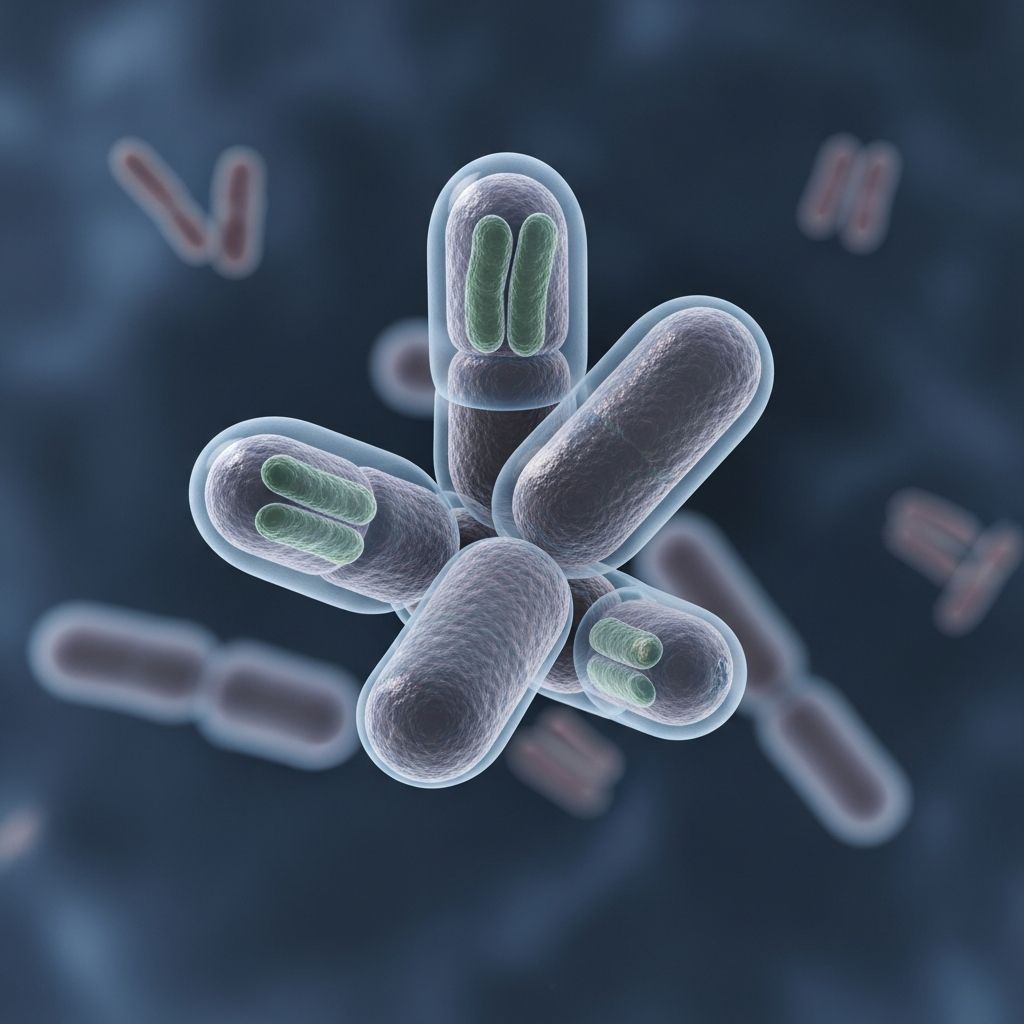
Brucellosis is a zoonotic infection caused by intracellular bacteria of the genus Brucella. It is transmitted to humans primarily through consumption of unpasteurised dairy products or direct contact with infected animals, particularly livestock such as goats, sheep, cattle, and pigs. The disease manifests as an acute or insidious illness characterised by undulating fever, drenching night sweats, profound fatigue, and multiple systemic complications. Although rarely fatal, brucellosis is debilitating and can become chronically relapsing if inadequately treated.
Human brucellosis affects individuals in endemic regions including the Mediterranean basin, Middle East, Latin America, Asia, and parts of Africa. Incidence remains high in areas with poor pasteurisation practices and occupational exposure among farmers, veterinarians, and abattoir workers. Globally, an estimated 500,000 cases occur annually, though underreporting is common due to nonspecific symptoms mimicking other fevers.
Who gets brucellosis?
Brucellosis primarily affects adults engaged in animal husbandry, meat processing, or veterinary work, with males predominating due to occupational risks. Children and women are infected mainly via contaminated dairy. High-risk groups include:
- Farmers and livestock handlers
- Abattoir and dairy industry workers
- Veterinarians and laboratory personnel
- Consumers of unpasteurised milk, cheese, or undercooked meat in endemic areas
- Travelers to regions like the Mediterranean, Middle East, or Central Asia
In non-endemic countries like the US, cases link to imported dairy or travel. Incidence peaks in spring and summer, aligning with animal kidding/lambing seasons.
What causes brucellosis?
Six main Brucella species cause human disease:
| Species | Primary Reservoir | Geographic Prevalence |
|---|---|---|
| B. melitensis | Goats, sheep | Mediterranean, Middle East, Central Asia (most virulent) |
| B. abortus | Cattle | Worldwide |
| B. suis | Pigs, reindeer | North America, Europe |
| B. canis | Dogs | Worldwide (pets) |
| B. ovis | Sheep | Rare in humans |
| B. neotomae | Rodents | Very rare |
These Gram-negative coccobacilli are facultative intracellular pathogens surviving within macrophages, evading immunity and causing chronic infection.
What are the clinical features of brucellosis?
The incubation period ranges 1–2 months (acute) or longer (subclinical). Symptoms are nonspecific:
- Systemic: Undulant fever (60–85%), profuse sweats (15–80%), fatigue/malaise, anorexia
- Musculoskeletal: Arthralgias/myalgias (20–60%), low back pain, sacroiliitis
- Gastrointestinal: Nausea, vomiting, abdominal pain
- Neuropsychiatric: Depression, insomnia, headache
- Genitourinary: Orchitis/epididymitis (2–40% males)
Complications (5–15%): Osteoarticular (spondylodiscitis), neurobrucellosis (meningitis), endocarditis, hepatic abscesses.
Cutaneous manifestations of brucellosis
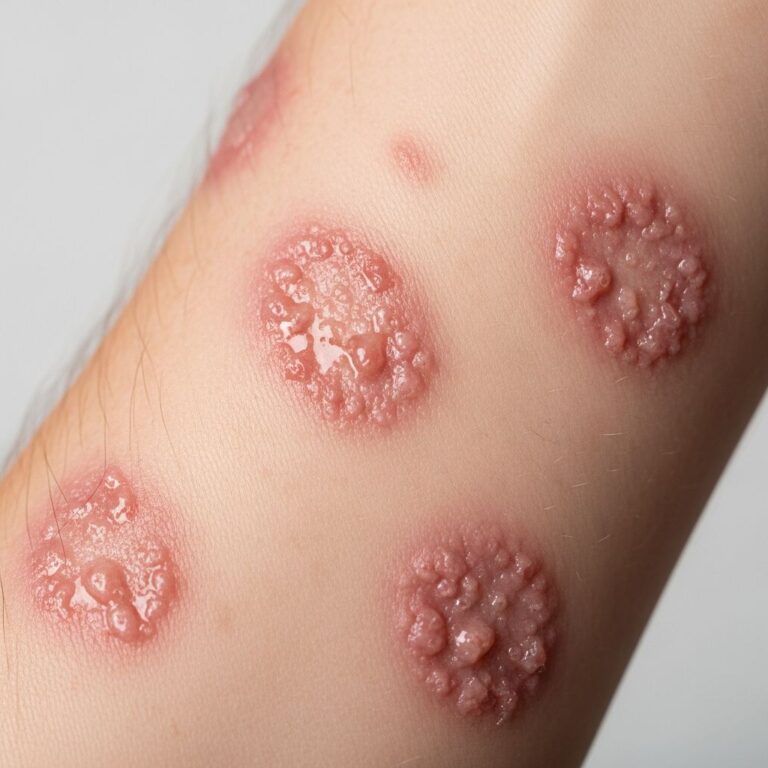
Skin involvement occurs in 0.4–17% of cases, often nonspecific and overshadowed by systemic symptoms. Lesions arise via haematogenous spread, hypersensitivity, or immune complex deposition. Common presentations include:
- Disseminated papulonodular eruptions (most frequent, ~32% of skin cases): Erythematous, smooth papules/nodules (2 mm–>1 cm) on trunk, shoulders, thighs, legs. Nonpruritic; occasional central ulceration. Histology shows dermal granulomas, perivascular inflammation. Brucella isolated from lesions indicates bacteraemia.
- Maculopapular eruptions (~25%): Diffuse, nonpruritic rash on trunk/extremities, sometimes pruritic on back. Associated with leukocytoclastic vasculitis.
- Erythema nodosum-like lesions (~25%): Painful erythematous nodules on pretibial areas due to panniculitis or hypersensitivity.
- Rare lesions: Purpura/petechiae (coagulopathy), abscesses/ulcers (occupational), psoriasiform, palmar erythema, malar rash, livedo reticularis, dermatomal papules mimicking psoriasis.
Related Stories



Skin lesions appear in acute (35%), subacute (14%), or chronic (50%) phases and resolve with systemic treatment.
How is brucellosis diagnosed?
Diagnosis combines clinical suspicion, epidemiology, and laboratory confirmation:
- Serology: Standard tube agglutination (STA ≥1:160), ELISA, Coombs test for chronic cases
- Culture: Blood (40–70% yield), bone marrow (80–90%), tissue. Castaneda method optimal
- Molecular: PCR on blood/tissue (high specificity, emerging)
- Imaging: X-ray/MRI for osteoarticular focus
- Skin biopsy: Nonspecific (vasculitis, granulomas); culture/PCR rarely positive
Differential: Q fever, typhoid, malaria, tuberculosis, lymphoma.
How is brucellosis treated?
Antibiotics for 6 weeks minimum; relapse 5–15%:
| Regimen | Adults | Duration | Notes |
|---|---|---|---|
| Standard | Doxycycline 100 mg BD + Streptomycin 1 g/day | 6 weeks (doxy), 3 weeks (strep) | Preferred; outpatient |
| Alternative | Doxycycline + Rifampicin 600–900 mg/day | 6 weeks | Relapse higher |
| Pregnancy/Children | Trimethoprim-sulfamethoxazole | 6 weeks | ± Gentamicin |
| Complicated | Triple: Doxy + Rif + Aminoglycoside | 8–12 weeks | Neuro/endo/spondylitis |
Supportive: NSAIDs for pain. Surgery for abscesses/endocarditis.
What is the prognosis for brucellosis?
With treatment, >90% cure; untreated chronicity in 30–50%. Relapse linked to short therapy, B. melitensis, noncompliance. Sequelae: Chronic fatigue (15%), osteoarticular damage.
How can brucellosis be prevented?
- Pasteurise milk/dairy
- Cook meat thoroughly
- Use PPE in animal industries
- Vaccinate livestock (S19 cattle, Rev-1 small ruminants)
- Screen imports; lab biosafety level 3
No human vaccine available.
Related topics
- Q fever
- Leptospirosis
- Visceral leishmaniasis
Frequently Asked Questions (FAQs)
What are the most common skin lesions in brucellosis?
Papulonodular eruptions, maculopapular rashes, and erythema nodosum-like lesions on trunk and legs.
Is brucellosis contagious person-to-person?
No, transmission is zoonotic only, via animals/products.
How long does brucellosis treatment last?
Typically 6 weeks of combination antibiotics.
Can brucellosis cause chronic illness?
Yes, untreated or relapsed cases lead to persistent fatigue and complications.
Is there a vaccine for humans?
No human vaccine; animal vaccination reduces spread.
References
- Skin Manifestations Associated with Brucellosis — EMJ Reviews. 2021. https://www.emjreviews.com/dermatology/article/skin-manifestations-associated-with-brucellosis/
- Cutaneous Manifestations in Brucellosis — National Library of Medicine, NIH. 2011-07-01. https://pmc.ncbi.nlm.nih.gov/articles/PMC3132922/
- A rare case of brucellosis with dermatomal pattern of cutaneous manifestations — Dove Press. 2021. https://www.dovepress.com/a-rare-case-of-brucellosis-with-dermatomal-pattern-of-cutaneous-manife-peer-reviewed-fulltext-article-IMCRJ
- About Brucellosis — Centers for Disease Control and Prevention (CDC). 2023-06-14. https://www.cdc.gov/brucellosis/about/index.html
- Cutaneous manifestations in brucellosis: a prospective study — PubMed, NIH. 2007. https://pubmed.ncbi.nlm.nih.gov/17901020/
- Characteristic Cutaneous Lesions in Patients With Brucellosis — JAMA Dermatology. 1988. https://jamanetwork.com/journals/jamadermatology/fullarticle/550315
Similar Articles








Read full bio of medha deb