Brugada Syndrome: Causes, Symptoms, and Treatment
Understanding Brugada Syndrome: A rare genetic heart condition affecting electrical signals.
What is Brugada Syndrome?
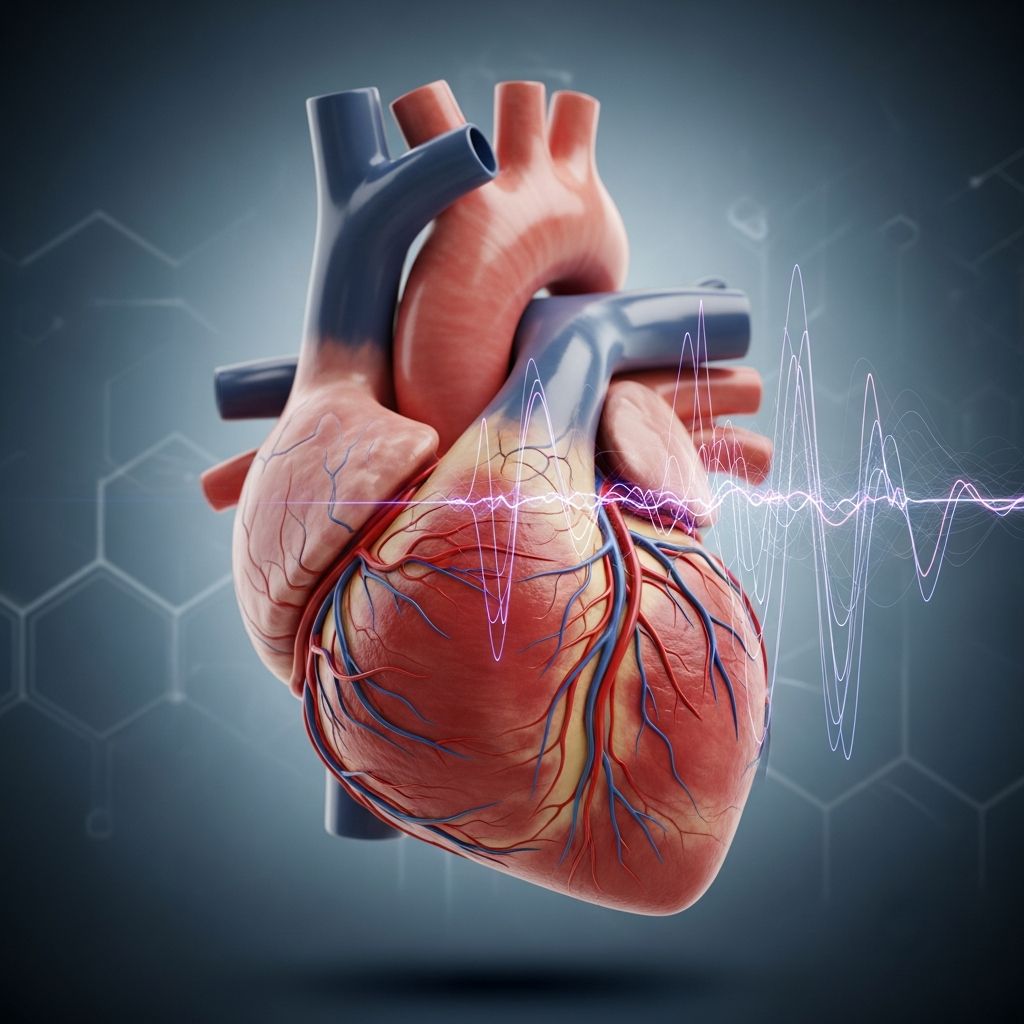
Brugada syndrome is a rare but potentially life-threatening heart rhythm condition, also known as an arrhythmia, that is sometimes inherited. This genetic disorder is caused by mutations in the cardiac sodium channel gene and is characterized by a pronounced elevation of the J point, a coved-type ST segment elevation in leads V1 and V2, and a propensity to develop malignant ventricular arrhythmias and sudden cardiac death. People with Brugada syndrome have an increased risk of irregular heart rhythms beginning in the lower chambers of the heart, called the ventricles.
Brugada syndrome (BrS) is a rare genetic heart condition in which sodium channel gene mutations can change how your heart responds to electrical signals. The condition may cause ventricular tachycardia, a life-threatening abnormal heart rhythm in the lower chambers of your heart. While Brugada syndrome is rare, it causes approximately 12 out of every 100 sudden cardiac deaths in structurally healthy hearts. However, many people with this condition never experience symptoms, and with appropriate treatment, you can live a normal lifespan.
Understanding Your Heart’s Electrical System
To understand Brugada syndrome, it’s important to know how your heart’s electrical system works. Your heart is made up of four chambers: the upper chambers (atria) and the lower chambers (ventricles). The heart maintains its rhythm through a complex electrical system that signals the heart muscle to contract and pump blood throughout your body.
In Brugada syndrome, mutations in sodium channel genes disrupt the normal flow of electrical signals in your heart. This electrical instability can lead to specific patterns on an electrocardiogram (ECG), making diagnosis possible. The disruption prevents your heart from responding to electrical signals normally, which can cause your heart to beat rapidly or develop an unusual heart rhythm.
Causes of Brugada Syndrome
Brugada syndrome is primarily caused by genetic mutations affecting heart cells’ sodium channels. The most commonly implicated gene is SCN5A, which provides instructions for making a protein essential for the normal flow of sodium ions in the heart. However, there are several genetic and environmental factors that contribute to the development and expression of this condition.
Genetic Mutations
Changes in sodium channel genes most commonly cause Brugada syndrome. Several key genes have been identified:
SCN5A Gene: Mutations in the SCN5A gene cause approximately 15 to 30 out of every 100 Brugada cases. This gene mutation can raise your risk for heart problems at a younger age.
SCN10A Gene: Changes in the SCN10A gene are found in approximately 17 out of every 100 Brugada cases. These gene changes can raise your risk for ventricular tachycardia and sudden cardiac death.
Other Genes: Additional sodium channel genes such as SCN1B or GPD1-L, calcium channel genes, and potassium channel genes may also be involved in Brugada syndrome development.
Risk Factors
Beyond genetic mutations, several other factors can influence the development and severity of Brugada syndrome:
Gender: Men are significantly more prone to Brugada syndrome, with studies showing men are 8 to 10 times more likely than women to have this condition. This increased risk is believed to be related to testosterone’s effect on ion channels.
Related Stories



Fever: High body temperatures can trigger or reveal Brugada ECG patterns and arrhythmias. Even a mild fever can be significant for individuals with this condition.
Medications: Certain prescription medications can trigger arrhythmias in people with Brugada syndrome. Additionally, cocaine use has been associated with triggering symptoms.
Structural Problems: Sometimes a structural problem in the heart may be present, which may be hard to detect initially.
Electrolyte Imbalance: An imbalance in chemicals that help send electrical signals through the body (electrolytes) can contribute to arrhythmias.
Symptoms of Brugada Syndrome
One of the most challenging aspects of Brugada syndrome is that many people do not experience any symptoms. The condition is often asymptomatic, meaning individuals may not realize they have it until a serious cardiac event occurs. However, when symptoms do develop, they can vary widely among individuals and may include:
Common Symptoms
Fainting (Syncope): Unexplained episodes of fainting, particularly during rest or sleep, may be an early sign of Brugada syndrome. An irregular rhythm that lasts for a short time can cause fainting.
Palpitations: You may feel an irregular heartbeat, fluttering, or pounding sensation in your chest, particularly at night.
Shortness of Breath: Difficulty breathing or feeling breathless, especially during physical activity or rest.
Chest Pain: Discomfort or pain in the chest area, which may be intermittent or persistent.
Lightheadedness: Feeling dizzy or lightheaded, which may occur suddenly or gradually.
Severe Symptoms
Bradycardia: Your heartbeat can slow down significantly. You may feel chest pain, become confused, or feel lightheaded. You can also experience tiredness, fainting, or shortness of breath.
Ventricular Tachycardia (V-tach): Also called polymorphic ventricular tachycardia, this condition causes your heart rate to increase to over 100 beats per minute. Your heart chambers cannot fill with blood properly. You may become lightheaded or lose consciousness. If V-tach lasts too long, it becomes life-threatening.
Cardiac Arrest: This is a serious, life-threatening condition where your heart can become damaged or stop altogether. You may experience chest pain, shortness of breath, weakness, or heart palpitations.
Sudden Unexpected Nocturnal Death Syndrome (SUNDS): Approximately 4% to 12% of sudden cardiac deaths are caused by Brugada syndrome. Often, the first sign of SUNDS is gasping for air at night (nocturnal agonal respiration). This nightly symptom usually precedes sudden unexpected nocturnal death syndrome.
How is Brugada Syndrome Diagnosed?
Diagnosis of Brugada syndrome typically involves several tests and evaluations to confirm the condition and assess risk. Early diagnosis is critical for preventing complications and implementing appropriate management strategies.
Electrocardiogram (ECG)
An electrocardiogram is the primary diagnostic tool for Brugada syndrome. The ECG reveals characteristic patterns that help identify the condition. These patterns include a higher, coved, or concave-shaped ST wave (at least 2 millimeters) and a T wave that goes downward (negative), along with a wider QRS wave (incomplete or complete right bundle branch block).
Brugada syndrome is classified into three types based on ECG findings:
Type 1 (Coved Type): The definitive form, showing a coved ST-segment elevation of at least 2 mm in leads V1–V3 with an inverted T wave. It carries the highest risk of ventricular arrhythmias and sudden cardiac arrest.
Type 2 (Saddleback Type): Displays a saddle-shaped ST-segment elevation and is considered suggestive rather than diagnostic. A sodium channel blocker test is often required for confirmation.
Type 3: Shows either a coved or saddleback pattern with ST elevation less than 2 mm. Though non-diagnostic, it warrants further testing and monitoring, especially with symptoms or family history.
Genetic Testing
Genetic testing can identify mutations in sodium channel genes and other relevant genes associated with Brugada syndrome. This testing is particularly important for family members of diagnosed individuals, as the condition is inherited.
Holter Monitor or Event Monitor
These portable devices record your heart’s electrical activity over extended periods, helping to detect irregular rhythms that may not appear during a standard ECG.
Electrophysiology Study
In some cases, an electrophysiology study may be performed to further assess your heart’s electrical system and determine your risk for serious arrhythmias.
Treatment and Management Options
While there is no cure for Brugada syndrome, early diagnosis and tailored care help patients lead normal lives. The primary goal of Brugada syndrome treatment is to prevent fatal ventricular arrhythmias and sudden cardiac arrest.
Preventive Measures
Treatment of Brugada syndrome includes preventive measures such as reducing fever and avoiding medications that might trigger arrhythmias. Key preventive strategies include:
Fever Management: Keeping body temperature normal is crucial. This includes treating infections promptly and using fever-reducing medications when necessary.
Medication Avoidance: Certain prescription medications and recreational drugs can trigger arrhythmias in people with Brugada syndrome. Your healthcare provider will provide you with a list of medications to avoid.
Lifestyle Modifications: Avoiding extreme physical exertion, particularly in hot environments, and maintaining a healthy lifestyle can help reduce risk.
Implantable Cardioverter-Defibrillator (ICD)
Some people with Brugada syndrome need a medical device called an implantable cardioverter-defibrillator (ICD). This small device is placed under the skin near the collarbone and continuously monitors your heart rhythm. If the device detects a dangerous arrhythmia, it delivers an electrical shock to restore a normal heart rhythm, potentially preventing sudden cardiac death.
An ICD is typically recommended for individuals with:
– High-risk Type 1 Brugada patterns- Prior episodes of cardiac arrest or syncope- Strong family history of sudden cardiac death- Inducible ventricular fibrillation on electrophysiology testing
Medications
While there is no specific medication that cures Brugada syndrome, certain medications may be prescribed to help manage symptoms or reduce arrhythmia risk in specific situations.
Regular Monitoring
Regular follow-up appointments with a cardiologist specializing in inherited arrhythmias are essential. This includes periodic ECGs, Holter monitoring, and reassessment of risk factors.
Complications and Prognosis
The main complication of Brugada syndrome is sudden cardiac death during rest or sleep from severe arrhythmias. Recurrent fainting, palpitations, and anxiety are also common complications. However, with early diagnosis, appropriate management, and regular follow-up, the prognosis is generally favorable.
Patients with normal ECGs are considered low risk, while those with Type 1 patterns or prior cardiac events need close monitoring and may require an ICD. Timely treatment and trigger control ensure good long-term outcomes.
Living with Brugada Syndrome
If you have been diagnosed with Brugada Syndrome, there are important steps you can take to manage your condition and maintain a good quality of life:
Stay Informed: Learn as much as possible about your condition, triggers, and management strategies.
Attend Regular Appointments: Keep all scheduled appointments with your cardiologist and other healthcare providers.
Take Medications as Prescribed: If medications have been prescribed, take them exactly as directed.
Manage Fever: Promptly treat any fever and maintain normal body temperature.
Avoid Trigger Medications: Keep a list of medications to avoid and share it with all your healthcare providers.
Inform Family Members: Since Brugada syndrome is genetic, family members should be screened and informed about the condition.
Develop an Emergency Plan: Know what to do in case of an emergency and ensure family members are trained in CPR.
Frequently Asked Questions
Q: Can I exercise if I have Brugada syndrome?
A: Yes, moderate exercise is generally recommended. However, you should avoid strenuous exercise in hot environments and discuss your specific activity level with your cardiologist.
Q: Is Brugada syndrome life-threatening?
A: Brugada syndrome can be life-threatening as it increases the risk of sudden cardiac death. However, with proper diagnosis and management, many people live normal lifespans.
Q: Can children have Brugada syndrome?
A: Yes, although Brugada syndrome typically presents in adulthood, it can also affect children. Family screening is important if a parent has been diagnosed.
Q: What should I do if I have a family history of sudden cardiac death?
A: You should discuss genetic screening and ECG testing with your healthcare provider, especially if multiple family members have experienced sudden cardiac death or been diagnosed with Brugada syndrome.
Q: Are there any dietary restrictions with Brugada syndrome?
A: There are no specific dietary restrictions for Brugada syndrome. However, maintaining a healthy diet and avoiding excessive caffeine may be beneficial for heart health.
Q: How often should I have follow-up appointments?
A: The frequency of follow-up appointments depends on your risk profile. Your cardiologist will determine the appropriate schedule based on your individual circumstances and ECG findings.
References
- Chest pain followed by sudden collapse — Cleveland Clinic Journal of Medicine. 2011-02. https://www.ccjm.org/content/ccjom/79/2/110.full.pdf
- Brugada Syndrome – Symptoms & Causes — Mayo Clinic. 2024. https://www.mayoclinic.org/diseases-conditions/brugada-syndrome/symptoms-causes/syc-20370489
- Brugada Syndrome: Symptoms, Causes, and Treatments — WebMD. 2024. https://www.webmd.com/heart-disease/brugada-syndrome
- Brugada Syndrome: Causes, Symptoms, Diagnosis & Treatment — Metropolis India. 2024. https://www.metropolisindia.com/blog/preventive-healthcare/brugada-syndrome-symptoms-causes-treatment
- Brugada Syndrome — Harley Street Heart & Vascular Centre. 2024. https://www.harleystreet.sg/kb/about-heart-disease/brugada-syndrome/
- Clinical Management of Brugada Syndrome: Commentary From the International Expert Group — Circulation: Arrhythmia and Electrophysiology. 2023-12. https://pubmed.ncbi.nlm.nih.gov/38099441/
- Inherited Arrhythmias Clinic — Cleveland Clinic. 2024. https://my.clevelandclinic.org/departments/heart/depts/inherited-arrhythmia
Similar Articles








Read full bio of Sneha Tete