Brussels Sprouts Benefits: 5 Health Perks for Your Diet
Discover the impressive health benefits of Brussels sprouts, from antioxidants and cancer protection to heart and gut health support.
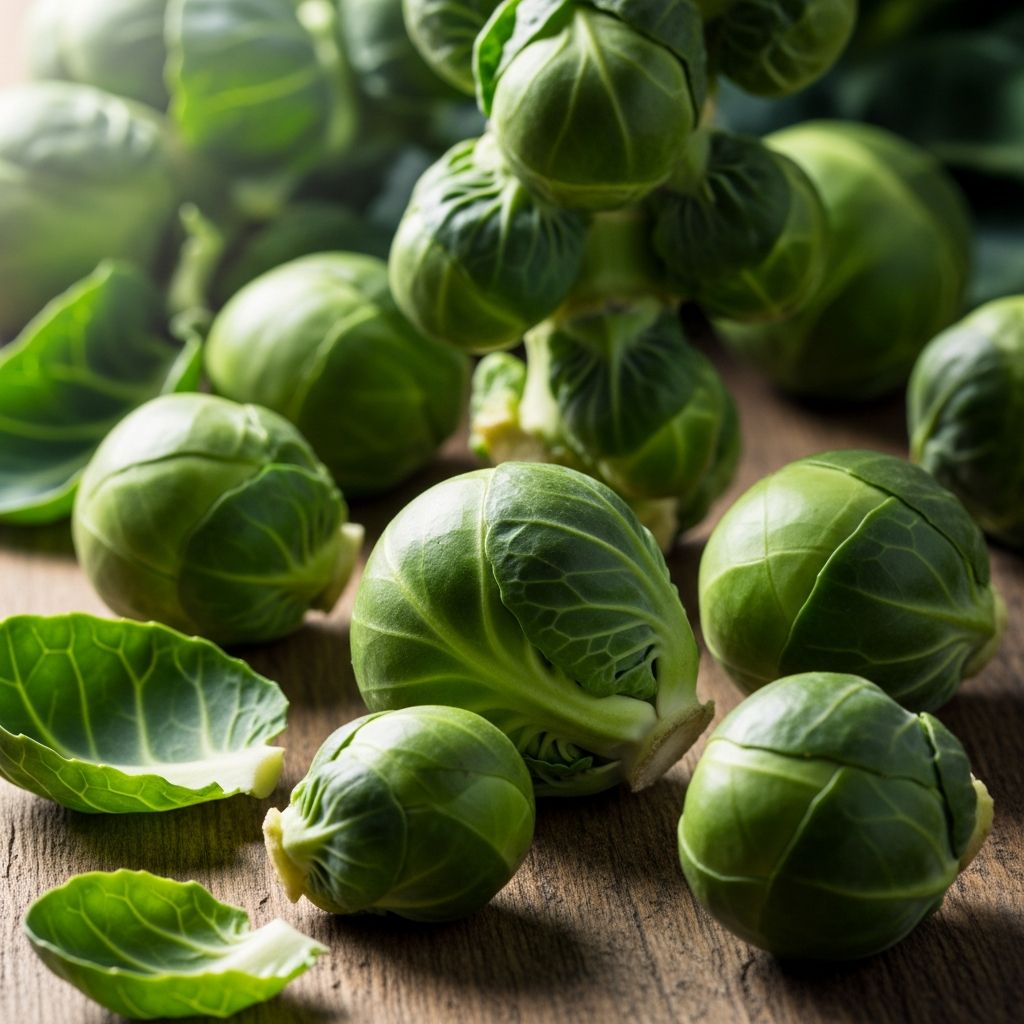
Brussels sprouts, small but mighty members of the cruciferous vegetable family, offer a wealth of health benefits backed by nutritional science. These compact green gems are loaded with vitamins, minerals, fiber, and powerful plant compounds that combat oxidative stress, support digestion, and may lower chronic disease risks.
What Are Brussels Sprouts?
Brussels sprouts (Brassica oleracea) resemble miniature cabbages, growing in tight clusters along thick stalks. Native to Belgium—hence their name—they belong to the same family as broccoli, kale, cauliflower, and cabbage. Available year-round but peaking in fall and early spring, they are primarily grown in California in the U.S. Their slightly bitter flavor comes from sulfur-containing glucosinolates, which break down into beneficial isothiocyanates during cooking and digestion.
Versatile in the kitchen, Brussels sprouts can be roasted, steamed, sautéed, or eaten raw in salads. Roasting enhances their natural sweetness, caramelizing edges for a crispy texture that appeals even to skeptics.
Brussels Sprouts Nutrition Facts
An 80g serving (about eight boiled Brussels sprouts) provides just 28 calories but packs significant nutrition: 2.3g protein, 3.3g fiber, 48mg vitamin C (nearly 100% daily value), 256mcg beta-carotene, 88mcg folate, and meaningful amounts of vitamin K, manganese, and vitamin B6. One cup delivers 124% of daily vitamin C—more than an equal-calorie serving of orange juice—plus fiber for satiety and digestive health.
| Nutrient (per 80g boiled) | Amount | % Daily Value |
|---|---|---|
| Calories | 28 kcal | 1% |
| Protein | 2.3g | 5% |
| Fiber | 3.3g | 12% |
| Vitamin C | 48mg | 80% |
| Vitamin K | High | >100% |
| Folate | 88mcg | 22% |
This low-calorie profile makes Brussels sprouts ideal for weight management, while their nutrient density supports overall wellness.
Top 5 Health Benefits of Brussels Sprouts
1. Rich in Protective Antioxidants
Brussels sprouts brim with antioxidants like vitamin C, beta-carotene, and kaempferol, which neutralize free radicals from oxidation. A study showed consuming 300g cooked daily reduced oxidative damage by 28%, potentially lowering chronic disease risk by curbing inflammation. These compounds protect cells, reduce inflammatory effects, and promote longevity.
2. Contain Anti-Cancer Compounds
Glucosinolates in Brussels sprouts convert to isothiocyanates, researched for anti-cancer properties: protecting DNA, inhibiting tumor blood vessel growth, and aiding detoxification of carcinogens. While no single food prevents cancer, cruciferous veggies like these reduce risk through sulforaphane, a potent antioxidant and anti-inflammatory. Human evidence is promising but ongoing; moderation (once weekly) is advised alongside variety.
3. May Support Heart Health
Kaempferol and fiber in Brussels sprouts promote cardiovascular wellness by lowering inflammation, improving blood vessel function, and reducing heart disease risk. Studies link higher brassica intake to decreased cardiovascular events, with their nitrates aiding blood pressure regulation.
4. May Support Gut Health
High sulfur content boosts glutathione production, a key antioxidant for gut lining integrity, infection defense, and colorectal cancer prevention. Fiber feeds beneficial gut bacteria, enhancing microbiome diversity and reducing inflammation-linked conditions.
5. May Reduce Type-2 Diabetes Risk
Fiber stabilizes blood sugar, while brassicas protect against diabetes complications like vascular damage. Epidemiological studies associate regular consumption with lower type-2 diabetes incidence, thanks to low glycemic impact and anti-inflammatory effects.
Related Stories



Potential Downsides and Precautions
For most, Brussels sprouts are safe and beneficial. However:
- Thyroid Concerns: Goitrogens may hinder iodine absorption; those with thyroid issues should limit intake or cook thoroughly, as heat deactivates them.
- Digestive Sensitivity: High fiber can cause bloating or gas, especially for IBD, Crohn’s, or ulcerative colitis sufferers—introduce gradually.
- Moderation: Eat varied cruciferous veggies; excessive amounts may pose risks like pancreatic concerns in some studies.
Consult a doctor for personalized advice, particularly if pregnant, on blood thinners (due to vitamin K), or managing chronic conditions.
How to Add Brussels Sprouts to Your Diet
Boost intake with simple preparations:
- Roast at 400°F with olive oil, salt, and garlic for 20-25 minutes.
- Sauté with shallots, lemon, and stock for a quick side.
- Shred raw into salads with nuts and vinaigrette.
- Mix into stir-fries, pasta, or grain bowls.
Aim for 1-2 cups weekly within five-a-day goals.
Healthy Brussels Sprouts Recipes
Chili-Charred Brussels Sprouts
Toss halved sprouts with chili flakes, oil, and roast until charred. Finish with lime—spicy, smoky perfection.
Sprouts with Sesame & Spring Onions
Stir-fry sprouts with sesame oil, seeds, and onions for an Asian-inspired crunch.
Roasted Brussels Sprouts with Bacon & Chestnuts
Classic holiday combo: roast with bacon bits and chestnuts for savory depth.
Brussels Sprouts with Shallots and Lemon (Mayo Clinic Recipe)
Serves 4. Heat 2 tsp olive oil, sauté 3 sliced shallots with 1/8 tsp salt. Separately, brown 1lb quartered sprouts in 1 tsp oil, add ½ cup stock, simmer 5-6 min. Combine with shallots, lemon zest/juice, pepper. Per serving: 104 cal, 5g fiber, 5g protein.
Frequently Asked Questions (FAQs)
Are Brussels sprouts good for you?
Yes, they’re nutrient-dense, high in fiber, vitamins, and antioxidants supporting heart, gut, and immune health.
Are Brussels sprouts safe for everyone?
Generally yes, but limit if you have thyroid issues or gut sensitivities; cook to minimize goitrogens.
How many Brussels sprouts should I eat daily?
80g (eight sprouts) counts as one five-a-day serving; 1-2 cups weekly is ideal for benefits without excess.
Can Brussels sprouts cause gas?
High fiber may; start small, chew well, and pair with digestive aids like ginger.
Are raw Brussels sprouts safe?
Yes, shredded in salads, but cooking enhances digestibility and nutrient bioavailability.
Overall Verdict: Are Brussels Sprouts Worth It?
Absolutely. These low-calorie powerhouses contribute to balanced diets, disease prevention, and vitality. Incorporate them confidently, with precautions for specific health needs, to reap their full potential.
References
- Top 5 health benefits of Brussels sprouts — BBC Good Food. 2023. https://www.bbcgoodfood.com/health/nutrition/health-benefits-brussels-sprouts
- Brussels Sprouts — The Nutrition Source, Harvard T.H. Chan School of Public Health. 2024. https://nutritionsource.hsph.harvard.edu/food-features/brussels-sprouts/
- Why to eat cruciferous vegetables — Mayo Clinic Health System. 2024-10-15. https://www.mayoclinichealthsystem.org/hometown-health/speaking-of-health/superfoods-why-you-should-eat-cruciferous-vegetables
Similar Articles








Read full bio of Sneha Tete