Brussels Sprouts Health Benefits: 9 Science-Backed Reasons
Discover the impressive nutrient profile and science-backed health advantages of Brussels sprouts for better digestion, heart health, and more.
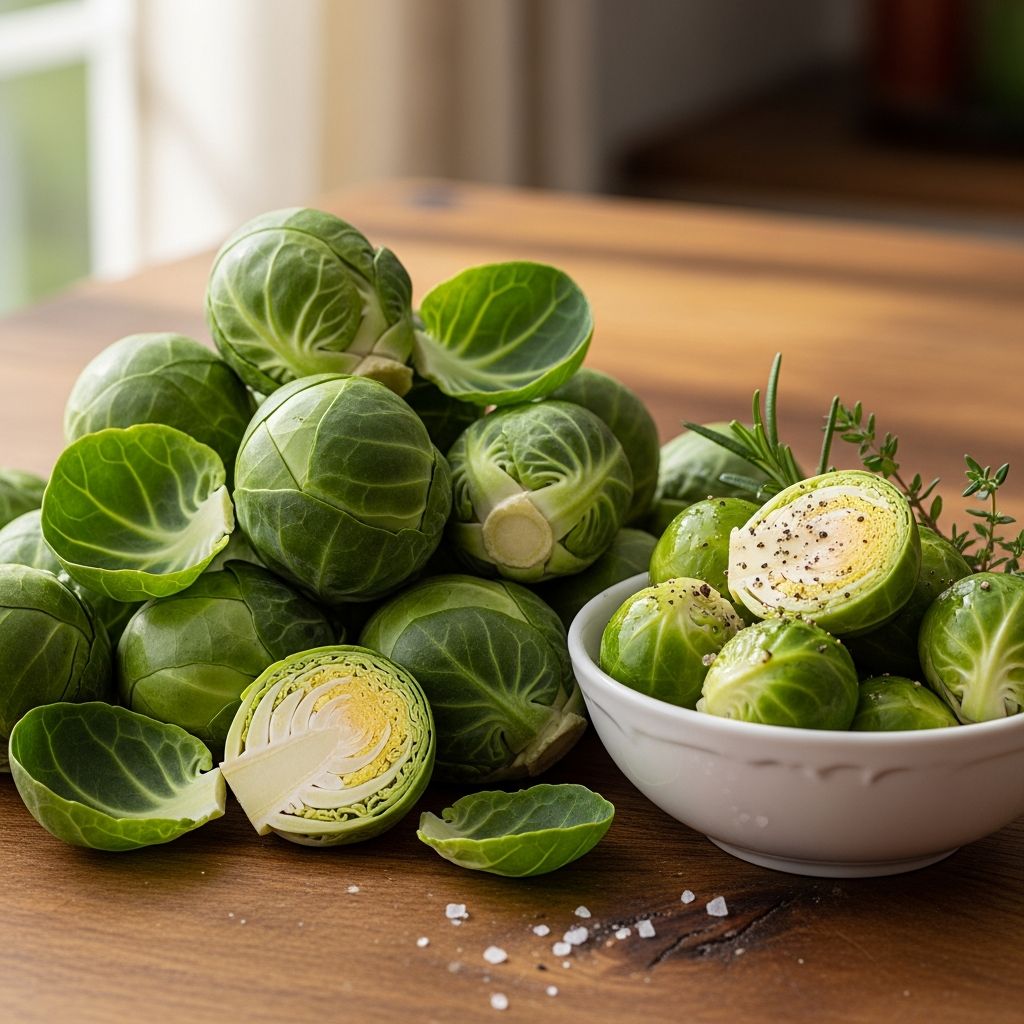
Brussels sprouts, small but mighty members of the cruciferous vegetable family, offer a wealth of nutrients and health-promoting compounds in a low-calorie package. Resembling miniature cabbages, these veggies have gained popularity for their versatility in cooking and impressive nutritional profile. A single serving provides substantial amounts of vitamins C and K, fiber, and antioxidants that combat inflammation and support various bodily functions.
What Are Brussels Sprouts?
Brussels sprouts (Brassica oleracea var. gemmifera) grow in tight buds along thick stalks, typically harvested after 80-100 days of growth. Native to Belgium, they thrive in cool climates and are available fresh, frozen, or on the stalk for optimal freshness. Smaller sprouts tend to be sweeter and more tender, making them ideal for roasting, steaming, or sautéing. Their earthy, slightly bitter flavor mellows with cooking, pairing well with garlic, bacon, or balsamic vinegar.
These veggies belong to the same family as broccoli, kale, and cauliflower, sharing glucosinolates—sulfur-containing compounds that break down into isothiocyanates during cooking and digestion. These compounds are linked to anti-cancer effects and detoxification.
Brussels Sprouts Nutrition Facts
Brussels sprouts are low in calories yet nutrient-dense. According to USDA data via multiple sources, here’s the breakdown for common servings:
| Serving Size | Calories | Protein (g) | Fiber (g) | Vitamin C (% DV) | Vitamin K (% DV) |
|---|---|---|---|---|---|
| 1/2 cup cooked (78g) | 28 | 2 | 2 | 53-83% | 91-173% |
| 1 cup raw (88g) | 38 | 3 | 3.3 | High | High |
| 80g boiled | 28 | 2.3 | 3.3 | High (48mg) | High |
They also provide folate (12-13% DV), vitamin B6, potassium, manganese, iron, and provitamin A as beta-carotene. This makes them a top scorer on nutrient density indices like ANDI.
- Low calorie, high satiety: Ideal for weight management due to fiber and protein content.
- Hydration boost: About 86% water, aiding hydration alongside nutrients.
Top 9 Health Benefits of Brussels Sprouts
1. Exceptionally Nutrient-Dense
Brussels sprouts deliver more nutrition per calorie than many foods. One half-cup cooked serving covers over 90% of daily vitamin K needs for blood clotting and bone metabolism, and half of vitamin C for immunity and collagen synthesis. Folate supports DNA production and red blood cell formation, while potassium aids heart rhythm.
2. Packed with Powerful Antioxidants
Rich in kaempferol, quercetin, and isothiocyanates, Brussels sprouts neutralize free radicals, reducing oxidative stress linked to chronic diseases. These compounds protect cells, promote heart health, and lower inflammation.
3. Excellent Source of Fiber
With 2-3.3 grams per serving, fiber in Brussels sprouts promotes regular bowel movements, softens stool, and feeds gut bacteria for better microbiome health. It also lowers cholesterol by binding bile acids and supports weight control by increasing fullness.
4. Rich in Bone-Building Vitamin K
Vitamin K1 in Brussels sprouts is crucial for carboxylation of osteocalcin, a protein that anchors calcium in bones, potentially reducing osteoporosis risk. It also ensures proper blood clotting.
Related Stories



5. May Support Healthy Blood Sugar Levels
High fiber and low glycemic index help stabilize blood sugar. Studies link cruciferous veggie intake to lower type 2 diabetes risk, as soluble fiber slows carbohydrate absorption.
6. Linked to Cancer Prevention
Glucosinolates convert to sulforaphane and indoles, which inhibit cancer cell growth and enhance detoxification enzymes. Less than one serving daily of cruciferous veggies like Brussels sprouts may halve cancer progression risk, particularly for stomach, lung, breast, and prostate cancers.
7. Boosts Immunity with Vitamin C
Providing up to 99% DV for women in one cup raw, vitamin C enhances white blood cell function, wound healing, and iron absorption from plant foods. It combats pathogens and supports skin health via collagen.
8. Promotes Heart Health
Antioxidants reduce artery plaque, fiber lowers LDL cholesterol, and potassium balances sodium for blood pressure control. Carotenoids protect eye health too.
9. Supports Skin and Detoxification
Beta-carotene and vitamin C fight wrinkles and UV damage, while fiber aids toxin removal. Phytonutrients promote healing and muscle repair.
Potential Downsides and Precautions
While safe for most, Brussels sprouts contain goitrogens that may interfere with thyroid function if eaten raw in excess, especially for those with hypothyroidism—cooking neutralizes this. High vitamin K can interact with blood thinners like warfarin; consult a doctor if on medication. Oxalates are low, posing minimal kidney stone risk.
Start with small amounts if new to them, as fiber may cause temporary gas. Aim for 1-2 cups weekly as part of a varied diet.
Healthy Cooking Methods for Brussels Sprouts
- Roasting: Toss with olive oil, salt, and roast at 400°F for 20-25 minutes for caramelized flavor, preserving nutrients.
- Steaming: 5-7 minutes retains vitamins better than boiling.
- Sautéing: Quick cook with garlic enhances taste without overcooking.
- Raw: Shred for salads, but limit due to goitrogens.
Avoid overboiling to prevent nutrient loss and bitterness. Pair with healthy fats for better absorption of fat-soluble vitamins.
Storage and Selection Tips
Choose firm, bright green, tight-headed sprouts without yellowing or wilting. Store in a perforated bag in the fridge for up to 1-2 weeks; on the stalk lasts longer. Frozen is a nutritious alternative, retaining most vitamins.
Simple Brussels Sprouts Recipes
Roasted Brussels Sprouts with Garlic
Ingredients: 1 lb Brussels sprouts (trimmed, halved), 3 garlic cloves (minced), 2 tbsp olive oil, salt, pepper.
Directions: Preheat oven to 425°F. Toss ingredients, spread on baking sheet, roast 20-25 min, stirring halfway. Serves 4; 120 calories/serving.
Brussels Sprouts Salad
Shred 12 oz raw sprouts, mix with lemon juice, olive oil, shaved Parmesan, pomegranate seeds, and nuts. Refreshing and crunchy.
Frequently Asked Questions (FAQs)
Are Brussels sprouts good for you?
Yes, they’re nutrient powerhouses supporting digestion, immunity, bones, and potentially cancer prevention with antioxidants and fiber.
Do Brussels sprouts cause gas?
Their raffinose fiber can ferment in the gut, causing bloating initially. Cooking and gradual introduction help.
Are frozen Brussels sprouts as healthy as fresh?
Nearly identical nutritionally if flash-frozen soon after harvest.
Can Brussels sprouts help with weight loss?
Low calories, high fiber, and protein promote satiety and metabolism.
How much vitamin K is in Brussels sprouts?
Up to 173% DV per cup raw, aiding bones and clotting.
Do they lower blood sugar?
Fiber content helps stabilize levels; cruciferous veggies reduce diabetes risk.
References
- 8 Ways Brussels Sprouts Benefit Your Health — Healthline. 2023. https://www.healthline.com/nutrition/benefits-of-brussels-sprouts
- Brussels Sprouts Nutritional Data, Facts And Calories — YouTube (NutritionFacts.org channel). 2022. https://www.youtube.com/watch?v=S2GZGwrCSu4
- Top 5 health benefits of Brussels sprouts — BBC Good Food. 2024. https://www.bbcgoodfood.com/health/nutrition/health-benefits-brussels-sprouts
- Brussels sprouts: Benefits and nutrition — Medical News Today. 2024. https://www.medicalnewstoday.com/articles/284765
- Health Benefits of Brussels Sprouts — WebMD. 2023. https://www.webmd.com/food-recipes/health-benefits-brussels-sprouts
- Brussels sprouts — NutritionFacts.org. 2023. https://nutritionfacts.org/topics/brussels-sprouts/
- Nutrition Facts – Brussels sprouts, frozen — UR Medicine / University of Rochester (.edu). 2024. https://www.urmc.rochester.edu/encyclopedia/content?contenttypeid=76&contentid=11101-1
- Brussels Sprouts — Harvard T.H. Chan School of Public Health (.edu). 2024. https://nutritionsource.hsph.harvard.edu/food-features/brussels-sprouts/
Similar Articles








Read full bio of medha deb