Bruxism: Causes, Symptoms, and Treatment
Comprehensive guide to understanding teeth grinding, its causes, symptoms, and effective treatment options.
Understanding Bruxism: Teeth Grinding and Jaw Clenching
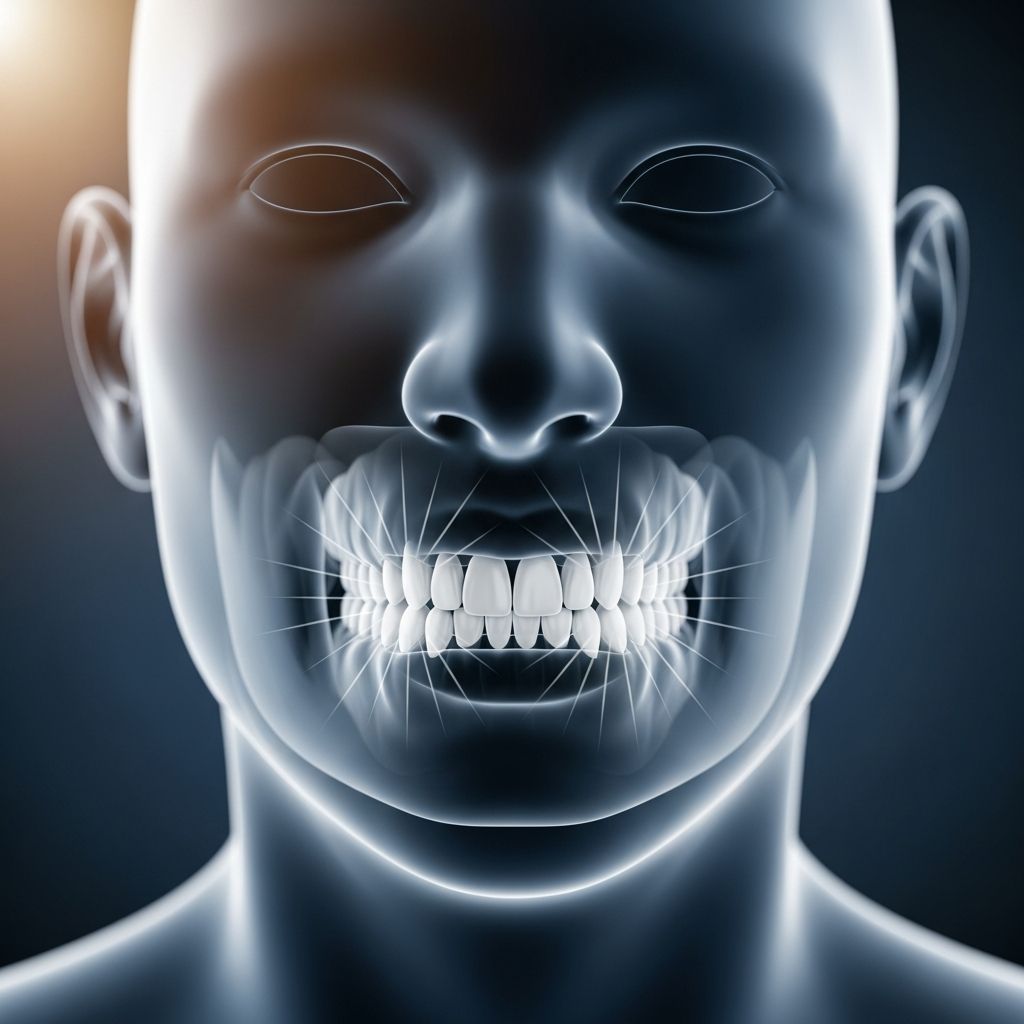
Bruxism, commonly known as teeth grinding or jaw clenching, is a condition where individuals unconsciously clench their teeth or grind them together. This repetitive movement involves rhythmic contractions of the masseter muscles and can occur either during sleep or while awake. The condition affects a significant portion of the population, with sleep bruxism impacting approximately 8% to 10% of adults and 15% to 40% of children, while awake bruxism affects 22.1% to 31% of the population. Understanding this condition is essential because when left untreated, bruxism can lead to serious dental complications, jaw pain, and disrupted daily functioning.
Types of Bruxism
Healthcare professionals categorize bruxism into two primary types based on when the grinding occurs and its underlying causes.
Sleep Bruxism
Sleep bruxism occurs during sleep and is considered a sleep-related movement disorder. It is most common in children but also affects a considerable number of adults. This type is believed to be a centrally mediated phenomenon related to microarousals from sleep and activation of the autonomic nervous system. Sleep bruxism often occurs during lighter stages of sleep and can be triggered by sleep disturbances or breathing problems.
Awake Bruxism
Awake bruxism, also called daytime bruxism, happens while individuals are conscious. This type is often related to emotional states and behavioral habits. People with awake bruxism may be unaware of their grinding or clenching until they experience symptoms or someone points out the behavior.
Causes and Risk Factors
Bruxism is a multifactorial condition with numerous contributing factors. Identifying the underlying cause is crucial for effective treatment and long-term management.
Stress and Anxiety
Emotional stress and anxiety are among the most common triggers of bruxism. High levels of psychological stress cause the body to tense up, and many people unconsciously respond by clenching their jaw and grinding their teeth. This automatic response can become habitual, especially during periods of intense worry or pressure.
Sleep-Related Breathing Disorders
Sleep apnea and other sleep-related breathing disorders represent the most common medical cause of nighttime bruxism. When breathing is compromised during sleep, the body responds with increased muscle tension and jaw clenching as part of the arousal response. Treating the underlying sleep disorder often helps alleviate bruxism symptoms.
Bite and Dental Issues
Misalignment of teeth or improper bite (malocclusion) can contribute significantly to teeth grinding and jaw clenching. When teeth don’t meet properly, the jaw muscles work harder to achieve a stable position, potentially triggering or exacerbating bruxism.
Lifestyle Factors
Certain lifestyle choices increase the likelihood of developing bruxism. Excessive caffeine consumption, alcohol use, and smoking can all elevate bruxism risk. Additionally, recreational drug use has been linked to increased teeth grinding and jaw clenching behaviors.
Medical Conditions
Various medical conditions have been associated with bruxism, including Parkinson’s disease, acid reflux, and other neurological disorders. These conditions may trigger bruxism as a secondary symptom rather than as a primary condition.
Medications
Certain medications can increase the risk of bruxism as a side effect. Selective serotonin reuptake inhibitors (SSRIs) and other antidepressants, as well as medications for seizures and ADHD, have been linked to increased teeth grinding and jaw clenching.
Behavioral Habits
Unconscious daytime habits can contribute to awake bruxism. These include chewing on pens, biting nails, chewing cheeks, or prolonged gum chewing. Such habits increase jaw strain and can exacerbate bruxism symptoms over time.
Related Stories



Symptoms and Complications
Bruxism manifests through various physical symptoms that can significantly impact daily life and oral health. Some individuals may not realize they have bruxism until complications develop or symptoms become pronounced.
Common Symptoms
- Worn-down, flattened, or chipped teeth
- Jaw pain or stiffness that makes it difficult to open or close the mouth
- Persistent headaches or migraines, often occurring in the morning and radiating to the neck and shoulders
- Earaches or a sensation of fullness in the ears, sometimes mistaken for ear infections
- Teeth sensitivity to hot, cold, or sweet foods due to enamel erosion
- Facial or jaw pain
- Damaged dental work or crowns
- Disrupted sleep patterns and sleep deprivation
Long-Term Complications
When bruxism goes untreated, it can lead to severe dental damage, temporomandibular joint (TMJ) dysfunction, chronic pain, and significantly reduced quality of life. The constant grinding wears away tooth enamel, exposing the sensitive inner layers and increasing the risk of decay. Expensive dental repairs and restorations may become necessary, and the condition can interfere with sleep quality and overall well-being.
Diagnosis
Diagnosing bruxism primarily relies on clinical evaluation and patient history. A dentist or healthcare provider will examine the teeth for signs of wear, assess jaw muscle tenderness, and inquire about symptoms and potential triggers. In some cases, especially when sleep disorders are suspected, polysomnography (sleep study) may be recommended to monitor sleep patterns and confirm sleep bruxism. Additionally, imaging studies or further evaluation may be necessary to identify underlying medical conditions contributing to the grinding.
Treatment Options
Bruxism is highly treatable, and various approaches can effectively manage symptoms and prevent complications. Treatment is often individualized based on the underlying cause and severity of the condition.
Oral Devices
Night guards or bite splints are among the most common and accessible treatments for bruxism. These devices, preferably made from hard acrylic resin, cover the upper or lower teeth and are worn during sleep. While research shows that oral devices do not reduce the frequency of grinding episodes, they effectively prevent tooth wear and damage, reduce morning jaw discomfort, and protect existing dental work. Custom-fitted guards made by dentists are generally more effective than over-the-counter options.
Stress Management and Behavioral Interventions
Since stress is a major contributor to bruxism, incorporating stress-relief practices into daily routines can significantly reduce symptoms. Effective techniques include meditation, yoga, deep breathing exercises, and progressive muscle relaxation. Behavioral interventions such as biofeedback enable patients to recognize and reduce muscle tension. Cognitive behavioral therapy can help address underlying anxiety and develop healthier coping mechanisms. Additionally, habit modification, relaxation therapy, and other behavioral techniques can reduce awake bruxism triggers.
Physical Therapy
Physical therapy addresses the muscle tension and joint strain caused by bruxism. Targeted exercises and manual therapy techniques can improve jaw range of motion and reduce pain. Therapists focus on stretching and strengthening the muscles around the jaw, neck, and shoulders to promote better alignment and functionality. Myofascial release techniques can relieve tightness and improve blood flow in affected areas.
Dental Corrections
If bite misalignment or dental problems contribute to bruxism, orthodontic treatment or other dental corrections may be recommended. Adjusting the bite or straightening teeth can reduce the jaw muscles’ need to work excessively and alleviate grinding symptoms.
Therapeutic Botox Injections
Botox injections have emerged as an increasingly popular treatment for managing severe bruxism. These injections use botulinum toxin to temporarily relax the overactive jaw muscles responsible for clenching and grinding. By reducing muscle activity, Botox can significantly decrease pain, prevent tooth damage, and enhance the effectiveness of complementary treatments like night guards. The procedure is quick, minimally invasive, and can be performed in a dental office, providing relief that typically lasts several months.
Pharmacological Treatments
In some cases, healthcare professionals may recommend medications to manage bruxism. These include muscle relaxants for short-term use before bedtime and anti-anxiety or antidepressant medications to address underlying stress or emotional concerns. If bruxism is a side effect of current medications, adjusting the dose or switching to an alternative medication may help. However, medication changes should only be made under professional supervision.
Treatment of Underlying Conditions
Addressing comorbid conditions is paramount for effective bruxism management. Patients with suspected obstructive sleep apnea should undergo formal sleep assessment and receive treatment with positive airway pressure (CPAP) devices if appropriate, as treating sleep apnea alone may significantly reduce bruxism episodes. Similarly, managing other underlying medical conditions or adjusting medications that trigger bruxism can substantially improve symptoms.
Lifestyle Modifications
Simple lifestyle changes can help reduce bruxism symptoms. These include avoiding caffeine, alcohol, and tobacco, especially before bedtime; limiting gum chewing; avoiding hard or crunchy foods; and breaking unconscious mouth habits like nail biting or cheek chewing. Establishing a relaxing bedtime routine and maintaining good sleep hygiene can also help manage sleep bruxism.
Prevention Strategies
While not all cases of bruxism can be prevented, certain strategies can reduce the risk or severity of the condition. Managing stress through regular exercise, meditation, and counseling; maintaining good sleep habits; avoiding stimulating substances before bed; and addressing dental misalignments early can all help prevent or minimize bruxism. Regular dental check-ups allow professionals to detect early signs of teeth grinding and recommend preventive measures.
When to See a Healthcare Provider
Individuals experiencing symptoms of bruxism should consult with a dentist or healthcare provider. Signs that professional evaluation is needed include morning jaw pain, worn teeth, frequent headaches, earaches, or if someone reports hearing grinding sounds during sleep. Early diagnosis and intervention can prevent serious complications and improve overall quality of life.
Frequently Asked Questions
Q: Is bruxism dangerous?
A: While bruxism itself is not life-threatening, untreated cases can lead to serious dental damage, TMJ dysfunction, chronic pain, and sleep disturbances. Early intervention can prevent these complications.
Q: Can bruxism be cured?
A: Bruxism can be effectively managed and symptoms controlled through appropriate treatment. Curing the condition depends on addressing underlying causes such as stress, sleep disorders, or dental issues.
Q: Is a night guard effective?
A: Night guards effectively prevent tooth damage and reduce morning jaw discomfort, though they don’t reduce the frequency of grinding. They are most effective when combined with other treatments addressing underlying causes.
Q: Can stress management alone treat bruxism?
A: Stress management can significantly reduce bruxism symptoms, particularly for stress-induced awake bruxism. However, comprehensive treatment often requires a multifaceted approach combining stress management with other interventions.
Q: Is bruxism hereditary?
A: While bruxism tends to run in families, it is not strictly hereditary. Family members may share common triggers like stress levels, sleep patterns, or dental characteristics rather than inheriting the condition itself.
References
- Bruxism Management – StatPearls — National Center for Biotechnology Information (NCBI). Updated 2024. https://www.ncbi.nlm.nih.gov/books/NBK482466/
- Teeth grinding (bruxism) – Diagnosis and treatment — Mayo Clinic. 2024. https://www.mayoclinic.org/diseases-conditions/bruxism/diagnosis-treatment/drc-20356100
- Teeth grinding (bruxism) – Symptoms and causes — Mayo Clinic. 2024. https://www.mayoclinic.org/diseases-conditions/bruxism/symptoms-causes/syc-20356095
- Teeth grinding (bruxism) — NHS. Updated 2024. https://www.nhs.uk/symptoms/teeth-grinding/
- Bruxism: MedlinePlus Medical Encyclopedia — U.S. National Library of Medicine. 2024. https://medlineplus.gov/ency/article/001413.htm
- Understanding Bruxism: Causes, Effects, and Treatment Options — Norman Smile Center. 2024. https://normansmilecenter.com/understanding-bruxism-causes-effects-and-treatment-options/
- Tooth Clenching or Grinding — American Academy of Oral Medicine (AAOM). https://www.aaom.com/patient-condition-information/tooth-clenching-or-grinding
Similar Articles








Read full bio of Sneha Tete