Bruxism (Teeth Grinding): Symptoms, Causes & Treatment
Understanding teeth grinding: causes, symptoms, and effective treatment options for bruxism relief.
Understanding Bruxism: Teeth Grinding and Jaw Clenching
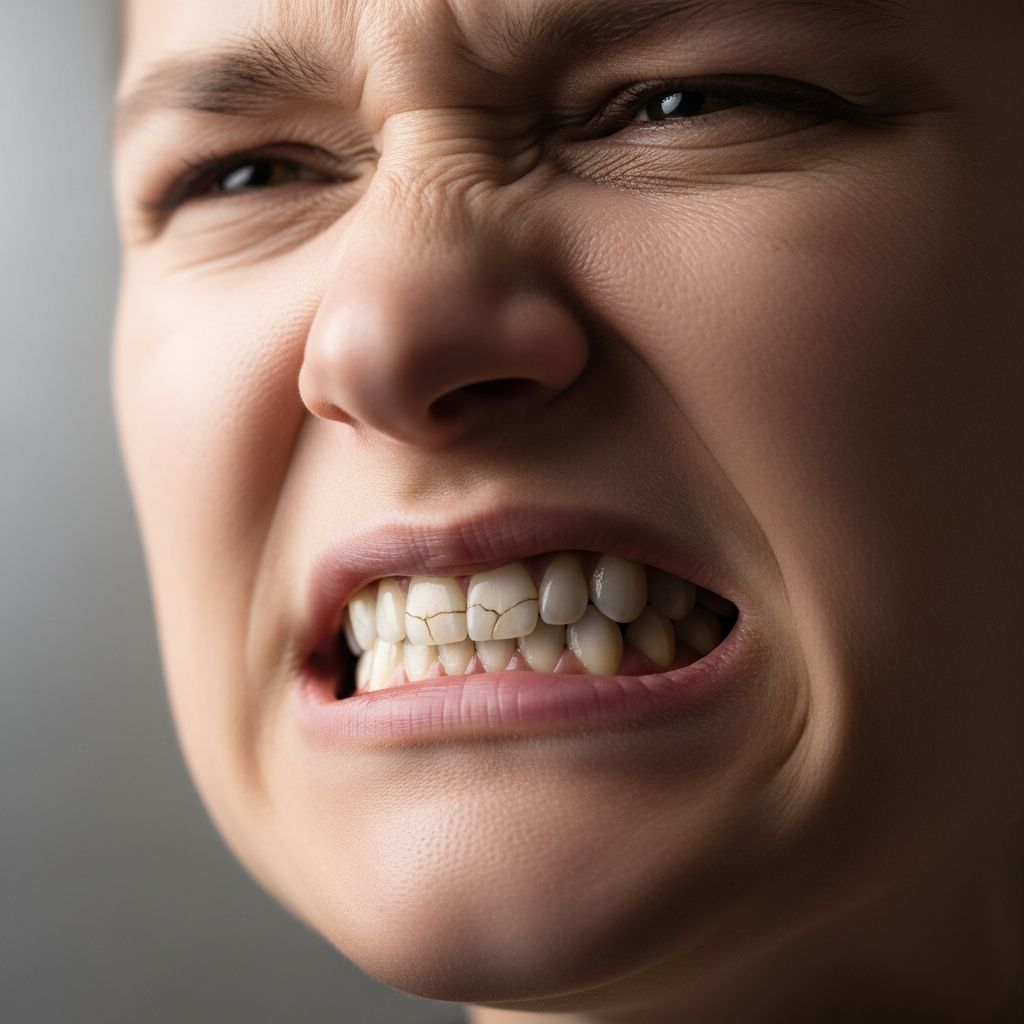
Bruxism, commonly known as teeth grinding, is a condition in which you unconsciously clench, grind, or gnash your teeth together. This involuntary habit can occur during sleep (sleep bruxism) or while you are awake (awake bruxism). Many people are unaware they have this condition until they experience noticeable discomfort or until a dentist or sleep partner alerts them to the problem. While occasional teeth grinding is not typically harmful, chronic bruxism can lead to significant dental damage and other health complications that require professional intervention.
Common Symptoms of Bruxism
Recognizing the symptoms of bruxism is crucial for early detection and treatment. Symptoms can vary in severity and may develop gradually over time. Some individuals experience obvious signs, while others may have subtle indicators that only become apparent during a dental examination.
Dental and Oral Symptoms
One of the most obvious signs of teeth grinding is audible grinding noises during sleep, which is often noticed by a sleep partner or family members sharing your bedroom. You may also experience visible damage to your teeth, including flattened, chipped, or loose teeth. Chronic grinding wears down tooth enamel, which is the protective outer layer of your teeth. When enamel is compromised, the inner layers of your teeth become exposed, leading to increased tooth sensitivity and pain when consuming hot, cold, or sweet foods and beverages.
Jaw and Muscle Symptoms
Bruxism frequently causes jaw-related discomfort and pain. You may experience soreness or pain in your jaw muscles, particularly upon waking in the morning. The temporomandibular joint (TMJ), which connects your jaw to your skull, can become inflamed and painful due to the excessive pressure from grinding and clenching. This can result in difficulty opening or closing your mouth, and you may notice clicking or popping sounds when you move your jaw.
Headaches and Referred Pain
Many people with bruxism suffer from frequent headaches, particularly in the morning. These headaches result from muscle tension in the jaw, neck, and shoulders that develops from the constant grinding and clenching throughout the night. Additionally, some individuals report ear pain or a feeling of fullness in the ears, which occurs because the muscles and joints involved in bruxism are located near the ears.
Sleep-Related Symptoms
Bruxism can significantly impact sleep quality and overall restfulness. The physical activity of grinding your teeth may cause sleep disruptions, leading to poor sleep quality and daytime fatigue. Even though you may spend adequate time in bed, you might wake up feeling exhausted because the grinding activity interrupts your sleep cycles.
What Causes Bruxism
Understanding the underlying causes of bruxism is essential for developing an effective treatment plan. Bruxism can result from multiple factors, and identifying your specific triggers can help you manage the condition more effectively.
Stress and Anxiety
Stress and anxiety are among the most common causes of bruxism. During periods of high stress, your body activates the fight-or-flight response, which causes muscles throughout your body to tense up. Your jaw muscles are particularly susceptible to this tension, leading to clenching and grinding behaviors. Work-related stress, relationship difficulties, financial concerns, and major life changes are common triggers for stress-related bruxism.
Related Stories



Sleep Disorders
Sleep disorders significantly increase the risk of developing sleep bruxism. Sleep apnea, a condition in which breathing repeatedly stops and starts during sleep, is closely associated with teeth grinding. Other sleep disorders can also trigger bruxism as your body experiences disruptions in normal sleep patterns.
Medication Side Effects
Certain medications can contribute to bruxism as a side effect. Some antidepressants, particularly selective serotonin reuptake inhibitors (SSRIs), have been linked to increased teeth grinding. If you suspect your medication is causing bruxism, consult with your healthcare provider rather than stopping the medication on your own, as they may be able to adjust your dosage or prescribe an alternative medication.
Stimulant Use
Caffeine, nicotine, and alcohol consumption can increase the likelihood of teeth grinding. Stimulating substances like caffeine elevate your nervous system activity, while alcohol can disrupt sleep quality and trigger grinding episodes. Recreational drug use, particularly stimulants like methamphetamine or cocaine, significantly increases bruxism risk.
Misaligned Teeth and Bite Problems
When your teeth are not properly aligned or your bite is incorrect, your jaw muscles must work harder during chewing. This increased muscle activity can lead to grinding and clenching as a compensatory response. Orthodontic issues may be a contributing factor to chronic bruxism that doesn’t respond to stress management alone.
Risk Factors for Bruxism
Certain factors increase your likelihood of developing bruxism. A risk factor is any characteristic or habit that increases your chances of developing a particular condition. Common risk factors include a family history of bruxism, high stress levels, anxiety disorders, certain personality traits (such as being competitive or hyperactive), and age (bruxism is more common in children and young adults but can occur at any age).
Diagnosing Bruxism
Healthcare providers, most commonly dentists, diagnose bruxism through a comprehensive evaluation that includes physical examination and patient history.
Medical History and Physical Examination
During your initial evaluation, your dentist will ask detailed questions about your symptoms, including when grinding or clenching occurs (during the day or at night), any jaw pain or jaw muscle fatigue, morning headaches, and whether your sleep partner has noticed grinding sounds. Your dentist will also inquire about potential stressors and lifestyle factors that may contribute to bruxism. During the physical examination, your dentist inspects your teeth for signs of wear, damage, or misalignment and palpates your jaw muscles and TMJ to assess for tenderness and abnormal movement patterns.
Dental Changes and Imaging
Your dentist looks for specific dental changes that indicate bruxism, including flattened, broken, or missing teeth, worn-down tooth surfaces, and damage to dental restorations. Dental imaging, such as X-rays or CT scans, may be used to examine the teeth, underlying bone structure, and the TMJ in detail. These images help confirm the diagnosis and reveal the extent of damage caused by grinding.
Sleep Studies
If your dentist suspects sleep bruxism or suspects an associated sleep disorder like sleep apnea, they may refer you to a sleep medicine specialist. A sleep study (polysomnography) is an overnight test conducted in a sleep center where sensors monitor your bodily functions, including brain activity, heart rate, and breathing patterns. The test may include audio and video recordings to document grinding activity and identify any associated sleep disorders that require treatment.
Complications of Untreated Bruxism
Left untreated, chronic teeth grinding can lead to serious consequences. Cracked or fractured teeth may require root canal therapy or extraction. Severe enamel wear can lead to cavities, sensitivity, and eventual tooth loss. TMJ disorder can develop, causing chronic jaw pain and dysfunction. Additionally, bruxism can contribute to headaches, sleep disruption, and overall reduced quality of life. Early detection and treatment prevent these complications from developing.
Treatment Options for Bruxism
In many cases, treatment may not be necessary, especially if grinding is occasional and mild. Many children outgrow bruxism without intervention. However, if bruxism is severe or causing noticeable damage, several treatment options are available.
Mouth Guards and Splints
The most common treatment for bruxism is a custom-fitted mouth guard or splint worn during sleep. These devices keep the upper and lower teeth separated, preventing damage from grinding and clenching. Mouth guards can be made from hard plastic or soft materials and are typically worn over the upper or lower teeth. Your dentist can create a custom-fitted mouth guard tailored to your specific dental anatomy for optimal comfort and effectiveness.
Stress Management and Behavioral Changes
Since stress is a major trigger for bruxism, finding ways to manage stress can significantly reduce symptoms. Effective stress management techniques include meditation, deep breathing exercises, progressive muscle relaxation, yoga, and regular physical exercise. Cognitive behavioral therapy can help you identify stress triggers and develop coping strategies. Additionally, practicing good sleep hygiene, such as maintaining a consistent sleep schedule, creating a relaxing bedtime routine, and avoiding stimulants before bed, can help reduce nighttime grinding.
Dental Correction and Restoration
If bruxism has caused severe tooth wear, sensitivity, or difficulty chewing, dental correction may be necessary. Your dentist may reshape the chewing surfaces of your teeth or use dental crowns to repair damage. Orthodontic treatment may also be recommended if misaligned teeth or bite problems are contributing to bruxism.
Treatment of Underlying Conditions
If bruxism is caused by an underlying medical or mental health condition, treating that condition may stop or lessen grinding and clenching. If sleep apnea is contributing to bruxism, treating the sleep apnea can reduce grinding episodes. If anxiety or depression is the primary cause, therapy or medication prescribed by a mental health professional may help.
Prevention Strategies
While not all cases of bruxism can be prevented, you can reduce your risk and minimize symptoms by implementing certain lifestyle changes. Reduce caffeine and alcohol consumption, particularly in the hours before bedtime. Practice relaxation techniques regularly, maintain a consistent sleep schedule, and create a relaxing bedtime routine. Be mindful of jaw clenching during the day and consciously relax your jaw muscles when you notice tension. If you clench your teeth while concentrating or stressed, place your tongue between your teeth as a reminder to relax your jaw.
When to See a Healthcare Provider
If you develop bruxism symptoms that don’t go away or occur frequently, schedule an appointment with your dentist or healthcare provider. Warning signs that warrant professional evaluation include persistent jaw pain, frequent morning headaches, visible tooth wear or damage, and sleep disruption. Whether you need temporary treatment to get through a stressful period or a more long-term solution like a custom mouth guard, a healthcare provider can help determine the best approach for your specific situation.
Frequently Asked Questions About Bruxism
Q: Is occasional teeth grinding harmful?
A: If you only grind your teeth occasionally, it’s probably not a significant concern. However, if you grind frequently over a long period, it can lead to serious health issues including cracked teeth, persistent headaches, TMJ disorders, and tinnitus. It’s best to monitor your grinding habits and consult a dentist if you notice frequent episodes.
Q: Can children develop bruxism?
A: Yes, bruxism is common in children, often related to growth and development or stress. Most children outgrow the condition without treatment as their permanent teeth develop and come in fully. However, if your child’s grinding causes concern or dental damage, consult your pediatric dentist.
Q: How long does a custom mouth guard last?
A: A custom-fitted mouth guard typically lasts several years with proper care. You should replace it if it becomes damaged, worn, or no longer fits properly. Your dentist can assess the condition of your mouth guard during regular dental visits.
Q: Can stress management alone cure bruxism?
A: Stress management can significantly reduce bruxism symptoms, particularly if stress is the primary cause. However, if bruxism results from other factors like sleep disorders or misaligned teeth, additional treatments may be necessary. A comprehensive approach addressing all contributing factors typically yields the best results.
Q: Is bruxism a serious condition?
A: While occasional mild grinding is not serious, chronic severe bruxism can lead to significant dental damage, chronic pain, and sleep disruption, making it a condition worth addressing with professional help.
References
- Bruxism (Teeth Grinding): Symptoms, Causes & Treatment — Cleveland Clinic. 2025. https://my.clevelandclinic.org/health/diseases/10955-teeth-grinding-bruxism
- Teeth Grinding (Bruxism) – Diagnosis and Treatment — Mayo Clinic. 2024. https://www.mayoclinic.org/diseases-conditions/bruxism/diagnosis-treatment/drc-20356100
- Bruxism | National Institute of Dental & Craniofacial Research — National Institute of Dental and Craniofacial Research (NIDCR). 2024. https://www.nidcr.nih.gov/health-info/bruxism
- Teeth Grinding (Bruxism) – Symptoms and Causes — Mayo Clinic. 2024. https://www.mayoclinic.org/diseases-conditions/bruxism/symptoms-causes/syc-20356095
- Teeth Grinding (Bruxism) – NHS — National Health Service. 2024. https://www.nhs.uk/symptoms/teeth-grinding/
Similar Articles








Read full bio of Sneha Tete