BSE, Mad Cow Disease, and vCJD: Understanding Prion Diseases
Comprehensive guide to bovine spongiform encephalopathy, mad cow disease, and variant Creutzfeldt-Jakob disease in humans.
Understanding Bovine Spongiform Encephalopathy (BSE) and Variant Creutzfeldt-Jakob Disease (vCJD)
Bovine spongiform encephalopathy (BSE), commonly known as mad cow disease, represents one of the most significant health concerns at the intersection of animal and human health. This progressive, fatal neurodegenerative disease affects cattle and can transmit to humans through the consumption of contaminated beef products, resulting in a condition called variant Creutzfeldt-Jakob disease (vCJD). Understanding these interconnected prion diseases is essential for comprehending modern food safety protocols and public health measures implemented globally.
What is Bovine Spongiform Encephalopathy (BSE)?
Bovine spongiform encephalopathy is a chronic degenerative disease that affects the central nervous system of cattle. The disease is characterized by progressive neurological deterioration, ultimately proving fatal in all infected animals. BSE belongs to a class of diseases known as transmissible spongiform encephalopathies (TSEs), which are caused by misfolded infectious proteins called prions.
The term “mad cow disease” originates from the behavioral changes observed in infected cattle, which exhibit increased nervousness, aggression, and erratic movements as the disease progresses. The disease was first identified in the United Kingdom in 1986, marking the beginning of one of the most significant agricultural and public health crises of the late twentieth century.
The Cause: Understanding Prion Diseases
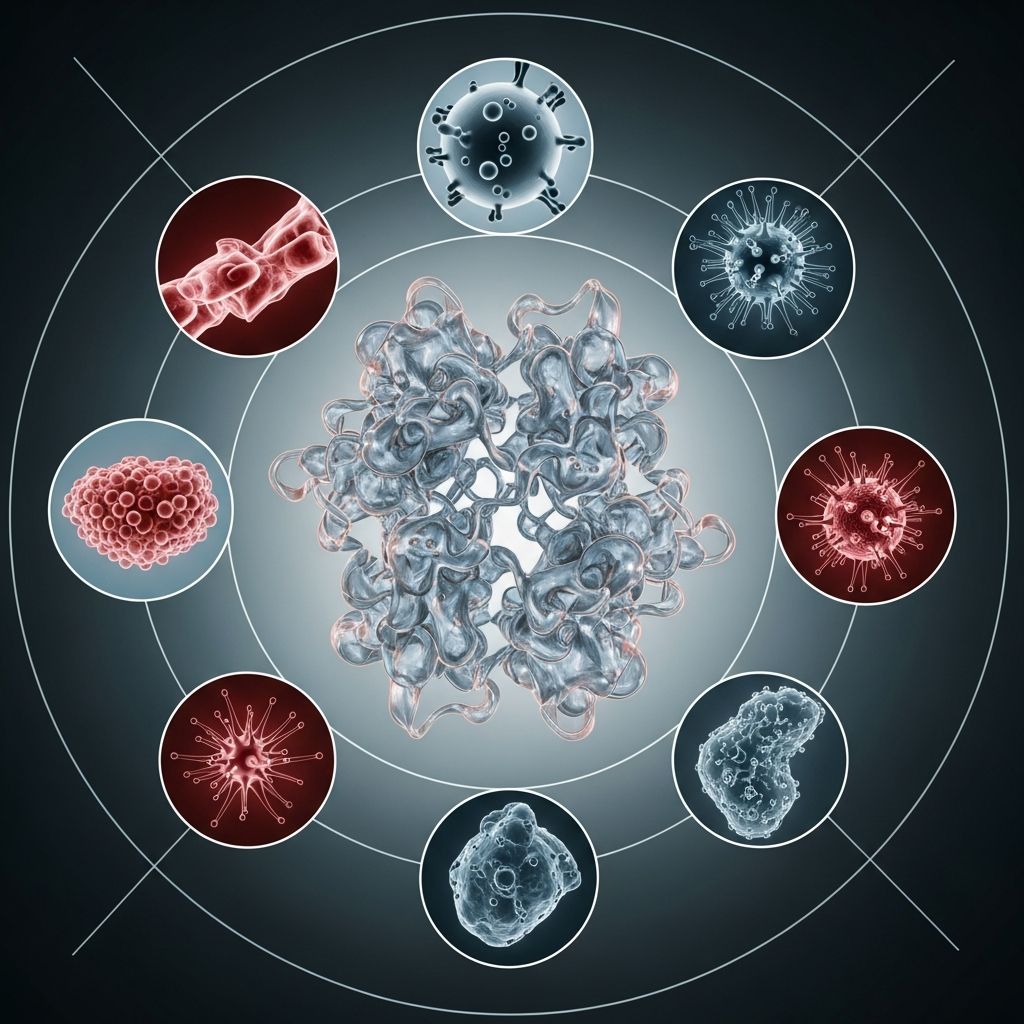
BSE is caused by a misfolded protein known as a prion, which is an abnormal isoform of the prion protein (PrP). Unlike bacteria or viruses, prions are infectious agents composed solely of protein material without genetic material (DNA or RNA). These misfolded proteins induce normal prion proteins in the brain to adopt the same abnormal shape, creating a chain reaction of protein misfolding that damages neural tissue.
Scientists believe that BSE originated from feeding cattle meat-and-bone meal (MBM) that contained infected remains from cattle that had spontaneously developed the disease or from sheep infected with scrapie, a related prion disease. During the 1980s and early 1990s, the practice of using MBM as a protein source in cattle feed was widespread throughout the United Kingdom. This practice inadvertently concentrated infected material and allowed the disease to spread rapidly through cattle populations, particularly among young calves of dairy cows.
Clinical Symptoms in Cattle
BSE manifests through a variety of neurological symptoms that typically develop years after initial infection. While cattle appear completely normal during the incubation period, clinical signs emerge progressively and include:
- Behavioral changes such as nervousness, aggression, or unusual temperament shifts
- Incoordination and difficulty standing or rising
- Shaky or jerky movements resembling tremors
- Increased sensitivity to sound, touch, or light
- Difficulty walking or abnormal gait patterns
- Weight loss despite maintaining normal appetite
- Decreased milk production in dairy cattle
- Odd behaviors such as repeated nose licking or excessive grooming
Once clinical symptoms appear, the disease progresses rapidly, with affected animals becoming increasingly unable to function normally. The deterioration continues until the animal either dies naturally or is humanely destroyed, typically within two weeks to six months after symptom onset.
Disease Incubation and Progression Timeline
Related Stories



The incubation period for BSE—the time between infection and the appearance of symptoms—varies considerably but typically ranges from three to eight years, with most cases manifesting between four to six years post-infection. This lengthy incubation period creates significant challenges for disease detection and control, as infected cattle show no visible signs during the years they may spend in commercial production.
During the incubation period, there is no reliable method to identify infected cattle through physical examination or standard diagnostic procedures, making it impossible to prevent the consumption of infected meat during this critical window. This characteristic of prion diseases contributed substantially to the widespread contamination of the human food supply during the height of the BSE outbreak.
Transmission to Humans: Variant Creutzfeldt-Jakob Disease (vCJD)
Strong scientific evidence demonstrates that consuming meat from BSE-infected cows causes a human disease called variant Creutzfeldt-Jakob disease (vCJD). This rare but fatal neurodegenerative disease emerged in the United Kingdom in 1996, approximately ten years after contaminated beef products entered the human food supply during the mid-1980s. This temporal relationship aligns precisely with the known incubation period for prion diseases in humans.
The transmission occurs through consuming beef products containing nervous system tissue, particularly brain matter and spinal cord tissue, where prion concentrations are highest. While any tissue theoretically could harbor the infectious agent, the greatest risk to humans comes from food contaminated with these neurological tissues, often mixed into ground meat (mince) and other processed beef products.
An estimated 400,000 cattle infected with BSE entered the human food chain during the 1980s. Despite implementation of preventive measures that have dramatically reduced BSE cases, the long incubation period means that new vCJD cases continue to be diagnosed sporadically, with reported cases declining to fewer than five per year in recent years.
Variant Creutzfeldt-Jakob Disease (vCJD) in Humans
Overview and Characteristics
Variant Creutzfeldt-Jakob disease is a rare, fatal brain disease caused by the same prion protein that causes BSE in cattle. Unlike classical forms of Creutzfeldt-Jakob disease (CJD), which typically affect older individuals and have different risk factors, vCJD is distinctly associated with consumption of BSE-contaminated beef products and predominantly affects younger people.
As of 2024, approximately 233 cases of vCJD have been reported globally, with the majority occurring in the United Kingdom where BSE exposure was most extensive. Only four documented cases have occurred in the United States, and these individuals likely became infected while living or traveling overseas.
Symptoms and Disease Progression
vCJD manifests through progressive neurological deterioration affecting mental abilities, movement, and sensory function. Initial symptoms may include psychiatric manifestations such as depression, anxiety, or behavioral changes, followed by neurological decline including:
- Memory loss and cognitive decline
- Difficulty concentrating or mental confusion
- Movement problems including coordination difficulties
- Vision disturbances or sensory abnormalities
- Involuntary movements or muscle jerking
- Dementia in advanced stages
Symptoms typically progress rapidly, worsening significantly within several weeks to a few months. The disease invariably proves fatal, with most patients dying within 14 months of symptom onset. The rapid progression and uniformly fatal outcome make vCJD one of the most devastating human prion diseases.
Diagnosis and Testing
Diagnosing BSE in cattle and vCJD in humans requires sophisticated laboratory testing. For cattle, diagnosis typically involves brain tissue analysis using immunohistochemistry or Western blotting techniques to detect abnormal prion protein accumulation. In humans, diagnosis may include magnetic resonance imaging (MRI) of the brain, cerebrospinal fluid analysis, and electroencephalography (EEG), though definitive diagnosis currently requires pathological examination of brain tissue.
The difficulty in ante-mortem diagnosis (diagnosis before death) underscores the importance of preventive measures and food safety protocols rather than relying on detection and treatment strategies.
Treatment and Management
Currently, no effective treatment exists for BSE in cattle or vCJD in humans. There is no vaccine to prevent infection in either species, and no pharmaceutical intervention can halt or reverse the progressive neurological damage once disease manifestation begins. The absence of treatment options makes prevention through careful food safety practices and animal feed regulations absolutely critical.
Management strategies for infected cattle focus on humane euthanasia to prevent further transmission through the food chain. For affected humans, medical care focuses on symptom management and palliative care to maintain quality of life during the disease’s progression.
Prevention and Control Measures
Animal Feed Regulations
The most significant breakthrough in controlling BSE came through implementing strict bans on using meat-and-bone meal as livestock feed. Many countries prohibited the use of ruminant-derived protein supplements in cattle feed, effectively breaking the contamination cycle that perpetuated the outbreak. These regulatory changes have proven remarkably effective, with BSE cases declining dramatically following implementation.
Food Safety Protocols
Additional preventive measures include removing infectious tissues—particularly brain and spinal cord tissue—from the human food supply. Slaughtering practices have been modified to prevent contamination of meat products with nervous system material. Specified Risk Material (SRM) protocols ensure that high-risk tissues are safely disposed of rather than entering commercial food production.
Surveillance and Testing Programs
Enhanced surveillance systems monitor cattle populations for BSE development. Many countries have implemented mandatory testing programs for cattle showing neurological symptoms or entering the food chain, allowing early detection and removal of potentially infected animals before contaminated meat reaches consumers.
Geographic Distribution and Current Status
While the BSE outbreak was most severe in the United Kingdom, cases have been identified in other countries including France, Germany, Spain, Italy, Canada, and Japan, suggesting either international feed contamination or limited indigenous disease development. The implementation of strict control measures has resulted in dramatically reduced BSE incidence globally.
The United States has maintained relatively strict BSE surveillance and prevention protocols, with only a handful of confirmed cases identified in cattle. The four documented vCJD cases in the U.S. are believed to represent individuals infected overseas, indicating successful prevention of indigenous disease transmission.
Risk Assessment and Safety Considerations
For consumers in countries with robust BSE surveillance and prevention measures, the risk of vCJD from beef consumption is extremely low. The implementation of feed bans, testing programs, and removal of high-risk tissues has effectively interrupted the transmission chain. However, individuals who consumed beef products during the height of the outbreak, particularly in the United Kingdom between the mid-1980s and the mid-1990s, may carry residual risk despite the lengthy and variable incubation period.
Concerns about vCJD transmission through blood transfusion have led to additional precautions in some countries, including deferring donors who lived in the United Kingdom during specific periods when BSE exposure risk was highest.
Frequently Asked Questions
Q: Can I get mad cow disease from eating beef today?
A: The risk is extremely low in countries with strict BSE surveillance and food safety measures. Modern regulations remove high-risk tissues and test cattle for disease, making beef consumption safe in these jurisdictions.
Q: What is the difference between BSE and vCJD?
A: BSE is a prion disease affecting cattle, while vCJD is the human form of the disease acquired through consuming contaminated beef. Both are caused by misfolded prion proteins but manifest in different species.
Q: How long does it take to develop vCJD after exposure?
A: The incubation period varies but typically ranges from 8 to 15 years or longer. This lengthy period makes early detection challenging and emphasizes the importance of prevention.
Q: Is there a test to determine if I have vCJD?
A: There is no reliable test to diagnose vCJD before symptoms develop. After symptom onset, diagnosis involves imaging studies and cerebrospinal fluid analysis, with definitive diagnosis requiring brain tissue examination.
Q: Can vCJD be transmitted person-to-person?
A: Person-to-person transmission of vCJD is extremely rare and would require direct contact with infected nervous system tissue. Standard social contact does not transmit the disease.
Q: Are all beef products equally risky?
A: High-risk tissues include brain and spinal cord. Modern processing removes these tissues from the food supply, significantly reducing transmission risk. Ground meat from properly processed beef is considered safe.
References
- Bovine Spongiform Encephalopathy (BSE) | Mad Cow Disease — Centers for Disease Control and Prevention (CDC). 2024. https://www.cdc.gov/mad-cow/php/animal-health/index.html
- About Variant Creutzfeldt-Jakob Disease (vCJD) — Centers for Disease Control and Prevention (CDC). 2024. https://www.cdc.gov/variant-creutzfeldt-jakob/about/index.html
- Bovine Spongiform Encephalopathy: A Review of Current Knowledge — National Center for Biotechnology Information (PubMed). 2024. https://pubmed.ncbi.nlm.nih.gov/40092198/
- All About BSE (Mad Cow Disease) — U.S. Food and Drug Administration (FDA). 2024. https://www.fda.gov/animal-veterinary/animal-health-literacy/all-about-bse-mad-cow-disease
- NVAP Reference Guide: Bovine Spongiform Encephalopathy — U.S. Department of Agriculture (APHIS). 2024. https://www.aphis.usda.gov/nvap/reference-guide/control-eradication/bse
Similar Articles








Read full bio of medha deb