Buccal Fat Removal: Cheek Reduction Surgery and Facial Fat Loss
Complete guide to buccal fat removal surgery, nonsurgical alternatives, and how to achieve a sculpted facial appearance.
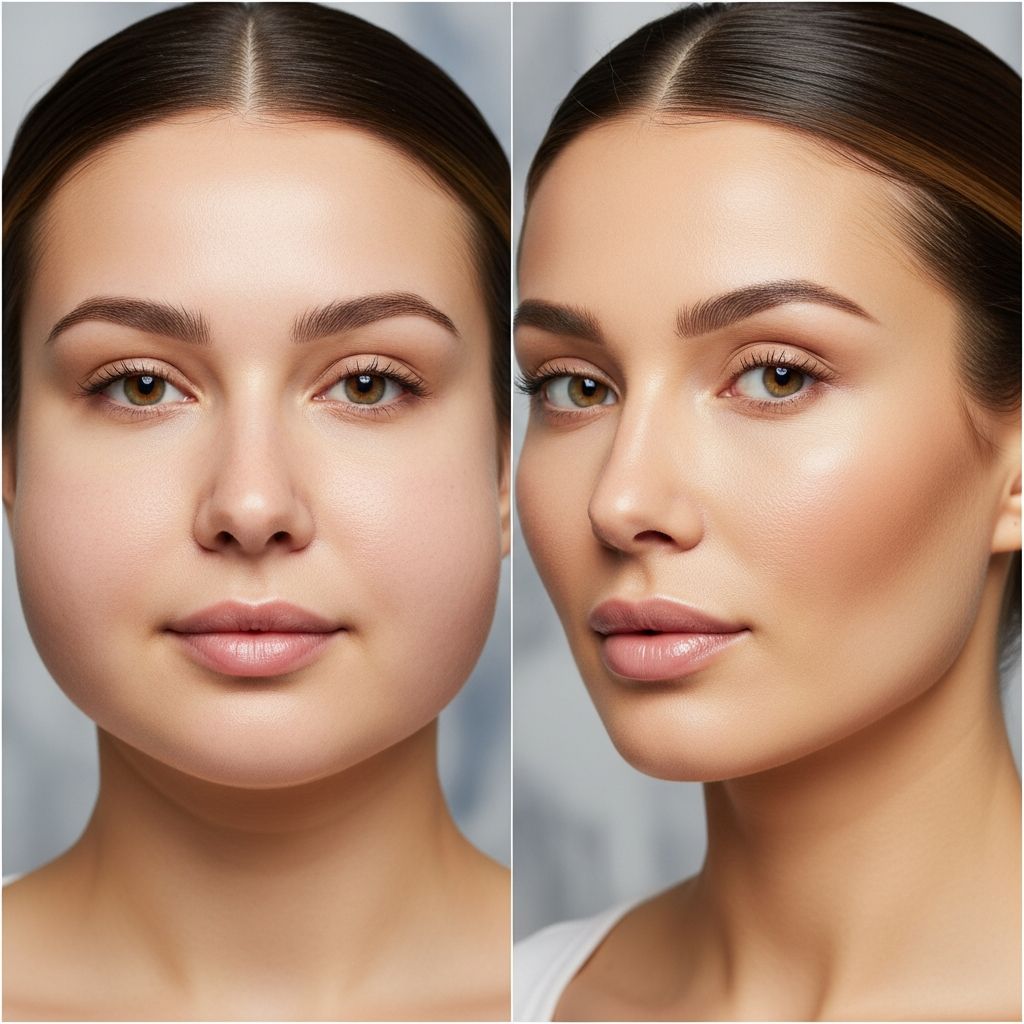
Understanding Buccal Fat Removal: A Complete Overview
Buccal fat removal, also known as cheek reduction surgery or buccal lipectomy, is a cosmetic surgical procedure designed to enhance facial contours by removing excess fat from the cheeks. This procedure targets the buccal fat pads, which are natural pouches of fatty tissue located in the hollow area of the cheeks, between the cheekbones and jawbones. Many individuals seek this procedure because they feel their face appears too full or rounded, even at a healthy weight. The goal of buccal fat removal is to thin the cheeks, specifically in the area of the cheek hollows, creating a more sculpted and defined facial appearance.
For some individuals, the size of their buccal fat pads may be naturally larger than average, contributing to an overall rounder face shape. This excess fullness can make people feel self-conscious or believe their facial features appear out of proportion. Buccal fat removal offers a relatively straightforward solution to address these concerns by selectively removing fat tissue to reveal more prominent cheekbones and hollowed facial contours.
Who Makes a Good Candidate for Buccal Fat Removal
Not everyone is an ideal candidate for buccal fat removal surgery. Understanding whether you meet the criteria for this procedure is essential before pursuing treatment. Several factors determine candidacy for this cosmetic surgery.
Ideal Candidates
The best candidates for buccal fat removal are typically younger patients, ideally young adults who appear younger than their actual age due to chubby cheeks or excess facial fullness. Individuals with naturally round or full cheeks who desire a more sculpted, defined appearance are excellent candidates. People who feel their face looks out of proportion due to cheek fullness, or those who have struggled with a “baby face” appearance well into adulthood, often benefit significantly from this procedure.
Additionally, candidates should be at a stable weight and not anticipating significant weight loss or gain in the near future, as fluctuations in body weight can alter facial proportions and the results of the surgery. Candidates should also have realistic expectations about the outcomes and understand that the procedure creates permanent changes to facial structure.
Poor Candidates
Certain individuals are not suitable candidates for buccal fat removal. People with naturally thin or narrow faces should generally avoid this procedure, as the removal of buccal fat pads can make the face appear more gaunt and aged over time. The American Society of Plastic Surgeons notes that buccal fat pad extraction surgery is typically not recommended for patients with thin, narrow faces because removing the fat may cause the face to look more skeletal as they age.
Older patients may also not be ideal candidates, as buccal fat naturally diminishes with age. Removing additional fat from an aging face that has already experienced natural fat loss could result in a prematurely aged appearance. Additionally, if you are currently overweight or anticipating significant weight loss, it may be advisable to wait until your weight stabilizes before pursuing this procedure.
The Buccal Fat Removal Surgical Procedure
Understanding what to expect during the surgical procedure can help alleviate anxiety and prepare you for the experience. Buccal fat removal is a relatively quick and straightforward surgical process.
Pre-Procedure Preparation
Before your buccal fat removal surgery, your plastic surgeon will conduct a thorough consultation to assess your facial structure, discuss your aesthetic goals, and determine how much fat should be removed. The surgeon will examine your face carefully to ensure a conservative approach, as excessive removal can result in an overly gaunt or aged appearance. Your surgeon will provide pre-operative instructions, which typically include avoiding certain medications, fasting before the procedure, and arranging for transportation home after surgery.
Related Stories



During the Procedure
Buccal fat removal is typically performed under local anesthesia or sedation as an outpatient procedure. The entire surgical process generally takes less than one hour to complete. During the surgery, the surgeon makes small incisions, approximately 2 centimeters in length, inside the cheeks near the upper molar teeth. These internal incisions are carefully positioned to ensure no visible scarring on the face.
Once the incisions are made, the surgeon gently extracts, trims, and removes the buccal fat pads based on your individual facial anatomy and aesthetic goals. The amount of fat removed is carefully calculated to achieve the desired results while maintaining natural facial proportions. The surgeon then closes the incisions with dissolvable sutures, which eliminate the need for suture removal appointments.
Combining with Other Procedures
Many patients choose to combine buccal fat removal with other facial cosmetic procedures to enhance overall results. Some popular combinations include pairing cheek reduction surgery with a facelift or rhinoplasty for comprehensive facial rejuvenation. Patients may also combine this surgical procedure with nonsurgical treatments such as Botox or injectable dermal fillers to further enhance facial contours and achieve their desired appearance.
Recovery and Results Timeline
Understanding the recovery process and timeline for seeing final results is crucial for managing expectations after buccal fat removal.
Immediate Post-Operative Period
After your buccal fat removal surgery, you can expect some bruising, soreness, and inflammation. Your cheeks will likely feel tender, and your face may appear swollen. To help manage discomfort and reduce swelling, you can apply cold compresses to your cheeks during the first few days following surgery. Your surgeon will provide specific post-operative care instructions to follow during this initial recovery phase.
Short-Term Recovery
The swelling should begin to fade within 1-2 weeks after surgery, though complete swelling resolution can take up to 3 months. During the initial recovery period, you will be instructed to eat a soft diet for several days following the procedure, then you can gradually resume your normal diet. It is important to avoid strenuous activities, excessive talking, and facial movements that could strain the incision sites during early recovery.
Because of the initial swelling, your face may appear puffy with a rounder appearance than you anticipated during the first few weeks. This can be disconcerting, but it’s a normal part of the healing process. As the swelling gradually subsides, you will begin to notice the thinning effect in your cheeks, and your face will appear progressively more contoured and defined.
Final Results
Final buccal fat removal results can take up to 3 months to become fully visible. This extended timeline allows all swelling to completely resolve and gives your facial tissues time to settle into their new contours. The results of buccal fat pad removal are permanent, as the buccal fat pads do not regenerate once surgically removed.
Potential Risks and Complications
As with any surgical procedure, buccal fat removal carries certain risks and potential complications. Working with an experienced, board-certified plastic surgeon significantly reduces these risks and helps ensure optimal cosmetic results.
Possible risks of buccal fat removal include infection, though this is rare when proper post-operative care is followed. Bleeding can occur but is typically minimal given the minimal invasiveness of the procedure. Nerve damage is another potential complication, which could temporarily or permanently affect sensation in the cheeks or lips. Asymmetry is also a possible concern, where one side of the face appears noticeably different from the other, though an experienced surgeon can minimize this risk through careful surgical technique and precise fat removal.
To minimize complications, carefully select a board-certified plastic surgeon with extensive experience performing buccal fat removal procedures. Follow all post-operative instructions meticulously, maintain good oral hygiene, and attend all follow-up appointments with your surgeon.
Nonsurgical Alternatives for Facial Fat Reduction
While buccal fat removal surgery is an effective method for permanently reducing facial fullness, several nonsurgical approaches can help reduce the appearance of excess facial fat or create a more sculpted look without undergoing surgery.
Non-Invasive Contouring Techniques
Injectable dermal fillers can be strategically placed to enhance cheekbones and create the appearance of more defined facial contours. By adding volume in specific areas, fillers can create shadow and highlight effects that make cheeks appear more sculpted. However, these results are temporary, typically lasting 6-18 months depending on the filler type, and require regular maintenance treatments.
Botox injections can also contribute to a more sculpted appearance by relaxing certain facial muscles that contribute to a fuller-looking face. Some practitioners use Botox in the lower face to subtly lift and define cheekbones, though this is an off-label use that should only be performed by experienced professionals.
Lifestyle and Dietary Approaches
Maintaining a healthy weight through balanced nutrition and regular exercise can help reduce overall facial fullness. Weight loss naturally reduces the volume of fat throughout the body, including in the face. However, this approach is gradual and may not specifically target buccal fat pads. Additionally, facial fat is often among the last areas to lose weight when dieting, and some individuals carry genetic predisposition to fuller cheeks regardless of overall body weight.
Facial Exercises and Massage
While facial exercises and massage techniques are popular nonsurgical approaches promoted for facial contouring, scientific evidence supporting their effectiveness in specifically reducing buccal fat is limited. Some people report that regular facial massage and targeted exercises may help improve circulation and provide subtle changes to facial appearance, but results are typically minimal and temporary.
Cost and Insurance Considerations
Buccal fat removal is an elective cosmetic procedure, and insurance companies do not typically cover it. You will be responsible for the entire cost of the procedure. The price depends on several factors, including the complexity of the surgery, the surgeon’s experience level, geographic location, and whether you choose to combine this procedure with other treatments.
Many plastic surgery practices offer financing plans to help make cosmetic procedures more accessible to patients. During your consultation, ask your surgeon’s office about available payment options and financing programs that might suit your budget.
Long-Term Outlook and Maintenance
The results of buccal fat removal are permanent, as the buccal fat pads do not regenerate once surgically removed. However, your overall facial appearance will continue to change naturally with age. As you age, you may experience additional fat loss in other areas of the face, which could eventually lead to a naturally more sculpted appearance without intervention.
Some patients who undergo buccal fat removal and later experience significant weight gain may find that their results are somewhat diminished, as remaining facial fat deposits may expand. Similarly, individuals who experience significant weight loss after the procedure may notice their face becomes even more defined than originally intended. Maintaining a stable weight helps preserve the intended results of your surgery.
Frequently Asked Questions
Q: Is buccal fat removal painful?
A: The procedure is performed under local anesthesia or sedation, so you should not experience pain during surgery. Post-operative soreness and discomfort are normal but manageable with prescribed pain medications and cold compresses. Most patients report that discomfort is mild to moderate.
Q: How long do I need to take off work after buccal fat removal?
A: Most patients can return to light activities and desk work within a few days to one week after surgery. However, if your job involves significant talking, facial expressions, or strenuous activity, you may want to take additional time off to allow proper healing.
Q: Will there be visible scars after buccal fat removal?
A: No, there should be no visible external scars because all incisions are made inside the mouth. Incisions should leave minimally to no noticeable bumps or lines on the inside of your mouth.
Q: Can I undergo buccal fat removal if I’m still overweight?
A: It’s generally recommended that you reach a stable weight before undergoing buccal fat removal. If you anticipate significant weight loss or gain, it’s best to wait until your weight stabilizes to ensure optimal results.
Q: What age is best for buccal fat removal?
A: Buccal fat removal works best in younger patients, ideally young adults who look younger than their age due to chubby cheeks. Older patients may not be ideal candidates as buccal fat naturally diminishes with age.
Q: Can buccal fat removal be reversed?
A: No, buccal fat removal is permanent. The buccal fat pads do not regenerate once surgically removed. This is why choosing an experienced surgeon and having realistic expectations is crucial.
References
- Buccal Fat Removal — American Society of Plastic Surgeons. https://www.plasticsurgery.org/cosmetic-procedures/buccal-fat-removal
- Buccal Fat Removal New Orleans – Audubon Facial Plastic Surgery — Audubon Facial Plastic Surgery. https://www.audubonfacialplastics.com/plastic-surgery/buccal-fat-removal/
- Buccal Fat Removal in NYC, New York & Long Island — Lips Plastic Surgery. https://www.lipsg.com/face/buccal-fat-removal/
- Buccal Fat Removal: What It Is, Recovery & Before & After — Cleveland Clinic. https://my.clevelandclinic.org/health/treatments/23396-buccal-fat-removal
- Am I A Good Candidate for Buccal Fat Removal? — Paquet Plastic Surgery. https://paquetplasticsurgery.com/am-i-a-good-candidate-for-buccal-fat-removal/
Similar Articles








Read full bio of medha deb