Buccal Fat Removal: Procedure, Benefits & Recovery
Complete guide to buccal fat removal surgery: benefits, candidacy, procedure steps, and recovery.
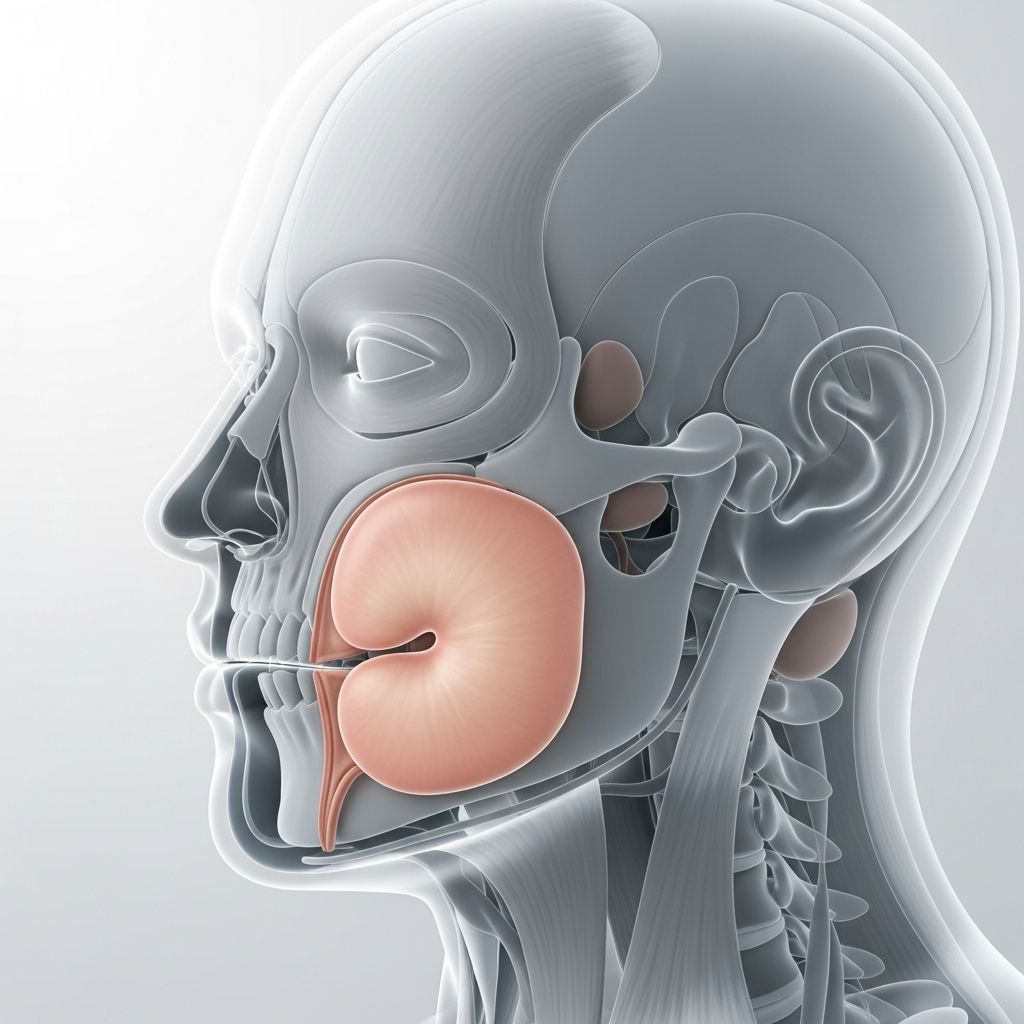
Buccal Fat Removal: Enhance Your Facial Contours
Buccal fat removal is a cosmetic surgical procedure designed to enhance facial definition and create a more sculpted appearance by reducing the fullness in the lower cheeks. The buccal fat pads are naturally occurring pockets of fatty tissue located in the midface region. For some individuals, excess buccal fat can create an overly round or youthful ”baby-faced” appearance that they wish to modify. While general weight loss may reduce fat in various areas of the body, it often fails to diminish cheek fullness, making buccal fat removal an effective targeted solution for achieving the facial contours you desire.Buccal fat pad extraction or buccal fat removal is a plastic surgery procedure that removes a piece of buccal fat-pad tissue from each side of the face. This procedure offers patients a way to achieve lasting facial refinement and enhanced confidence in their appearance.
What Is Buccal Fat Removal?
Buccal fat removal is a minimally invasive cosmetic surgery that specifically targets the buccal fat pads located beneath the cheekbones. These fat pads are a normal anatomical feature of the face, but when they are more prominent, they can contribute to a fuller, rounder facial appearance. By strategically removing or reducing these fat pads, surgeons can create more pronounced cheekbones, define the jawline, and provide the face with a sharper, more contoured look.
The procedure is particularly popular among individuals seeking to achieve a more sculpted facial structure without undergoing extensive surgical interventions. Since the buccal fat pads do not regenerate once removed, the results of this procedure are permanent, making it an attractive option for those committed to long-term facial contouring changes.
Key Benefits of Buccal Fat Removal
Patients considering buccal fat removal can expect several significant advantages:
- Enhanced Facial Contours: The procedure expertly sculpts the cheeks, creating a more refined and defined facial appearance that many find aesthetically pleasing.
- Long-Lasting Results: Once the buccal fat is removed, it does not regenerate, ensuring permanent results that continue to benefit patients for years to come.
- Minimally Invasive Approach: The procedure is performed through small, discreet incisions made inside the mouth, typically near the inner cheeks, which means there are no visible external scars.
- Boosted Confidence: Patients often experience increased self-confidence following the procedure as they achieve their desired facial profile and more sculpted appearance.
- Quick Procedure: The surgery typically takes approximately 30 minutes to complete, making it a convenient option for busy individuals.
- Minimal Downtime: As a minimally invasive procedure, patients can return to their daily activities relatively quickly compared to more extensive facial surgeries.
Am I a Good Candidate for Buccal Fat Removal?
Determining whether you are an ideal candidate for buccal fat removal requires careful consideration of several factors. During a comprehensive consultation with a qualified plastic surgeon, your facial anatomy will be evaluated, and your aesthetic goals will be discussed to ensure the procedure aligns with your expectations.
Ideal Candidate Characteristics
You may be a good candidate for buccal fat removal if you:
- Feel self-conscious about overly full or rounded cheeks that concern you
- Maintain a stable weight and are in good overall health
- Have realistic expectations about the outcomes of the procedure
- Desire a permanent solution to enhance your facial contours
- Have adequate facial fullness that warrants fat removal without risking a hollowed appearance
- Are seeking a more defined jawline or more pronounced cheekbones
Important Considerations
Buccal fat removal may not be the optimal choice for individuals with naturally thin faces or those who lack sufficient facial fullness. Removing too much fat in these cases can lead to a gaunt, shrunken, or prematurely aged appearance over time, which could result in aesthetic dissatisfaction. Your surgeon will carefully assess your facial structure during your consultation to ensure that the procedure will achieve harmonious and natural-looking results specific to your unique anatomy.
The Buccal Fat Removal Procedure Explained
Understanding the step-by-step process of buccal fat removal can help you feel more informed and confident about your decision. This relatively straightforward procedure is typically performed at an outpatient surgical facility under controlled conditions to ensure patient safety and comfort.
Related Stories



Step-by-Step Procedure Overview
Step 1: Consultation and Planning
Your journey begins with an in-depth one-on-one consultation with your plastic surgeon. During this important meeting, the surgeon will evaluate your facial anatomy in detail, listen to your aesthetic goals, and discuss whether buccal fat removal is the right procedure for you. The surgeon will explain the entire process, answer your questions, and help determine if the procedure aligns with your desired results. Digital imaging or facial analysis may be used to show you potential outcomes.
Step 2: Anesthesia Administration
The procedure is typically performed under local anesthesia with sedation, or alternatively, general anesthesia may be used depending on your comfort level, the extent of the surgery, and your surgeon’s recommendation. Your anesthesia choice will be discussed during your pre-operative consultation to ensure your safety and comfort throughout the procedure.
Step 3: Incision Placement
Your surgeon makes small, strategically placed incisions inside the mouth, near the inner cheeks or toward the back of the oral cavity. This intraoral approach is one of the key advantages of buccal fat removal, as it ensures there are no visible scars on the external face. The placement is carefully chosen to provide adequate access while maintaining the structural integrity of surrounding tissues.
Step 4: Fat Pad Removal
Through the incisions, your surgeon carefully identifies and isolates the buccal fat pads. Using specialized techniques, the surgeon gently teases out a precise amount of buccal fat while applying controlled external pressure. The exact amount removed is customized to your individual facial structure and aesthetic goals to achieve balanced, natural-looking results. The fat is then cauterized at its base to prevent complications, and any excess is carefully trimmed.
Step 5: Incision Closure
The incisions are closed using dissolvable sutures, which eliminate the need for suture removal appointments. Because the procedure is minimally invasive, downtime is typically short, and most patients can return to their daily activities relatively quickly with proper post-operative care.
What to Expect During Recovery
Recovery from buccal fat removal is generally straightforward and involves minimal discomfort. Understanding what to expect during the healing process can help you prepare adequately and follow appropriate post-operative care instructions.
Recovery Timeline and Expectations
| Recovery Phase | Timeline | What to Expect |
|---|---|---|
| Immediate Post-Op | Days 1-3 | Mild swelling and discomfort around cheek area; numbness or slight tingling may occur |
| Early Recovery | Days 3-7 | Gradual reduction in swelling; soft food or liquid diet recommended; mild bruising may appear |
| Intermediate Recovery | Week 2-4 | Most swelling subsides; can resume normal diet; return to regular activities |
| Full Results | 3-6 months | All swelling resolves; final contours become fully visible and apparent |
Post-Operative Care Guidelines
To promote optimal healing and achieve the best results from your buccal fat removal procedure, follow these important care recommendations:
- Dietary Modifications: Maintain a soft or liquid diet for approximately one week to avoid irritating the incision sites inside your mouth. Gradually return to normal foods as healing progresses.
- Pain Management: Take prescribed pain medications as directed by your surgeon. Most patients experience only mild discomfort that responds well to over-the-counter pain relievers after the first few days.
- Swelling Reduction: Apply ice packs to the cheek area during the first 48 hours to minimize swelling. Keep your head elevated, especially while sleeping, to reduce fluid accumulation.
- Oral Hygiene: Gently rinse with salt water after meals to keep the incision area clean without disturbing the healing process.
- Physical Activity: Avoid strenuous exercise and heavy lifting for at least one week. Most patients can resume normal activities within a few days.
- Follow-Up Care: Attend all scheduled follow-up appointments with your surgeon to ensure proper healing and address any concerns.
Potential Risks and Complications
While buccal fat removal is generally considered a safe procedure when performed by a qualified plastic surgeon, like all surgical interventions, it carries certain potential risks. These may include infection, excessive bleeding, nerve injury, asymmetrical results, or over-removal of fat leading to a gaunt appearance. Choosing an experienced, board-certified plastic surgeon significantly reduces the likelihood of complications. During your consultation, your surgeon will discuss these risks in detail and explain the measures taken to minimize them.
Results and Longevity
One of the most appealing aspects of buccal fat removal is the permanence of its results. Once the buccal fat pads are removed, they do not regenerate or return. However, natural aging processes and significant weight fluctuations may still affect overall facial appearance over time. The improvements in facial definition and cheek contours achieved through buccal fat removal typically last a lifetime, making this a worthwhile investment in your appearance.
Frequently Asked Questions
Q: How long does the buccal fat removal procedure take?
A: The procedure typically takes approximately 30 minutes to one hour to complete, depending on the extent of fat removal and individual anatomy.
Q: Will there be visible scars after buccal fat removal?
A: No, because the incisions are made inside the mouth, there are no visible external scars on the face.
Q: How soon can I return to work after buccal fat removal?
A: Most patients can return to work and normal daily activities within a few days, though this depends on the nature of your work and individual healing.
Q: Can buccal fat removal be combined with other procedures?
A: Yes, buccal fat removal is often performed alongside facelift, chin implant, neck lift, chin liposuction, or fat grafting procedures to enhance overall facial definition.
Q: Are the results of buccal fat removal permanent?
A: Yes, the results are permanent because buccal fat pads do not regenerate once removed. However, natural aging and significant weight changes may still affect overall facial appearance.
Q: What is the cost of buccal fat removal?
A: Costs vary depending on your surgeon’s experience, location, and surgical facility. Buccal fat removal is typically considered an elective cosmetic procedure and may not be covered by insurance.
Q: Is buccal fat removal painful?
A: The procedure itself is not painful due to anesthesia. Post-operative discomfort is typically mild and manageable with prescribed or over-the-counter pain medications.
References
- Buccal Fat Pad Extraction — Wikipedia. Accessed December 2025. https://en.wikipedia.org/wiki/Buccal_fat_extraction
- Buccal Fat Removal Dallas — J. Hopkins Plastic Surgery. Accessed December 2025. https://drjhopkins.com/procedures/buccal-fat-removal-dallas/
- Buccal Fat Removal NYC — Dr. Mansher Singh, Plastic Surgery. Accessed December 2025. https://www.manshersinghmd.com/face/buccal-fat-removal/
- Buccal Fat Removal in Palo Alto — Graw Beauty. Accessed December 2025. https://www.grawbeauty.com/face/buccal-fat-removal/
- Buccal Fat Removal in Pembroke Pines — Dr. Pablo Baltodano. Accessed December 2025. https://drpablobaltodano.com/buccal-fat-removal/
Similar Articles








Read full bio of medha deb