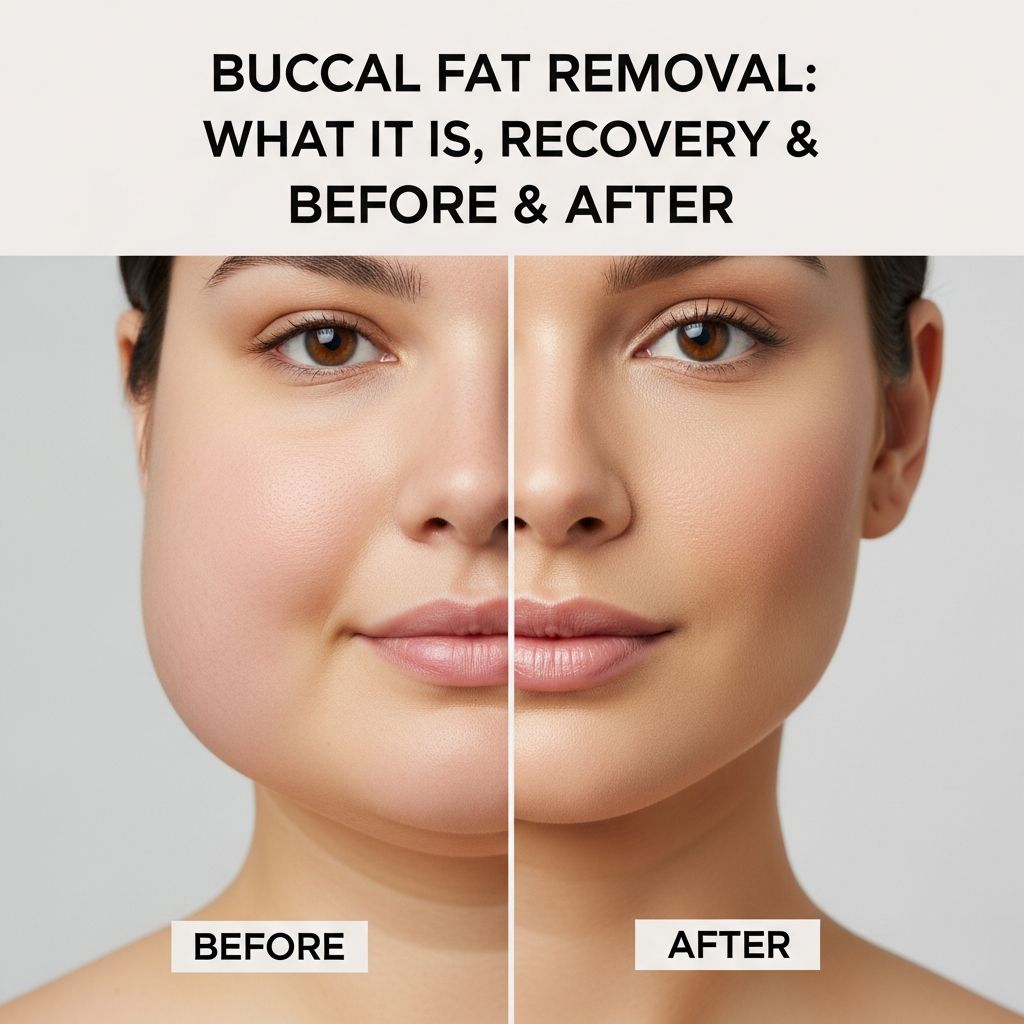
Buccal Fat Removal: What It Is, Recovery & Before & After
Complete guide to buccal fat removal surgery: procedure details, recovery timeline, and expected results.
Understanding Buccal Fat Removal
Buccal fat removal, also known as buccal lipectomy or cheek reduction, is a cosmetic surgical procedure designed to enhance facial contours by removing excess fat from the cheeks. This procedure targets the buccal fat pads, which are located between your cheekbones and jawbones and contribute significantly to the overall shape of your face. By removing these fat deposits, the surgery can help highlight your bone structure, particularly your cheekbones and the hollowed-out areas between your cheeks and jawline, creating a more defined and sculpted facial appearance.
Everyone has buccal fat pads, but the prominence of these fat deposits varies considerably from person to person. Genetics play a substantial role in determining the size and visibility of your buccal fat pads, which means that diet and exercise alone cannot significantly reduce their appearance. This genetic component makes buccal fat removal an appealing option for individuals who feel self-conscious about their fuller cheeks but cannot achieve their desired results through conventional weight loss methods.
What Does Buccal Fat Removal Accomplish?
Buccal fat removal serves several aesthetic purposes for patients seeking facial enhancement. The primary goals of this procedure include:
- Enhanced facial definition: Reducing the volume of buccal fat pads helps create more defined contours in the cheeks and lower face, resulting in a more chiseled and angular appearance.
- Highlighted cheekbones: By removing excess fat, the procedure allows your natural cheekbone structure to become more prominent and visible.
- Improved facial proportions: The surgery creates balanced, aesthetically pleasing facial proportions for individuals with prominent buccal fat pads.
- Sculpted appearance: Patients can achieve the more sculpted and defined facial appearance they desire through this minimally invasive procedure.
- Increased confidence: For individuals self-conscious about their facial appearance, buccal fat removal can be a transformative procedure, leading to increased self-confidence and improved quality of life.
The Buccal Fat Removal Procedure
Understanding exactly what happens during your buccal fat removal surgery can help you feel more prepared and confident about your decision to undergo the procedure.
Anesthesia and Incision Placement
Buccal fat removal is typically performed under local anesthesia with optional sedation or general anesthesia, depending on your preference and your surgeon’s recommendation. The entire procedure usually takes less than one hour to complete. The surgeon begins by making a small incision inside your cheek, hidden entirely within the mouth. This intraoral approach ensures there are no visible external scars, making it highly appealing to patients concerned about visible surgical marks.
Before making the incision, the surgeon locates the Stenson duct, which is the opening of the parotid gland into your mouth, ensuring this important structure is protected during the procedure. The surgeon then makes a shallow horizontal cut in the lining of your cheek, typically about 1.5 centimeters in length, using a retractor tool to hold your cheek open and provide clear access to the buccal fat pad.
Fat Pad Removal
Once the surgeon gains access to the buccal fat pad area, they carefully expose the yellow fat pad and proceed with gentle removal. The amount of fat removed is carefully controlled, typically involving the removal of approximately 3-5 cubic centimeters of fat. This precise amount ensures that results appear natural and balanced rather than creating an overly hollowed or gaunt appearance. The surgeon works carefully to avoid applying too much pressure to nearby structures, maintaining the integrity of surrounding tissues and nerves.
Related Stories



Closure and Recovery
After the appropriate amount of fat has been removed, the surgeon closes the incision using absorbable sutures, which dissolve naturally over time. These dissolvable stitches eliminate the need for suture removal in a follow-up appointment. Since the incision is made entirely inside the mouth, no external scars result from this procedure, making it an excellent option for those concerned about visible surgical marks.
Before Your Procedure: Preparation Steps
Proper preparation is essential for ensuring a successful outcome and smooth recovery from your buccal fat removal surgery. Your healthcare provider will guide you through specific preparation steps tailored to your individual health status.
Medical Evaluation
You may need a medical evaluation or lab testing to ensure you are healthy enough for surgery. Your surgeon may require clearance from your primary care physician or specialist before scheduling your procedure to verify that you have no underlying conditions that could complicate surgery or recovery.
Medication and Supplement Management
It is critically important to inform your surgeon of all medications you are currently taking, including over-the-counter drugs, supplements, and herbal remedies. Some medications and supplements can increase bleeding risk or interact with anesthesia, so your surgeon may ask you to discontinue certain medications before your surgery date.
Arrangement for Transportation and Support
Depending on the type of anesthesia used, you may need to arrange for someone to drive you to and from your surgical appointment and stay with you for at least the first night following the procedure. You should not drive yourself home after surgery, as the effects of sedation or anesthesia could impair your judgment and reaction time.
The Consultation Process
Before surgery, you will have a consultation appointment with your surgeon during which they will conduct a thorough examination of your facial structure and discuss your aesthetic goals. Your surgeon will take time to listen to your concerns, answer your questions, explain the procedure in detail, and outline the potential risks and benefits. This consultation is your opportunity to ensure you and your surgeon have a clear shared understanding of your desired outcomes.
Recovery After Buccal Fat Removal
Understanding the recovery process helps set realistic expectations about what to anticipate following your surgery.
Immediate Recovery Timeline
Buccal fat removal is an outpatient procedure, meaning you will go home the same day as your surgery. Patients typically recover within a week following the procedure, allowing them to return to normal activities relatively quickly. However, the first few days may involve some swelling, bruising, and mild discomfort as your body begins the healing process.
Post-Operative Care
Your surgeon will provide specific post-operative instructions to promote optimal healing. These instructions typically include guidance on managing swelling and discomfort, maintaining proper oral hygiene without disturbing the surgical sites, and avoiding certain foods or activities that could compromise your recovery. Following your surgeon’s post-operative instructions carefully is essential for achieving the best possible results and minimizing complications.
Return to Normal Activities
Most patients can resume their regular activities within a week of surgery, though the exact timeline may vary depending on your individual healing process and the extent of the procedure. Strenuous activities and heavy exercise should be postponed for at least one to two weeks following surgery to avoid increasing swelling and compromising healing.
Results and Long-Term Outcomes
Understanding what results to expect can help you make an informed decision about whether buccal fat removal is right for you.
Permanence of Results
The results of buccal fat removal are permanent. Once the buccal fat pads are removed, they do not regenerate or grow back. This permanence makes buccal fat removal a long-term solution for facial contouring, distinguishing it from temporary cosmetic procedures like dermal fillers or Botox injections.
Natural Appearance
Buccal fat removal is designed to create subtle changes in facial appearance rather than dramatic transformations. The procedure produces natural-looking results when performed by an experienced surgeon who carefully removes an appropriate amount of fat tailored to your unique facial structure and aesthetic goals. The goal is to enhance your natural bone structure and create balanced facial proportions, not to create an artificially sculpted appearance.
Aging Considerations
Some patients may have concerns about the potential long-term impact of buccal fat removal on facial aging, as buccal fat pads can lose volume over time and contribute to a more hollow or gaunt appearance as we age. However, many surgeons believe that the short-term cosmetic benefits of the procedure often outweigh these concerns, particularly for younger patients seeking facial definition. Some patients choose to combine buccal fat removal with dermal fillers or other procedures to maintain a youthful appearance as they age.
Risks and Complications
Like all surgical procedures, buccal fat removal carries potential risks and complications that you should understand before proceeding.
Possible risks associated with buccal fat removal include:
- Infection: Although rare, infection can occur at the incision site.
- Bleeding: Minor bleeding is common after surgery, but excessive bleeding is uncommon when performed by an experienced surgeon.
- Nerve damage: The facial nerves located near the surgical site could potentially be affected, though this is rare.
- Asymmetry: If too much or too little fat is removed from one side, facial asymmetry may result.
Working with an experienced, board-certified plastic surgeon is the best way to reduce surgical risks and achieve optimal cosmetic results. Choosing a qualified surgeon who has extensive experience performing buccal fat removal significantly minimizes the likelihood of complications.
Who Is an Ideal Candidate?
Ideal candidates for buccal fat removal typically share certain characteristics. Patients who want to slim their face, highlight their cheekbones, and create a more chiseled look may be ideal candidates for buccal fat removal. You should have realistic expectations about what the procedure can accomplish and be motivated by personal aesthetic goals rather than external pressure. Additionally, candidates should be in generally good health and have no medical conditions that could complicate surgery or recovery.
Surgical Facility Options
Buccal fat removal can be performed in multiple settings depending on your surgeon’s recommendation and your preferences. The procedure can be done in a hospital, a licensed ambulatory surgery setting, or an in-office procedure room in your surgeon’s office. All settings must maintain appropriate safety standards, sterilization protocols, and emergency equipment to ensure patient safety throughout the procedure.
Combining Buccal Fat Removal With Other Procedures
Many patients choose to combine buccal fat removal with complementary cosmetic procedures to achieve more comprehensive facial rejuvenation. Common combinations include buccal fat removal with dermal fillers, facial liposuction with skin tightening, or surgical contouring with non-surgical treatments. Discussing combination procedures with your surgeon during your consultation can help you determine the optimal approach for your specific aesthetic goals.
Frequently Asked Questions
How long does buccal fat removal take?
The entire surgical procedure is typically completed in less than one hour, often taking around 30 minutes. This makes it a quick outpatient procedure that fits easily into most patients’ schedules.
Will buccal fat removal leave visible scars?
No, the procedure leaves no visible scars because the incision is made entirely inside the mouth. This intraoral approach makes buccal fat removal particularly appealing to patients concerned about external scarring.
How long does recovery take?
Most patients recover within a week following the procedure, though you may experience some swelling and bruising during the initial recovery period. You can typically return to normal activities within a week, though strenuous exercise should be avoided for one to two weeks.
Are the results permanent?
Yes, the results of buccal fat removal are permanent. Once the buccal fat pads are removed, they do not regenerate, making this a long-term solution for facial contouring.
What is the typical amount of fat removed?
The surgeon typically removes approximately 3-5 cubic centimeters of fat from each buccal fat pad, though the exact amount depends on your individual facial structure and aesthetic goals.
Can I have buccal fat removal performed under local anesthesia?
Yes, buccal fat removal can be performed under local anesthesia alone, or combined with IV sedation or general anesthesia, depending on your preference and your surgeon’s recommendation.
What should I avoid before surgery?
You should inform your surgeon of all medications, supplements, and herbal remedies you are taking, as some may need to be discontinued before surgery. Avoid smoking and alcohol consumption before your procedure, as these can affect healing and increase bleeding risk.
Can men have buccal fat removal?
Yes, buccal fat removal is appropriate for both men and women seeking facial contouring and enhanced cheekbone definition.
Choosing Your Surgeon
Selecting an experienced, board-certified plastic surgeon is crucial for achieving optimal results and minimizing risks. Your surgeon should have extensive experience performing buccal fat removal and be able to demonstrate before and after photos of previous patients. During your consultation, discuss your goals, concerns, and expectations openly with your surgeon to ensure you are comfortable with their approach and confident in their ability to achieve your desired results.
References
- Buccal Fat Removal: Surgical Technique and Patient Outcomes — Dr. Gregory Fedele, The Art of Plastic Surgery. 2024. https://www.drfedele.com/plastic-surgery-cleveland/face/buccal-fat-removal/
- Buccal Fat Removal: The Latest Cosmetic Surgery Trend — Medical Xpress. 2023-01-15. https://medicalxpress.com/news/2023-01-buccal-fat-latest-cosmetic-surgery.html
- Buccal Fat Removal: Procedure Overview and Outcomes — Plastic Surgery Institute of New York. 2024. https://www.lipsg.com/face/buccal-fat-removal/
- Buccal Fat Removal Treatment Guide — Cleveland Clinic. 2024-11-20. https://my.clevelandclinic.org/health/treatments/23396-buccal-fat-removal
- Buccal Fat Removal: Social Media Trend Reshaping Facial Contouring — Eden Plastic Surgery. 2024. https://www.edenplasticsurgery.com/blog/buccal-fat-removal-the-social-media-trend-thats-reshaping-facial-contouring/
- Cheek Reduction Surgery: Buccal Fat Reduction in Cleveland — Frankel Facial Plastic Surgery. 2024. https://www.clevelandfacialplastics.com/facial-plastic-surgery/buccal-fat-reduction/
Similar Articles








Read full bio of Sneha Tete