Buccal Mucosa Cancer: Symptoms, Causes & Treatment
Understanding inner cheek cancer: early signs, risk factors, and effective treatment options.
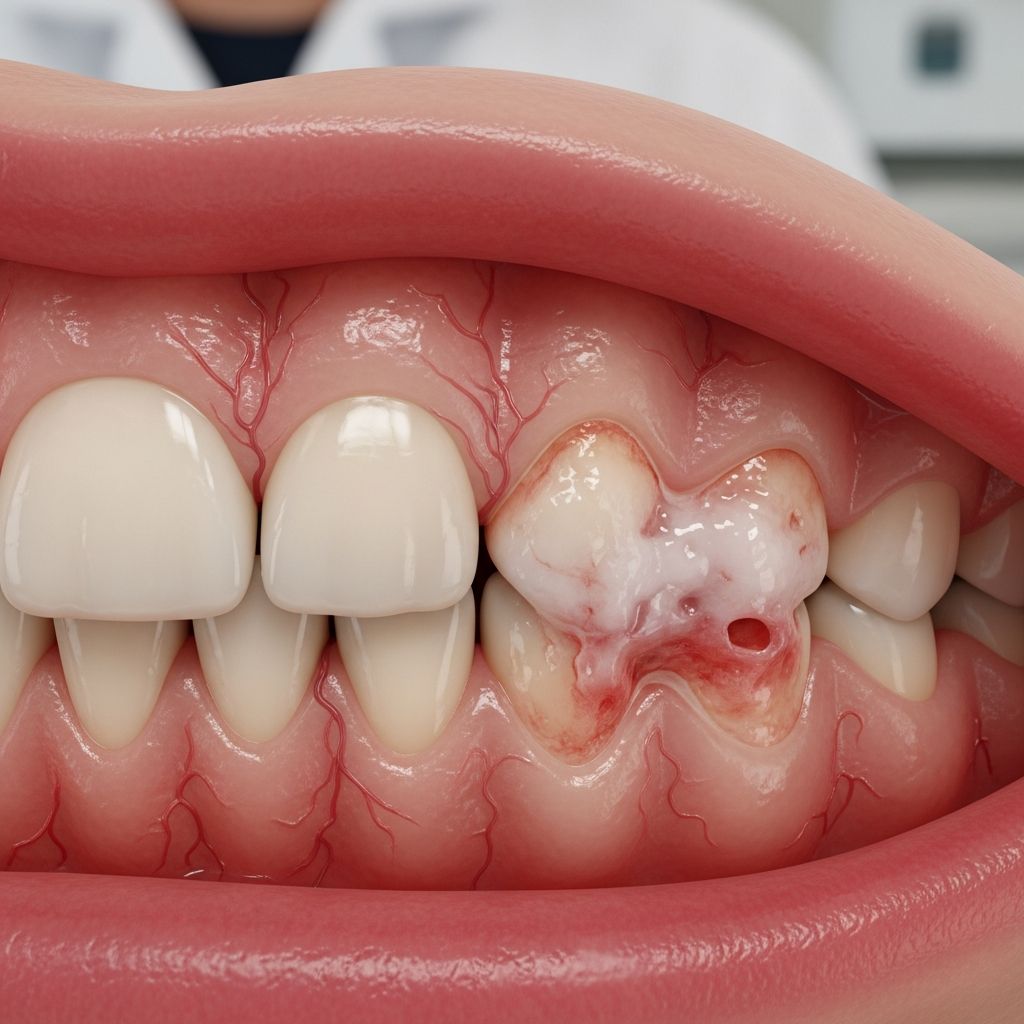
What Is Buccal Mucosa Cancer?
Buccal mucosa cancer, also known as inner cheek cancer, is a rare type of head and neck cancer that develops in the inner lining of your cheek. This cancer begins when cells in the buccal mucosa grow out of control and form lesions or tumors. The buccal mucosa refers to the soft tissue lining the inside of your mouth, extending from your lips and cheeks to just behind your last teeth. This delicate mucous membrane is made up of several layers of tissue and serves important functions, including supporting your mouth when eating and chewing, while also providing a barrier against infections and chemicals in your diet.
Most cases of buccal mucosa cancer are classified as squamous cell carcinoma, meaning they develop in the thin, flat cells called squamous cells that make up the top layer of the buccal mucosa and other parts of the mouth. It’s important to note that cancer on the outer cheeks is considered skin cancer, not buccal mucosa cancer. This distinction is crucial for proper diagnosis and treatment planning.
Understanding Your Buccal Mucosa
The buccal mucosa is a vital part of your oral cavity that often goes unnoticed until problems arise. This mucous membrane maintains moisture in your mouth and protects the underlying tissue from damage. Understanding its structure and function helps explain why cancers developing here can be particularly serious, as the location affects both eating and speaking abilities. The tissue’s accessibility to examination makes regular dental checkups an important preventive measure.
Types of Buccal Mucosa Cancer
Squamous Cell Carcinoma is by far the most common type of buccal mucosa cancer. Early-stage buccal mucosa cancer that only involves the top layer of cells is called carcinoma in situ. As the cancer progresses, it can become invasive, penetrating into deeper tissues beneath the surface. When cancer spreads beyond the original site to other parts of your body, it’s called metastatic cancer. Understanding which type and stage of cancer you have is essential for determining the most appropriate treatment approach.
Early Signs and Symptoms
Early detection of buccal mucosa cancer significantly improves treatment outcomes. Early signs that warrant attention include symptoms lasting two weeks or more:
- White, red, or dark patches in the mouth
- A lump inside cheek tissue
- Mouth pain or numbness
- Soreness or a feeling that something is caught in your throat
- Sores, raised patches, or bleeding in your mouth
If the cancer grows larger or spreads to surrounding tissues or lymph nodes, you may experience additional symptoms:
- Difficulty moving your jaw
- Severe ear pain
- Hoarseness
- Loose teeth or pain around your teeth
- Dentures that no longer fit properly
- Jaw pain or swelling
- Unexplained pain or numbness around the mouth, neck, or face
- Frequent bleeding in the mouth
- Chronic bad breath
- Painful or difficult swallowing
Related Stories



Your dentist may be the first to notice changes in your buccal mucosa tissue during a routine checkup. If your dentist suspects cancer, they’ll refer you to a healthcare provider for further testing and evaluation.
Risk Factors and Causes
Exposure to harmful substances is the primary cause of buccal mucosa cancer. Understanding your risk factors can help you take preventive action:
Major Risk Factors
- Tobacco use: Using tobacco products in any form significantly increases cancer risk
- Alcohol consumption: Regularly drinking too much alcohol increases chances for developing inner cheek cancer
- Age: The risk of oral cancer increases with age, with the condition being more common in people over 40
Additional Risk Factors
Other factors that may increase your risk of buccal mucosa cancer include:
- Human papillomavirus (HPV) infection, though its role in buccal mucosa cancer isn’t as clear as in other oral cancers
- Poor oral hygiene
- Chronic irritation from ill-fitting dentures
- Genetic predisposition
- Weakened immune system
The combination of tobacco and alcohol use creates a particularly high-risk situation, as these substances work synergistically to increase cancer development risk.
Diagnosis and Testing
If your healthcare provider suspects buccal mucosa cancer, they will recommend further testing, including:
- Oral examination: Visual and tactile examination of the mouth
- Biopsy: Removal of tissue samples for microscopic examination
- Imaging tests: CT scans, MRI, or PET scans to determine the extent of cancer spread
- Endoscopy: Visual examination using a thin, lighted tube
Cancer Grading
The grade of a cancer tumor is based on the results of the biopsy, which assesses the shape and structure of cells compared to surrounding normal, healthy cells. Grading helps your healthcare provider understand how aggressively the cancer is likely to behave.
Grades of Buccal Mucosa Cancer
Cancer grades range from 1 to 3, with higher grades indicating more aggressive cancers:
- Grade 1 (Low-grade): Cells look similar to normal cells and grow slowly
- Grade 2 (Intermediate-grade): Cells look somewhat abnormal and grow at a moderate rate
- Grade 3 (High-grade): Cells look very abnormal and grow rapidly
Cancer Staging
Cancer staging uses categories to help your healthcare provider understand how severe the cancer is and how to treat it. Stages range from 1 to 4, with stage 1 being the least advanced and stage 4 being the most advanced. A stage 1 tumor is small, with no lymph node involvement or metastases. Higher stages include different combinations of tumor size, lymph node involvement, and spread to distant organs.
Oral cancers are staged using the TNM system:
- T stands for the size and location of the primary tumor
- N indicates if the tumor has spread to your lymph nodes
- M indicates if the tumor has metastasized or spread to other areas of your body
Treatment Options
Your healthcare provider will develop a treatment plan based on your diagnosis and the cancer grade and stage. The goals of treatment are to cure the cancer, preserve your appearance and the functions of your mouth, and prevent the cancer from returning. Inner cheek cancer is highly curable when diagnosed early.
Primary Treatment: Surgery
Surgery is usually the primary treatment for buccal mucosa cancer. Your surgeon will remove as much of the tumor as possible using techniques that aim to minimize harm to surrounding tissues and protect the functioning of your mouth. For buccal mucosa cancer specifically, your surgeon may perform a buccal resection, which removes part of the inner cheek tissue. This surgery is often done through the mouth and closed with stitches. However, if the tumor extends deeply into the tissue, you might need a more involved procedure, possibly with reconstruction using a skin graft.
Additional Therapies
Your provider may recommend additional therapies after surgery to prevent the tumor from returning, including:
- Radiation therapy: Uses high-energy beams to destroy cancer cells and may be the only treatment needed for some patients
- Chemotherapy: Uses powerful drugs to attack cancer cells throughout the body, administered alone or with other treatments
- Targeted drug therapy: Targeted drugs such as Cetuximab work by blocking certain actions that fuel oral cancer growth
If the cancer is more advanced, radiation, chemotherapy, or both may be used to shrink the tumor before or after surgery to reduce the risk of cancer recurrence. The extent and depth of the cancer guides your specific treatment plan.
Prognosis and Survival Rates
Early detection is essential for this type of cancer. The earlier you detect the cancer, the better your prognosis. However, even with early detection, the prognosis for this condition isn’t particularly favorable. A study of 30 people with buccal mucosa cancer found that 53% of them were alive five years after treatment, and in about half of the people, the cancer returned. This is a small study and may not reflect your individual outlook, as survival rates depend on many factors including cancer stage at diagnosis, overall health, age, and treatment response.
Prevention and Early Detection
You can significantly reduce your risk of buccal mucosa cancer by making certain lifestyle choices:
- Avoid heavy alcohol use
- Quit smoking
- Discontinue use of other tobacco products
- Maintain good oral hygiene
- Schedule routine dental visits
Routine dental visits are particularly important, as they help you detect any changes in the lining of your mouth early, when cancer is most treatable. Talk to your dentist or healthcare provider if you notice any sores, raised patches, or bleeding in your mouth that lasts longer than two weeks.
When to Seek Medical Attention
Contact your healthcare provider if you experience persistent symptoms in your mouth lasting more than two weeks. Don’t dismiss unusual changes as minor irritations. Buccal mucosa cancer is a type of cancer that starts in your mouth and can be fatal if left untreated. If you use tobacco or alcohol, talk to your provider about how you can cut back or quit—they can suggest programs and tips for quitting.
Frequently Asked Questions
Q: How common is buccal mucosa cancer?
A: Buccal mucosa cancer is considered a rare cancer. However, cases may be underdiagnosed due to late detection, as early lesions are often missed during routine examinations.
Q: Can buccal mucosa cancer be cured?
A: Inner cheek cancer is highly curable when diagnosed early. The cure rates decrease significantly as the cancer advances to higher stages, emphasizing the importance of early detection.
Q: What is the difference between buccal mucosa cancer and other oral cancers?
A: Buccal mucosa cancer specifically develops in the inner cheek lining, while oral cancer is a broader category including cancers in the lips, tongue, hard palate, and other mouth structures. Cancer on the outer cheeks is classified as skin cancer, not buccal mucosa cancer.
Q: Are there genetic factors that increase buccal mucosa cancer risk?
A: While tobacco and alcohol use are the primary risk factors, some genetic factors may predispose certain individuals to oral cancers. Discuss your family history with your healthcare provider.
Q: How often should I have dental checkups to screen for buccal mucosa cancer?
A: Most healthcare providers recommend routine dental visits at least twice yearly. If you have risk factors like tobacco or heavy alcohol use, your dentist may recommend more frequent visits.
Q: Will I lose my ability to eat or speak after buccal mucosa cancer treatment?
A: Treatment aims to preserve your appearance and the functions of your mouth. While some changes may occur, modern surgical techniques and reconstructive procedures help minimize functional loss. Your healthcare team will discuss expectations during treatment planning.
References
- Buccal Mucosa Cancer | Inner Cheek Cancer — Memorial Sloan Kettering Cancer Center. 2024. https://www.mskcc.org/cancer-care/types/mouth/types-mouth/inner-cheek-cancer-buccal-mucosa
- Buccal Mucosa Cancer: Symptoms, Causes & Treatment — Cleveland Clinic. 2024. https://my.clevelandclinic.org/health/diseases/23423-buccal-mucosa-inner-cheek-cancer
- Oral Cancer Surgery: Types and What to Expect — WebMD. 2024. https://www.webmd.com/cancer/oral-cancer-surgery
- Oral Cavity (Mouth) Cancer Treatment Information — H. Lee Moffitt Cancer Center & Research Institute. 2024. https://www.moffitt.org/cancers/oral-cavity-mouth-cancer/
- Oral Cancer: Causes, Symptoms & Treatment — Cleveland Clinic. 2024. https://my.clevelandclinic.org/health/diseases/11184-oral-cancer
Similar Articles








Read full bio of Sneha Tete