Buckwheat Benefits: 7 Science-Backed Health Advantages
Discover the impressive health benefits of buckwheat, a gluten-free superfood packed with fiber, antioxidants, and nutrients for heart health, digestion, and more.
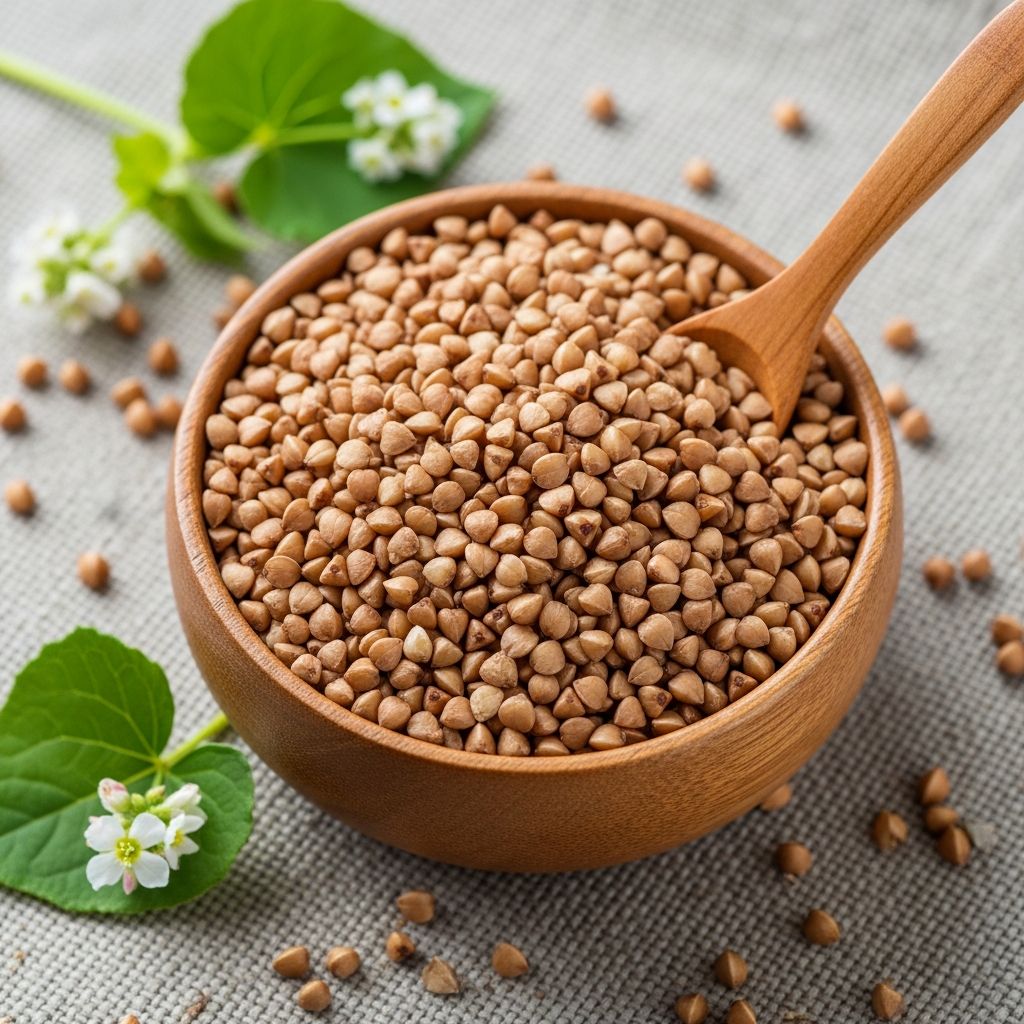
Buckwheat, despite its name, is not a wheat or grain but a nutrient-dense seed from the Fagopyrum esculentum plant, offering a range of health advantages including improved heart health, better digestion, blood sugar management, and more. This gluten-free superfood is versatile in forms like groats, flour, and noodles, making it ideal for diverse diets.
What Is Buckwheat?
Buckwheat is a pseudocereal seed rich in complex carbohydrates, fiber, protein, vitamins, minerals, and antioxidants like flavonoids. Native to regions like Central Asia, it’s cultivated globally and used in dishes from porridge to soba noodles. Unlike true grains, it’s naturally gluten-free, providing higher nutrient density than many rice-based alternatives.
One cup of cooked buckwheat groats delivers about 5.7 grams of protein, 4.5 grams of fiber, and essential minerals such as magnesium (86 mg), manganese, and copper, supporting metabolism, bone health, and antioxidant defenses. Its low glycemic index makes it suitable for steady energy release.
Buckwheat Nutrition Facts
Buckwheat stands out for its balanced nutritional profile. A 1-cup serving (168g cooked) contains approximately:
| Nutrient | Amount | % Daily Value* |
|---|---|---|
| Calories | 155 | 8% |
| Protein | 5.7g | 11% |
| Fiber | 4.5g | 16% |
| Magnesium | 86mg | 21% |
| Manganese | 0.8mg | 35% |
| Copper | 0.5mg | 56% |
| Iron | 1.3mg | 7% |
| Phosphorus | 166mg | 13% |
It’s also loaded with antioxidants like rutin and quercetin, which combat oxidative stress more effectively than many cereals. These compounds, plus resistant starch, contribute to its superfood status.
Health Benefits of Buckwheat
1. Naturally Gluten-Free
Buckwheat is inherently gluten-free, making it a safe choice for people with celiac disease or gluten sensitivity. Unlike wheat-based products, pure buckwheat groats, flour, and pure soba noodles pose no risk, offering superior fiber, vitamins, and minerals compared to rice substitutes. Always check labels, as some processed products may include wheat.
2. High in Antioxidants
Buckwheat boasts a superior antioxidant profile, featuring rutin (strengthens blood vessels), quercetin (reduces inflammation), and d-chiro-inositol. These outperform many grains like oats or wheat, protecting cells from damage, supporting nerve health, and potentially reducing cancer risk via lignins.
3. May Help Manage Blood Sugar
With a low-to-medium glycemic index, buckwheat’s fiber, protein, and flavonoids improve insulin sensitivity and slow sugar digestion. Studies show it lowers blood glucose in type 2 diabetes patients, reducing insulin resistance without spikes. Soluble carbs enhance cell responsiveness to insulin.
4. Supports Heart Health
Rich in magnesium, fiber, rutin, and quercetin, buckwheat lowers cholesterol, triglycerides, and blood pressure while preventing clots. Reviews of clinical studies confirm reduced cardiovascular risk factors; proteins bind cholesterol to inhibit absorption. Whole grain intake, including buckwheat, correlates with better heart outcomes.
5. Improves Digestion
High in insoluble fiber and resistant starch, buckwheat promotes regular bowel movements, prevents constipation, and fuels gut bacteria. This supports intestinal health, efficient digestion, and production of beneficial by-products. Niacin content further aids digestive function.
Related Stories



6. Aids Weight Management
Buckwheat’s protein and fiber promote satiety, helping control calorie intake. Studies show greater weight loss in buckwheat consumers versus wheat flour users after eight weeks, due to prolonged fullness and low energy density.
7. Other Potential Benefits
Emerging research highlights antimicrobial, antitumor, hypotensive, and antidiabetic peptides in buckwheat. It may protect against hormone-based cancers via lignins and boost vitamin C efficacy with vitamin E and selenium.
Potential Downsides and Allergies
Buckwheat is generally safe but may cause allergies in rare cases, with symptoms like tingling mouth or hives, similar to oral allergy syndrome. Those with latex-fruit syndrome might react due to cross-reactivity. High fiber could cause bloating if introduced suddenly; start small. Fagopyrism (photosensitivity) is possible from excessive raw buckwheat sprouts. Consult a doctor for personalized advice.
How to Cook Buckwheat
Buckwheat is easy to prepare:
- Groats: Rinse, toast in a dry pan for nutty flavor, boil 1:2 ratio with water (15-20 mins). Use in salads, pilafs.
- Flour: For pancakes, soba noodles, or bread. Mix 1:1 with other flours.
- Sprouts: Soak and sprout for enhanced nutrition.
Store in a cool, dry place; shelf-stable for months.
Buckwheat Recipes
Incorporate buckwheat creatively:
- Porridge: Cook groats with milk, top with fruits and nuts.
- Salad: Toss cooked groats with veggies, feta, vinaigrette.
- Pancakes: Blend flour with eggs, banana; gluten-free delight.
- Soba Noodles: Stir-fry with veggies and protein.
- Bread: Mix into sourdough for texture.
These recipes highlight its versatility in sweet and savory dishes.
Frequently Asked Questions (FAQs)
Is buckwheat a grain?
No, buckwheat is a seed (pseudocereal), not a true grain, and it’s naturally gluten-free.
Can buckwheat help with diabetes?
Yes, its low GI and nutrients improve insulin sensitivity and blood sugar control.
Is buckwheat good for weight loss?
Its high fiber and protein promote fullness, aiding weight management per studies.
Does buckwheat contain gluten?
Pure buckwheat does not; check labels for processed items.
How much buckwheat should I eat daily?
1/2 to 1 cup cooked fits most diets; pair with varied foods for balance.
References
- Health Benefits of Buckwheat — WebMD. 2023-10-15. https://www.webmd.com/diet/health-benefits-buckwheat
- Top 5 health benefits of buckwheat — BBC Good Food. 2024-05-20. https://www.bbcgoodfood.com/health/nutrition/health-benefits-buckwheat
- Buckwheat: Nutrition and Health Benefits — Cleveland Clinic. 2024-02-12. https://health.clevelandclinic.org/buckwheat-benefits
- Buckwheat: Health benefits, nutrition, and side effects — Medical News Today. 2023-11-08. https://www.medicalnewstoday.com/articles/325042
- Buckwheat Nutrition Facts and Health Benefits — Healthline. 2024-08-01. https://www.healthline.com/nutrition/foods/buckwheat
- Nutritional and bioactive characteristics of buckwheat — PMC (NCBI). 2023-04-28. https://pmc.ncbi.nlm.nih.gov/articles/PMC10171551/
Similar Articles








Read full bio of medha deb