Budesonide Inhaler: 5-Step Technique, Doses & Safety
Comprehensive guide to using budesonide inhalers for asthma and COPD management, including dosing, benefits, and safety tips.
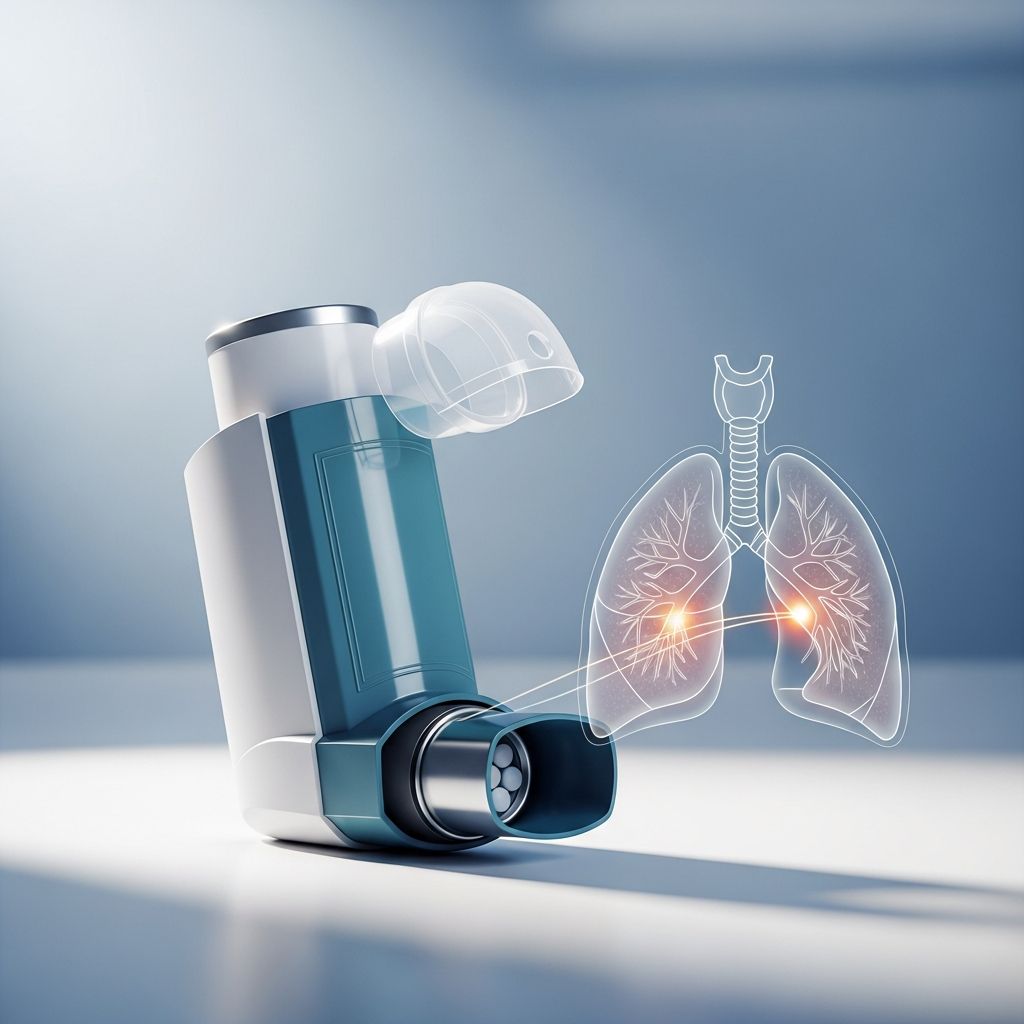
Budesonide inhalers deliver a potent corticosteroid directly to the lungs, effectively reducing inflammation and preventing symptoms of asthma and chronic obstructive pulmonary disease (COPD).
Understanding Budesonide and Its Core Benefits
Budesonide belongs to the glucocorticoid family, designed to target airway inflammation without widespread systemic effects when inhaled properly. This medication acts as a controller, managing long-term respiratory conditions by suppressing inflammatory responses in the bronchial tubes. Unlike rescue inhalers, it does not provide immediate relief during acute episodes but builds protection over time with consistent use.
The drug binds to specific receptors in lung cells, inhibiting the production of pro-inflammatory substances like interleukins and tumor necrosis factor. This mechanism stabilizes mast cells, reduces eosinophil activity, and prevents bronchoconstriction, leading to fewer wheezing episodes, less shortness of breath, and improved overall lung function.
Primary Medical Applications
Budesonide inhalers are FDA-approved for maintenance therapy in asthma patients aged 6 and older, significantly decreasing the frequency and intensity of attacks when used daily. In COPD, particularly chronic bronchitis and emphysema, it reduces exacerbations and supports better airflow when combined with long-acting bronchodilators like formoterol.
- Asthma Prevention: Lowers airway swelling to avert triggers like allergens or exercise-induced symptoms.
- COPD Control: Two inhalations of budesonide/formoterol (160/4.5 mcg) twice daily for moderate to severe cases.
- Pediatric Use: Suspensions for nebulizers in children 12 months to 8 years.
Beyond lungs, off-label applications include croup in children (2 mg nebulized dose reduces hospitalization risk), chronic rhinosinusitis via nasal irrigations, and eosinophilic esophagitis with oral viscous forms, showcasing its versatility in inflammation control.
How Budesonide Inhalers Work in the Body
Upon inhalation, budesonide particles deposit primarily in the lungs (up to 34-39% bioavailability), achieving peak plasma levels within 10-30 minutes. It forms a complex with cytoplasmic receptors, translocating to the nucleus to modulate gene expression. This suppresses inflammatory cytokines (ILs, TNF), promotes histone deacetylase activity for anti-inflammatory effects, and induces apoptosis in inflammatory cells like eosinophils and neutrophils.
Its high topical potency minimizes hypothalamic-pituitary-adrenal (HPA) axis suppression compared to oral steroids, making it safer for prolonged use at recommended doses.
Available Formulations and Delivery Methods
| Form | Description | Typical Use |
|---|---|---|
| Dry Powder Inhaler (DPI) | Breath-activated, e.g., 90-180 mcg/actuation | Asthma/COPD adults & children 6+ |
| Metered-Dose Inhaler (MDI) | With/without spacer, often combined | Maintenance therapy |
| Nebulized Suspension | Liquid for compressor nebulizers | Young children, severe cases |
Brands like Pulmicort Flexhaler or Symbicort (with formoterol) offer user-friendly options. Always prime new devices and shake MDIs.
Recommended Dosage Protocols
Dosing varies by age, severity, and formulation. Start low and titrate to the minimum effective dose.
- Asthma (Powder Inhaler): Adults/children 6+: 1-2 inhalations (180-360 mcg) twice daily.
- COPD (Combination): 2 inhalations (160/4.5 mcg budesonide/formoterol) BID.
- Children (Nebulizer): 0.5 mg BID for ages 12 months-8 years.
- Adjustments: Max 720 mcg/day for asthma; rinse mouth post-use to prevent thrush.
For acute croup: Single 2 mg nebulized dose. Consult providers for tapering systemic steroids to budesonide to avoid withdrawal.
Step-by-Step Inhaler Technique
- Shake MDI well or load DPI dose.
- Exhale fully away from device.
- Seal lips around mouthpiece; inhale steadily and deeply (DPI) or activate MDI while inhaling.
- Hold breath 5-10 seconds.
- Rinse mouth with water and spit to clear residue.
Related Stories



Incorrect technique reduces lung delivery by up to 80%; spacers improve MDI efficacy in kids.
Recognizing and Managing Side Effects
Local effects dominate: oral candidiasis (thrush, 5-10% incidence), hoarseness, cough. Systemic risks like HPA suppression rise with high doses or poor technique.
- Common: Sore throat, headache, nasal congestion.
- Serious (Rare): Allergic reactions (rash, swelling), vision changes (cataracts/glaucoma), osteoporosis with long-term high-dose use.
- Monitoring: Growth in children, bone density, eye exams annually.
Report worsening asthma, chest pain, or rapid heartbeat immediately.
Critical Precautions and Contraindications
Avoid in active untreated infections (TB, fungal). Use cautiously in liver disease (prolonged clearance). Pregnancy Category B: benefits outweigh risks in asthma control.
- Taper slowly from oral steroids to prevent adrenal crisis.
- No abrupt stops; may unmask allergies or eczema.
- Immunize against flu/pneumococcus; avoid live vaccines on high doses.
Drug interactions: CYP3A4 inhibitors (ketoconazole) boost levels; monitor.
Integrating into Long-Term Respiratory Plans
Pair with lifestyle: quit smoking, exercise, avoid triggers. Track peak flows; adjust per action plan. Annual reviews ensure optimal dosing. Studies show nebulized budesonide aids weaning from ventilators in severe COPD.
Frequently Asked Questions (FAQs)
Can budesonide cure asthma?
No, it controls symptoms but does not cure; consistent use prevents flares.
Is it safe for long-term daily use?
Yes, at lowest effective dose; regular check-ups mitigate risks.
What if I miss a dose?
Take as soon as remembered; skip if near next. Never double.
Does it interact with other inhalers?
Safe with bronchodilators; space short-acting by 1 minute.
How soon does it start working?
Effects build over 1-2 weeks; full benefit in 4 weeks.
Special Considerations for Vulnerable Groups
Pregnant Women: Preferred inhaled steroid; maintains fetal oxygenation via maternal asthma control.
Elderly: Monitor for osteoporosis, cataracts; lower starting doses.
Children: Nebulizers preferred under 6; monitor height velocity.
In neonates at risk for bronchopulmonary dysplasia, intratracheal budesonide reduces incidence.
References
- Budesonide Inhaler – Singapore Hospitals and Doctors | SingHealth — SingHealth. 2023. https://www.singhealth.com.sg/medicine/budesonide-inhaler
- Budesonide – StatPearls – NCBI Bookshelf — NCBI/NIH. 2023-10-01. https://www.ncbi.nlm.nih.gov/books/NBK563201/
- Budesonide: Uses, Interactions, Mechanism of Action | DrugBank — DrugBank. 2024. https://go.drugbank.com/drugs/DB01222
- Budesonide (inhalation route) – Mayo Clinic — Mayo Clinic. 2024. https://www.mayoclinic.org/drugs-supplements/budesonide-inhalation-route/description/drg-20071233
- Budesonide Oral Inhalation: MedlinePlus Drug Information — MedlinePlus/NIH. 2024. https://medlineplus.gov/druginfo/meds/a699056.html
Similar Articles








Read full bio of Sneha Tete