Bug Bites & Stings: Symptoms & Treatment
Learn how to identify, treat, and prevent bug bites and stings with expert medical guidance.
Understanding Bug Bites and Stings
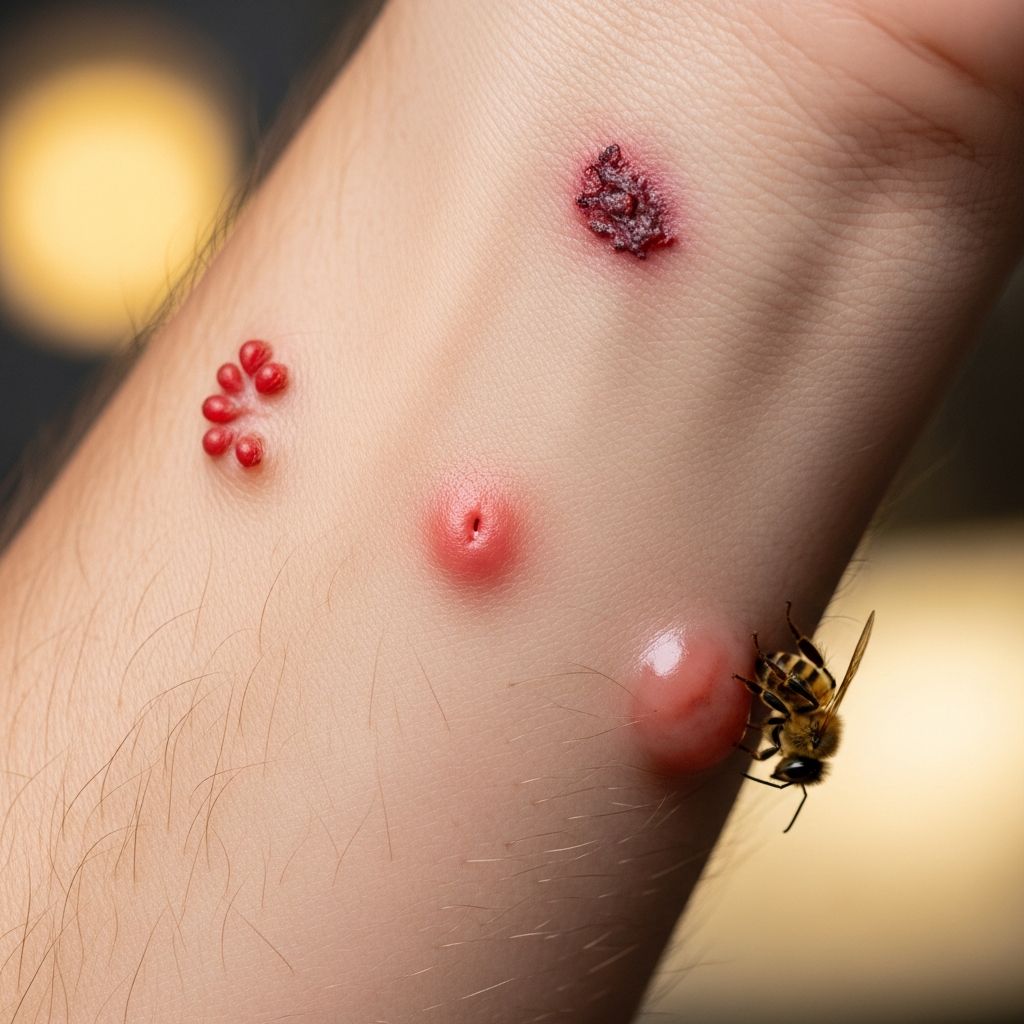
Bug bites and stings are injuries that range from mild annoyances to potentially life-threatening emergencies. Whether you experience a minor itch or a severe reaction depends on two primary factors: the type of insect involved and how your immune system responds to the bite or sting. Most bites and stings are minor and can be treated effectively at home with basic first aid measures. However, some insects can trigger an immune system overreaction that leads to serious symptoms including hives, difficulty breathing, and muscle spasms.
Understanding the nature of your bite or sting is essential for determining the appropriate response and identifying when professional medical care is necessary. While it’s not always possible to identify the exact insect responsible for your injury, doing so when possible can help you and your healthcare provider develop an effective treatment plan and monitor for potential complications.
Identifying Bug Bite Symptoms
The signs and symptoms of bug bites and stings vary depending on the insect species and your individual reaction. At the site of the bite or sting, you may experience several common symptoms:
- Itching or burning sensations
- Redness and inflammation
- Swelling and puffiness
- Pain or tenderness
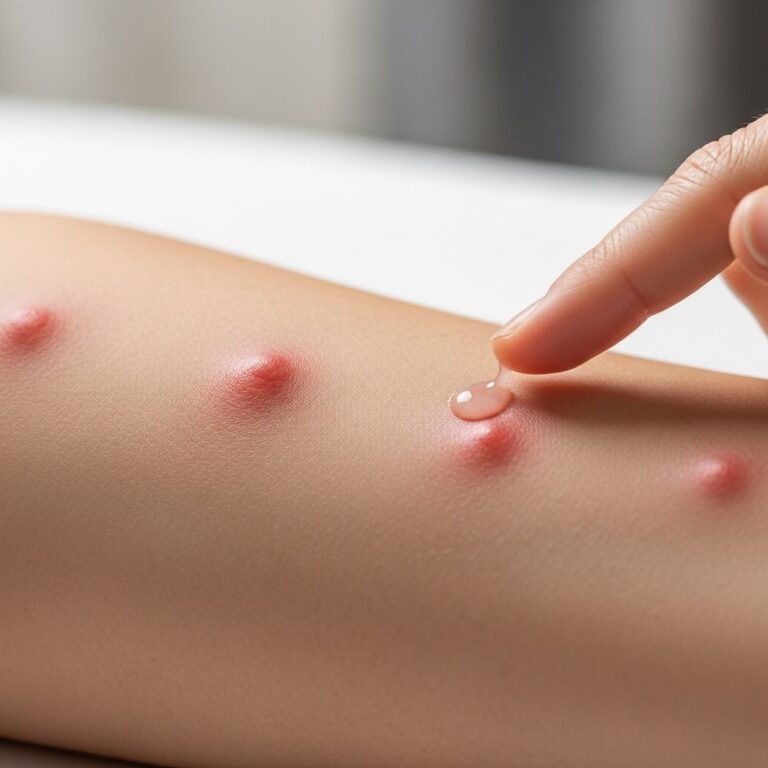
- Small bumps or welts on the skin
- Blistering in some cases
Most common insect bites produce localized reactions that remain confined to the immediate area of contact. However, certain insects are known for causing more severe symptoms that warrant immediate medical attention.
Severe Bug Bite Reactions
Black widow spider bites, brown recluse spider bites, and scorpion stings can produce significantly more severe symptoms than typical insect bites. If you experience any of the following symptoms after a suspected bite or sting, call 911 or your local emergency number immediately:
- Severe muscle pain or cramping
- Difficulty breathing or shortness of breath
- Chest pain or pressure
- Loss of consciousness
- Severe swelling of the face, lips, tongue, or throat
- Muscle paralysis or weakness
- Rapid heartbeat or palpitations
- Uncontrolled trembling or muscle spasms
Allergic Reactions to Bug Bites
Some individuals experience allergic reactions to bug bites and stings, which differ from typical localized reactions. Signs and symptoms of a bug bite allergy include:
- Extensive swelling beyond the bite site
- Generalized hives or rash
- Difficulty breathing
- Wheezing or shortness of breath
- Facial swelling or angioedema
- Anaphylaxis symptoms
Extent of Swelling: With an allergic reaction, the swelling around the bite or sting will be much larger than expected, potentially expanding to cover more than 4 inches (10 centimeters) from end to end.
Timing of Allergic Reactions
Allergic reactions to bug bites typically start within 15 minutes of the bite or sting. However, they may occur up to six hours later and, in rare cases, even after that timeframe. The most severe reactions often begin right away. It’s also possible, though uncommon, to experience delayed allergic reaction symptoms called serum sickness, which can begin several days after a bite or sting.
Related Stories



Common Types of Bug Bites
Different insects leave distinct bite patterns and cause varying reactions. Understanding these differences can help you identify what bit you and determine the appropriate treatment approach.
Mosquito Bites
Mosquito bites appear as small, raised bumps on the skin and occur when female mosquitoes drink your blood and inject saliva into your bloodstream. The primary concern with mosquito bites is that some mosquitoes can carry dangerous diseases. While the bite itself may look like a typical mosquito bite, disease symptoms develop later, typically within one to two weeks. If you experience fever, chills, body aches, or a spreading rash after being bitten by a mosquito, contact your healthcare provider promptly.
Bed Bug Bites
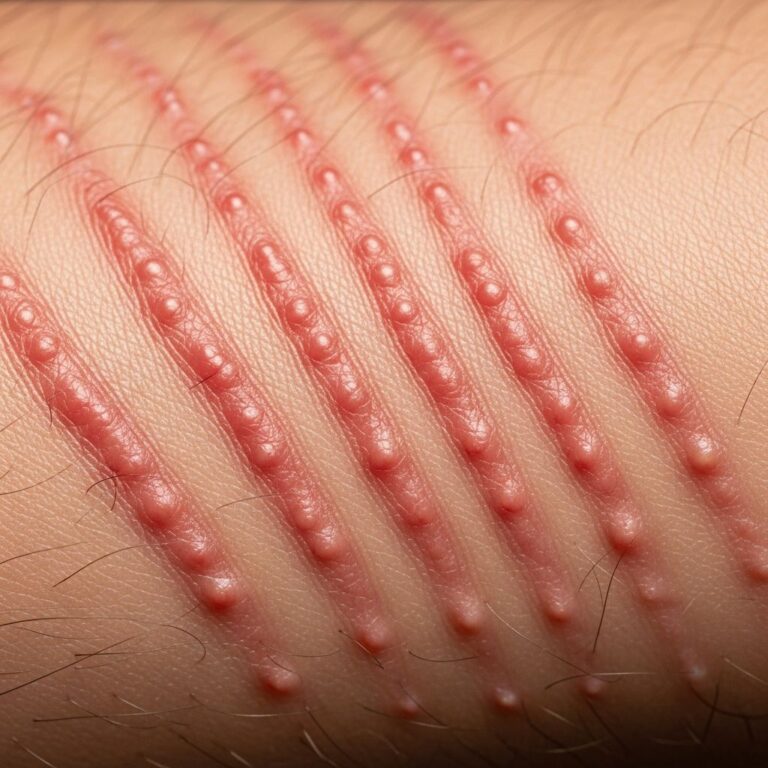
Bed bugs (Cimex lectularius) are tiny insects that bite people to obtain blood for food. They are parasites that require human hosts for survival. Most bed bug bites occur while you’re asleep, primarily on exposed areas of your skin. Bed bugs bite by inserting a straw-like beak into your skin to drink blood for several minutes before becoming full and crawling away to digest. In most people, bed bug bites don’t cause serious health problems and disappear within a few weeks, though some individuals experience enlarged or swollen welts that are more painful and itchy.
Spider Bites
Brown Recluse Spiders: Brown recluse venom is cytotoxic, meaning it’s toxic to tissues and can actually kill the area of skin, forming an ulcer. The toxin from a brown recluse bite stays isolated to the bite site and doesn’t spread throughout your body.
Black Widow Spiders: Black widow bites can make you very sick, especially in children. The venom can cause severe systemic symptoms requiring immediate medical care. Always wash the bite thoroughly with soap and water and seek quick medical attention if you develop concerning symptoms.
Tick Bites
If you’ve been bitten by a tick, monitor yourself for the following two weeks and seek medical attention for signs of illness such as fever, rash, or body aches. The U.S. Centers for Disease Control and Prevention offers a Tick Bite Bot resource that can help you determine whether to seek treatment by asking questions about your location and bite circumstances.
Home Treatment for Bug Bites
Most bug bites and stings can be effectively treated at home using over-the-counter medications and home remedies. Common treatment approaches include:
- Antihistamines to reduce itching
- Hydrocortisone cream for inflammation relief
- Ice packs to reduce swelling and numb the area
- Avoiding scratching to prevent infection
- Keeping the bite clean and dry
- Applying calamine lotion for comfort
Prevention Strategies
While it’s not always possible to prevent all bites and stings, implementing these strategies can significantly lower your risk:
- Apply insect repellent containing DEET to exposed skin and clothing
- Wear long sleeves, pants, and closed-toe shoes in areas with high insect activity
- Avoid outdoor activities during peak insect hours, typically dawn and dusk
- Use mosquito netting while sleeping in areas with disease-carrying insects
- Remove standing water from your yard where mosquitoes breed
- Keep your home clean and inspect regularly for signs of bed bugs
- Encase mattresses in protective covers to prevent bed bug infestations
- Wash clothing in hot, soapy water after returning from vacation
- Check for ticks after spending time in wooded or grassy areas
When to Seek Medical Care
Contact a healthcare provider if you have any of the following:
- Signs of infection, such as pus, warmth, or red streaks around the bite
- Severe or persistent itching that prevents normal daily activities
- Large swollen welts or extensive skin reactions
- Any symptoms of an allergic reaction
- Symptoms of insect-borne illness developing within two weeks of a bite
Insect-Borne Illness Symptoms: Seek medical attention if you develop any of these symptoms within two weeks of a bite:
- Fever or chills
- Muscle or joint aches
- Headaches
- Fatigue or malaise
- Rash or skin changes
- Swollen lymph nodes
Special Considerations for Bed Bugs
Bed bugs are traveling pests whose bites cause itching and discomfort. To prevent bed bugs from establishing themselves in your home:
- Inspect your accommodations when traveling for signs of bed bugs
- Check mattresses and furniture upon returning home
- Wash all clothing and bedding in hot water after travel
- Encase your mattress in a protective cover
- Store luggage away from sleeping areas
If you experience severe itching that prevents normal activities or if scratching creates open sores that are puffy, red, and oozing, contact your healthcare provider. These signs may indicate infection requiring professional treatment.
Understanding Insect Venom vs. Poison
It’s important to understand the difference between venom and poison. Poisons are inhaled, ingested, or absorbed through your skin, while venoms are specifically delivered through bites and stings. This distinction matters when determining how an insect injury affects you and what treatment may be necessary.
Frequently Asked Questions
Q: How can I tell which bug bit me?
A: While it’s not always possible to identify bug bites definitively, telltale signs include the bite pattern, location, appearance, and associated symptoms. Mosquitoes typically leave small, raised bumps; bed bugs leave linear or clustered bites on exposed areas; and spider bites often appear as isolated welts. Your healthcare provider can help identify the bite based on these characteristics.
Q: When should I seek emergency care for a bug bite?
A: Seek emergency care immediately if you experience severe muscle pain, difficulty breathing, chest pain, loss of consciousness, severe facial swelling, or any signs of anaphylaxis following a bite or sting. Black widow, brown recluse, and scorpion injuries particularly warrant emergency attention if symptoms develop.
Q: How long do bug bite symptoms typically last?
A: Most bug bite symptoms resolve within a few days to a week, though individual responses vary. Bed bug bites usually heal within a week but may last longer depending on your body’s reaction. If bites don’t improve or show signs of infection, contact your healthcare provider.
Q: Are insect repellents safe to use?
A: Studies show that insect repellents containing DEET are safe and effective at preventing insect-borne illnesses when used as directed. Always follow product instructions and avoid applying to broken skin or young children’s hands.
Q: What should I do if I find a tick on my skin?
A: Using blunt-tipped tweezers, pull the tick gently up from your skin and place it in a bag to take to a healthcare provider for identification. This can help determine whether you need treatment for tick-borne illness.
Q: Can bed bug bites cause serious health problems?
A: In most cases, bed bug bites don’t cause serious health problems. However, in rare instances, severe allergic reactions called anaphylaxis can occur. If you experience difficulty breathing, severe swelling, or other severe symptoms, seek medical attention immediately.
Resources and Support
If you experience severe symptoms from a spider bite, the National Capital Poison Center at 800.222.1222 is an excellent resource for people bitten by spiders in the United States. They can help determine your next steps if you believe you’ve been bitten by a dangerous species like a black widow. For tick-related concerns, the CDC’s Tick Bite Bot offers guidance through a series of questions to help you decide whether to seek professional treatment.
Cleveland Clinic’s Express Care and Urgent Care locations provide rapid treatment for everything from sprains to infections, including insect bite complications—no appointment needed.
References
- Bug Bites & Stings: Symptoms & Treatment — Cleveland Clinic. 2025-02-13. https://my.clevelandclinic.org/health/diseases/bug-bites
- 12 Summer Health Risks To Watch Out For — Cleveland Clinic Health. 2025. https://health.clevelandclinic.org/tag/bug-bites
- Bed Bugs: Bites, Identification, Prevention — Cleveland Clinic. 2025. https://my.clevelandclinic.org/health/diseases/17847-bedbugs
- How To Identify 8 Common Bug Bites and What To Do About Them — Cleveland Clinic Health. 2025. https://health.clevelandclinic.org/how-to-identify-bug-bites
- Mosquito Bites: What They Look Like, Why They Itch & Treatment — Cleveland Clinic. 2025. https://my.clevelandclinic.org/health/diseases/17695-mosquito-bites
Similar Articles








Read full bio of Sneha Tete