Bugs: Comprehensive Guide To Identification And Treatment
Comprehensive guide to arthropods, helminths, protozoa, and bugs causing skin conditions and diseases.
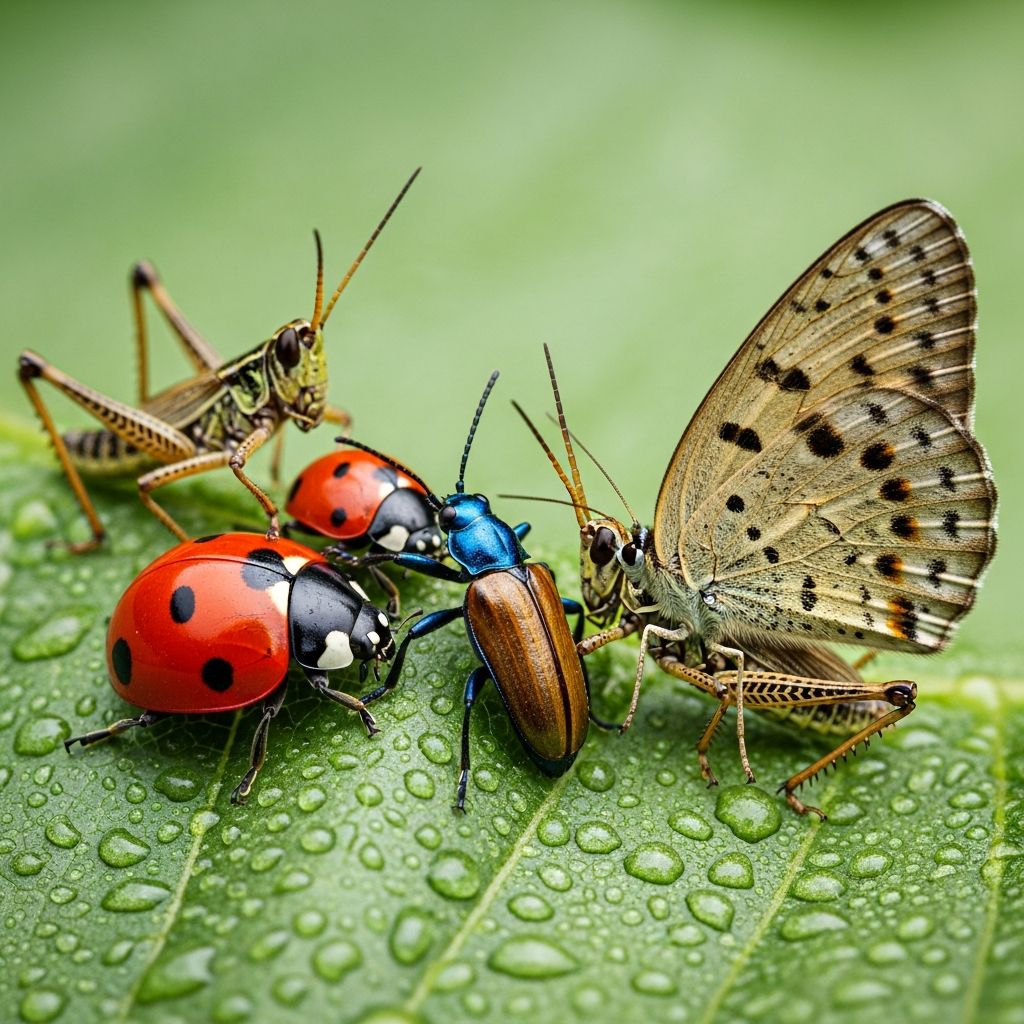
Arthropods, helminths, and other bugs represent a diverse group of organisms that can infest human skin, cause bites, stings, and transmit diseases. This article covers key categories including insects, mites, worms, protozoa, and related conditions, providing essential information for identification, clinical features, and management.
Arthropods
Arthropods are invertebrates characterized by chitinous exoskeletons, bilateral symmetry, segmented bodies, and jointed appendages. They include insects, arachnids, and myriapods responsible for numerous skin reactions such as bites, stings, and infestations.
- Insects: Crawling and flying species like mosquitoes, flies, beetles, and bed bugs cause bites that may lead to papular urticaria, secondary infections, or disease transmission.
- Arachnids: Include spiders, scabies mites, and ticks; scabies causes intense itching via burrowing, while spider bites can be venomous.
- Other: Centipedes and millipedes may sting or release irritants.
Insect Bites and Stings
Insect bites and stings are common, divided into venomous (e.g., bees, wasps) and non-venomous types. Reactions range from mild wheals to severe anaphylaxis. Cleanse bites with soap and water; histology reveals perivascular lymphohistiocytic infiltrate with eosinophils.
Differential diagnoses include papular urticaria, drug eruptions, and contact dermatitis. Prevention involves repellents like DEET.
Bed Bugs
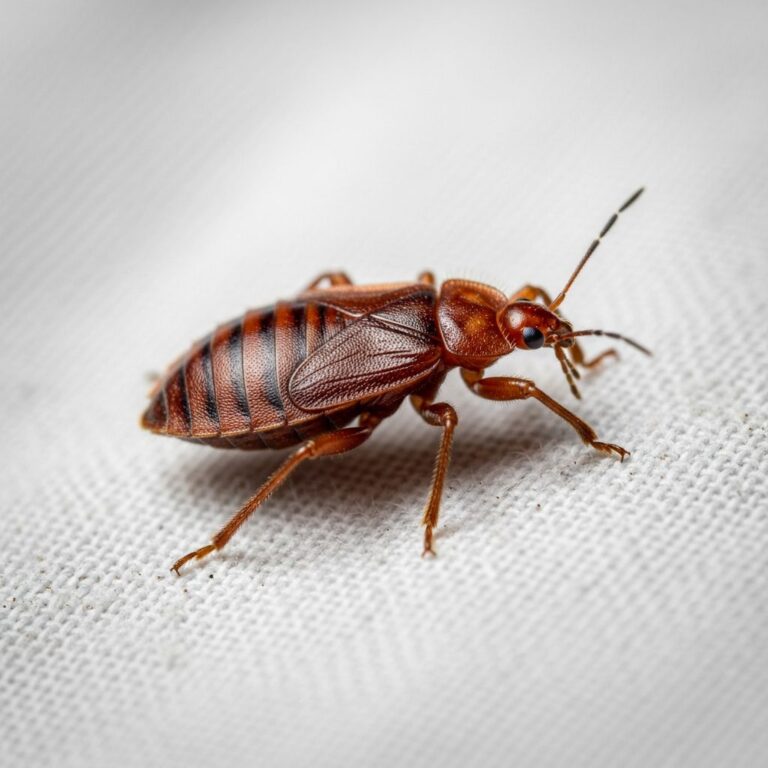
Bed bugs (Cimicidae family) are flat, wingless parasites feeding on human blood, causing itchy erythematous papules often in lines or clusters (‘breakfast, lunch, dinner’ pattern). Infestations are rising globally due to pesticide resistance.
In darker skin, bites appear purplish with postinflammatory hyperpigmentation. Eradication requires professional pest control; symptomatic relief with topical corticosteroids.
Cutaneous Myiasis
Myiasis involves fly larvae (maggots) infesting skin, categorized as furuncular (e.g., Dermatobia hominis), migratory (e.g., Gasterophilus), or wound myiasis. Risk factors include poor hygiene and open wounds.
Treatment: Occlusion to suffocate larvae, manual extraction, or larvicides like ivermectin.
Other Insects
- Beetles: Carpet beetle larvae cause papulovesicular dermatitis on exposed skin.
- Flies: Including sandflies (transmit leishmaniasis), black flies, and horse flies; may cause myiasis or Calabar swellings.
- Mosquitoes: Bites cause wheals; vectors for malaria, dengue, Zika.
- Sandflies: Small biting flies transmitting leishmaniasis, with painful papules.
Helminths (Worms)
Helminths are parasitic worms causing cutaneous larva migrans, onchocerciasis, and other infestations. They penetrate skin or migrate subcutaneously.
- Strongyloides stercoralis: Causes larva currens – fast-moving urticarial tracks.
- Schistosoma (Flukes): Cercarial dermatitis (‘swimmer’s itch’) from aquatic larvae penetrating skin.
- Onchocerca volvulus: River blindness; nodules and pruritus from microfilariae.
Treatment often involves ivermectin or albendazole; prevention via footwear in endemic areas.
Protozoa
Protozoan infections transmitted by arthropod vectors affect skin prominently.
- Leishmania: Sandfly-transmitted; causes cutaneous ulcers (oriental sore), mucocutaneous, or visceral forms.
- Trypanosoma cruzi (Chagas disease): Triatomine bug (kissing bug) vector; acute chagoma (unilateral eyelid swelling), chronic cardiac issues.
- Trypanosoma brucei (African trypanosomiasis): Tsetse fly; chancre at bite site, winterbottom sign.
Related Stories



Diagnosis via serology or biopsy; treatment with antiprotozoals like miltefosine for leishmaniasis.
Mites
Mites cause scabies (Sarcoptes scabiei burrows) and demodicosis. Scabies presents with burrows, intense nocturnal itch, worse in flexures.
Treatment: Permethrin or ivermectin; contacts must be treated.
Jellyfish Larva
Thimble jellyfish (Linuche unguiculata) larvae cause seabather’s eruption: pruritic papules in swimwear areas after seawater exposure.
Related Conditions
- Papular Urticaria: Hypersensitivity to insect bites; chronic papules in children.
- Pediculosis: Head, body, pubic lice; nits and maculae ceruleae.
- Larva Migrans: Hookworm tracks on feet/beaches.
Treatments for Insects, Mites, Worms, and Parasites
Symptomatic: Antihistamines, topical steroids for bites/stings.
Eradication:
| Condition | Treatment |
|---|---|
| Scabies | Permethrin 5% cream, oral ivermectin |
| Bed Bugs | Professional extermination, no topical Rx needed |
| Myiasis | Larva occlusion/extraction, ivermectin |
| Helminths | Albendazole, ivermectin |
| Protozoa | Antimonials, miltefosine |
Prevention: Insect repellents (DEET 20-50%), permethrin clothing, bed nets, environmental control.
Frequently Asked Questions (FAQs)
What causes most itchy skin reactions from bugs?
Insect saliva or feces trigger hypersensitivity; scabies mites burrow directly.
Are bed bug bites dangerous?
No disease transmission, but cause anxiety, insomnia, secondary infection.
How to prevent mosquito-borne diseases?
Use DEET repellents, long clothing, eliminate standing water.
What is cutaneous larva migrans?
Hookworm larvae migration under skin causing serpiginous tracks; self-limiting, treat with albendazole.
Can jellyfish larvae infest skin?
Yes, seabather’s eruption from trapped larvae under swimwear.
How effective are plant-based repellents?
Less effective than DEET; use in low-risk areas only.
What are signs of myiasis?
Moving sensation, furuncular lesion with central punctum.
Do bugs transmit Chagas disease?
Yes, triatomine bugs (kissing bugs) defecate near bite, rub in trypanosomes.
This comprehensive review draws from DermNet’s authoritative content on arthropod-related dermatoses, emphasizing clinical recognition and management. Early intervention prevents complications like secondary bacterial infections or chronic infestations.
References
- Arthropod infestations. Contents page – DermNet — DermNet NZ. 2008. https://dermnetnz.org/cme/arthropods
- Bed Bugs: Images, Eradication, and More – DermNet — DermNet NZ. 2023. https://dermnetnz.org/topics/bed-bugs
- American trypanosomiasis. Chagas disease – DermNet — DermNet NZ. 2021. https://dermnetnz.org/topics/american-trypanosomiasis
- Papular urticaria – DermNet — DermNet NZ. 2021. https://dermnetnz.org/topics/papular-urticaria
- Insect bites and stings – Arthropod infestations – DermNet — DermNet NZ. 2008. https://dermnetnz.org/cme/arthropods/insect-bites-and-stings
- Insect Repellent – DermNet — DermNet NZ. 2023. https://dermnetnz.org/topics/insect-repellent
- Arthropod bites and stings – DermNet — DermNet NZ. 2015. https://dermnetnz.org/topics/arthropod-bites-and-stings
- Bugs – DermNet — DermNet NZ. 2003. https://dermnetnz.org/topics/bugs
- Cutaneous myiasis – DermNet — DermNet NZ. 2009. https://dermnetnz.org/topics/cutaneous-myiasis
Similar Articles








Read full bio of medha deb