Build A Healthy Salad: Complete Guide To Nutritious Eating
Master the art of building nutritious, delicious salads with expert tips and creative ingredient combinations.
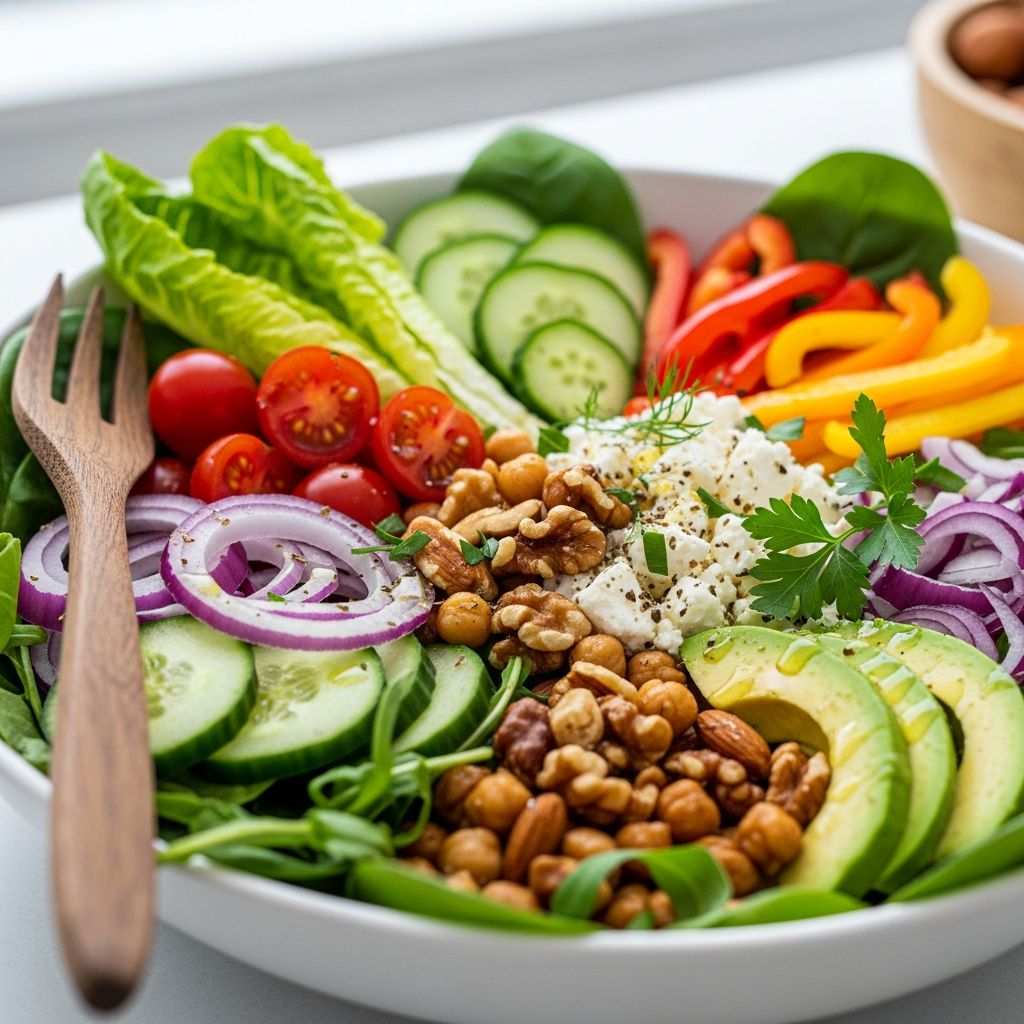
Build a Healthy Salad: A Complete Guide to Nutritious Eating
Salads are a versatile and convenient way to incorporate more vegetables, fruits, and plant-based proteins into your daily diet. Whether you’re preparing a light side dish or a hearty main course, understanding how to build a healthy salad can transform your approach to nutrition and meal preparation. By strategically selecting ingredients from different food groups and considering flavor, texture, and color, you can create salads that are both satisfying and nutritious.
Why Salads Matter for Your Health
A well-constructed salad serves as an excellent vehicle for delivering essential vitamins, minerals, and dietary fiber that your body needs to function optimally. Unlike processed foods or heavily prepared dishes, salads allow you to control the ingredients and portions, making it easier to maintain a balanced eating plan. Salads can be customized to fit various dietary preferences and restrictions, making them an inclusive option for families and groups with different nutritional needs.
Step One: Start with a Strong Base of Leafy Greens
The foundation of any healthy salad begins with selecting nutrient-dense leafy greens. These vegetables are naturally low in calories while being rich in vitamins, minerals, and dietary fiber. The variety of greens available means you can rotate your selections to keep meals interesting and to benefit from the unique nutrients each variety offers.
Popular Leafy Green Options Include:
- Arugula — offers a peppery flavor and contains glucosinolates, compounds with potential health benefits
- Boston or Bibb lettuce — tender and mild, perfect for delicate salads
- Escarole — slightly bitter taste that adds complexity to salad combinations
- Green or Red leaf lettuce — colorful options that provide visual appeal and nutrients
- Iceberg lettuce — crisp and refreshing, though less nutrient-dense than darker greens
- Mixed greens — convenient blend offering variety in a single package
- Napa cabbage — adds crunch and a slightly sweet flavor
- Radicchio — deep purple color with a slightly bitter taste
- Romaine — sturdy leaves that hold up well to hearty toppings and dressings
- Spinach — packed with iron, calcium, and antioxidants
When selecting your base, consider choosing darker leafy greens more frequently, as they contain higher concentrations of vitamins and minerals compared to lighter varieties. Experimenting with different greens helps prevent palate fatigue and ensures you’re receiving a broader spectrum of nutrients.
Step Two: Boost Nutrients with Extra Vegetables and Fruits
Once you’ve selected your leafy green base, the next step is to add a variety of colorful vegetables and fruits. This step is crucial because it dramatically increases the nutritional density of your salad while adding appealing textures and flavors. The general principle of “eating the rainbow” applies here — different colored vegetables contain different phytonutrients and antioxidants, so variety ensures comprehensive nutrition.
Vegetable Selections for Maximum Nutrition:
- Artichoke hearts — excellent source of dietary fiber and prebiotic compounds
- Bean sprouts — provide enzymes and nutrients in their early growth stage
- Beets — rich in betalains, powerful antioxidants with anti-inflammatory properties
- Bell peppers — high in vitamin C and come in multiple colors for visual variety
- Bok choy — contains calcium and other essential minerals
- Broccoli or cauliflower — cruciferous vegetables containing sulforaphane and other cancer-fighting compounds
- Carrots — excellent source of beta-carotene and dietary fiber
- Celery — hydrating vegetable that adds satisfying crunch
- Corn — provides natural sweetness and B vitamins
- Cucumbers — primarily water-based, offering hydration and refreshing crispness
- Mushrooms — contain unique nutrients including ergothioneine and selenium
- Onion (red or sweet) — adds pungent flavor and beneficial sulfur compounds
- Peas — combine protein with vitamins and minerals
- Radishes — provide a spicy crunch and are rich in vitamin C
- Sugar snap peas — sweet and crunchy, offering both satisfaction and nutrition
- Tomatoes — excellent source of lycopene, a carotenoid with antioxidant properties
- Water chestnuts — add unique crunch and are low in calories
- Zucchini — versatile vegetable that can be raw, grilled, or spiralized
Fruit Additions for Sweetness and Complexity:
Fruits add natural sweetness to salads while providing vitamins, minerals, and dietary fiber. Fresh fruits work wonderfully during their peak season, while dried fruits offer convenience and concentrated flavors:
- Fresh fruits — apples, berries, grapes, mandarin oranges, melon, and pears add natural sweetness
- Dried fruits — cherries, cranberries, apricots, and raisins provide intense flavor in smaller portions
When using dried fruits, remember that their flavor is concentrated, so a smaller amount provides the same intense taste as a larger quantity of fresh fruit. This makes dried fruits an excellent choice for portion control while maintaining flavor satisfaction.
Step Three: Add Protein to Create a Complete Main Dish
To transform your salad from a side dish into a satisfying main course, incorporating a protein source is essential. Protein helps create satiety, stabilizes blood sugar levels, and supports muscle maintenance and repair. The good news is that there are numerous protein options to choose from, accommodating both omnivorous and plant-based diets.
Animal-Based Protein Options:
- Beef — provides heme iron and B vitamins when lean cuts are selected
- Chicken — versatile, lean protein that pairs well with various flavor profiles
- Boiled or hard-cooked eggs — complete protein containing all essential amino acids
- Ham — convenient option though should be consumed in moderation due to sodium content
- Salmon — rich in omega-3 fatty acids, supporting heart and brain health
- Shrimp — lean protein low in calories and rich in selenium
- Tuna — excellent source of protein and omega-3 fatty acids
- Turkey — lean poultry option lower in fat than many other meats
Plant-Based Protein Options:
- Black beans — provide fiber, folate, and polyphenol antioxidants
- Chickpeas (garbanzo beans) — versatile legume with complete amino acid profile
- Edamame — young soybeans offering all nine essential amino acids
- Kidney beans — high in fiber and iron
- Navy beans — mild flavor and excellent protein content
- Tofu — neutral flavor that absorbs surrounding flavors while providing protein
Cooked beans can be purchased frozen, dried, or canned, offering convenience and flexibility depending on your meal preparation preferences. Whether you choose animal or plant-based proteins, incorporating adequate protein ensures your salad satisfies hunger and provides sustained energy throughout the day.
Step Four: Dress Your Salad Thoughtfully
The salad dressing you choose can significantly impact both the flavor and nutritional profile of your meal. While traditional creamy dressings can add excessive saturated fat and calories, there are numerous healthier alternatives that don’t sacrifice taste.
Healthy Dressing Strategies:
- Oil and vinegar — classic combination providing heart-healthy monounsaturated fats and acidity
- Yogurt-based dressings — offer creaminess with added protein and probiotics
- Salsa — flavorful topping that adds freshness without excessive calories
- Herb-infused vinaigrettes — boost flavor with fresh herbs like cilantro, parsley, or basil
- Citrus-based dressings — lime juice or lemon juice adds brightness and flavor
A critical principle is to use dressing sparingly rather than drenching your salad. A small amount of flavorful dressing is far more satisfying and nutritious than large quantities of diluted dressing. This approach helps you maintain portion control while maximizing the taste experience. Consider adding fresh herbs like cilantro, parsley, or basil as a garnish to enhance flavor without adding calories.
Sprinkle On Optional Extras for Flavor and Texture
While not necessary, thoughtfully selected extras can elevate your salad from simple to extraordinary. The key is using these ingredients sparingly, as they tend to be calorie-dense in small portions.
Nuts and Seeds (Unsalted Options Preferred):
- Almonds — excellent source of vitamin E and heart-healthy fats
- Cashews — provide copper and magnesium
- Peanuts — despite their name, legumes offering protein and healthy fats
- Pecans — rich in polyphenols and omega-3 fatty acids
- Pistachios — unique flavor and impressive nutrient profile
- Pumpkin seeds — high in magnesium and zinc
- Sunflower seeds — excellent source of selenium and vitamin E
- Walnuts — particularly high in omega-3 fatty acids (ALA)
Cooked Grains for Added Substance and Texture:
- Bulgur — quick-cooking grain high in fiber
- Farro — nutty flavor and hearty texture
- Quinoa — complete protein containing all essential amino acids
- Wheat berries — chewy texture and substantial nutrition
Cheese Options (Use Sparingly):
- Blue cheese — bold flavor so a small amount goes a long way
- Cheddar — sharp varieties provide intense flavor
- Feta — crumbly texture and distinctive taste
- Mozzarella — mild option that adds creaminess
- Parmesan — nutty flavor and hard texture for easy portion control
Other Toppings:
- Avocado — heart-healthy monounsaturated fat and dietary fiber
- Bacon bits — smoky flavor (use sparingly)
- Croutons — add crunch but choose whole grain varieties
- Olives — provide healthy fats and distinctive briny flavor
- Tortilla strips — add crunch and Southwestern flair
The Importance of Avocados in Healthy Salads
Avocados deserve special mention as an exceptional salad ingredient. Beyond their delicious taste, avocados are a good source of heart-healthy monounsaturated fat and contain several vitamins and minerals, including vitamin E and potassium. They also provide dietary fiber, which most Americans don’t consume in adequate quantities. Avocados are remarkably versatile — they can be chopped and added as an ingredient or pureed into a creamy dressing without dairy.
To prevent browning, prepare avocados right before serving, or squeeze a little lemon or lime juice on the cut surfaces. This simple step preserves their attractive green color and prevents oxidation from affecting appearance and taste.
Creative Salad Combination Ideas
To keep salads exciting and prevent monotony, experiment with different ingredient combinations. Here are proven combinations that balance flavor, texture, and nutrition:
- Romaine, grape tomatoes, cucumber, carrots, avocado and shrimp — Mediterranean-inspired with lean protein
- Mixed greens, chicken strips, melon, walnuts and feta cheese — sweet and savory combination
- Spinach, red onion, mandarin oranges and sliced almonds — citrus and nut-forward combination
- Romaine lettuce, corn, salsa, chopped avocado, with grilled chicken and lime juice — Southwestern profile
- Chickpeas, diced cucumber, tomato and onion, with an herb vinaigrette — vegetarian and Mediterranean
- Arugula, sliced red pears, walnuts, blue cheese, and honey dijon dressing — elegant and sophisticated
- Mixed greens, roasted beets, goat cheese, and candied walnuts — earthy and slightly sweet
Variety is Key to Long-Term Success
One of the most important principles for maintaining a healthy salad habit is embracing variety. By experimenting with different recipes and an assortment of different colored vegetables, you keep salad combinations exciting and healthful. Being mindful of portions and choosing ingredients that pack a lot of flavor and texture in small amounts helps prevent your taste buds from becoming bored.
Rotate your leafy green selections throughout the week, try seasonal vegetables and fruits, and challenge yourself to discover new flavor combinations. This approach not only maintains your enthusiasm for salads but also ensures you’re consuming a diverse array of phytonutrients and beneficial compounds found throughout the plant kingdom.
Building Salads for Different Occasions
Salads can be adapted for various contexts and meal types. As a side dish, a simple combination of greens with one or two vegetables and a light dressing suffices. For main dish salads, incorporate heartier elements including adequate protein, cooked grains, and more substantial vegetables. When serving at a salad bar, mix and match ingredients to explore new combinations.
Encouraging children to participate in salad creation by setting out ingredients for them to assemble their own salad increases their engagement and enthusiasm for vegetables. Kids can choose individual items with salad dressing as a dip, making the experience interactive and fun.
Frequently Asked Questions (FAQs)
Q: How can I prevent my salad greens from wilting?
A: Store leafy greens in the refrigerator in a sealed container or bag, keeping them dry and cool. Wash greens just before eating rather than in advance to maintain crispness. For pre-made salads, keep dressing separate until ready to eat.
Q: What’s the best way to wash vegetables for salads?
A: Rinse vegetables under cool running water, rubbing gently with your hands or a clean produce brush. For delicate greens, rinse carefully to avoid bruising. Pat dry with clean paper towels or use a salad spinner to remove excess moisture.
Q: Can I prepare salads in advance for meal prep?
A: Yes, you can prepare components separately — wash and chop vegetables, cook proteins and grains, and store in separate containers. Keep dressing separate until serving to prevent wilting. Assemble salads just before eating for optimal freshness and texture.
Q: How much dressing should I use on a salad?
A: A general guideline is 2-3 tablespoons of dressing for a typical salad serving. Start with less and add more if needed. Oil and vinegar-based dressings can often satisfy with smaller quantities than creamy versions.
Q: Are there salad options for people with specific dietary restrictions?
A: Absolutely. Vegetarian salads can feature beans, legumes, nuts, seeds, and tofu as protein sources. Vegan options expand further by excluding dairy cheese and using plant-based proteins exclusively. Gluten-free salads simply substitute regular grains with gluten-free options like quinoa.
Q: How do I add more fiber to my salads?
A: Include beans and legumes, choose darker leafy greens, add seeds and nuts, incorporate whole grains, and include vegetable skins when possible. These additions all contribute to increased dietary fiber content.
References
- Color Your Plate with Salad — Academy of Nutrition and Dietetics. 2020. https://www.pehp.org/mango/pdf/pehp/pdc/color%20your%20plate%20with%20salad_FE20B09B.pdf
- Smart Tips to Build a Healthy Salad — Academy of Nutrition and Dietetics / Maryland Department of Aging. 2022. https://aging.maryland.gov/SiteAssets/Pages/NutritionMonth/Smart%20Tips%20for%20Building%20a%20Healthy%20Salad_NNM22_English.pdf
- Build a Healthy Salad — Academy of Nutrition and Dietetics. 2025. https://www.eatright.org/food/food-preparation/cooking-tips/build-a-healthy-salad
- Health and Nutrition Information — Academy of Nutrition and Dietetics. 2025. https://www.eatright.org/health
- Food Preparation and Planning Resources — Academy of Nutrition and Dietetics. 2025. https://www.eatright.org/food
Similar Articles






Read full bio of medha deb