Building a Healthy Vegetarian Diet: Myths and Facts
Debunking common myths about vegetarian and vegan diets to help you build a nutritious, balanced plant-based eating plan.
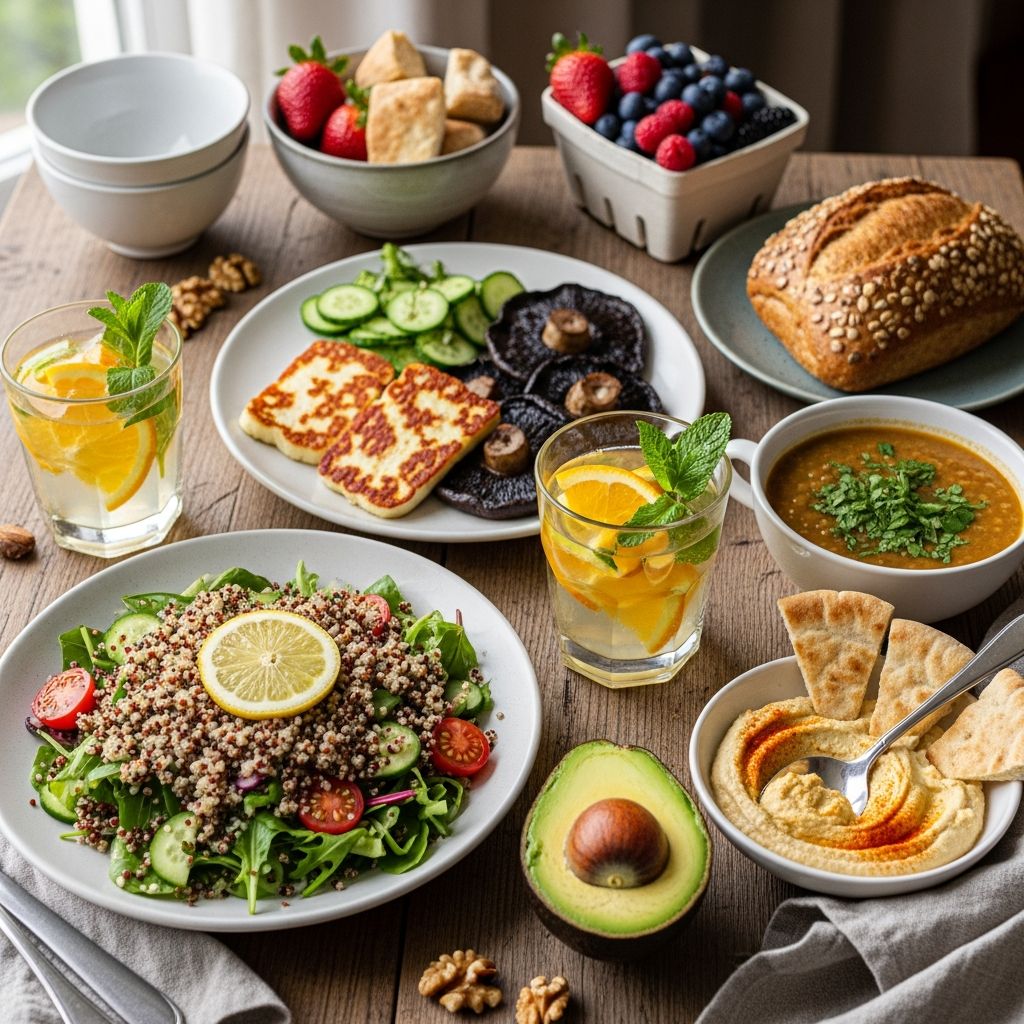
Vegetarian meals are surging in popularity, even among those who occasionally eat meat. As more people cut back on animal products, a key question arises: Can vegetarian and vegan diets truly support optimal health? The resounding answer is yes—they absolutely can, when properly planned. Yet, persistent myths cloud public perception, often deterring potential adopters. This article separates fact from fiction, drawing on evidence-based insights to empower you with knowledge for a thriving plant-based lifestyle.
From protein worries to bone health concerns, we’ll tackle the top misconceptions head-on. Backed by recommendations from the Academy of Nutrition and Dietetics, a leading authority in dietary guidance, these facts ensure you can confidently embrace vegetarian eating without nutritional gaps.
Myth #1: Vegetarians and vegans have a hard time getting enough protein
Meat is often equated with protein, leading many to believe plant-based eaters fall short. In reality, protein is abundant in diverse plant foods, making deficiency rare in well-planned diets. Plant proteins offer bonus benefits: higher dietary fiber and lower saturated fat compared to animal sources, aligning perfectly with heart-healthy eating patterns.
Versatile options abound. Beans, lentils, peas, soy products like tofu and tempeh, nuts, seeds, and even whole grains like quinoa and oats deliver ample protein. Lacto-ovo vegetarians can rely on eggs and low-fat dairy for extra boosts. Vegans thrive with high-protein meals such as bean burritos, tofu stir-fries with veggies, or hearty lentil chili.
- Daily protein tip: Aim for a variety of sources throughout the day to ensure all essential amino acids are covered. No need for perfect combinations in one meal—your body pools them over 24 hours.
- Sample high-protein vegan day: Breakfast oatmeal with nuts; lunch lentil soup; dinner tempeh tacos; snacks: edamame or peanut butter on whole-grain toast.
Research confirms vegetarians easily meet protein needs with sufficient calorie intake and food variety, debunking this outdated myth.
Myth #2: To build strong bones, you must include dairy in your diet
Dairy’s calcium reputation overshadows other sources, but strong bones require calcium, vitamin D, protein, and more—all accessible without milk. Plant powerhouses like kale, broccoli, bok choy, calcium-fortified tofu, and almond or soy milk provide bioavailable calcium. Note: High-oxalate foods like spinach and rhubarb contain calcium but hinder absorption, so diversify your greens.
| Calcium-Rich Plant Foods | Serving Size | Calcium (mg) |
|---|---|---|
| Kale (cooked) | 1 cup | 180 |
| Broccoli (cooked) | 1 cup | 60 |
| Fortified plant milk | 1 cup | 300-450 |
| Tofu (calcium-set) | 1/2 cup | 400+ |
| Almonds | 1 oz | 75 |
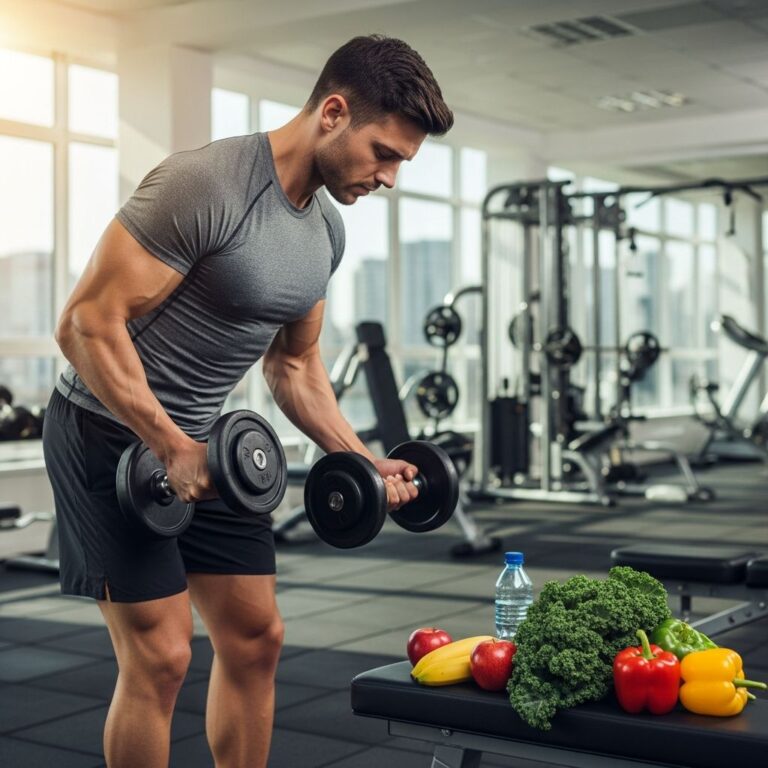
Data adapted from USDA nutrient database and Academy guidelines. Boost vitamin D via fortified cereals, juices, UV-exposed mushrooms, or sunlight. Supplements may suit some, especially with limited sun exposure. Pair nutrition with weight-bearing exercises: yoga, running, walking, or strength training to maximize bone density.
Studies show well-nourished vegetarians and vegans maintain bone health comparable to omnivores, proving dairy isn’t essential.
Myth #3: Eating soy increases risk of breast cancer
Headlines have fueled soy fears, but science tells a different story. No evidence links moderate soy consumption to increased breast cancer risk; in fact, early-life intake may lower lifetime risk. Soy’s isoflavones mimic estrogen weakly but offer protective effects, particularly against hormone-related cancers.
Related Stories



For vegans, soy excels as a protein-calcium duo in forms like edamame, tempeh, and tofu—less processed and more nutrient-dense than isolates. Variety remains crucial: rotate proteins to avoid over-reliance on any one source.
- Soy benefits: Reduces menopause symptoms, supports heart health via cholesterol-lowering effects.
- Safe intake: 1-2 servings daily (e.g., 1/2 cup tofu or 1 cup soymilk) fits all diets.
- Pro tip: Choose whole or minimally processed soy over heavily refined products.
Global populations with lifelong soy consumption, like in Asia, show lower breast cancer rates, reinforcing soy’s safety.
Myth #4: Vegetarian diets are not appropriate for pregnancy, childhood or athletics
Life stages demand more nutrients, but plant-based diets adapt seamlessly with planning. Pregnancy, lactation, childhood, and athletics all benefit from vegetarian patterns when fortified foods and supplements fill gaps like B12 (animal-exclusive) or extra iron.
Pregnant individuals need more iron, absorbed less efficiently from plants—pair with vitamin C-rich foods like citrus. Kids grow strong on beans, nuts, dairy/fortified alternatives. Athletes fuel performance with carb-rich grains, protein-packed legumes, and energy-dense nuts.
| Life Stage | Key Nutrients | Plant Sources/Strategies |
|---|---|---|
| Pregnancy | Iron, Folate, B12 | Lentils + oranges; fortified cereals; B12 supp. |
| Childhood | Calcium, Protein, Zinc | Fortified milk alt.; beans/nuts; variety. |
| Athletics | Energy, Protein, Carbs | Whole grains, tofu, fruits; calorie surplus. |
Academy experts affirm: Well-planned vegetarian/vegan diets suit all ages and activities.
Myth #5: If something is vegetarian, it means it is healthy
“Vegetarian” labels don’t guarantee nutrition. Oreos are vegan, but junk food nonetheless. Processed veggie burgers, sugary cereals, and salty chips can derail health despite no meat. Prioritize whole foods: veggies, fruits, grains, lean proteins. Scrutinize Nutrition Facts for low saturated fat, added sugars, sodium.
- Healthy swaps: Homemade bean burgers over frozen; fresh fruit over sweetened yogurt.
- Plate method: Half veggies/fruits, quarter grains, quarter protein.
True health stems from quality, not just exclusion.
Types of Vegetarian Diets
Vegetarianism varies: Lacto-ovo includes dairy/eggs; lacto skips eggs; vegan excludes all animal products, even honey. Cultural variants like Jain (no root veggies) emphasize ethics.
Health Benefits of Vegetarian Eating
Lower obesity, heart disease risk, blood pressure; higher fiber, antioxidants. Plant diets cut calories/saturated fat naturally.
Healthy Vegetarian Eating Tips
- Base meals on grains, veggies, fruits, beans/nuts/seeds for fiber/protein.
- Use heart-healthy fats: olive oil, avocado.
- Read labels; diversify proteins daily.
Frequently Asked Questions (FAQs)
Q: Can vegetarians get enough iron?
A: Yes, from lentils, spinach, fortified cereals. Enhance absorption with vitamin C; consider supplements if needed.
Q: Is B12 a concern for vegans?
A: Absolutely—supplement or eat fortified foods, as it’s solely from animal sources.
Q: How to start vegetarian eating?
A: Gradually swap meats with plants; plan around whole foods; consult a dietitian.
Q: Are vegetarian diets cheaper?
A: Often yes—beans, grains beat meat prices; focus on seasonal produce.
Q: Can kids be vegan?
A: With careful planning and professional guidance, yes.
References
- Building a Healthy Vegetarian Diet: Myths and Facts — Academy of Nutrition and Dietetics. 2023. https://www.eatright.org/health/wellness/vegetarian-and-plant-based/building-a-healthy-vegetarian-diet-myths
- Vegetarianism: The Basic Facts — Academy of Nutrition and Dietetics. 2023. https://www.eatright.org/health/wellness/vegetarian-and-plant-based/vegetarianism-the-basic-facts
- Vegetarian Nutrition — USDA National Agricultural Library. 2024. https://www.nal.usda.gov/human-nutrition-and-food-safety/vegetarian-nutrition
- Vegging Out: Tips on Switching to a Meatless Diet — Academy of Nutrition and Dietetics. 2023. https://www.eatright.org/health/wellness/vegetarian-and-plant-based/vegging-out-tips-on-switching-to-a-meatless-diet
- Vegetarian and Plant-Based — Academy of Nutrition and Dietetics. 2023. https://www.eatright.org/health/wellness/vegetarian-and-plant-based
Similar Articles








Read full bio of medha deb