Building Better Muscle: Science-Based Strategies for Strength
Master muscle building with evidence-based strategies, resistance training, and nutrition science from Harvard experts.

Building Better Muscle: A Comprehensive Guide to Strength and Health
Building muscle is far more than achieving an aesthetic physique—it’s a fundamental component of long-term health and vitality. Whether you’re in your twenties or your seventies, developing and maintaining muscle mass provides protective benefits against injury, supports metabolic health, improves bone density, and enhances overall quality of life. The good news is that building better muscle doesn’t require complicated routines or expensive equipment. Instead, it relies on understanding the science behind muscle development and applying evidence-based strategies consistently.
Why Muscle Matters More Than You Think
Muscle tissue serves as more than just the engine for physical movement. It functions as a metabolic powerhouse, directly influencing how your body processes energy and maintains healthy weight. When you have more muscle mass, your resting metabolic rate increases, meaning you burn more calories even when sitting still. This becomes increasingly important as you age, as muscle mass naturally declines without intentional effort to maintain it.
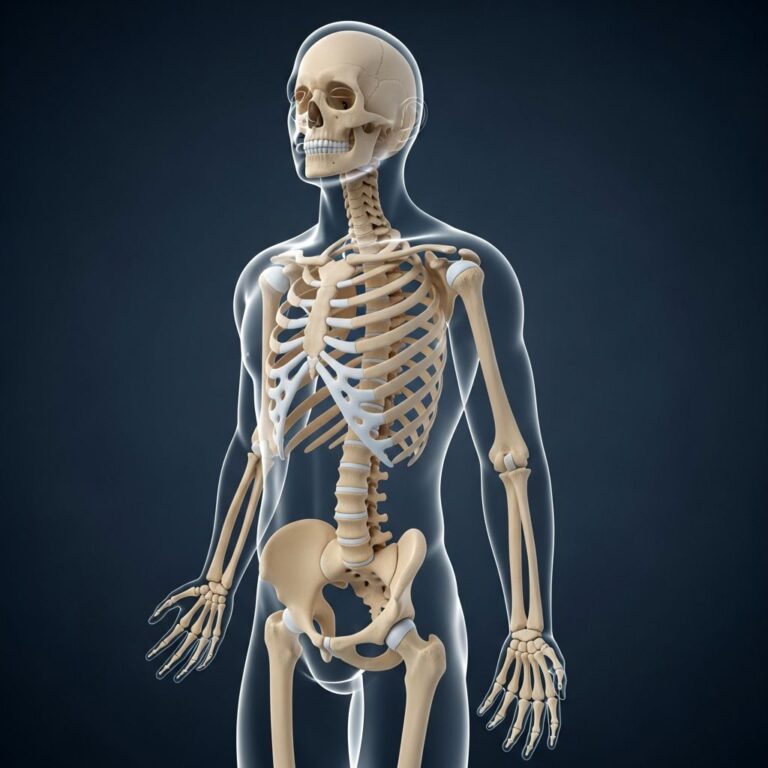
Beyond metabolism, muscles protect your skeletal system, support bone density, stabilize joints, and help prevent falls—a critical concern for injury prevention at any age. Research demonstrates that strength training can slow bone loss and even build bone mass, particularly in the hips, spine, and wrists, which are the most vulnerable sites for fractures. Additionally, muscles produce chemical signals that communicate with virtually every cell in your body, influencing everything from blood sugar regulation to immune function and even mental health.
Understanding How Muscles Adapt and Grow
Your muscles don’t grow passively. Instead, they respond dynamically to the demands you place on them through a process called adaptation. When you engage in resistance training, muscle fibers experience microscopic damage that triggers the body’s repair mechanisms. During recovery, your body synthesizes new proteins to repair and reinforce these fibers, making them stronger and, over time, larger.
The remarkable thing about muscle adaptation is its specificity. Muscles adapt to the exact type of work you demand of them. Endurance training produces muscles rich in mitochondria and oxidative enzymes optimized for sustained activity, while resistance training builds strength and power. Your neuromuscular system also learns and improves, recruiting muscle fibers more efficiently through better coordination and synchronization of motor neurons. This explains why you can become significantly stronger even before visible muscle growth occurs—your nervous system is learning to use existing muscle more effectively.
The Foundation: Resistance Training
Resistance training stands as the most effective method for building and maintaining muscle mass. This category encompasses various approaches, each with unique benefits:
Types of Resistance Training
Weightlifting and Free Weights: Traditional weight training with barbells and dumbbells remains highly effective for building muscle. The key is progressive overload—gradually increasing the weight or resistance over time to continuously challenge your muscles.
Bodyweight Exercises: Push-ups, squats, lunges, and planks provide excellent resistance without requiring equipment. These functional movements engage multiple muscle groups simultaneously and improve stability and coordination.
Resistance Bands: These portable tools offer variable resistance that changes throughout the movement, providing unique training stimulus and excellent for rehabilitation and accessibility.
Related Stories



High-Intensity Interval Training (HIIT): HIIT combines cardiovascular benefits with resistance elements, offering efficient workouts that build muscle while improving heart health. The viral 7-minute workout exemplifies this approach, combining rapid resistance movements with minimal rest periods.
Frequency and Volume Recommendations
Research from Harvard indicates that healthy adults should incorporate resistance training two to three days per week, with each session lasting approximately 45 minutes. This frequency allows sufficient stimulus for muscle growth while providing adequate recovery between sessions. The distribution matters—spacing resistance workouts throughout the week optimizes adaptation while reducing injury risk.
Regarding intensity and volume, research shows that you can build strong, sturdy muscles using either heavy weights with fewer repetitions or lighter weights with more repetitions. The principle of progressive overload applies to both approaches: continuously increasing either the weight lifted or the total volume performed over time.
Nutrition: Fueling Muscle Development
Exercise provides the stimulus for muscle growth, but nutrition supplies the raw materials. Without proper nutritional support, even the most rigorous training program yields suboptimal results.
Protein: The Essential Building Block
Protein serves as the fundamental building block of muscle tissue. When you consume protein, your digestive system breaks it into amino acids, which your body reassembles into new muscle proteins. To support muscle building, aim for adequate protein intake distributed throughout the day. Consuming protein consistently, particularly around workout times, optimizes muscle protein synthesis and supports recovery.
Comprehensive Nutritional Support
While protein receives primary focus, complete muscle health requires a balanced nutritional foundation:
Complex Carbohydrates: These fuel your workouts by replenishing muscle glycogen stores and providing sustained energy for training intensity.
Healthy Fats: Essential for hormone production, including testosterone, which plays a crucial role in muscle development.
Micronutrients: Vitamin D, calcium, and magnesium directly support muscle function and bone health, both essential for sustained muscle development.
A registered dietitian can help create a personalized nutrition plan that supports your specific training goals and lifestyle.
Recovery: Where the Magic Happens
A counterintuitive truth about muscle building: growth occurs during rest, not during the workout itself. Exercise creates the demand for adaptation, but recovery enables the actual building process.
Sleep’s Critical Role
Quality sleep represents one of the most powerful muscle-building tools at your disposal. During sleep, your body increases growth hormone production and protein synthesis, directly driving muscle repair and development. Aim for 7-9 hours of quality sleep per night to support optimal muscle adaptation and overall health. Sleep also improves workout performance by enhancing focus, coordination, and strength output.
Active Recovery and Rest Days
Beyond sleep, strategically placed rest days allow muscle tissue to fully repair and adapt. This doesn’t mean complete inactivity—light activities like walking or easy stretching on non-resistance training days support recovery without imposing additional stress. Listen to your body; persistent fatigue or declining performance indicates insufficient recovery.
Complementary Exercises for Functional Strength
While resistance training forms the core of muscle-building programs, complementary activities enhance overall fitness and functional capacity.
Walking and Cardiovascular Activity
Walking appears deceptively simple, yet research confirms its powerful health benefits. If you’re not currently exercising regularly, Harvard experts recommend starting with 10-15 minute walks and gradually building to 30 or 60-minute sessions. Walking improves cardiovascular health, enhances bone density through weight-bearing activity, and supports metabolic health without the joint stress of high-impact running.
Pelvic Floor Strengthening
Often overlooked, Kegel exercises strengthen the pelvic floor muscles, including the uterus, bladder, small intestine, and rectum. These muscles weaken with age in both men and women, potentially causing embarrassing issues like bladder leakage or unintended gas passage. Regular pelvic floor exercises maintain their strength and resilience, preventing these problems and supporting overall pelvic health.
Age-Specific Considerations
Muscle-building principles remain consistent across ages, yet specific approaches optimize results for different life stages.
Young Adults
This prime time for muscle development offers the biological advantage of high testosterone levels and rapid protein synthesis. Young adults should establish consistent resistance training habits, develop proper movement patterns, and build a strong foundation for lifelong fitness.
Middle-Aged Adults
Middle age brings gradual hormonal changes and increased life demands. Maintaining consistency becomes crucial, and addressing any movement limitations through mobility work supports long-term sustainability and injury prevention.
Older Adults
Sarcopenia—age-related muscle loss—accelerates after age 50, potentially decreasing muscle mass by 3-8% per decade. However, resistance training remains highly effective even in advanced age. Strength training helps maintain muscle mass, supports independence, reduces fall risk through improved balance and power, and maintains the resting metabolic rate that supports healthy weight management.
The Importance of Consistency
One fundamental principle supersedes all others: consistency determines success. Building muscle requires sustained effort over weeks and months. The most effective workout program is the one you’ll actually follow. Starting with manageable goals and realistic expectations increases the likelihood of long-term adherence. Whether you prefer gym-based training, home workouts, or a combination, finding an approach you genuinely enjoy significantly improves your chances of maintaining the consistency that drives results.
Molecular Mechanisms Behind Muscle Growth
Understanding the science adds depth to your training approach. When muscles contract during exercise, they signal complex cellular machinery to increase protein expression, improve fuel oxidation, and enhance glucose transport. One key molecule, AMP kinase, regulates these adaptations by promoting fatty acid oxidation and potentially regulating PGC-1, a protein that increases mitochondria in muscle cells and can even induce switches in muscle fiber type toward more fatigue-resistant endurance fibers.
During vigorous aerobic exercise, your body undergoes remarkable systemic adaptations extending far beyond the muscles themselves. You develop more mitochondria and oxidative enzymes, grow new capillaries in muscles and the brain, strengthen your heart, increase circulating red blood cells, improve blood pressure, and enhance oxygen-carrying capacity. These changes underscore exercise’s profound impact on overall health—building muscle is simultaneously building a healthier cardiovascular system, stronger bones, and improved metabolic function.
Common Challenges and Solutions
Plateau in Progress
If progress stalls, implement progressive overload by increasing weight, repetitions, or sets. Varying exercises and training methods prevents adaptation plateaus.
Time Constraints
Even 20-30 minutes of focused resistance training twice weekly provides significant benefits. Short, high-intensity sessions offer excellent returns for busy schedules.
Joint Pain or Limitations
Modify exercises to accommodate limitations, focus on pain-free range of motion, and consider professional guidance to ensure proper technique.
Frequently Asked Questions
Q: How long does it take to see muscle-building results?
A: You may notice strength improvements within 2-4 weeks as your neuromuscular system adapts. Visible muscle growth typically appears within 6-8 weeks of consistent training, though results vary based on genetics, nutrition, recovery, and training intensity.
Q: Can I build muscle without heavy weights?
A: Yes. Bodyweight exercises, resistance bands, and lighter weights with higher repetitions effectively build muscle through progressive overload. The key is challenging your muscles consistently.
Q: Is cardio bad for muscle building?
A: Moderate cardio supports overall health and recovery. Excessive high-mileage running without adequate protein and calories may interfere with muscle building, but moderate cardiovascular activity complements resistance training.
Q: What’s the best time to eat protein for muscle building?
A: While post-workout timing has modest benefits, total daily protein intake matters most. Distribute protein throughout the day and ensure adequate overall consumption to support muscle development.
Q: Can older adults build muscle as effectively as younger people?
A: Yes, though the process may be slightly slower. Older adults require slightly more protein per meal and consistent training, but resistance exercise remains highly effective for building and maintaining muscle at any age.
References
- A Harvard doctor says these are the best exercises for your body — The Independent. 2020. https://www.the-independent.com/life-style/best-exercises-body-weight-loss-muscle-building-harvard-doctor-a8001401.html
- The True Magic Pill: Why Exercise Outperforms Every Drug — Harvard Magazine. 2023. https://www.harvardmagazine.com/2023/harvard-scientists-exercise-science-and-health
- Strength training builds more than muscles — Harvard Health. 2023. https://selfcare.firstprinciplesofmovement.com/2023/01/18/strength-training-builds-more-than-muscles-harvard-health/
- Why Muscle Mass Matters and How to Keep It — Massachusetts General Hospital. 2023. https://www.massgeneral.org/news/article/why-muscle-mass-matters-and-how-to-keep-it
Similar Articles








Read full bio of Sneha Tete