Overcoming Skin Insecurities: Practical Steps For Confidence
Discover practical strategies to embrace your skin and boost self-worth, turning visible challenges into sources of strength and resilience.
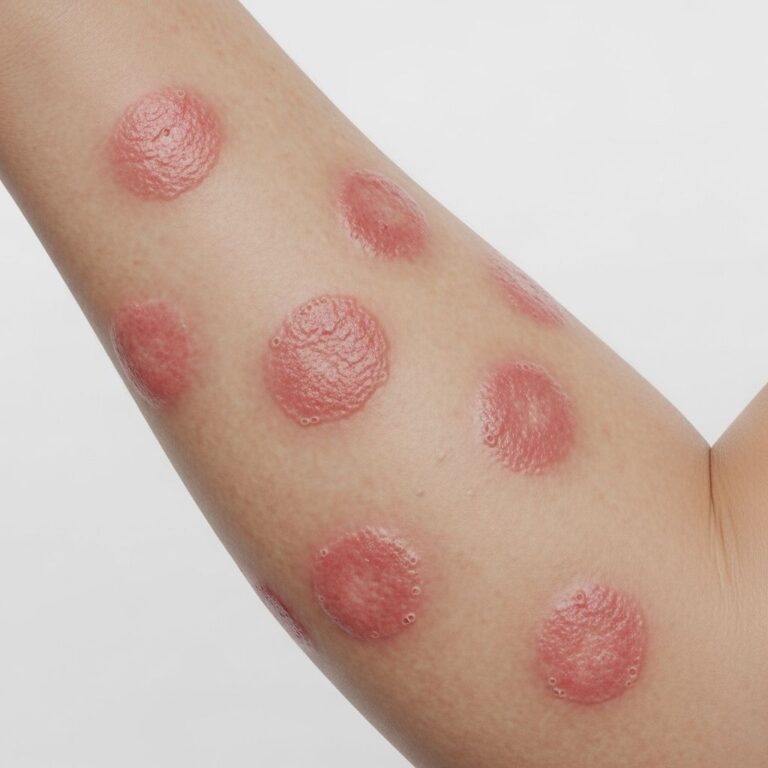
Visible skin conditions like eczema often spark deep-seated insecurities that affect daily life and emotional well-being. This article outlines actionable steps to cultivate self-acceptance, reframe negative thoughts, and develop resilience, drawing from psychological insights to help you thrive despite skin challenges.
Understanding the Roots of Skin-Related Self-Doubt
Skin conditions can amplify feelings of inadequacy, leading to avoidance of social situations or constant self-consciousness. These emotions stem from a mix of societal beauty standards and personal experiences, where visible differences feel like spotlighted flaws. Research shows that such insecurities engage the body’s stress response, shifting the autonomic nervous system into fight, flight, or freeze modes, which heighten anxiety and withdrawal.
Common triggers include stares from strangers, unflattering photos, or clothing that reveals affected areas. Over time, these moments build a narrative of unworthiness, but recognizing them as universal human responses is the first step toward change. Factors like recent rejections or life changes can intensify this, with studies indicating up to 40% of happiness ties to real-life events influencing self-view.
Reframing Your Inner Critic for Lasting Change
The mind’s negative voice often exaggerates flaws, saying things like “No one will accept me like this.” Counter this by externalizing the critic: write its messages in the third person, trace their origins to past influences, and challenge them with evidence of your strengths. For instance, replace “My skin makes me unlovable” with “I’m learning to care for my skin, and my worth goes beyond appearance.” This cognitive reframing, rooted in cognitive behavioral techniques, disrupts harmful patterns.
- Identify triggers: Note situations sparking doubt, such as mirrors or social media.
- Question validity: Ask, “What proof supports this thought? What contradicts it?”
- Adopt compassionate language: Treat yourself as you’d advise a friend facing the same issue.
Expanding your “window of tolerance”—the emotional range for handling stress—helps too. Rhythmic activities like walking regulate the nervous system, pulling you back to calm.
Cultivating Self-Compassion in Everyday Moments
Self-compassion acts as a buffer against insecurity, involving kindness toward yourself during flare-ups. Instead of harsh judgment, acknowledge struggles with phrases like “This is tough, but I’m doing my best.” Practices include daily affirmations focused on non-physical traits, such as creativity or kindness, building a balanced self-image.
Therapists recommend confronting insecurities head-on: lean into discomfort by attending events or sharing photos, proving to yourself that outcomes aren’t catastrophic. This exposure builds proof against the inner critic, fostering accomplishment and growth.
| Negative Thought | Compassionate Reframe | Action Step |
|---|---|---|
| People stare and judge my skin | Most are focused on their own lives; my skin doesn’t define interactions | Make eye contact and smile during encounters |
| I hate how I look in photos | Photos capture moments, not my full value | Post one intentionally, noting positive feedback |
| Flare-ups ruin my confidence | Flare-ups are temporary; I have tools to manage them | Practice skincare routine mindfully |
Related Stories



Practical Habits to Strengthen Inner Resilience
Daily routines anchor confidence. Start with grounding techniques: deep breathing or sensory focus (e.g., feeling feet on the ground) to signal safety to your nervous system. Celebrate micro-wins, like completing a moisturizing session or trying a new outfit, to momentum-build self-trust.
Gratitude journaling shifts focus: nightly list three non-appearance strengths or positives, countering scarcity mindsets. Engage in playful activities—dancing alone or nature walks—to reconnect with joy uninfluenced by looks. Co-regulation with trusted people, sharing vulnerabilities, expands emotional safety.
- Morning ritual: Affirm one unique quality while applying treatment.
- Midday check-in: Pause for 2-minute breathwork if doubt arises.
- Evening reflection: Note evidence disproving insecurities.
Leveraging Community and Professional Support
Isolation fuels doubt; connection combats it. Online forums for skin conditions offer solidarity, where shared stories normalize experiences. Professional therapy, especially trauma-informed approaches, unpacks roots like childhood teasing, using neurobiological tools for deep healing.
NHS guidelines emphasize challenging low self-esteem beliefs systematically, aligning with optimism-building to override pessimism. Group sessions or coaching provide accountability, turning abstract strategies into habits.
Long-Term Strategies for Unshakable Self-Acceptance
Self-acceptance is the endpoint: embracing quirks as part of your story frees energy from hiding. This doesn’t erase eczema but diminishes its emotional grip. Optimism, per psychological research, directly counters insecurity by anticipating positive outcomes. Patience is key—progress is nonlinear, rewarding consistency over perfection.
Incorporate variety: mix therapy with hobbies showcasing talents, reinforcing multifaceted identity. Over months, insecurities fade as evidence mounts you’re capable and valued.
Frequently Asked Questions (FAQs)
How long does it take to overcome skin insecurities?
Timelines vary, but consistent practices yield noticeable shifts in 4-8 weeks, with deeper change over 6-12 months.
Can therapy really help with appearance-related doubt?
Yes, modalities like CBT rewire thought patterns effectively, especially when addressing nervous system responses.
What if my insecurities affect relationships?
Open communication builds understanding; many partners value personality over perfection. Exposure reduces fear of rejection.
Are there quick fixes for confidence during flare-ups?
Grounding breaths and small wins provide immediate relief, bridging to long-term habits.
How do societal pressures impact skin confidence?
Idealized media fuels comparison; curating feeds and focusing inwardly mitigates this.
References
- Insecurities Impact on Mental Health — High Focus Centers. 2023. https://pa.highfocuscenters.com/insecurities-impact-mental-health/
- How to Overcome Insecurity: Insights from Psychology and Neuroscience — Lotus Therapy. 2024. https://lotustherapy.ca/how-to-overcome-insecurity-insights-from-psychology-and-neuroscience/
- How to Face the 3 Types of Insecurity and Improve Self Esteem — CoachHub. 2023. https://www.coachhub.com/blog/how-to-face-the-3-types-of-insecurity-and-improve-self-esteem
- 8 Practical Tips to Stop Being Insecure — CBT Psychology. 2024. https://cbtpsychology.com/tips-to-stop-being-insecure/
- 10 Therapist-Approved Tips for When You’re Feeling Insecure — WonderMind. 2023. https://www.wondermind.com/article/insecurity/
- Insecurity: A Guide to Self-Esteem & Well-Being — Great Lakes Mental Health. 2024-05-01. https://greatlakesmentalhealth.com/articles/2024/5/1/insecurity
- The Key to Overcoming Insecurity — Psychology Today. 2016-12. https://www.psychologytoday.com/us/blog/fulfillment-any-age/201612/the-key-overcoming-insecurity
- Raising low self-esteem — NHS. 2023. https://www.nhs.uk/mental-health/self-help/tips-and-support/raise-low-self-esteem/
Similar Articles








Read full bio of Sneha Tete