Building Muscle On A Vegetarian Diet: 5-Day Meal Plan For Gains
Achieve muscle growth with a well-planned vegetarian diet featuring plant-based proteins, carbs, and strategic meal timing.
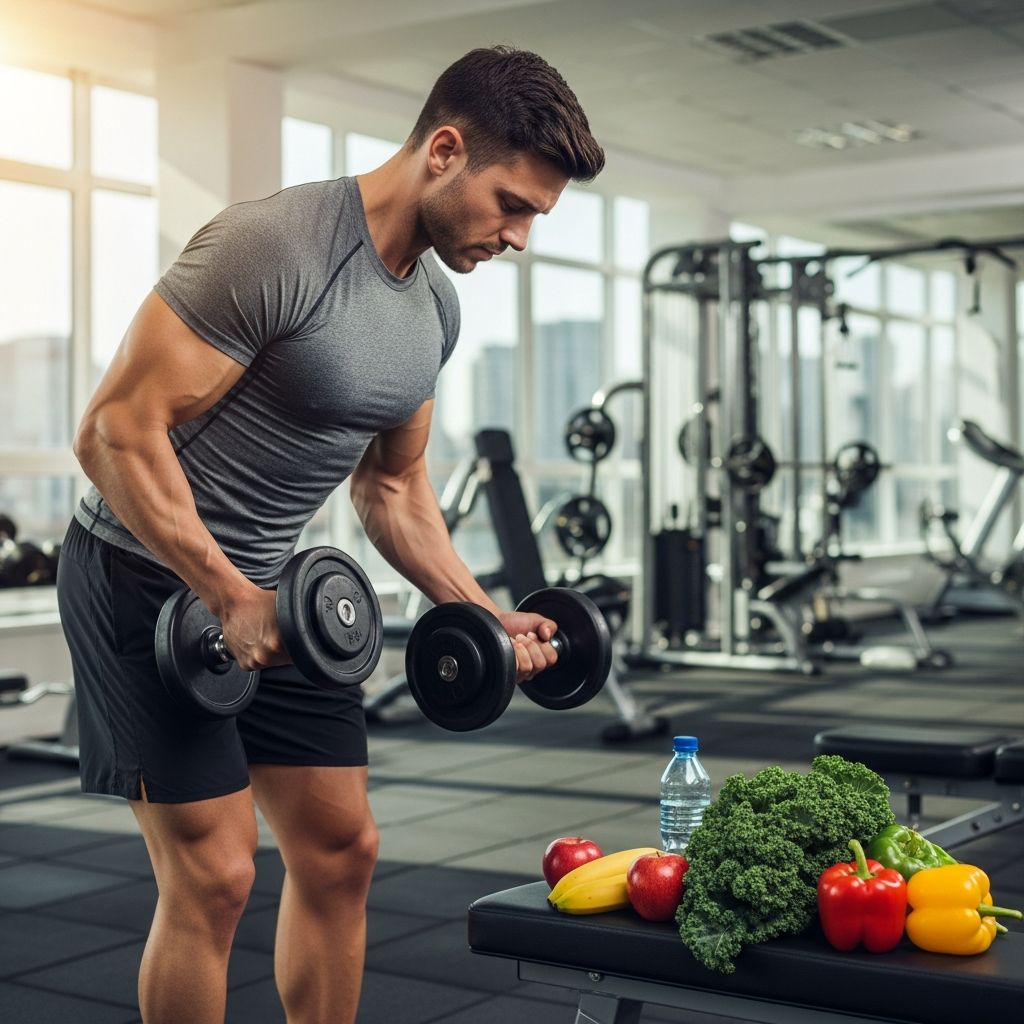
For years, the notion persisted that meat was essential for muscle building in athletes. However, modern nutrition science shows that a balanced
vegetarian diet
can fully support muscle development through diverse plant-based proteins. Well-planned vegetarian eating patterns meet energy demands and provide ample protein from sources like soy, beans, lentils, grains, nuts, and seeds—no supplements or special foods required.This guide covers everything from protein sources and meal strategies to training integration, helping beginner and intermediate athletes achieve gains on a vegetarian plan. Key is variety, calorie surplus, and pairing nutrition with strength training.
Types of Vegetarian Diets
Not all vegetarian diets are equal when it comes to muscle building. Consideration for the specific type ensures nutritional adequacy:
- Lacto-ovo vegetarian: Includes dairy and eggs alongside plant foods, offering complete proteins like Greek yogurt, cottage cheese, and eggs for easy muscle repair.
- Pescatarian: Adds fish, providing omega-3s and high-quality protein while remaining mostly plant-focused.
- Lacto-vegetarian: Dairy allowed, no eggs; rely on cheese, milk, and yogurt for leucine-rich proteins essential for muscle protein synthesis.
- Ovo-vegetarian: Eggs permitted, no dairy; eggs supply all essential amino acids.
- Vegan: Excludes all animal products; success demands combining plant proteins (e.g., beans + rice) and possible supplementation for B12, iron.
Regardless of type, prioritize
energy balance
and protein variety to mimic the benefits of omnivorous diets.Protein Needs for Muscle Building
Athletes building muscle require 1.4-2.2g of protein per kg of body weight daily, depending on training intensity, muscle mass, and gender—for an 80kg person, that’s 112-176g. Plant proteins are sufficient when consumed in adequate amounts and combinations, as they provide all essential amino acids collectively.
Top
plant-based protein sources
include:- Legumes: Beans, lentils, chickpeas, peas—high in fiber and protein (e.g., 1 cup lentils: 18g protein).
- Soy products: Tofu, tempeh, edamame—complete proteins with 20-25g per serving.
- Seitan: Wheat gluten, up to 25g protein per 3oz.
- Grains: Quinoa, oats, brown rice, amaranth—pair with legumes for completeness.
- Nuts and seeds: Almonds, walnuts, hemp, chia, pumpkin seeds—add healthy fats and 5-10g protein per handful.
- Dairy/eggs (if lacto-ovo): Greek yogurt (20g/cup), eggs (6g each).
- Supplements: Pea, rice, or soy protein powders for convenience.
Distribute protein evenly across 4-6 meals/snacks, with 20-40g per serving to maximize synthesis, especially post-workout.
Optimizing Your Vegetarian Diet for Gains
Success hinges on a
calorie surplus
of 300-500 calories above maintenance to fuel growth, emphasizing carbs (over 50% of calories) for energy, healthy fats for hormones, and proteins.| Macronutrient | Role in Muscle Building | Vegetarian Sources |
|---|---|---|
| Carbohydrates (50-60% calories) | Fuel workouts, replenish glycogen | Quinoa, oats, brown rice, sweet potatoes, fruits |
| Protein (1.4-2.2g/kg) | Repair and build muscle | Tofu, lentils, Greek yogurt, nuts, seitan |
| Fats (20-30% calories) | Hormone production, calorie density | Avocados, nuts, olive oil, seeds |
Meal timing: Eat 5-6 small meals daily with protein + carbs + veggies + water. Post-workout: protein shake or tofu stir-fry within 2 hours. Include veggies/greens to curb cravings via fiber and hydration.
Related Stories



Supplementation considerations: Most needs are met via food, but vegans may need B12, D, iron, omega-3s (algae-based), creatine for enhanced performance. Consult a registered dietitian for personalization.
Sample 5-Day Vegetarian Meal Plan for Muscle Gain
This 5-day plan delivers ~175g protein daily, focusing on variety and ease. Adjust portions for your needs.
Monday
- Breakfast: Hazelnut latte protein shake (plant protein powder + almond milk) or vegan shake.
- Snack: Two plums + almonds.
- Lunch: Chickpea veggie curry with quinoa.
- Snack: Oatcakes + hummus.
- Dinner: Grilled tempeh, roasted sweet potatoes, broccoli, pumpkin seeds.
Tuesday
- Breakfast: Coconut yogurt, blueberries, flaked almonds.
- Snack: Edamame beans.
- Lunch: Mixed bean salad, quinoa, avocado, tahini dressing.
- Snack: Carrot sticks + hummus.
- Dinner: Black bean veggie enchiladas + brown rice.
Wednesday
- Breakfast: Porridge oats, raisins, almond butter.
- Snack: Rice cake, smashed avocado, chili flakes.
- Lunch: Red pepper, tomato, lentil soup.
- Snack: Oatcakes + hummus.
- Dinner: Stir-fried tofu, veggies, wholewheat noodles.
Thursday
- Breakfast: Vanilla oat almond protein shake.
- Snack: Rye cracker + butter bean mash.
- Lunch: Lentil soup + wholegrain bread.
- Snack: Banana + walnuts.
- Dinner: Grilled seitan skewers, quinoa, roasted veggies.
Friday
- Breakfast: Soy yogurt, almond butter, mixed berries.
- Snack: Chia seed pudding.
- Lunch: Indian black daal.
- Snack: Protein energy balls.
- Dinner: Baked tofu, stir-fried veggies, brown rice.
These meals emphasize whole foods, hitting macros while keeping prep simple. Rotate for a 7-day cycle by repeating/adapting.
Strength Training Essentials
Nutrition alone won’t build muscle—**strength training** is crucial, at least 2-4x weekly with progressive overload (e.g., squats, deadlifts, bench presses, rows). Vegetarians gain strength comparably to omnivores when calories/protein match. Combine with recovery: 7-9 hours sleep, hydration, stress management.
Frequently Asked Questions
Can vegetarians build as much muscle as meat-eaters?
Yes, with proper planning—studies show equivalent gains via plant proteins.
How much protein do vegetarian athletes need?
1.4-2.2g/kg bodyweight, spread across meals.
What if I’m vegan—any extra challenges?
Combine proteins and supplement B12/iron if needed, but muscle building is fully achievable.
Do I need protein supplements?
Not essential if whole foods suffice, but useful for convenience.
How do carbs fit into muscle building?
Over 50% of calories from quality carbs fuel training and recovery.
References
- The Five-Day Vegetarian Meal Plan For Muscle Gain — Coach. 2023. https://www.coachweb.com/nutrition/muscle-building-meals/3905/muscle-building-vegetarian-meal-plan
- Plant-Powered Gains: The Ultimate Guide to Building Muscle on a Vegetarian or Vegan Diet — Sworkit. 2024. https://sworkit.com/nutrition/plant-powered-gains-the-ultimate-guide-to-building-muscle-on-a-vegetarian-or-vegan-diet
- Building Muscle on a Vegetarian Diet — Academy of Nutrition and Dietetics (eatright.org). 2024-10-15. https://www.eatright.org/fitness/sports-and-athletic-performance/beginner-and-intermediate/building-muscle-on-a-vegetarian-diet
- Vegan Bodybuilding Meal Plan: 7 Days of Plant-Based Gains — Berry Street. 2024. https://www.berrystreet.co/blog/vegan-bodybuilding-meal-plan
- 7-Day High Protein Vegan Meal Plan For Muscle Building — Nourish. 2025-01-01. https://www.usenourish.com/blog/high-protein-vegan-meal-plan
Similar Articles








Read full bio of medha deb