Building a Plan for Healthy Eating
Create a sustainable, personalized nutrition strategy for long-term health and wellness success.
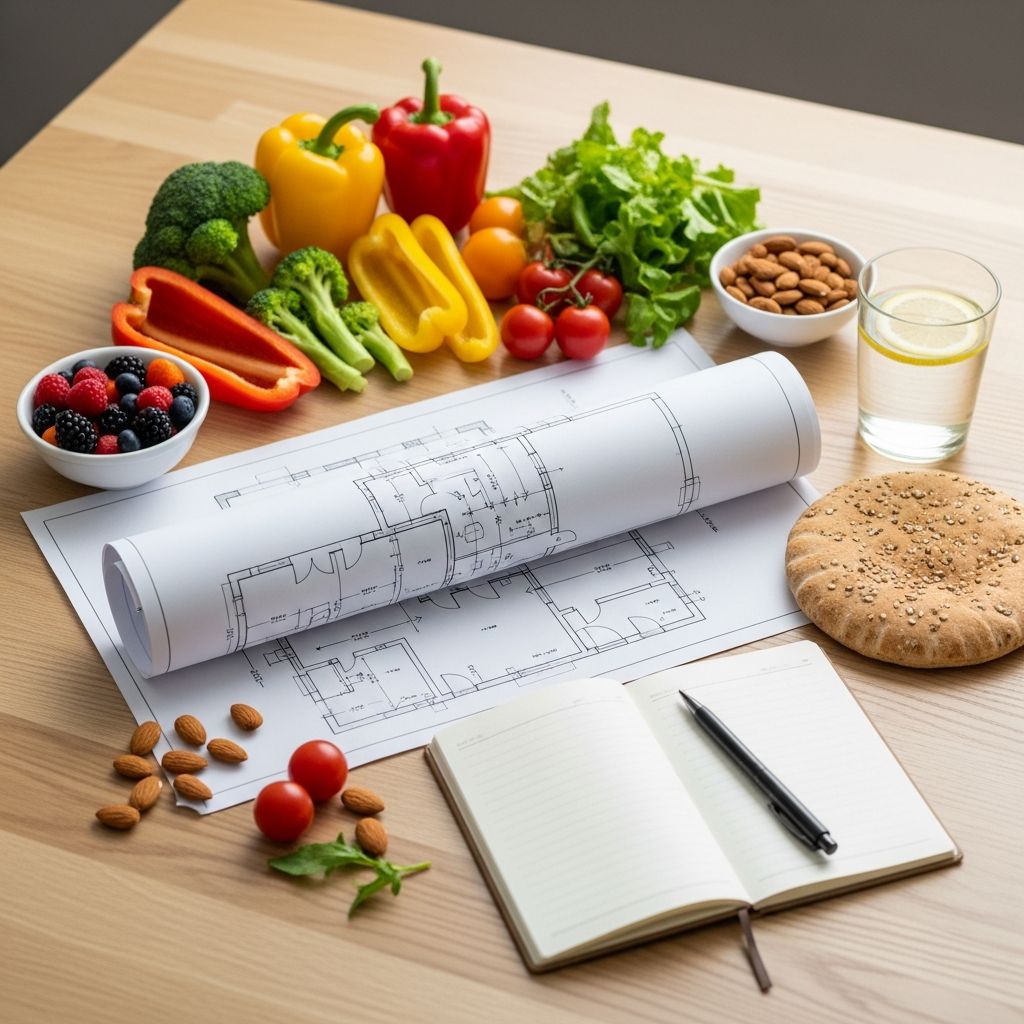
Building a Plan for Healthy Eating: Your Guide to Sustainable Nutrition
Creating a sustainable eating plan is one of the most impactful decisions you can make for your long-term health and wellbeing. Rather than following restrictive fad diets that promise quick results, building a thoughtful nutrition strategy helps you develop habits that last a lifetime. Whether your goal is to maintain a healthy weight, prevent chronic diseases, or simply feel more energized, a well-designed eating plan provides the foundation for achieving these objectives.
Understanding the Fundamentals of Healthy Eating
A healthy eating pattern focuses on whole, minimally processed foods that provide essential nutrients your body needs to function optimally. The latest scientific evidence demonstrates that a plant-based diet rich in vegetables, whole grains, healthy fats, and quality proteins significantly lowers the risk of weight gain and chronic disease. Rather than obsessing over calorie counting or eliminating entire food groups, effective nutrition planning emphasizes consuming nutrient-dense foods that nourish your body.
The key to successful healthy eating is understanding that there is no one-size-fits-all approach. Different people have varying nutritional needs, cultural preferences, food accessibility, and health goals. The most effective eating patterns are those you can maintain consistently over time, adapting them to fit your lifestyle, preferences, and individual circumstances.
The Harvard Healthy Eating Plate Framework
Developed by nutrition experts at Harvard School of Public Health, the Healthy Eating Plate provides a practical visual guide for building balanced meals. This evidence-based framework addresses critical gaps in government nutrition guidelines and offers clear, actionable recommendations.
Key Components of the Healthy Eating Plate
Vegetables and Fruits (½ of your plate)
Fill approximately half your plate with vegetables and fruits at every meal. Aim for variety and color, as different colored produce contains different beneficial compounds. Include leafy greens, red peppers, broccoli, carrots, and other colorful options. However, keep in mind that potatoes and french fries don’t count as vegetables on the Healthy Eating Plate because of their negative impact on blood sugar.
Whole Grains (¼ of your plate)
Choose whole and intact grains such as whole wheat, barley, wheat berries, quinoa, oats, and brown rice. Whole grains have a gentler effect on blood sugar and insulin compared to refined grains like white bread and white rice. Look for products made with whole grains, including whole wheat pasta, to ensure you’re getting maximum nutritional benefit.
Protein (¼ of your plate)
Incorporate healthy protein sources including fish, poultry, beans, and nuts. These options provide superior nutritional profiles compared to red meat and processed meats. The Harvard Healthy Eating Pattern emphasizes the importance of protein quality, not just quantity, recommending choices like salmon rich in omega-3 fatty acids, legumes high in fiber, and nuts containing beneficial fats.
Healthy Oils and Fats
Use healthy oils for cooking, on salads, and at the table. Include sources of unsaturated fats while limiting saturated fats and avoiding trans fats. This differs significantly from many government guidelines that don’t adequately address the importance of beneficial fats in disease prevention.
Beverages
Drink primarily water, tea, or coffee. Limit milk and dairy products to one to two servings daily, and restrict juice to a small glass per day. Avoid sugary drinks entirely, as they contribute to weight gain and increase risk of type 2 diabetes and other chronic conditions.
Why Personalization Matters in Nutrition Planning
The Harvard Healthy Eating Pattern offers a flexible framework specifically designed to support diverse health needs and can be implemented gradually through small, sustainable changes. This makes it an accessible approach for people of all income levels and circumstances. Rather than overhauling your entire diet overnight, successful nutrition planning involves gradual modifications that become permanent lifestyle habits.
Some individuals may benefit from the Mediterranean dietary pattern, which emphasizes olive oil, fish, vegetables, legumes, and moderate wine consumption. Others may find success with plant-based approaches or modified versions of dietary plans. The Planetary Health Diet represents another evidence-based option that balances individual health with environmental sustainability, focusing on fruits, vegetables, nuts, legumes, and whole grains with moderate amounts of meat and dairy.
Steps to Building Your Personal Eating Plan
Step 1: Assess Your Current Eating Habits
Begin by honestly evaluating what you currently eat. Track your meals for several days, noting not just foods consumed but also when and why you eat them. This awareness helps identify patterns, triggers, and areas for improvement. Notice which foods make you feel energized and which leave you sluggish or unsatisfied.
Step 2: Identify Your Health Goals
Clarify what you want to achieve through improved nutrition. Whether your objectives involve weight management, disease prevention, increased energy, better digestion, or improved athletic performance, specific goals guide your planning process. Research shows that following evidence-based eating patterns like the Harvard Healthy Eating Pattern can reduce premature death risk by approximately 20% and decrease rates of cancer, respiratory diseases, type 2 diabetes, and cardiovascular disease.
Step 3: Choose Your Framework
Select an eating pattern that aligns with your goals, preferences, and lifestyle. Whether you choose the Harvard Healthy Eating Plate, Mediterranean diet, DASH pattern, or another evidence-based approach, consistency matters more than perfection. The best plan is one you can maintain long-term.
Step 4: Plan Your Meals
Develop a weekly meal plan that incorporates the nutritional principles you’ve chosen. Include breakfast, lunch, dinner, and healthy snacks. Planning ahead prevents impulsive food choices and ensures you have nutritious options readily available.
Step 5: Build Sustainable Habits
Implement changes gradually rather than drastically. Small modifications—swapping white rice for brown rice, adding an extra vegetable to dinner, choosing water instead of soda—accumulate into significant health improvements over time.
Practical Tips for Healthy Eating Success
Shop the Perimeter
When grocery shopping, focus on the store’s perimeter where whole foods like produce, dairy, and meat are typically located. The center aisles contain more processed, packaged products. Reading ingredient lists helps you identify whole foods versus heavily processed options.
Prepare Meals at Home
Cooking at home gives you control over ingredients and portion sizes. Restaurant and takeout foods typically contain excess sodium, added sugars, and unhealthy fats. Regular home cooking supports both your health and your budget.
Stay Active
Physical activity complements healthy eating in supporting weight management and chronic disease prevention. Aim for at least 150 minutes of moderate activity weekly, combined with muscle-strengthening exercises. The Healthy Eating Plate specifically includes a reminder about staying active as part of overall wellness.
Practice Portion Control
Using the plate model—filling half with vegetables and fruits, quarters with whole grains and protein—naturally helps with portion management without requiring precise calorie counting.
Stay Hydrated
Drinking adequate water supports numerous bodily functions and often helps distinguish between true hunger and thirst. Aim for eight to ten glasses daily, adjusting for activity level and climate.
Comparing Different Healthy Eating Approaches
| Eating Pattern | Primary Focus | Key Benefits | Best For |
|---|---|---|---|
| Harvard Healthy Eating Plate | Balanced whole foods, plant emphasis | Disease prevention, longevity, flexibility | Long-term sustainable health |
| Mediterranean Diet | Olive oil, fish, vegetables, legumes | Heart health, cognitive function | Cardiovascular disease prevention |
| DASH Diet | Low sodium, whole foods | Blood pressure reduction | Hypertension management |
| Plant-Based Diets | Minimally processed plants | Weight management, disease prevention | Environmental and health concerns |
Overcoming Common Obstacles
Limited Time
Batch cooking on weekends, using pre-cut vegetables, and keeping pantry staples on hand can reduce daily cooking time. Simple meals like grain bowls with roasted vegetables and protein take minimal effort.
Food Preferences
You don’t need to eat foods you dislike. Healthy eating patterns offer countless options, so experiment until you find nutritious choices you genuinely enjoy. This ensures long-term adherence.
Budget Constraints
Whole grains, beans, lentils, frozen vegetables, and seasonal produce offer excellent nutrition at reasonable prices. Planning meals around sales and buying in bulk further stretches your food budget.
Social Situations
You can make healthy choices while dining with friends and family. Look at menus beforehand, choose restaurants with multiple options, and don’t hesitate to request modifications to dishes.
Frequently Asked Questions About Healthy Eating Plans
Q: How quickly will I see results from changing my eating habits?
A: Some benefits appear quickly—increased energy, improved digestion, and better sleep often occur within days to weeks. Weight loss and disease prevention benefits develop more gradually, typically over weeks to months. The most important changes happen internally, including improved blood sugar control, reduced inflammation, and restored nutrient balance.
Q: Can I still enjoy favorite foods on a healthy eating plan?
A: Yes. Healthy eating emphasizes balance and moderation, not deprivation. You can include favorite foods in moderate portions as part of an overall balanced diet. The key is making these treats the exception rather than the rule.
Q: Is a healthy eating plan expensive?
A: Healthy eating can be affordable. While some specialty foods cost more, basic whole foods like beans, rice, seasonal vegetables, and eggs provide excellent nutrition inexpensively. Planning and shopping strategically keeps costs manageable.
Q: Do I need to follow a specific eating pattern perfectly?
A: No. Perfection isn’t necessary or realistic. Eating well approximately 80 percent of the time supports significant health benefits. The goal is developing sustainable patterns you can maintain lifelong, not achieving absolute dietary perfection.
Q: Should I count calories on a healthy eating plan?
A: Calorie counting isn’t essential when focusing on whole foods and appropriate portions using models like the Healthy Eating Plate. This intuitive approach often works better than strict calorie counting for many people.
Conclusion: Taking Action Today
Building a plan for healthy eating is an investment in your future health and quality of life. By understanding evidence-based nutritional principles, choosing an approach aligned with your preferences and goals, and implementing gradual, sustainable changes, you create lasting improvements in your wellbeing. Remember that your eating plan should evolve with your life circumstances, preferences, and health needs. Start with one or two changes, build momentum, and gradually develop a personalized nutrition strategy that supports your unique version of optimal health.
References
- An Analysis of the Affordability of Harvard, Mediterranean and DASH Diets — National Center for Biotechnology Information (NCBI). 2024. https://pmc.ncbi.nlm.nih.gov/articles/PMC12608724/
- Healthy Eating Plate — Harvard T.H. Chan School of Public Health, The Nutrition Source. 2024. https://nutritionsource.hsph.harvard.edu/healthy-eating-plate/
- This Dietary Pattern Could Save Lives and the Planet — Harvard T.H. Chan School of Public Health News. 2024. https://hsph.harvard.edu/news/this-dietary-pattern-could-save-lives-and-the-planet/
- Guide to Eating a Healthy Meal Based on Latest Science — Harvard School of Public Health. 2024. https://www.solutions-site.org/node/528
- No One-Size-Fits-All Diet for Improving Longevity — Harvard T.H. Chan School of Public Health News. 2024. https://hsph.harvard.edu/news/diet-longevity-whole-foods/
Similar Articles








Read full bio of Sneha Tete