Building Resilience: Bounce Back from Challenges
Strengthen your emotional resilience with mindfulness, healthy habits, and support networks to thrive amid life's toughest challenges.
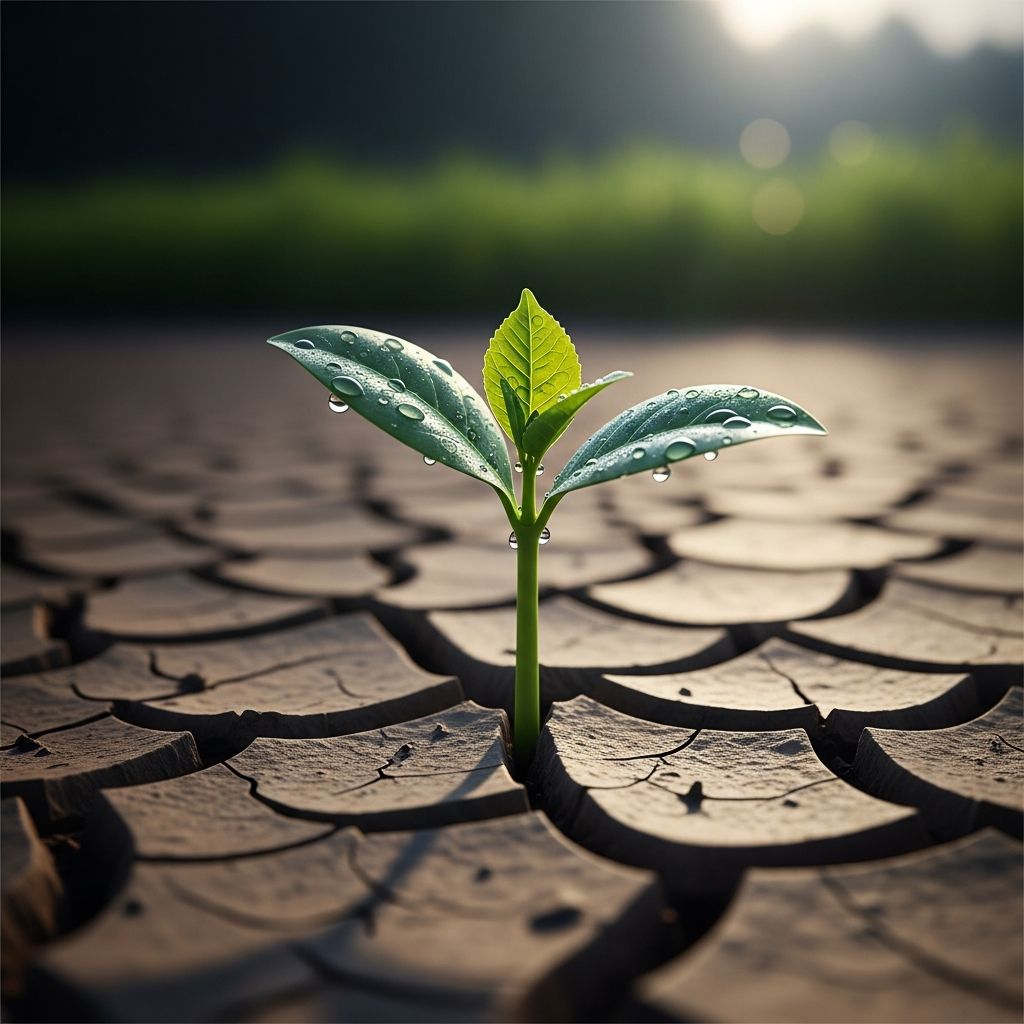
Resilience is the inner emotional strength that empowers individuals to navigate stressful and challenging life events effectively. It is not an innate trait but a developable skill honed through experience, deliberate practice, and professional support when necessary.
What is resilience?
Resilience refers to the ability to adapt to adversity, trauma, tragedy, or significant sources of stress, allowing individuals to recover while maintaining psychological well-being. Psychotherapist Laura Greenwood from Laura Greenwood Therapy emphasizes that resilience emerges from confronting hardships head-on, processing the associated emotions, and extracting lessons for personal growth. “Resilience can only come from challenge, because from challenge we learn and grow,” she notes.
Research conceptualizes resilience as both a dynamic process and an achievable state. It involves protective, compensatory, and challenge-related coping strategies that enable recovery, recalibration, and readjustment after illness or adversity. Strength-based approaches highlight internal assets like past experiences, talents, and skills that facilitate bouncing back. The Mayo Clinic describes it as the capacity to endure hardship without letting problems define one’s life, involving emotional regulation and forward momentum.
Why is resilience good for mental health?
Cultivating resilience significantly reduces the risk of mental health disorders such as anxiety and depression. By mastering healthy coping mechanisms for life’s struggles, individuals fortify their emotional responses, fostering confidence and stability. Greenwood explains that regulated emotions during setbacks build self-assurance for future obstacles, reinforcing mental strength: “Mental health and strength, like resilience, comes from being knocked down, to get back up again.”
Studies show resilient individuals exhibit better psychological, physiological, and social outcomes, particularly after sudden injuries or chronic illnesses. Resilience predicts faster recovery and prevents recurrence by promoting equanimity—a balanced state of calm amid distress. The American Psychological Association underscores that focusing on connection, wellness, healthy thinking, and meaning empowers people to withstand difficulties and derive growth.
How to build emotional resilience
Emotional resilience can be strengthened through integrated practices: mindfulness, lifestyle optimization, and nurturing relationships. These strategies, supported by clinical evidence, enable proactive adaptation to stress.
Pause and be present
Intentional pauses from daily routines cultivate emotional awareness, serving as a cornerstone for regulation and self-healing. Greenwood recommends sitting quietly and reflecting: “How am I feeling, and what might this feeling be telling me I need?” This mindfulness practice interrupts reactive patterns, allowing space for processing emotions constructively.
Techniques like meditation, deep breathing, or guided imagery enhance presence. The Mayo Clinic advises journaling past coping successes to identify behavioral patterns, reinforcing adaptive strategies for current challenges. Regular practice builds neural pathways for resilience, as evidenced in nursing frameworks where awareness precedes coping concept selection.
Lead with your lifestyle
Physical health underpins emotional resilience. Prioritizing sleep, nutrition, hydration, and exercise accelerates recovery from challenges. Sleep deprivation impairs natural trauma processing, prolonging distress. Incorporate daily physical activity, balanced diets, and bedtime rituals to bolster self-esteem and growth.
Self-care routines—yoga, hobbies, stress management—nurture personal needs. The APA highlights wellness as a core resilience pillar, linking it to sustained energy for adversity. Resilient individuals maintain hope, optimism, and self-compassion, compensatory strategies that recalibrate post-adversity.
Build meaningful connections
Supportive relationships are vital, yet resilience demands personal agency. Surround yourself with friends and family who encourage without enabling avoidance of responsibility. Greenwood stresses: “We want our friends and family to support us, but they shouldn’t do the hard work for you. You must come back to recognising you are capable of overcoming challenges yourself.”
Related Stories



Strong networks buffer stress, as per Mind.org research, making challenges more manageable. Reach out during tough times; vulnerability fosters belonging and empowerment. In healthcare contexts, perceived social support and spirituality enhance coping.
Adopt healthy thinking patterns
Cultivate optimism and realistic problem-solving. Learn from past experiences, stay hopeful about the future, and view change as opportunity. Avoid rumination by taking action: assess problems, plan, and execute steps toward resolution.
Challenge-related strategies like normalization, self-esteem building, and empowerment aid recalibration during episodic stressors. Positive psychology emphasizes fostering positive relationships and self-care for adaptability and life satisfaction.
Find purpose and meaning
Resilience thrives when aligned with personal values and long-term goals. Practices like gratitude journaling or volunteering instill meaning, transforming suffering into growth. The APA identifies meaning as essential for enduring hardship.
Practical strategies to enhance resilience
Beyond basics, implement these evidence-based tactics:
- Practice self-compassion: Treat yourself kindly during failures, reducing self-criticism.
- Set realistic goals: Break challenges into manageable steps for momentum.
- Embrace flexibility: Adaptability eases transitions amid uncertainty.
- Seek professional help: Therapy provides tailored tools when self-strategies falter.
- Develop spirituality or coherence: A sense of purpose sustains through adversity.
| Strategy | Benefits | Source |
|---|---|---|
| Mindfulness & Presence | Emotional regulation, self-awareness | |
| Healthy Lifestyle | Faster recovery, sustained energy | |
| Social Support | Stress buffering, empowerment | |
| Optimistic Thinking | Hope, adaptability |
Resilience in specific contexts
For healthcare workers and patients, resilience frameworks integrate coping menus: protective (e.g., social support), compensatory (e.g., hope, optimism), and challenge-related (e.g., empowerment). These guide toward equanimity and recovery. Parents can foster child resilience via secure attachments and stress management modeling.
Frequently Asked Questions (FAQs)
Q: Can anyone build resilience?
A: Yes, resilience is a skill learnable at any age through practice and support, not a fixed trait.
Q: How long does it take to build resilience?
A: It varies; consistent daily practices yield noticeable improvements over weeks to months.
Q: What if I feel overwhelmed despite trying?
A: Consult a mental health professional for personalized guidance and advanced strategies.
Q: Does resilience prevent all negative emotions?
A: No, it enables processing emotions healthily while maintaining functionality.
Q: How does sleep impact resilience?
A: Sleep facilitates natural emotional processing, essential for challenge recovery.
References
- Developing the Resilience Framework for Nursing and Healthcare — PMC/NCBI. 2021-04-07. https://pmc.ncbi.nlm.nih.gov/articles/PMC8020405/
- Building resilience: how to bounce back from life’s challenges — Patient.info. Accessed 2026. https://patient.info/features/mental-health/building-resilience-how-to-bounce-back-from-lifes-challenges
- Resilience: Build skills to endure hardship — Mayo Clinic. Accessed 2026. https://www.mayoclinic.org/tests-procedures/resilience-training/in-depth/resilience/art-20046311
- Building your resilience — American Psychological Association. Accessed 2026. https://www.apa.org/topics/resilience/building-your-resilience
- What Is Resilience & Why Is It Important to Bounce Back? — PositivePsychology.com. Accessed 2026. https://positivepsychology.com/what-is-resilience/
- Self-care and managing stress and building resilience — Mind.org.uk. Accessed 2026. https://www.mind.org.uk/information-support/types-of-mental-health-problems/stress/managing-stress-and-building-resilience/
Similar Articles








Read full bio of medha deb