Strength Training For Parkinson’s: 4 Essential Exercises
Discover how targeted strength training can transform daily life for those with Parkinson's by boosting mobility, reducing symptoms, and enhancing well-being.

Strength training emerges as a cornerstone in managing Parkinson’s disease, offering tangible improvements in physical capabilities and daily functioning. Regular resistance exercises help counteract muscle weakness, enhance stability, and support neurological health, making it an essential practice for those living with this condition.
The Neurological Impact of Parkinson’s and Exercise
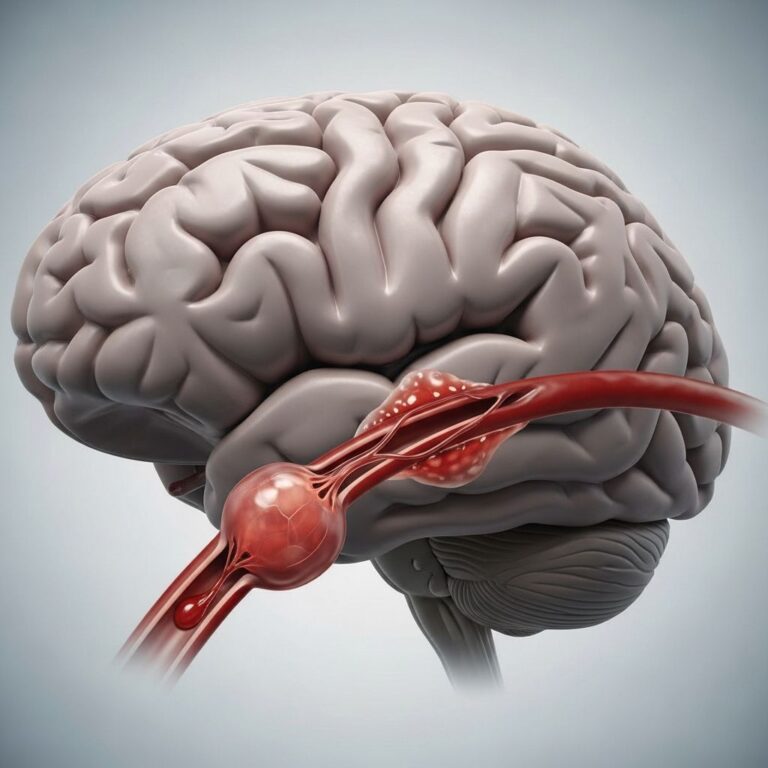
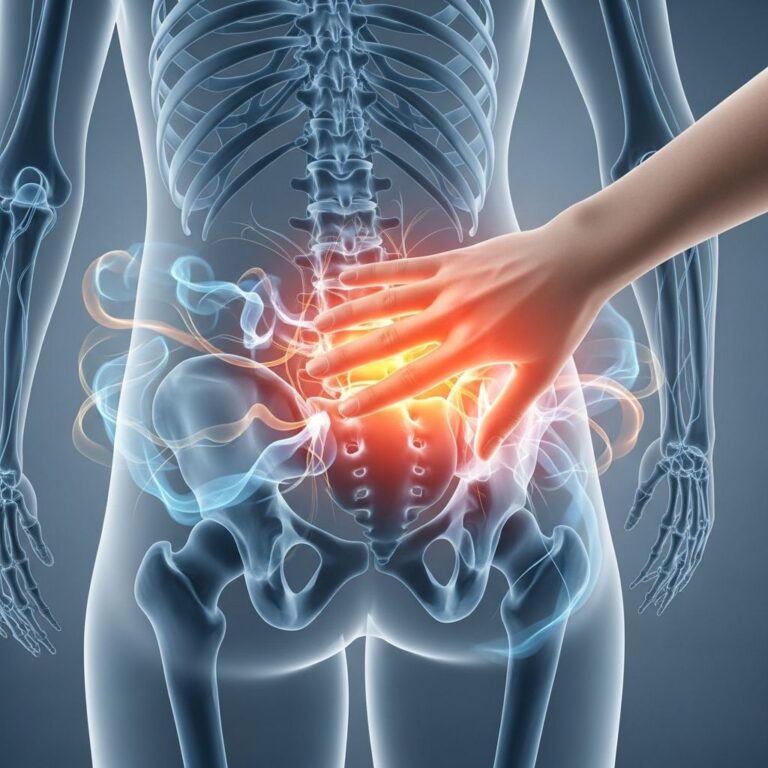
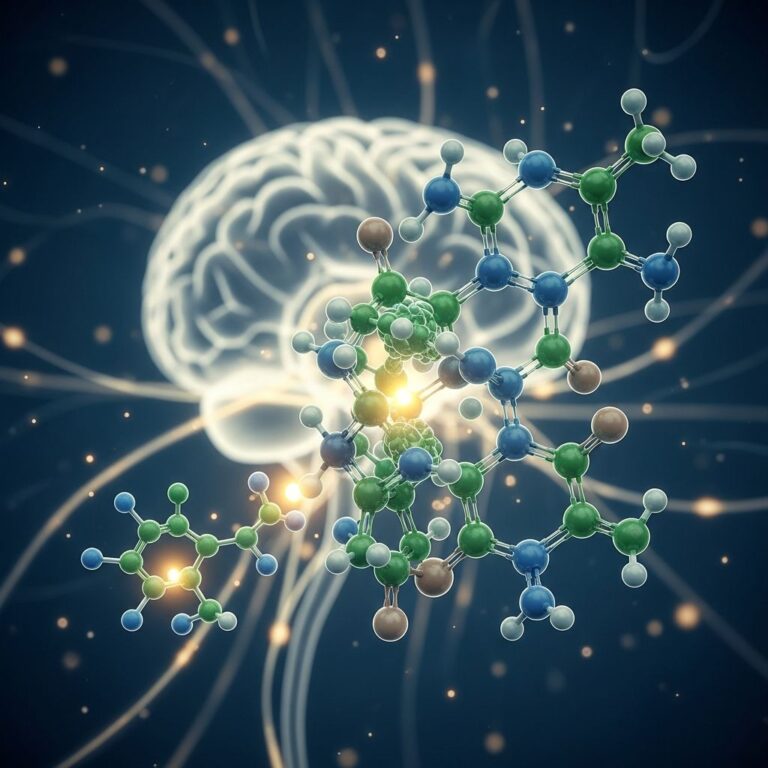
Parkinson’s disease disrupts the brain’s dopamine production, leading to challenges in movement, coordination, and posture. This results in progressive muscle weakening, particularly in the hips, back, and legs, which heightens fall risks and limits independence. Strength training addresses these issues head-on by promoting muscle growth and neural adaptations that optimize dopamine efficiency.
Clinical evidence underscores how resistance activities stimulate brain connectivity and reduce inflammation, fostering a protective environment against neurodegeneration. For instance, progressive resistance protocols have demonstrated sustained gains in motor performance over extended periods, distinguishing them from lighter fitness routines.
Key Physiological Gains from Resistance Workouts
Engaging in structured strength programs yields multifaceted benefits tailored to Parkinson’s challenges. Muscle strength in critical areas like extensors increases significantly, countering postural declines and improving endurance for everyday tasks.
- Increased Muscle Power: Participants in targeted programs show up to one-third gains in major muscle groups, including fast-twitch fibers vital for quick movements.
- Better Balance and Mobility: Enhanced dynamic stability reduces sway and supports longer strides, as evidenced by improved center-of-pressure control.
- Motor Symptom Relief: Reductions in bradykinesia and rigidity occur, with measurable drops in Unified Parkinson’s Disease Rating Scale (UPDRS) scores.
These adaptations extend to cognitive perks, such as sharper executive function, contributing to holistic well-being.
Evidence from Rigorous Clinical Studies
Multiple randomized controlled trials affirm the superiority of strength training for Parkinson’s. A landmark two-year study compared progressive resistance training against a mixed fitness regimen, revealing lasting UPDRS improvements and elevated quality-of-life scores in the resistance group.
| Study Focus | Duration | Key Outcomes | Participants |
|---|---|---|---|
| Progressive Resistance vs. Control | 2 Years | UPDRS motor score drop by 7.3 points; strength torque gains | PD patients |
| Bradykinesia and Functional Tests | 9-10 Weeks | Improved walk speed, sit-to-stand; knee strength | Early-moderate PD |
| Muscle Size and Endurance | 4 Months | 36% fast-twitch fiber growth; 140ft extra in 6-min walk | 15 PD patients |
Systematic reviews pooling data from hundreds of participants confirm 2-3 sessions weekly over 8-10 weeks reliably boost strength, balance, and symptoms across disease stages.
Designing an Effective Strength Routine
A well-crafted program prioritizes progressive overload—gradually increasing resistance—to maximize adaptations while minimizing injury risk. Aim for full-body workouts twice weekly, focusing on compound movements that mimic daily actions.
Related Stories



Essential Exercises for Parkinson’s
- Leg Press or Squats: Builds lower-body power for walking and standing; start with bodyweight, advance to machines.
- Chest Press and Rows: Strengthens upper body for posture and reach; use seated variations for stability.
- Lat Pulldowns: Targets back extensors to combat hunching; controlled reps prevent strain.
- Core Work like Planks: Enhances trunk stability, vital for balance.
Incorporate 8-12 repetitions per set, 2-3 sets per exercise, resting 60-90 seconds. Warm up with light cardio and end with stretches to maintain flexibility.
Progression Guidelines
| Week Range | Intensity | Frequency | Focus |
|---|---|---|---|
| 1-4 | Light-moderate (50-60% max) | 2x/week | Form mastery |
| 5-12 | Moderate (70% max) | 2-3x/week | Endurance build |
| 13+ | High (80%+ max) | 3x/week | Peak strength |
Safety Measures and Professional Guidance
Consult a neurologist or physical therapist before starting, especially if balance issues persist. Work with PD-specialized trainers to adapt exercises—use machines over free weights initially for support.
- Monitor for fatigue; stop if dizziness occurs.
- Exercise during ‘on’ medication periods for optimal performance.
- Hydrate and track heart rate to stay within safe zones.
Programs like boxing or aqua resistance add variety, complementing strength work for comprehensive gains.
Integrating Strength into Daily Life
Beyond gym sessions, embed resistance into routines: use resistance bands at home, climb stairs deliberately, or carry weights during walks. Consistency trumps intensity; even short, frequent bouts accumulate benefits.
Track progress with simple metrics like timed walks or chair stands to stay motivated. Community classes foster accountability and social engagement, key for mental health.
Long-Term Strategies for Sustained Benefits
Over years, strength training may modify disease trajectory by preserving muscle mass and neural pathways. Combine with aerobic and flexibility work for synergy—research shows multifaceted regimens outperform single modalities.
Mindset matters: view exercise as empowerment, not obligation. Small victories, like easier grocery shopping, reinforce commitment.
Frequently Asked Questions
Is strength training safe for advanced Parkinson’s?
Yes, with modifications; seated or supported exercises minimize risks while delivering benefits.
How soon can I expect results?
Noticeable strength and mobility gains often appear within 4-8 weeks of consistent training.
Do I need gym equipment?
No—bodyweight, bands, or household items suffice for beginners; machines aid progression.
Can strength training replace medication?
No, it complements treatment, enhancing symptom control alongside pharmacotherapy.
What if I have joint pain?
Opt for low-impact options like water-based resistance; consult pros for personalization.
References
- Strength Training for Parkinson’s Disease: Benefits and Prescription — Neurolab360. 2023. https://www.neurolab360.com/blog/strengthtrainingforpd-fhm3k
- The Power of Strength Training for Parkinson’s Disease — Peterson for Parkinson’s. 2023-08-24. https://petersonforparkinsons.org/the-power-of-strength-training-for-parkinsons-disease-enhancing-health-and-well-being/
- Systematic review on strength training in Parkinson’s disease — PMC (National Library of Medicine). 2017. https://pmc.ncbi.nlm.nih.gov/articles/PMC5384725/
- Study: Weight Training Improves Parkinson’s Symptoms — American Academy of Neurology. 2014-10-28. https://www.aan.com/PressRoom/Home/PressRelease/1028
- A Hopeful Approach to Slowing Parkinson’s Progression — The Perfect Workout. 2023. https://www.theperfectworkout.com/articles/strength-training-parkinsons/
Similar Articles








Read full bio of Sneha Tete