Bulgur Wheat Benefits: 7 Science-Backed Reasons To Eat It
Discover the impressive health benefits of bulgur wheat, a nutrient-dense whole grain that supports heart health, digestion, and blood sugar control.
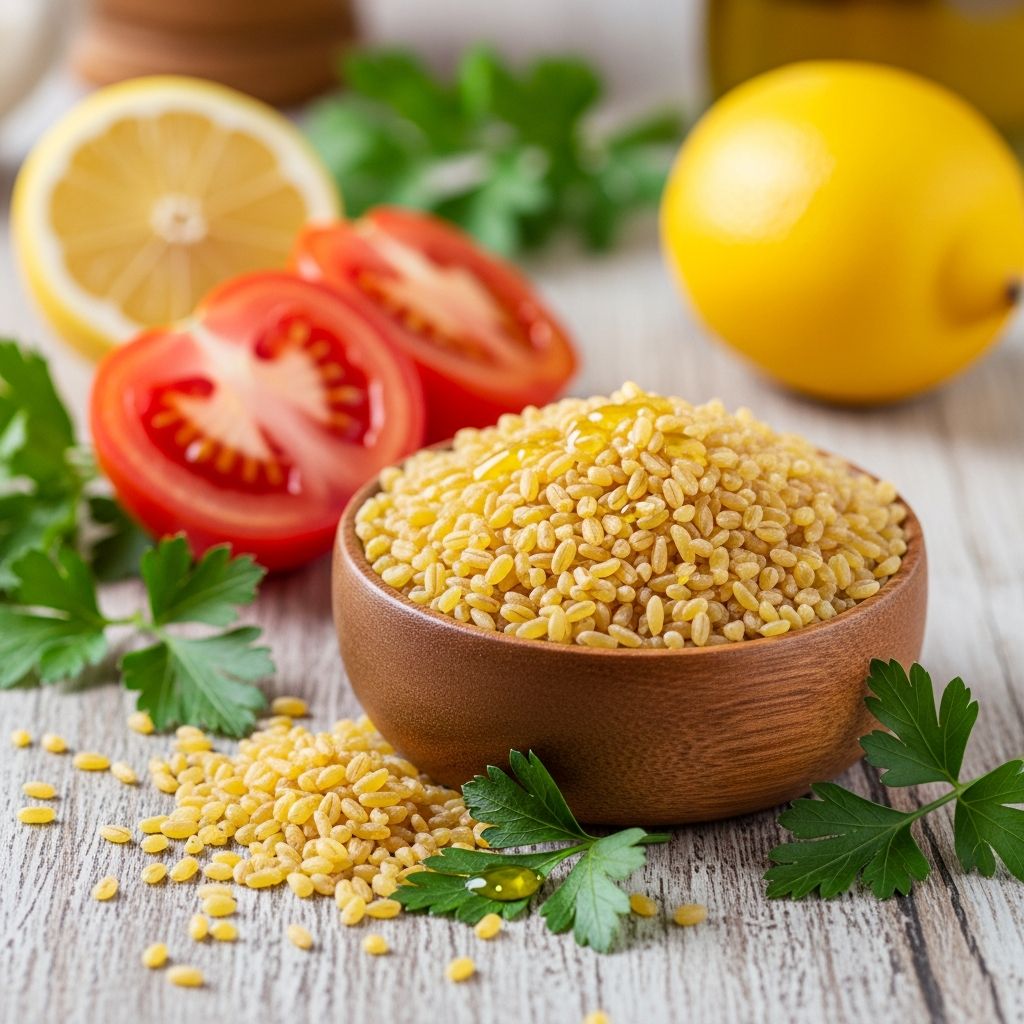
Bulgur wheat is a versatile, nutrient-packed whole grain made from parboiled and dried durum wheat. This ancient staple in Middle Eastern and Mediterranean cuisines delivers essential fiber, vitamins, and minerals that support heart health, digestion, stable blood sugar, and more.
What Is Bulgur Wheat?
Bulgur wheat, also known as bulghur or bourghul, is produced by steaming, drying, and cracking whole wheat kernels, primarily from durum wheat varieties. This pre-cooking process gives it a chewy texture and nutty flavor, making it quicker to prepare than other whole grains like quinoa or brown rice—often ready in 10-20 minutes.
Available in coarse, medium, fine, and extra-fine grinds, bulgur retains its bran, germ, and endosperm, classifying it as a true whole grain. Unlike refined grains, it preserves vital nutrients. It’s a key ingredient in dishes like tabbouleh salad, kibbeh, and pilafs, and serves as a low-calorie rice substitute with half the calories, less fat, and double the fiber.
Bulgur Wheat Nutrition Facts
A 1-cup (182g) cooked serving of bulgur wheat provides approximately:
- Calories: 151
- Protein: 5.5g (11% DV)
- Carbohydrates: 34g
- Dietary Fiber: 8g (29% DV)
- Fat: 0.4g
Key micronutrients include manganese (69% DV), phosphorus (15% DV), magnesium (12% DV), thiamine (14% DV), copper (9% DV), zinc, and iron (7% DV each). Bulgur is naturally low in sodium and fat, with no cholesterol.
| Nutrient | Amount per 1 Cup Cooked | % Daily Value |
|---|---|---|
| Calories | 151 | 8% |
| Fiber | 8g | 29% |
| Magnesium | 52mg | 12% |
| Manganese | 1.7mg | 69% |
| Protein | 5.5g | 11% |
These values make bulgur superior to refined grains, offering sustained energy without blood sugar spikes.
Health Benefits of Bulgur Wheat
Rich in Fiber
The high soluble and insoluble fiber in bulgur promotes digestive regularity, prevents constipation, and supports gut health by feeding beneficial bacteria as a prebiotic. Studies link high-fiber whole grains to reduced risks of diverticulosis, hemorrhoids, and colorectal cancer.
Supports Heart Health
Regular bulgur consumption lowers LDL cholesterol, blood pressure, and atherosclerosis progression. A study in postmenopausal women found cereal fiber from whole grains reduced coronary artery disease advancement. Reviews show 3 daily whole grain servings cut heart disease risk by 22%.
Lowers Type 2 Diabetes Risk
Magnesium in bulgur aids glucose metabolism and insulin sensitivity. Replacing refined grains with whole grains like bulgur reduces diabetes risk, with reviews of 16 studies confirming at least 2 servings daily provide protection.
Reduces Chronic Inflammation
Betaine and other compounds in bulgur lower inflammation markers tied to heart disease, diabetes, osteoporosis, and cognitive decline. Women eating the most whole grains had the lowest inflammation-related mortality.
Aids Weight Management
Fiber creates satiety, helping control calorie intake. Reviews link whole grains to lower BMI, less belly fat, and modest obesity risk reduction.
Supports Healthy Digestion
Bulgur’s fiber bulks stools, eases bowel movements, and acts as a prebiotic. It’s beneficial for IBS, hemorrhoids, and overall gut health.
Provides Essential Nutrients
B vitamins (thiamine, niacin, folate), iron, zinc, and phosphorus support energy production, immune function, and bone health.
Related Stories



Who Shouldn’t Eat Bulgur Wheat?
Individuals with celiac disease, non-celiac gluten sensitivity, or wheat allergies must avoid bulgur due to its gluten content, which can cause digestive distress, fatigue, and joint pain. Opt for gluten-free grains like rice, quinoa, or buckwheat.
Those with FODMAP sensitivities may experience bloating from wheat; consult a doctor. Bulgur is low-FODMAP in small portions when soaked.
Easy Ways to Add Bulgur to Your Diet
- Salads: Base for tabbouleh with tomatoes, cucumbers, parsley, lemon, and olive oil.
- Pilafs: Sauté with vegetables, broth, and spices as a rice alternative.
- Soups: Add to lentil or vegetable soups for texture.
- Breakfast: Mix into oatmeal or yogurt parfaits.
- Stuffed Vegetables: Fill peppers or cabbage with bulgur, meat, or veggies.
Start with fine bulgur for quickest cooking: boil 2:1 water-to-bulgur ratio for 10 minutes.
Bulgur Wheat Recipes
Classic Tabbouleh (Serves 4)
Ingredients: 1 cup fine bulgur, 2 cups parsley (chopped), 3 tomatoes (diced), 1 cucumber (diced), 1/4 cup mint, 1/4 cup lemon juice, 3 tbsp olive oil, salt.
- Soak bulgur in 1 cup hot water for 15 min.
- Mix with veggies and herbs.
- Dress with lemon, oil, salt. Chill 30 min.
Per serving: 200 cal, 6g fiber, 4g protein.
Bulgur Veggie Pilaf (Serves 4)
Ingredients: 1 cup medium bulgur, 2 cups broth, 1 onion, 2 carrots, 1 zucchini, garlic, spices.
- Sauté veggies 5 min.
- Add bulgur and broth; simmer 15 min.
- Fluff and serve.
Heart-healthy and fiber-rich.
Storage and Selection Tips
Choose organic, non-GMO bulgur in bulk bins or packages. Store in airtight containers in a cool, dry place for up to 1 year; refrigerate for longer. Rinse before cooking to remove dust.
Frequently Asked Questions (FAQs)
What is bulgur wheat?
A whole grain from parboiled, dried, cracked durum wheat—nutty, chewy, and quick-cooking.
Is bulgur wheat gluten-free?
No, it contains gluten; avoid if you have celiac or sensitivity.
Does bulgur help with weight loss?
Yes, its fiber promotes fullness and supports lower BMI.
How do you cook bulgur wheat?
Boil 2:1 liquid-to-bulgur for 10-20 min, depending on grind.
Is bulgur better than quinoa?
Bulgur has more fiber and fewer calories; quinoa offers complete protein. Both are nutritious.
Can bulgur lower cholesterol?
Yes, soluble fiber binds cholesterol in digestion.
References
- Bulgur Wheat – Life & Health Network — Life and Health. 2023. https://lifeandhealth.org/food/nutrition/bulgur-wheat/14148.html
- 9 Health Benefits of Eating Whole Grains — Healthline. 2023-10-12. https://www.healthline.com/nutrition/9-benefits-of-whole-grains
- Whole grains: Hearty options for a healthy diet — Mayo Clinic. 2025-01-10. https://www.mayoclinic.org/healthy-lifestyle/nutrition-and-healthy-eating/in-depth/whole-grains/art-20047826
- Health Benefits of 7 Ancient Grains — AARP. 2024. https://www.aarp.org/health/healthy-living/benefits-of-ancient-grains/
Similar Articles








Read full bio of medha deb