Bumetanide: Essential Guide To Uses, Dosage, And Risks
Comprehensive overview of bumetanide, a powerful diuretic for managing edema in heart, liver, and kidney conditions with key usage and safety insights.
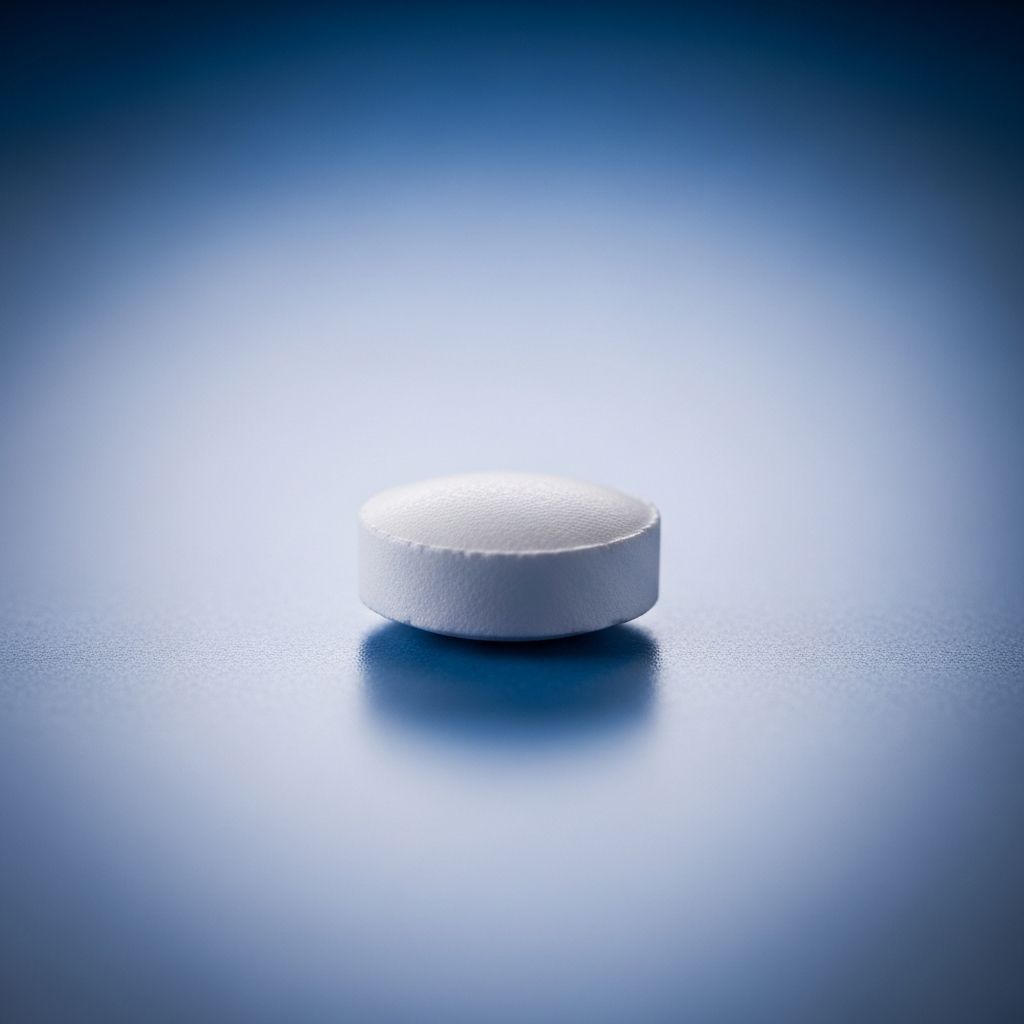
Bumetanide is a potent loop diuretic primarily prescribed to alleviate fluid buildup in patients suffering from conditions like congestive heart failure, liver cirrhosis, and kidney disorders.
Understanding Bumetanide’s Core Purpose
This medication belongs to the class of loop diuretics, which target the kidneys to promote the elimination of excess salt and water through urine. Clinicians often turn to bumetanide when patients do not respond adequately to other diuretics such as furosemide, owing to its higher potency—approximately 40 times stronger in individuals with normal kidney function. It effectively reduces swelling and eases the strain on the heart and other organs burdened by fluid retention.
Commonly indicated for edema linked to heart failure, hepatic issues, renal diseases, and nephrotic syndrome, bumetanide helps restore fluid balance without addressing the root causes of these conditions. Patients may notice decreased puffiness in the legs, ankles, or abdomen shortly after starting treatment, though ongoing use is typically required for sustained benefits.
How Bumetanide Functions in the Body
At its core, bumetanide acts on the ascending loop of Henle in the kidneys, a critical segment of the nephron responsible for reabsorbing sodium and chloride. By inhibiting the sodium-potassium-chloride cotransporter, it prevents the reuptake of these electrolytes, leading to their increased excretion along with water. This mechanism disrupts the normal electrolyte transfer, resulting in substantial diuresis—enhanced urine production that flushes out excess fluids.
Unlike milder diuretics, bumetanide’s action is rapid and robust, making it suitable for acute management of severe edema. Its predictable bioavailability ensures consistent effects, which is particularly advantageous in clinical settings where precise control over fluid status is essential.
Available Forms and Standard Dosing Guidelines
Bumetanide is most frequently administered as an oral tablet, though injectable forms exist for hospital use. Tablets typically come in strengths of 0.5 mg, 1 mg, or 2 mg, allowing for tailored dosing based on patient needs and response.
For oral therapy in edema management:
- Initial dose: 0.5 mg to 1 mg once daily, often in the morning to align with daytime urine output.
- Maintenance: 1 mg to 2 mg daily, potentially divided into multiple doses if higher amounts are needed, up to a maximum of 10 mg per day.
- Adjustments: Doses may be increased by 1 mg increments every few days, monitoring weight, urine output, and electrolyte levels closely.
In heart failure or renal impairment, lower starting doses prevent excessive fluid shifts. Intravenous administration starts at 0.5 mg to 1 mg, repeated if necessary after 2-3 hours. Always adhere to healthcare provider instructions, as individual factors like age, kidney function, and concurrent medications influence dosing.
Key Benefits in Treating Fluid Overload
| Condition | Benefit of Bumetanide |
|---|---|
| Congestive Heart Failure | Reduces pulmonary and peripheral edema, improving breathing and exercise tolerance. |
| Liver Cirrhosis | Alleviates ascites (abdominal fluid accumulation), enhancing comfort. |
| Kidney Disease/Nephrotic Syndrome | Manages leg and facial swelling by promoting natriuresis. |
Beyond symptom relief, bumetanide can indirectly support cardiac function by lowering preload and afterload on the heart, potentially reducing hospitalization risks in chronic cases.
Related Stories



Recognizing and Managing Common Side Effects
While effective, bumetanide’s strong diuretic action can lead to various side effects, primarily stemming from fluid and electrolyte imbalances. Frequent urination is expected, peaking 4-6 hours post-dose and resolving within a day.
Common reactions include:
- Muscle cramps or weakness due to low potassium (hypokalemia).
- Dizziness or lightheadedness from dehydration or low blood pressure.
- Headache, nausea, or dry mouth.
- Increased thirst and appetite changes.
These often diminish as the body adjusts, but persistent issues warrant medical review. Regular blood tests monitor potassium, sodium, magnesium, and kidney function to mitigate risks.
Serious Risks and When to Seek Urgent Care
Severe complications demand immediate attention. Electrolyte depletion can cause irregular heart rhythms, confusion, or seizures. Overdose symptoms—extreme weakness, vomiting, severe cramps—require emergency intervention with fluid and electrolyte replacement.
Rare but critical effects encompass:
- Bleeding issues from low platelets (thrombocytopenia).
- Blood sugar elevations in diabetics.
- Skin reactions like rash, hives, or blistering (e.g., Stevens-Johnson syndrome).
- Allergic responses: swelling of lips/tongue, breathing difficulties—call emergency services.
Patients with pre-existing low electrolytes, severe kidney/liver impairment, or gout should use caution, as bumetanide may exacerbate these.
Critical Precautions and Contraindications
Not suitable for everyone, bumetanide is contraindicated in anuria (no urine output), hypersensitivity, or hepatic coma. Use cautiously in:
- Diabetes: May raise blood glucose.
- Low blood volume or electrolytes.
- Ototoxicity risk with high doses or rapid IV use—monitor hearing.
Pregnancy category C; weighs benefits against fetal risks. Breastfeeding patients should consult providers, as it passes into milk.
Medication Interactions to Watch For
Bumetanide interacts with numerous drugs, amplifying risks:
- Other diuretics or antihypertensives: Heightened dehydration/hypotension.
- Lithium: Increased toxicity.
- NSAIDs (e.g., ibuprofen): Reduced diuretic effect.
- Digoxin: Potentiated toxicity from low potassium.
- Aminoglycosides: Ototoxicity risk.
Inform your doctor of all supplements and prescriptions for safe co-administration.
Lifestyle Tips for Optimal Results
To maximize efficacy and minimize downsides:
- Take early in the day to avoid nighttime disruptions.
- Maintain a potassium-rich diet (bananas, spinach) unless advised otherwise.
- Weigh daily; report >2-3 lb gain/loss promptly.
- Stay hydrated but follow salt/fluid restrictions for heart failure.
- Rise slowly from sitting/lying to prevent dizziness.
Combine with low-sodium eating and light exercise as tolerated for holistic edema control.
Monitoring Progress and Long-Term Use
Success is gauged by reduced swelling, stable weight, and normalized labs. Routine check-ups assess electrolytes, renal function, and blood pressure. Long-term users may need dose tweaks or potassium supplements. Discontinue only under guidance, as abrupt stops can cause rebound fluid retention.
Frequently Asked Questions (FAQs)
What if I miss a dose of bumetanide?
Take it as soon as remembered unless near the next dose. Skip and resume schedule—do not double up to avoid overload.
Can bumetanide be used for high blood pressure?
Occasionally, yes, as an off-label option, but primary use is edema. Discuss with your provider.
How long does bumetanide stay in the system?
Effects last 4-6 hours; half-life is about 1-1.5 hours, shorter in healthy kidneys.
Is bumetanide safe for elderly patients?
Yes, but start low due to dehydration risk; monitor closely.
Does bumetanide cause weight loss?
Temporary from fluid removal, not fat loss. Sustainable weight management requires diet/exercise.
Special Considerations for Vulnerable Groups
In pediatrics, dosing is weight-based (0.015-0.1 mg/kg/day), used sparingly. Geriatrics face higher dehydration/electrolyte risks, necessitating conservative dosing. Those with gout may see flares from uric acid retention.
For athletes, note it’s banned by WADA as a masking agent, potentially leading to positive doping tests.
References
- Bumetanide: Uses, Interactions, Mechanism of Action — DrugBank. 2023-10-15. https://go.drugbank.com/drugs/DB00887
- Bumetanide (oral route) – Side effects & dosage — Mayo Clinic. 2024-05-01. https://www.mayoclinic.org/drugs-supplements/bumetanide-oral-route/description/drg-20071274
- Bumetanide | Side Effects, Dosage, Uses, and More — Healthline. 2024-02-20. https://www.healthline.com/health/drugs/bumetanide-oral-tablet
- Bumetanide: MedlinePlus Drug Information — MedlinePlus (U.S. National Library of Medicine). 2025-01-10. https://medlineplus.gov/druginfo/meds/a684051.html
- Side effects of bumetanide — NHS. 2024-08-05. https://www.nhs.uk/medicines/bumetanide/side-effects-of-bumetanide/
Similar Articles








Read full bio of medha deb