Bumetanide Tablets And Liquid Medicine: Essential Guide
Comprehensive guide to bumetanide: uses, dosage, side effects, and key considerations for treating oedema effectively.
Bumetanide is a potent loop diuretic, often called a ‘water tablet’, prescribed to reduce excess fluid retention (oedema) associated with conditions like congestive heart failure, liver cirrhosis, and kidney disorders including nephrotic syndrome.
About bumetanide tablets and liquid medicine
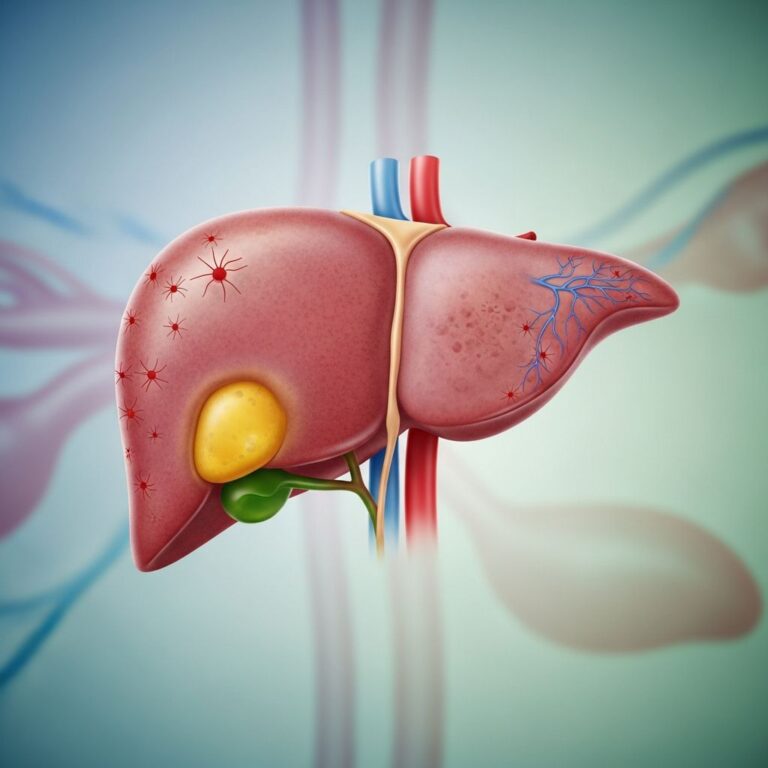
Bumetanide belongs to the class of medicines known as loop diuretics. These medications work by acting directly on the kidneys, specifically inhibiting the reabsorption of sodium and chloride in the ascending loop of Henle, which promotes increased urine production and excretion of excess salt and water from the body. This mechanism effectively alleviates swelling and fluid buildup caused by congestive heart failure, hepatic disease, renal impairment, or other conditions leading to oedema.
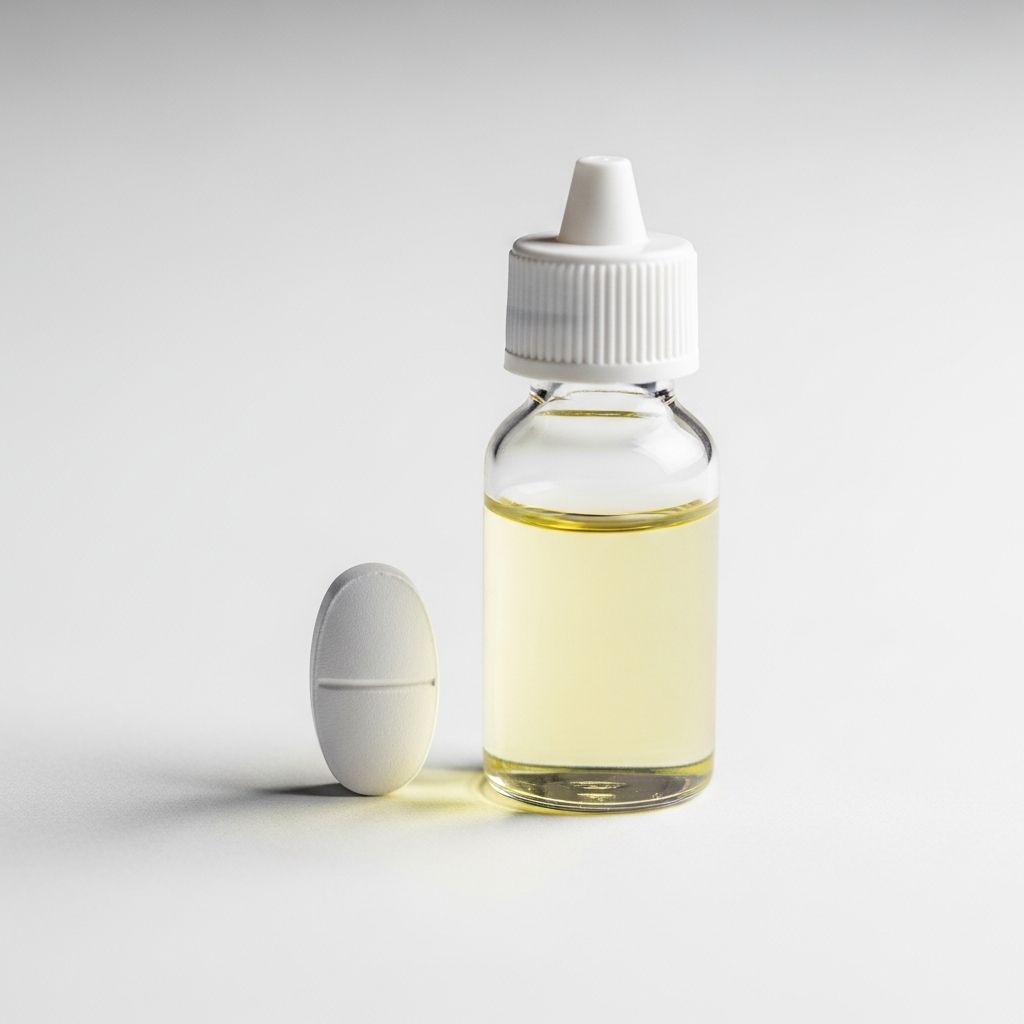
Available in tablet form (typically 0.5 mg, 1 mg, or 2 mg strengths) and oral liquid (1 mg/5 ml), bumetanide is rapidly absorbed, with bioavailability ranging from 80% to 100%, making oral administration nearly as effective as intravenous dosing. Brand names include Bumex (US) and Burinex (Canada). It is prescription-only and requires careful monitoring due to risks of dehydration and electrolyte imbalances.
Key facts about bumetanide tablets and liquid medicine
- Bumetanide starts working within 30-60 minutes orally, peaking in 1-2 hours, with effects lasting 4-6 hours.
- Commonly used for oedema in heart failure, liver cirrhosis, or kidney disease.
- May cause increased urination; take earlier in the day to avoid nighttime trips.
- Regular blood tests monitor electrolytes like potassium, sodium, and kidney function.
- Not suitable for everyone; contraindicated in severe kidney failure with no urine output or certain electrolyte disorders.
When is bumetanide not suitable?
Bumetanide should not be used if you have:
- Severe kidney problems where you pass little or no urine (anuria).
- Low blood volume (hypovolaemia) or dehydration.
- Coma due to liver failure.
- Severe electrolyte imbalances (very low or high sodium, potassium, chloride, or bicarbonate).
- Known allergy to bumetanide or other sulphonamide medicines.
- Are taking lithium for bipolar disorder, as interactions can be dangerous.
Caution is advised in patients with prostate enlargement, diabetes, gout, or those on low-salt diets. Inform your doctor of all medications to avoid interactions with digoxin, antihypertensives, or NSAIDs.
Who can and cannot take bumetanide tablets
Adults and children can take bumetanide under medical supervision. For children, dosing is weight- or age-based, determined by a doctor. Elderly patients (over 65) often require lower starting doses due to heightened sensitivity and risk of side effects. Pregnant or breastfeeding women should consult their doctor, as bumetanide passes into breast milk and safety data is limited.
| Patient Group | Suitability |
|---|---|
| Adults | Yes, standard dosing |
| Children | Yes, doctor-determined dose |
| Elderly (>65) | Yes, lower dose often needed |
| Pregnant/Breastfeeding | Use only if benefits outweigh risks |
How and when to take bumetanide
Take bumetanide exactly as prescribed. Swallow tablets whole with water; liquid can be measured with a syringe. Timing matters: morning or early afternoon to minimize sleep disruption from frequent urination. If multiple doses, space 6-8 hours apart.
Food does not affect absorption, but consistency aids monitoring. Do not adjust doses yourself; report inadequate response or excessive diuresis.
Dosage
Adults: Starting dose 0.5-2 mg once daily, adjustable up to 10 mg/day if needed, often divided. For severe oedema, up to 5 mg initially, with additional doses every 4-5 hours.
Related Stories



Children: Dose based on weight/age; consult paediatrician.
Elderly: Lower initial dose, e.g., 0.5-1 mg.
Missed dose: Take as soon as remembered unless near next dose; do not double up.
| Condition | Adult Starting Dose | Max Daily Dose |
|---|---|---|
| Oedema (Heart Failure, etc.) | 0.5-2 mg once daily | 10 mg |
| Severe Oedema | Up to 5 mg/day, divided | 10 mg |
Side effects of bumetanide tablets and liquid medicine
Common side effects (affecting more than 1 in 100 people) include:
- Increased urination.
- Dizziness or light-headedness, especially when standing.
- Muscle cramps from low potassium.
- Dehydration signs: dry mouth, thirst, weakness.
- Low blood pressure.
Serious side effects (seek immediate help):
- Severe allergic reactions (rash, swelling, breathing difficulty).
- Electrolyte imbalance: confusion, irregular heartbeat, severe weakness.
- Hearing issues or tinnitus (rare with high doses).
- Skin reactions like Stevens-Johnson syndrome (blisters, peeling).
- Blood disorders: unusual bruising, infections.
Monitor with regular blood tests. Report persistent diarrhoea, nausea, or gout flares.
How to cope with side effects of bumetanide
- Dizziness: Rise slowly; stay hydrated but follow fluid restrictions if advised.
- Muscle cramps: Eat potassium-rich foods (bananas, spinach) unless contraindicated; doctor may prescribe supplements.
- Dehydration: Sip water; weigh daily to track fluid loss.
- Frequent urination: Time doses early; use bathroom before bed.
- Headache: Rest, hydrate; paracetamol if approved.
Pregnancy and breastfeeding with bumetanide tablets
Bumetanide is not routinely recommended during pregnancy due to potential fetal risks, though it may be used if essential. It enters breast milk; breastfeeding mothers should discuss alternatives or pumping/discarding milk post-dose. Consult a specialist.
Other medicines, food and drink, alcohol with bumetanide
Interactions:
- Potassium-sparing diuretics or supplements: Risk hyperkalaemia.
- Lithium: Increases toxicity.
- NSAIDs (ibuprofen): Reduces diuretic effect.
- Digoxin: Enhances toxicity risk.
- Antihypertensives: Excessive blood pressure drop.
Food/Drink: No major restrictions; high-salt intake counters effects. Liquorice can mimic side effects.
Alcohol: Increases dizziness and dehydration; limit intake.
Common questions about bumetanide tablets and liquid medicine
Why do I need blood tests with bumetanide?
Blood tests monitor electrolytes, kidney function, and dehydration risks, as bumetanide can deplete potassium and sodium.
Can I take bumetanide long-term?
Yes, for chronic conditions like heart failure, with regular monitoring.
Does bumetanide raise blood sugar?
Rarely; monitor if diabetic.
Can bumetanide cause weight loss?
Yes, rapid loss from diuresis signals possible dehydration—contact doctor.
Is bumetanide stronger than furosemide?
Approximately 40 times more potent mg-for-mg, but similar efficacy.
About patient.info
This article is for general information; not a substitute for professional advice. Reviewed by NHS and other experts.
References
- Bumetanide (oral route) – Mayo Clinic — Mayo Clinic. 2023-10-01. https://www.mayoclinic.org/drugs-supplements/bumetanide-oral-route/description/drg-20071274
- Bumetanide (Bumex): Uses, Side Effects, Dosage & More – GoodRx — GoodRx. 2024-05-15. https://www.goodrx.com/bumetanide/what-is
- How and when to take bumetanide – NHS — NHS. 2024-02-20. https://www.nhs.uk/medicines/bumetanide/how-and-when-to-take-bumetanide/
- Package leaflet: Information for the patient Bumetanide 1 mg and 5 mg tablets — Medicines.org.uk (MHRA). 2023-11-10. https://www.medicines.org.uk/emc/files/pil.2543.pdf
- Bumetanide (Bumex): Uses & Side Effects – Cleveland Clinic — Cleveland Clinic. 2024-01-05. https://my.clevelandclinic.org/health/drugs/20111-bumetanide-oral-tablets
- Bumetanide: MedlinePlus Drug Information — MedlinePlus (NIH). 2024-03-12. https://medlineplus.gov/druginfo/meds/a684051.html
- Bumetanide – StatPearls – NCBI Bookshelf — NCBI (NIH). 2023-07-17. https://www.ncbi.nlm.nih.gov/books/NBK559181/
Similar Articles








Read full bio of Sneha Tete