Bumps On Vaginal Area: 5 Common Causes, Treatments
Discover common causes of vaginal bumps, from harmless cysts to STIs, and learn when to seek medical help for vulvar skin changes.
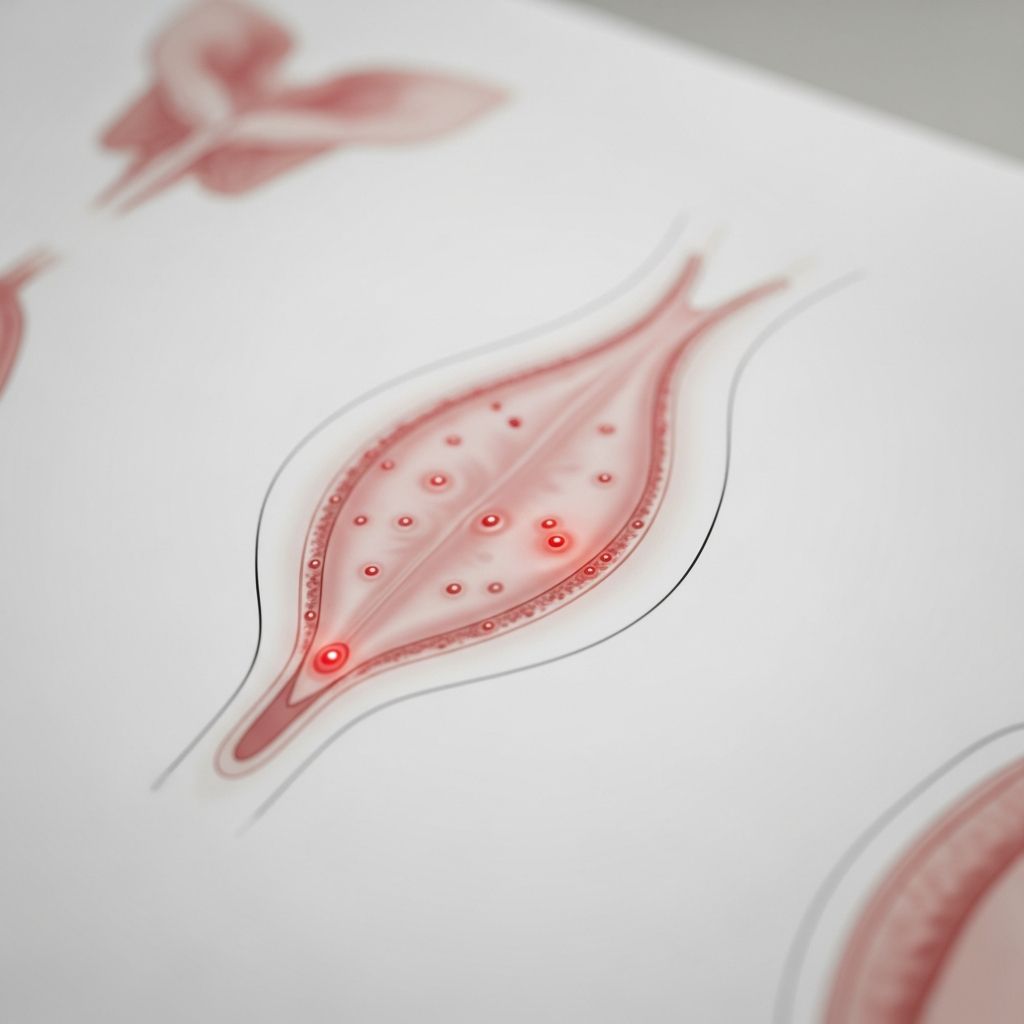
Bumps on the vaginal area, also known as the vulva, are common and often benign, arising from clogged glands, hair follicles, or infections. While many resolve on their own, some may signal sexually transmitted infections (STIs) or other conditions requiring medical attention.
What Are Bumps on the Vaginal Area?
The vaginal area includes the vulva—the external genitalia comprising the labia majora, labia minora, clitoris, and vaginal opening. Bumps here can appear as small lumps, cysts, pimples, or clusters of papules. They vary in size, color, and pain level, often caused by blocked glands like Bartholin’s or sebaceous glands. Most are harmless, but persistent or painful bumps warrant evaluation to rule out infections or cancer.
Normal vulvar skin has natural variations, such as vestibular papillomatosis—small, shiny papules on the inner labia that mimic warts but are benign and require no treatment. Understanding these distinctions helps differentiate normal anatomy from concerning changes.
Common Causes of Vaginal Bumps
Several factors contribute to vulvar bumps. Here’s a breakdown of the most frequent causes:
- Vulvar Cysts: Formed when oil glands, Bartholin’s glands, or Skene’s glands clog, creating small, hard, painless lumps. They often resolve without intervention but may need drainage if infected.
- Folliculitis and Ingrown Hairs: Inflammation of hair follicles from shaving, waxing, or friction leads to red, pus-filled bumps. These resemble pimples and heal with warm compresses.
- Pimples or Boils: Clogged pores with bacteria, oil, and dead skin cause red, tender bumps similar to acne. Avoid squeezing to prevent spreading infection.
- Vestibular Papillomatosis (VP): Benign, shiny papules on the vaginal opening, often mistaken for genital warts. No treatment needed.
- Genital Warts (HPV): Caused by human papillomavirus (types 6 and 11), appearing as skin-colored clusters. Contagious via skin contact; vaccination prevents certain strains.
Serious Causes Requiring Medical Attention
Not all bumps are innocuous. Some indicate infections or malignancies:
- Genital Herpes: Herpes simplex virus (HSV) causes painful, fluid-filled blisters in clusters, often with itching or burning during urination. Antiviral medications manage outbreaks.
- Syphilis: Bacterial STI presenting as a painless chancre (sore) that heals without treatment but progresses if untreated. Antibiotics like penicillin cure it.
- Molluscum Contagiosum: Viral infection with small, dimpled bumps; contagious but self-resolves. Avoid sexual contact until cleared.
- Bartholin’s Cyst Abscess: Blocked gland leads to swelling and pus-filled abscess, causing severe pain and walking difficulty. Requires drainage and antibiotics.
- Vulvar Cancer or Melanoma: Rare lumps with irregular color, bleeding, or itching, more common in women over 50. Early pelvic exams aid detection.
Symptoms to Watch For
Benign bumps are typically small, painless, and solitary. Concerning symptoms include:
- Pain, swelling, or pus drainage.
- Itching, burning, or foul odor.
- Clusters, rapid growth, or bleeding.
- Fever, difficulty walking, or urinary issues.
If bumps persist beyond two weeks, grow larger, or accompany systemic symptoms, consult a gynecologist promptly.
Home Remedies and Self-Care
For minor bumps, try these evidence-based remedies:
- Warm Compresses: Apply for 10-15 minutes several times daily to reduce swelling and promote drainage.
- Sitz Baths: Soak in warm water 3-4 times a day to soothe cysts and folliculitis.
- Gentle Cleansing: Use mild, fragrance-free soap; pat dry to avoid irritation.
- Avoid Irritants: Skip tight clothing, scented products, and popping pimples.
- Shaving Tips: Use sharp razors, shave with hair growth direction, and apply soothing ointments.
Related Stories



These measures help most folliculitis or cysts resolve in days. Never self-extract ingrown hairs to prevent infection.
When to See a Doctor
| Symptom | Action |
|---|---|
| Painful, growing lump | See doctor within 1-2 days |
| Pus, fever, or swelling | Urgent care or ER |
| Suspected STI (blisters, warts) | Gynecologist ASAP |
| Persistent >2 weeks | Scheduled exam |
| Bleeding or irregular color | Immediate evaluation |
Pelvic exams, swabs, or biopsies confirm diagnoses. Early intervention prevents complications.
Treatment Options
Treatments vary by cause:
- Cysts: Observation, drainage, or antibiotics for infection. Recurrent cases may need gland removal.
- Folliculitis/Pimples: Topical antibiotics or antifungals.
- STIs: Antivirals for herpes, antibiotics for syphilis/bacterial infections, cryotherapy or creams for warts.
- Abscesses: Incision and drainage, sometimes with Word catheter placement.
- Cancer: Surgery, radiation, or chemotherapy based on staging.
Prevention Strategies
Minimize risks with these habits:
- Hygiene: Wear breathable cotton underwear; change after sweating.
- Safe Sex: Use condoms, get HPV vaccine, regular STI screening.
- Hair Removal: Opt for trimming over shaving; exfoliate gently.
- Health Checks: Annual gynecologic exams for early detection.
Vaccination against HPV prevents genital warts and related cancers.
Frequently Asked Questions (FAQs)
Are vaginal bumps always a sign of an STI?
No, most are benign like cysts or folliculitis, but STIs like herpes or HPV can cause them. Testing differentiates.
Can I pop a pimple on my vagina?
No, it risks infection spread. Use warm compresses instead.
What if a bump is painful and swollen?
It may be an infected cyst or abscess—seek medical drainage and antibiotics.
Do vaginal bumps go away on their own?
Many do, especially folliculitis, but monitor and see a doctor if persistent.
Is vestibular papillomatosis dangerous?
No, it’s a normal variant, not warts or contagious.
Key Takeaways
Vaginal bumps range from harmless cysts to treatable infections or rare cancers. Prioritize self-care for minor issues and professional evaluation for symptoms like pain or growth. Maintaining hygiene and safe practices reduces risks.
References
- Vaginal Lumps and Bumps: Causes and When to See a Doctor — Healthline. 2023. https://www.healthline.com/health/womens-health/vaginal-lumps-bumps
- 5 Possible Explanations for Vaginal Lumps & Bumps — Century Medical and Dental Center. 2023. https://www.centurymedicaldental.com/5-possible-explanations-for-vaginal-lumps-bumps/
- Top 10 Causes of Vaginal Lumps and Bumps | 2022 Treatments — Health Clinic Group. 2022. https://healthclinicgroup.com/top-10-causes-of-vaginal-lumps-and-bumps/
- Vaginal Pimples: Bumps, Causes, Treatment & Prevention — Cleveland Clinic. 2023. https://my.clevelandclinic.org/health/diseases/22019-pimple-on-vagina
- Identifying Normal Bumps Inside the Vagina — Medicine Mama. 2023. https://medicinemama.com/blogs/vmagic/normal-bumps-inside-vag-walls
- Genital Area Skin Lumps, Bumps, and Pain — Kaiser Permanente. 2023. https://mydoctor.kaiserpermanente.org/ncal/structured-content/genital-area-skin-lumps-bumps-and-pain-2278863
Similar Articles








Read full bio of Sneha Tete