Bunions and Bunionettes: Complete Overview
Understanding bunions and bunionettes: causes, symptoms, and treatment options explained.
Bunions and Bunionettes: A Comprehensive Overview
Bunions and bunionettes are among the most common foot conditions affecting millions of people worldwide, particularly in developed nations. These bony deformities develop at the base of the toes and can significantly impact quality of life if left untreated. Understanding the differences between bunions and bunionettes, their underlying causes, and available treatment options is essential for anyone experiencing foot discomfort or concerned about preventive foot health.
What Are Bunions?
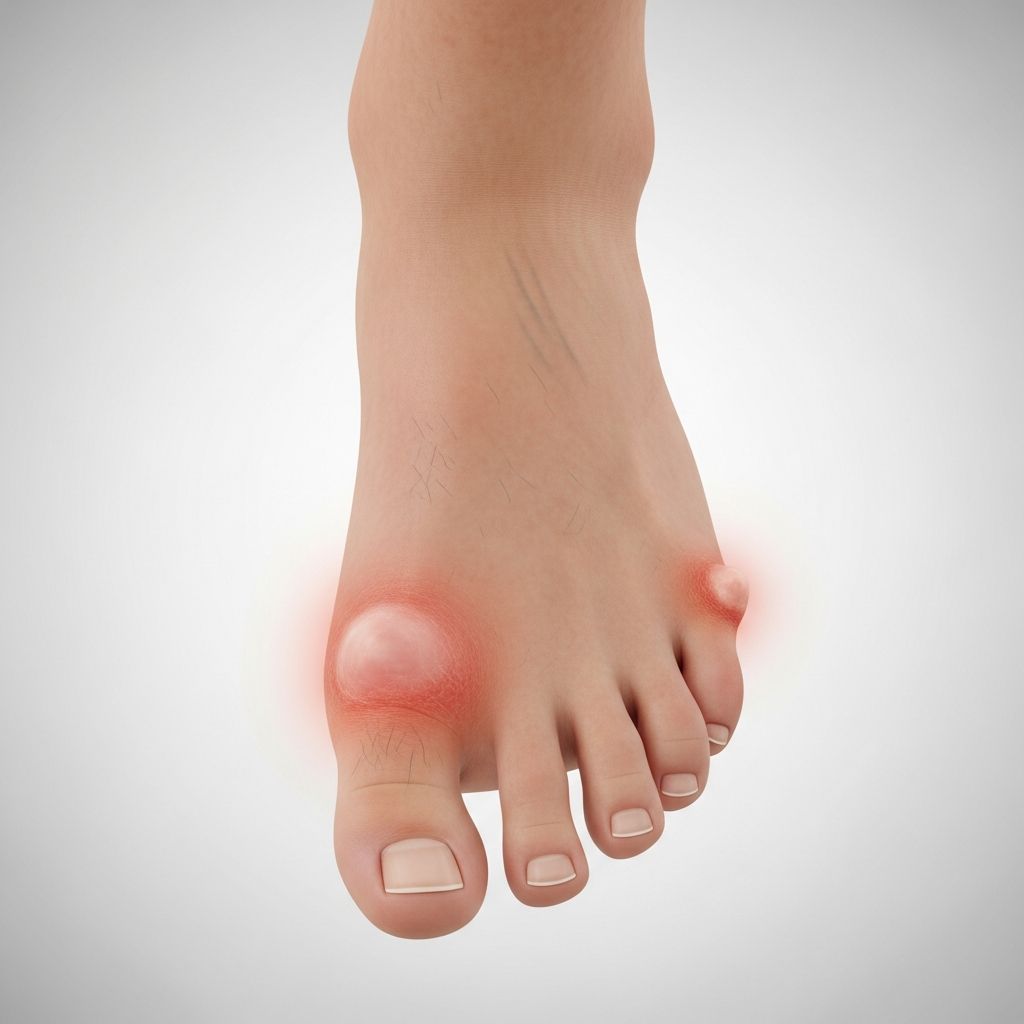
A bunion, medically known as Hallux Valgus, is a progressive foot deformity characterized by a prominent bony bump that forms on the inside of the forefoot at the base of the big toe. The term “bunion” derives from the Latin root meaning “turnip,” a descriptive reference to its appearance. This condition represents one of the most frequently encountered foot problems in orthopedic practice, affecting individuals across various age groups, though it becomes increasingly prevalent with advancing age.
The bunion bump itself is typically not new bone growth but rather normal bone that becomes prominent as the foot structure shifts. Thickening of the soft tissues overlying the bony prominence can further accentuate the visible deformity. The condition develops gradually over time as the underlying bone structure shifts, often causing progressive discomfort and functional limitations.
What Are Bunionettes?
A bunionette, also called a tailor’s bunion, is a smaller bony growth that forms on the outside of the foot at the base of the little toe, rather than at the big toe. This condition earned the name “tailor’s bunion” from historical occupational patterns, as clothing tailors frequently developed these bony bumps from sitting cross-legged while working. Like regular bunions, bunionettes result from misalignment of the bones in the toe joint, causing the joint to protrude and potentially shifting the toe position inward over time.
Underlying Causes and Risk Factors
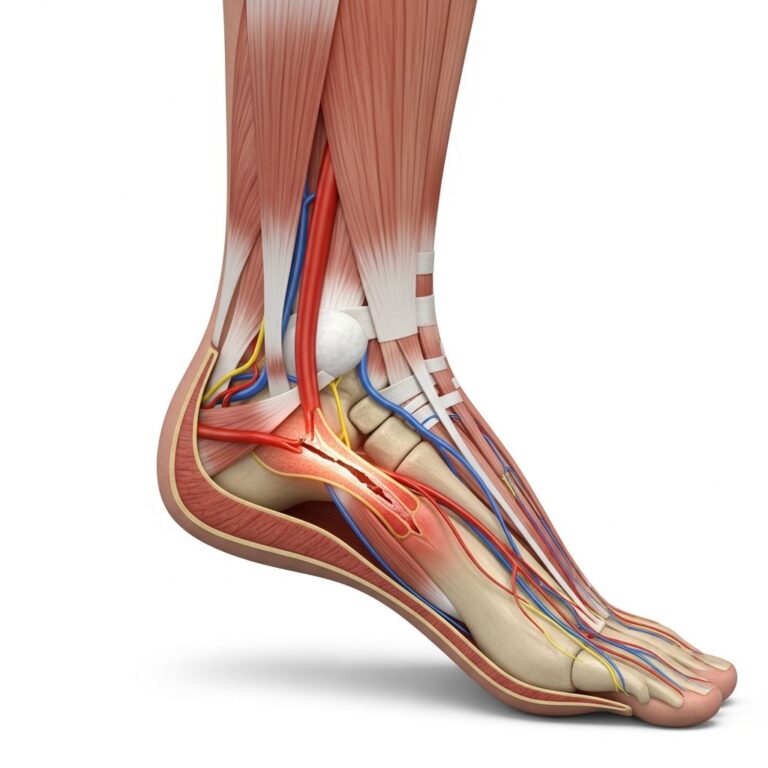
The primary anatomic cause of bunions involves a separation of bones in the forefoot. Specifically, the first metatarsal bone at the base of the big toe begins to drift and separate from the second metatarsal bone at the base of the second toe. This V-shaped separation pushes the great toe outward, creating the characteristic bunion deformity and prominent bump on the inside of the foot.
Several factors contribute to bunion development:
– Genetic predisposition remains the strongest risk factor for developing significant bunion deformities- Family history of bunions, flatfoot deformities, or toe clawing substantially increases susceptibility- Biomechanical abnormalities affecting foot mechanics- Inflammatory arthropathies that affect joint alignment- Neuromuscular conditions influencing muscle and tendon function- Ligamentous laxity or tissue weakness
Women experience bunions more frequently than men, and prevalence increases significantly with age. While bunions can develop at any age, they most commonly manifest in middle-aged and older adults. The condition typically develops gradually over years, with symptoms often progressing as the deformity worsens.
Symptoms and Clinical Presentation
Bunion symptoms vary considerably among individuals, and importantly, no direct correlation exists between the bunion’s size and symptom severity. Some patients with severe deformities experience minimal symptoms, while others with mild deformities report significant discomfort. This variation reflects differences in individual pain tolerance, activity level, and footwear choices.
Common symptoms associated with bunions include:
Related Stories



– Pain over the prominent bump on the inside of the forefoot- Discomfort under the ball of the foot near the second toe base- Swelling and redness at the affected joint- Pain aggravated by standing, walking, or prolonged weight-bearing activities- Difficulty finding comfortable footwear- Calluses or corns on affected toes- Progressive stiffness of the big toe joint- Inflammation and irritation of surrounding tissues
Symptoms are frequently exacerbated by restrictive footwear, particularly shoes with narrow toe boxes or stiff, inflexible materials. The mechanical pressure from tight shoes directly irritates the bunion prominence and surrounding soft tissues, intensifying discomfort. Some patients experience only mild discomfort or none at all, while others develop severe pain that interferes with daily activities and mobility.
Diagnosis and Physical Examination
Diagnosis of bunions typically involves clinical assessment combined with imaging studies. During physical examination, healthcare providers observe a prominent bump on the inside of the forefoot and assess the degree of toe deviation. As the first metatarsal shifts outward and the big toe drifts inward, the big toe joint may become subluxated, meaning it shifts out of its normal position. In mild to moderate cases, the joint may be manually repositioned during examination; however, with increased deformity or arthritic changes, the joint cannot be fully straightened to its normal position.
X-ray imaging is typically performed to assess the severity of the deformity, measure specific angles between bones, and evaluate any associated arthritic changes. These imaging studies help clinicians determine the most appropriate treatment approach and predict disease progression.
Non-Surgical Treatment Options
Most bunions can be successfully managed with conservative, non-operative treatment approaches. These interventions focus on symptom relief and preventing progression rather than eliminating the deformity itself.
Footwear Modification
Proper shoe selection represents the most fundamental and effective non-surgical intervention. Patients should choose shoes with adequate toe box space, low heels, and soft, flexible materials that accommodate the bunion without creating pressure points. Avoiding tight, narrow, or rigid shoes prevents symptom exacerbation and reduces inflammation.
Padding and Protective Devices
Protective padding placed over the bunion prominence reduces friction and irritation from shoe contact. These soft pads, while unable to treat the underlying bunion, provide symptomatic relief and improved comfort during daily activities. Toe spacers can also help maintain proper toe alignment.
Bunion Splints
Bunion splints, typically worn at night, aim to reduce deformity through prolonged gentle positioning. Although some patients report symptom relief with splint use, scientific evidence does not clearly support their effectiveness, nor do they definitively prevent progression of the bunion deformity. Their use remains a reasonable conservative option for motivated patients seeking additional symptom management.
Ice and Anti-Inflammatory Measures
Applying ice to the affected area reduces inflammation and associated discomfort, particularly after activities that aggravate symptoms. Nonsteroidal anti-inflammatory medications can help manage pain and reduce inflammation when conservative measures alone prove insufficient.
Physical Therapy and Exercises
Specific stretching and strengthening exercises targeting the foot and ankle musculature can improve biomechanics and provide symptomatic relief. A physical therapist can design a personalized program addressing individual functional limitations.
Surgical Treatment Considerations
Surgery should only be considered for bunions causing moderate to severe pain that persists despite appropriate non-operative management. Importantly, surgery is not recommended for cosmetic correction alone. The primary indication for surgical intervention is pain that significantly impacts daily functioning and quality of life.
Even symptom-free bunions that slowly worsen or increase in size do not typically warrant surgical treatment in the absence of significant pain symptoms. Surgical decision-making requires careful patient counseling regarding expectations, recovery time, and potential complications.
Surgical Procedures
Multiple surgical approaches exist for bunion correction, chosen based on deformity severity and individual factors:
– Removal of the bony prominence on the inside of the foot (medial eminence)- Distal metatarsal osteotomy (chevron procedure) with soft-tissue tightening- Proximal metatarsal osteotomy (including Ludloff, Crescent, SCARF, and medial opening wedge techniques) combined with soft-tissue procedures- Arthroscopic procedures for early deformities
Recovery from bunion surgery typically requires 6 to 12 weeks for bones to heal, with most patients resuming normal activities after approximately 3 months. Initial recovery involves using crutches for several weeks and wearing protective footwear for at least 8 weeks to support healing and minimize swelling. Individual recovery timelines vary based on age, overall health status, and the specific procedure performed.
Tailor’s Bunion (Bunionette) Treatment
Tailor’s bunions, though smaller than regular bunions, can cause significant discomfort and affect quality of life. Conservative treatments include protective padding, appropriate footwear, and bunion correctors or pads to reduce pressure and friction. However, these conservative measures cannot eliminate the deformity.
For moderate bunionettes, surgical correction involves cutting and repositioning the bone while realigning ligaments, tendons, and muscles. Severe cases may require bone removal and repositioning. Arthritic bunionettes may require bone fusion procedures to allow proper healing and prevent recurrent shifting. Left untreated, bunionettes can worsen progressively, increasing risk for bursitis, hammertoes, arthritis, and significant functional limitations.
Prevention Strategies
While genetic predisposition cannot be modified, several preventive measures may slow bunion progression or prevent symptom development:
– Wearing properly fitting shoes with adequate toe box space- Avoiding high heels and tight footwear- Choosing flexible shoe materials over rigid materials- Maintaining healthy body weight to reduce foot stress- Addressing foot biomechanical issues through orthotics if necessary- Staying physically active with low-impact exercises- Attending to early symptoms before significant deformity develops
When to Seek Medical Attention
Consultation with a podiatrist or orthopedic specialist is recommended when experiencing persistent foot pain, visible deformity of the toe joint, difficulty finding comfortable footwear, or symptoms interfering with daily activities. Early evaluation and intervention can help prevent progression and improve long-term outcomes. Patients with progressive deformities, severe pain despite conservative treatment, or concerns about foot function should seek professional evaluation to discuss appropriate management strategies.
Frequently Asked Questions
Q: Can bunions be cured without surgery?
A: Most bunions can be effectively managed with conservative treatment including proper footwear, padding, and anti-inflammatory measures. Surgery is only necessary for bunions causing significant pain unrelieved by non-operative management.
Q: Do bunion splints prevent bunion progression?
A: Scientific evidence does not clearly support that bunion splints prevent progression or decrease deformity development, though some patients report symptomatic relief with their use.
Q: Why do women develop bunions more frequently than men?
A: While the exact reason remains unclear, factors include differences in foot biomechanics, ligamentous laxity, hormonal influences, and footwear choices. Genetic predisposition also plays a significant role.
Q: How long does bunion surgery recovery take?
A: Recovery typically requires 6 to 12 weeks for bone healing, with most patients resuming normal activities after approximately 3 months. Initial recovery involves crutches and protective footwear for at least 8 weeks.
Q: Can bunions come back after surgery?
A: While surgical correction provides significant improvement, recurrence rates vary depending on the procedure performed and individual factors. Following post-operative recommendations and maintaining proper footwear helps minimize recurrence risk.
Q: What is the difference between a bunion and a bunionette?
A: A bunion develops at the base of the big toe on the inside of the foot, while a bunionette forms at the base of the little toe on the outside of the foot. Bunionettes are typically smaller than regular bunions.
Q: Are bunions hereditary?
A: Yes, bunions often run in families. Having a first-degree relative with bunions or related foot deformities substantially increases your risk of developing bunions.
Q: Do all bunions require treatment?
A: No, symptom-free bunions do not require treatment even if they slowly worsen or increase in size. Treatment is primarily indicated when symptoms develop or significantly impact daily functioning.
References
- Bunions – Massachusetts General Hospital — Massachusetts General Hospital. https://www.massgeneral.org/orthopaedics/foot-ankle/conditions-and-treatments/bunions
- Bunions | WellMed Healthcare — WellMed Healthcare. https://www.wellmedhealthcare.com/patients/bunions/
- What Is a Tailor’s Bunion (Bunionette)? – WebMD — WebMD. https://www.webmd.com/pain-management/what-is-a-tailors-bunion
- Bunions and Bunionettes: What’s the Difference? — News-Medical.net. https://www.news-medical.net/health/Bunions-and-Bunionettes-Whats-the-Difference.aspx
Similar Articles








Read full bio of Sneha Tete