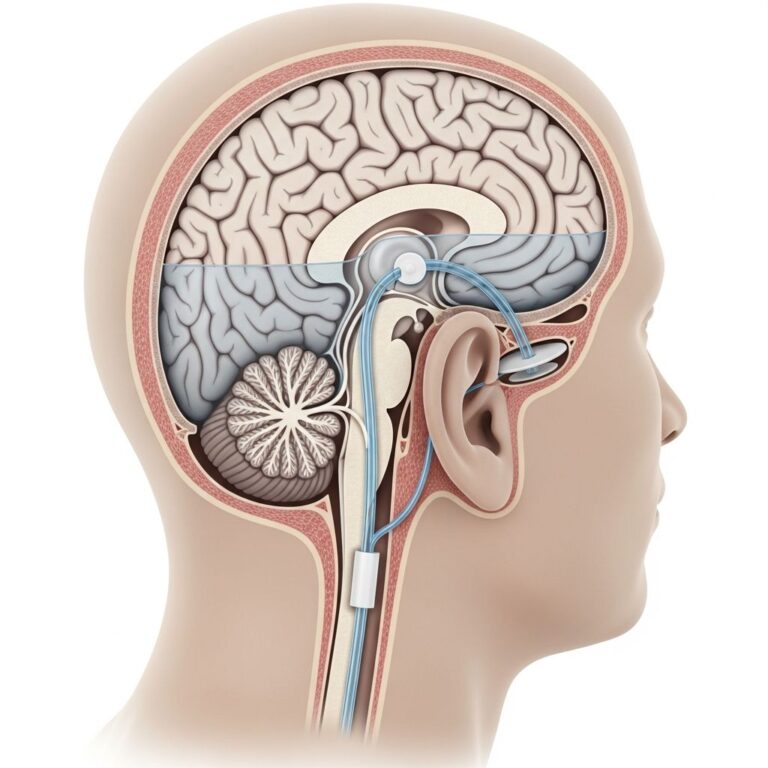
Buprenorphine for Pain Relief: 5 Key Facts on Tablets & Patches
Comprehensive guide to buprenorphine: strong opioid for moderate to severe pain relief, usage, side effects, and precautions.

Buprenorphine is a strong opioid painkiller prescribed for moderate to severe pain. It acts on the nervous system and brain to reduce pain signals.
About buprenorphine tablets, patches and injection
Buprenorphine belongs to the group of strong opioids, also called opiates, used for severe pain management. It interrupts pain signaling between the body and brain, providing effective relief.
Available forms include:
- Sublingual tablets (e.g., Temgesic): Dissolve under the tongue for short-term acute pain, such as post-surgery.
- Skin patches (e.g., Butrans, Transtec): Transdermal delivery for long-term chronic pain, releasing medication steadily over days.
- Injections: For acute pain relief in hospital settings.
Patches are unsuitable for acute pain but ideal for ongoing conditions like chronic back pain or neuropathic pain. Buprenorphine’s partial mu-opioid agonist properties offer potent analgesia with a ceiling effect on respiratory depression, making it safer than full agonists like morphine.
Key facts about buprenorphine tablets, patches and injection
- Buprenorphine is prescription-only from a doctor.
- Used for opioid dependence treatment or severe pain; different brands for addiction (e.g., Subutex).
- Common side effects: constipation, drowsiness, nausea.
- Schedule III controlled substance with lower abuse potential than Schedule II opioids.
- Safer profile: less respiratory depression, suitable for elderly or renal impairment patients.
How buprenorphine works for pain
Buprenorphine binds strongly to mu-opioid receptors with high affinity and slow dissociation, providing longer-lasting analgesia than morphine or oxycodone. As a partial agonist, it activates receptors less intensely, creating a ceiling for euphoria and respiratory depression risks.
It also acts as a kappa-opioid antagonist, potentially reducing dysphoria. Studies show efficacy comparable to full opioids for chronic pain, with benefits in neuropathic pain and less tolerance development.
When is buprenorphine prescribed?
Prescribed for moderate to severe pain when weaker analgesics fail. Forms suit different needs:
- Tablets/injections: Acute pain (e.g., post-operative).
- Patches: Chronic non-cancer pain (e.g., osteoarthritis, low back pain).
Not first-line; used short-term where possible. Effective for opioid-experienced patients transitioning from higher doses.
Types of buprenorphine available in the UK
| Brand | Form | Strengths | Use |
|---|---|---|---|
| Temgesic | Sublingual tablets | 200 mcg | Acute pain |
| Butrans | Patches (7-day) | 5, 10, 20 mcg/hr | Chronic pain |
| Transtec | Patches (4-day) | 35, 52.5, 70 mcg/hr | Chronic pain |
Prescriptions specify form and dose based on pain severity and patient factors.
How to use buprenorphine tablets
Take exactly as prescribed, usually 200-400 mcg every 6-8 hours for pain. Place sublingual tablet under tongue; do not chew or swallow. Let dissolve fully (5-10 minutes).
- Start low, titrate based on response.
- Each dose lasts 6-8 hours; contact doctor if inadequate.
- Avoid food/drink until dissolved.
How to use buprenorphine patches
Apply to clean, dry, hairless skin (upper arm, chest, back). Rotate sites; do not cut patches.
- Wash hands, open pouch with scissors.
- Peel backing, apply firmly for 30 seconds.
- Butrans: Change weekly; Transtec: Every 4 days.
- If patch falls off, apply new one; note date.
- Dispose safely: fold sticky sides together.
Related Stories



Wash site post-removal; avoid heat sources (saunas, hot baths).
How to use buprenorphine injections
Administered by healthcare professionals for acute pain. Slow IV or IM injection; dose per doctor’s instruction.
Cautions and dosage for buprenorphine tablets, patches and injection
- Do not exceed prescribed dose; risk of overdose, sedation.
- Avoid alcohol, sedatives, antidepressants (enhanced sedation).
- Not for opioid-naïve patients without titration.
- Renal/hepatic impairment: Dose adjustment needed.
- Pregnancy/breastfeeding: Consult doctor; neonatal risks.
- Driving: Avoid until effects known (drowsiness).
For patches, maximum dose 140 mcg/hr; monitor for 7 days post-initiation.
Side-effects of buprenorphine tablets, patches and injection
Common:
- Constipation (use laxatives), nausea/vomiting, drowsiness, dizziness, headache, dry mouth.
Serious (seek urgent help):
- Breathing difficulties, severe sleepiness, allergic reactions (rash, swelling).
- Dependency risk; taper slowly.
Better tolerability than full opioids; less immunosuppression.
Interactions with buprenorphine tablets, patches and injection
Avoid with:
- CNS depressants (alcohol, benzodiazepines): Respiratory risk.
- MAOIs, CYP3A4 inhibitors (e.g., ketoconazole).
- Other opioids: May reduce efficacy; continue buprenorphine.
Alternatives to buprenorphine tablets, patches and injection
| Alternative | Use | Notes |
|---|---|---|
| Morphine (tablets/patches) | Severe pain | Higher abuse potential |
| Oxycodone | Moderate-severe pain | Schedule II |
| Fentanyl patches | Chronic pain | Stronger, riskier |
| Non-opioids (paracetamol, ibuprofen) | Mild-moderate | First-line |
Common questions about buprenorphine tablets, patches and injection
Can I drink alcohol while taking buprenorphine?
No; increases sedation and breathing risks.
How long do buprenorphine patches take to work?
12-24 hours for full effect; use rescue meds initially.
Can I come off buprenorphine easily?
Taper under supervision to avoid withdrawal.
Is buprenorphine safe in pregnancy?
Use only if benefits outweigh risks; discuss with doctor.
Does buprenorphine cause constipation?
Yes, commonly; take laxatives preventively.
What if I forget a dose?
Tablets: Take soon as remembered; patches: Apply new one, note date.
Can I use buprenorphine with other painkillers?
Yes, but consult doctor; multimodal approach best.
Buprenorphine offers a safer opioid option for chronic pain, backed by systematic reviews showing efficacy equal to traditional opioids with reduced risks. Always follow medical advice for safe use.
References
- Buprenorphine for Chronic Pain: A Safer Alternative to… — de S Dalal et al. 2021-10-26. https://pmc.ncbi.nlm.nih.gov/articles/PMC8567798/
- Buprenorphine – about, usage, side effects and alternatives — healthdirect.gov.au. Accessed 2026. https://www.healthdirect.gov.au/buprenorphine
- Buprenorphine for pain relief — patient.info. Accessed 2026. https://patient.info/medicine/buprenorphine-for-pain-relief-butrans-temgesic-transtec
- Buprenorphine Treatment Recommendations for Patients… — ASRA. 2021-11-01. https://asra.com/news-publications/asra-newsletter/newsletter-item/asra-news/2021/11/01/buprenorphine-treatment-recommendations-for-patients-with-opioid-use-disorder
- Buprenorphine for addiction treatment – Prefibin, Subutex — patient.info. Accessed 2026. https://patient.info/medicine/buprenorphine-tablets-for-addiction-treatment-espranor-prefibin-subutex
- Opioid Analgesics: Types and Uses — patient.info. Accessed 2026. https://patient.info/doctor/drug-therapy/opioid-analgesics
Similar Articles








Read full bio of medha deb