Buprenorphine Tablets for Addiction Treatment
Comprehensive guide to buprenorphine tablets (Espranor, Prefibin, Subutex) for opioid addiction treatment, usage, and safety.
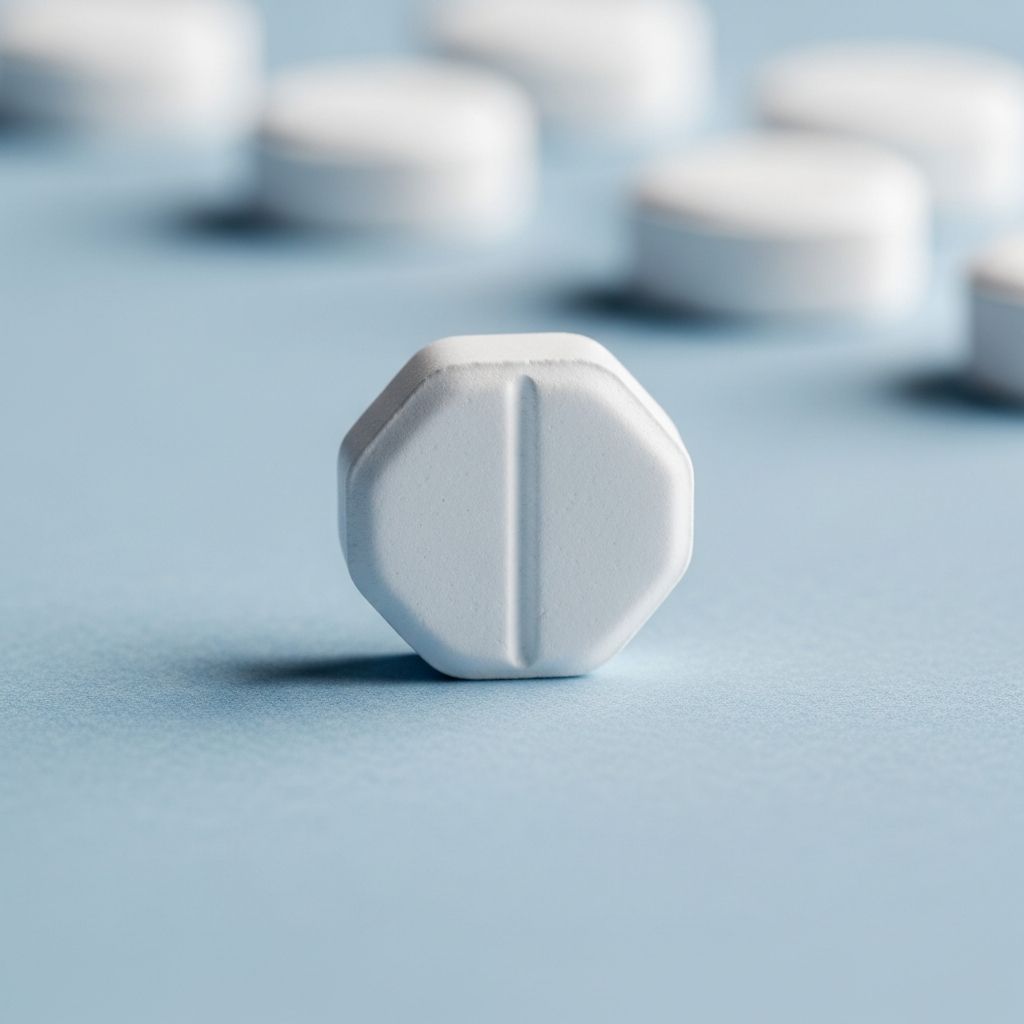
Buprenorphine tablets, marketed under brand names such as Espranor, Prefibin, and Subutex, are specialized medications designed primarily for the treatment of opioid dependence. These sublingual tablets help manage withdrawal symptoms and cravings associated with opioid use disorder (OUD), facilitating long-term recovery. As partial opioid agonists, they bind strongly to mu-opioid receptors, producing milder effects than full agonists like heroin or methadone, which reduces the risk of misuse and overdose.
About buprenorphine tablets for addiction treatment
Buprenorphine is a synthetic opioid partial agonist approved by the FDA for treating opioid dependence and related withdrawal symptoms. Unlike full agonists, it activates opioid receptors to a lesser degree, diminishing cravings and withdrawal while offering a ceiling effect on respiratory depression for enhanced safety. In the UK and elsewhere, brands like Subutex (buprenorphine alone), Espranor, and Prefibin are used specifically for substitution therapy in opioid addiction. Treatment typically occurs under specialist supervision, often combined with counseling to address psychological aspects of addiction.
These tablets are placed under the tongue to dissolve, allowing absorption directly into the bloodstream. They are particularly valuable because they can be prescribed in office-based settings, increasing accessibility compared to methadone programs. Clinical evidence shows buprenorphine maintenance improves treatment retention and reduces illicit opioid use, with high doses (≥16 mg/day) proving most effective against relapse.
Before taking buprenorphine tablets for addiction treatment
Allergy
Do not use buprenorphine if you have a known allergy to buprenorphine or any tablet ingredients. Allergic reactions can include rash, itching, swelling, severe dizziness, or breathing difficulties—seek immediate medical help if these occur.
Pregnancy and breastfeeding
Buprenorphine is used during pregnancy for opioid-dependent women to prevent neonatal abstinence syndrome, though it may still occur. Breastfeeding is generally possible with low doses, but monitor the infant for drowsiness or poor feeding. Consult your doctor for personalized advice.
Other medicines – please make sure your doctor knows
Inform your doctor of all medications, as buprenorphine interacts with CNS depressants (e.g., benzodiazepines, alcohol), increasing overdose risk. It may also interact with CYP3A4 inhibitors/inducers like certain antifungals or antibiotics. Avoid combining with other opioids to prevent precipitated withdrawal.
How and when to take buprenorphine tablets for addiction treatment
Dosage
Initial dose is typically 4-8 mg on day 1, titrated to 12-16 mg/day for maintenance based on withdrawal relief and cravings. Higher doses up to 24-32 mg may be needed for some patients. Treatment duration varies from months to years.
| Phase | Typical Dosage | Notes |
|---|---|---|
| Induction | 2-8 mg/day | Start when mild withdrawal present to avoid precipitation. |
| Maintenance | 8-24 mg/day | Adjust for efficacy; higher doses improve retention. |
| Taper | Reduce by 2-4 mg/week | For discontinuation; relapse risk high without support. |
How to use the sublingual tablets
Place the tablet under your tongue and let it dissolve completely (5-10 minutes)—do not chew, swallow, or drink until dissolved. For best absorption, avoid eating/drinking 30 minutes before/after. Use in a quiet setting to minimize diversion.
Related Stories



When to take it
Take once daily, preferably at the same time. During induction, time doses to coincide with withdrawal symptoms.
If you forget a dose
Take as soon as remembered unless near next dose—do not double up. Contact your doctor if multiple doses missed, as withdrawal may occur.
Switching from methadone
Wait until methadone-induced withdrawal (typically 24-48 hours after last dose) before starting buprenorphine to prevent precipitation. Reduce methadone to ≤30 mg/day first.
If you take too much (an overdose)
Symptoms include pinpoint pupils, extreme drowsiness, slow/shallow breathing, or unresponsiveness. Overdose risk is lower due to partial agonism, but call emergency services immediately. Naloxone can reverse effects, though multiple doses may be needed. Keep naloxone accessible.
Side-effects
Common side effects include headache, nausea, constipation, sweating, insomnia, anxiety. Most resolve over time. Serious risks: respiratory depression (rare), liver issues, allergic reactions. Report persistent or severe symptoms to your doctor.
- Common (>1 in 10): Constipation, nausea.
- Serious (seek help): Difficulty breathing, confusion, fainting.
How to cope with side effects of buprenorphine tablets for addiction treatment
Feeling sick (nausea)
Eat small, bland meals; ginger tea may help. Take with food if approved.
Constipation
Increase fiber, water, exercise. Use laxatives if needed under guidance.
Headaches
Rest, hydrate; paracetamol if suitable. Persistent headaches warrant medical review.
Sweating
Wear light clothing, use fans. Antiperspirants can help.
Feeling anxious
Practice relaxation techniques; discuss counseling with your provider.
Pregnancy and breastfeeding while taking buprenorphine tablets for addiction treatment
Buprenorphine is preferred over methadone in pregnancy for lower neonatal withdrawal risk. Doses should be split, with close monitoring. Small amounts pass into breast milk; generally safe if infant monitored.
Other things to think about when taking buprenorphine tablets for addiction treatment
- Alcohol: Avoid, as it heightens sedation and overdose risk.
- Driving: Do not drive until effects known; it may impair.
- Misuse risk: High affinity reduces abuse potential, but secure tablets.
- Liver function: Monitor, especially with hepatitis.
- Counseling: Combine with behavioral therapy for best outcomes.
Common questions about buprenorphine tablets for addiction treatment
Q: Can buprenorphine be used for pain?
Yes, but for addiction treatment, it’s primarily for OUD maintenance.
Q: How long does treatment last?
Typically 3-24 months or longer; individualized based on progress.
Q: Is it addictive?
Lower dependence risk than full agonists due to partial agonism.
Q: What if I relapse?
Restart under supervision; does not reduce future effectiveness.
Q: Can I get it without a specialist?
In many places, yes via waived providers, but specialist oversight recommended.
This article provides an overview; always consult healthcare professionals for personalized advice. Buprenorphine significantly aids recovery when used as part of comprehensive care.
References
- What is Buprenorphine? Side Effects, Treatment & Use — SAMHSA. 2023. https://www.samhsa.gov/substance-use/treatment/options/buprenorphine
- Buprenorphine – StatPearls — NCBI Bookshelf. 2023-10-01. https://www.ncbi.nlm.nih.gov/books/NBK459126/
- Buprenorphine Treatment for Opioid Use Disorder: An Overview — NIH PMC. 2019-06-12. https://pmc.ncbi.nlm.nih.gov/articles/PMC6585403/
- Buprenorphine – about, usage, side effects and alternatives — healthdirect.gov.au. 2023. https://www.healthdirect.gov.au/buprenorphine
- Buprenorphine Treatment Recommendations for Patients With Opioid Use Disorder — ASRA. 2021-11-01. https://asra.com/news-publications/asra-newsletter/newsletter-item/asra-news/2021/11/01/buprenorphine-treatment-recommendations-for-patients-with-opioid-use-disorder
Similar Articles








Read full bio of medha deb