Bupropion: Comprehensive Guide, Uses, Dosage, Side Effects
Explore bupropion's role in treating depression, smoking cessation, and more, with insights on benefits, risks, and usage guidelines.
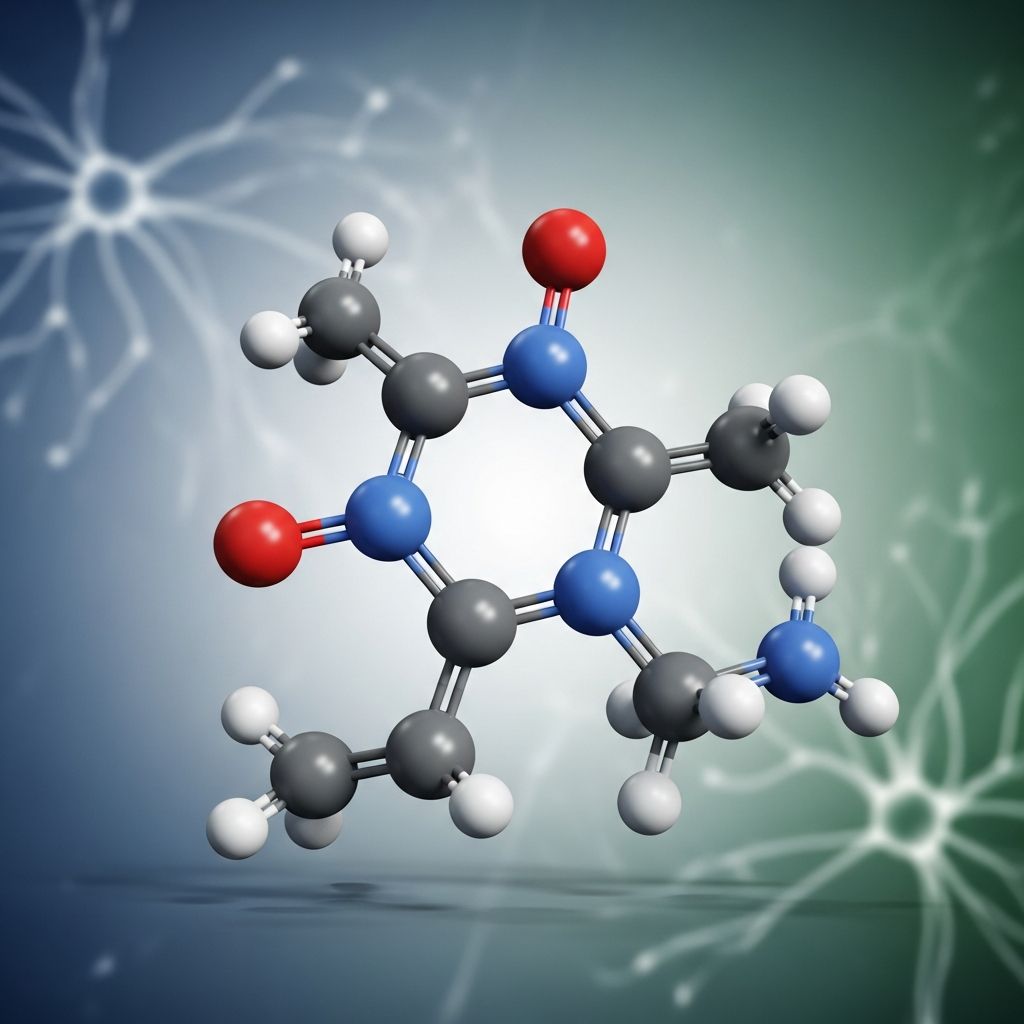
Bupropion stands out as a versatile medication primarily prescribed for major depressive disorder, prevention of seasonal affective disorder, and support in quitting smoking. Unlike many antidepressants, it influences norepinephrine and dopamine reuptake, offering unique benefits like minimal sexual side effects and potential weight loss.
Understanding Bupropion’s Mechanism of Action
Bupropion operates by inhibiting the reuptake of norepinephrine and dopamine in the brain, which helps elevate mood and energy levels. This dual action differentiates it from selective serotonin reuptake inhibitors (SSRIs), which mainly target serotonin. By boosting these neurotransmitters, bupropion addresses symptoms such as fatigue and hypersomnia more effectively than some alternatives.
Available in forms like immediate-release, sustained-release (SR), and extended-release (XL), bupropion allows for tailored dosing to minimize side effects while maintaining efficacy. The sustained and extended formulations reduce seizure risk compared to immediate-release versions.
Primary Therapeutic Applications
Bupropion’s FDA-approved indications include major depressive disorder (MDD) and seasonal affective disorder (SAD). For MDD, it alleviates persistent sadness, loss of interest, and low energy. In SAD, particularly during autumn and winter, it prevents depressive episodes, with studies showing lower incidence rates versus placebo.
- Major Depressive Disorder: Effective across various depression types, including melancholic and atypical forms.
- Seasonal Affective Disorder: Reduces major depressive episodes by about 15% compared to 27% on placebo.
- Smoking Cessation: Marketed as Zyban, it curbs nicotine cravings and withdrawal symptoms, doubling quit rates in some trials.
Off-Label and Emerging Uses
Beyond approved uses, bupropion shows promise in several areas. It aids in managing bipolar depression with a lower risk of inducing mania compared to some antidepressants. For attention deficit hyperactivity disorder (ADHD), it improves focus and reduces impulsivity, especially in adults.
In sexual dysfunction caused by other antidepressants, bupropion often restores libido and function due to its non-serotonergic profile. Weight management benefits arise from appetite suppression, with combinations like naltrexone-bupropion leading to significant loss (around 6.3% body weight).
| Use | Evidence Level | Key Benefits |
|---|---|---|
| Bipolar Depression | Moderate (clinical trials) | Lower mania risk |
| ADHD | Emerging | Improved attention |
| Sexual Dysfunction | Strong (head-to-head studies) | Minimal interference |
| Weight Loss | Supported (combo therapy) | Appetite reduction |
Other investigational applications include excessive daytime sleepiness, motivational disorders like apathy, and even postural orthostatic tachycardia syndrome (POTS), though evidence varies.
Dosage Guidelines and Administration
Dosing starts low to assess tolerance, especially due to seizure risk. For depression, immediate-release begins at 100 mg twice daily, up to 450 mg/day. SR and XL forms allow once- or twice-daily dosing for convenience.
- Depression (XL): 150 mg once daily, increase to 300 mg after 4 days; max 450 mg.
- Smoking Cessation: 150 mg once daily for 3 days, then 150 mg twice daily; start 1-3 weeks pre-quit date.
- SAD Prevention: 150 mg daily in autumn, continue through winter.
Take with food if stomach upset occurs, and avoid bedtime dosing to prevent insomnia. Abrupt discontinuation risks withdrawal symptoms like irritability.
Common and Serious Side Effects
Most users experience mild issues that often resolve. Dry mouth, nausea, insomnia, and anxiety top the list, differing most from placebo.
- Frequent (>10%): Dry mouth, headache, nausea, constipation, insomnia, sweating.
- Less Common: Tremor, dizziness, weight loss, agitation.
Serious risks include seizures (0.1-0.4% at recommended doses, higher with risk factors), elevated blood pressure, and rare psychosis or liver issues. Monitor blood pressure, especially in hypertensives.
Related Stories



| Side Effect | Frequency | Management |
|---|---|---|
| Seizures | Rare (dose-dependent) | Avoid in epilepsy history |
| Hypertension | 10% (avg +6 mmHg) | Regular BP checks |
| Insomnia | Common | Morning dosing |
| Sexual Dysfunction | <1% | Advantage over SSRIs |
Contraindications and Precautions
Do not use in seizure disorders, bulimia, anorexia, or abrupt alcohol/benzodiazepine withdrawal. Caution with MAOIs (14-day gap required), history of head trauma, or hepatic/renal impairment.
Pregnancy category C; associated with congenital heart defects. Breastfeeding requires weighing benefits vs. risks.
Drug Interactions and Metabolism
Bupropion inhibits CYP2D6, raising levels of substrates like atomoxetine or desipramine. Avoid with tamoxifen or codeine, as it impairs activation. Nicotine replacement is safe but monitor for overstimulation.
- Strong Interactions: MAOIs, other bupropion forms, high-dose alcohol.
- Moderate: CYP2D6 inhibitors/inducers, antipsychotics.
Special Populations: Elderly, Pediatrics, Pregnancy
Elderly patients benefit similarly but start at lower doses due to metabolism changes. Not approved for pediatric depression; ADHD use is off-label. In pregnancy, consult risks; limited data on long-term child outcomes.
Monitoring and Long-Term Use
Regular check-ins track efficacy, side effects, and blood pressure. For long-term therapy, taper gradually. Bupropion’s lack of weight gain or sedation supports adherence.
Frequently Asked Questions (FAQs)
What makes bupropion different from other antidepressants?
It targets norepinephrine and dopamine, avoiding common SSRI issues like weight gain and sexual dysfunction.
Can bupropion help with weight loss?
Yes, it often reduces appetite; combined with naltrexone, it achieves notable results.
Is bupropion safe for smoking cessation?
Highly effective as Zyban, but avoid if seizure-prone.
How long does it take to work?
1-4 weeks for mood improvement; full effects in 4-6 weeks.
What if I miss a dose?
Take as soon as remembered unless near next dose; do not double up.
Bupropion offers a favorable profile for many, balancing efficacy with tolerability when used appropriately under medical supervision.
References
- Bupropion — Wikipedia. 2026 (continuously updated). https://en.wikipedia.org/wiki/Bupropion
- The Many Uses of Bupropion and Bupropion SR in Adults — PMC (PubMed Central). 2005-06-22. https://pmc.ncbi.nlm.nih.gov/articles/PMC314381/
- Bupropion: MedlinePlus Drug Information — MedlinePlus (U.S. National Library of Medicine). 2026 (continuously updated). https://medlineplus.gov/druginfo/meds/a695033.html
- Bupropion: Uses, Interactions, Mechanism of Action — DrugBank Online. 2026 (continuously updated). https://go.drugbank.com/drugs/DB01156
- Bupropion (oral route) – Side effects & dosage — Mayo Clinic. 2026 (continuously updated). https://www.mayoclinic.org/drugs-supplements/bupropion-oral-route/description/drg-20062478
- Bupropion: Uses, Side Effects, Dosage & Reviews — GoodRx. 2026 (continuously updated). https://www.goodrx.com/bupropion/what-is
Similar Articles








Read full bio of medha deb