Burn Fat & Build Muscle: 10-Week Workout Plan
Transform your body with a strategic 10-week plan combining progressive overload, intelligent nutrition, and proven training methods.

Burn Fat and Build Muscle: The Complete 10-Week Guide
The pursuit of burning fat while building muscle simultaneously represents one of fitness’s most coveted achievements—often referred to as body recomposition. For years, fitness enthusiasts debated whether this dual goal was even possible, but modern research and practical training methods have confirmed that yes, you can transform your body composition while working toward both objectives at once. This comprehensive guide outlines everything you need to know to successfully navigate your 10-week journey toward a leaner, more muscular physique.
The challenge lies in understanding that these two goals require different physiological demands. To lose fat, your body needs to operate in a calorie deficit, burning more energy than you consume. Conversely, building muscle requires adequate nutrition and progressive strength training to stimulate muscle fiber growth. The key to achieving both simultaneously is balancing these seemingly contradictory requirements through strategic training and intelligent nutrition planning.
Understanding Body Recomposition
Body recomposition is the process of simultaneously losing fat mass while gaining lean muscle tissue. Recent research published in the Strength and Conditioning Journal suggests this is achievable, particularly when you follow a structured approach that addresses both training stimulus and nutritional support. The concept has long been considered the “Holy Grail” of fitness because it requires precision in both your workout programming and dietary choices.
The most effective strategy isn’t necessarily to pursue both goals with equal intensity from day one. Instead, research indicates that prioritizing muscle building first creates physiological benefits that naturally facilitate fat loss. When you build muscle mass, your metabolic rate increases significantly because muscle tissue requires more energy to maintain than fat tissue. This means your body burns more calories throughout the day, even during rest, creating the calorie deficit necessary for fat loss without requiring excessive dietary restriction.
The Build Muscle Training Plans: Structure and Strategy
Alternating Training Phases
Your 10-week training plan should incorporate strategic alternation between two distinct training modalities. This approach delivers multiple adaptations simultaneously: strength gains, muscular endurance, and hypertrophy—the growth of muscle fibers themselves.
Heavy Weight, Low Repetition Phases: During these training blocks, you’ll work with weights that challenge you for 3-6 repetitions per set. This approach maximizes strength development and neurological adaptation, allowing you to recruit maximum muscle fibers with heavy loads.
Light Weight, High Repetition Phases: In contrast, these phases utilize lighter loads for 12-15 repetitions per set, emphasizing metabolic stress and muscular endurance while still creating significant muscle damage that drives hypertrophy.
By alternating between these modalities on a weekly or bi-weekly basis, you expose your muscles to varied training stimuli. This variation prevents adaptation plateaus and ensures continuous progress throughout your 10-week cycle.
Progressive Overload: The Foundation of Muscle Growth
Without progressive overload—continuously increasing the demands placed on your muscles—you cannot achieve meaningful muscle development. Progressive overload can be accomplished through several methods: increasing the weight lifted, performing additional repetitions with the same weight, reducing rest periods between sets, or improving exercise form and range of motion.
A practical approach involves tracking your performance metrics consistently. If you completed 10 repetitions at 185 pounds this week, aim for 11 repetitions at the same weight next week, or maintain the same reps but increase to 190 pounds. This gradual progression ensures continuous muscle adaptation and prevents stagnation.
Related Stories



Essential Training Principles for Dual Goals
Prioritize Strength Training Over Excessive Cardio
Resistance training serves dual purposes in your body recomposition journey. It creates the muscle damage necessary for hypertrophy and simultaneously burns significant calories, supporting your fat loss objective. While cardiovascular exercise does burn calories efficiently, excessive aerobic work can interfere with muscle preservation and recovery.
The optimal approach combines moderate-intensity strength training as your primary focus with strategic low-intensity cardiovascular activity. Consider implementing 2-3 sessions of steady-state walking, light cycling, or swimming weekly, keeping these sessions separate from your resistance training days. This strategy allows your body to recover adequately for muscle growth while still maintaining the calorie deficit necessary for fat loss.
Compound Movements Maximize Efficiency
Compound exercises—movements that involve multiple joints and recruit numerous muscle groups—should form the foundation of your training program. Exercises like barbell squats, deadlifts, bench presses, and rows demand significant muscular recruitment, triggering substantial hypertrophy responses while burning considerable calories.
The recruitment of multiple muscle groups during compound movements means greater energy expenditure and more total muscle stimulation. Additionally, these exercises allow you to lift heavier absolute weights, providing superior stimulus for strength and muscle development. While exercise variation prevents boredom and targets muscles from different angles, ensure your primary focus remains on progressive improvement in compound lifts.
Nutrition: The True Foundation of Body Recomposition
While exercise provides the stimulus for change, nutrition determines whether your body actually changes. Eating good quality food in the correct amounts represents the critical factor separating successful body recomposition from frustrating stagnation. Without proper nutritional support, even the most perfectly designed training program yields disappointing results.
Protein: Building Blocks of Muscle
Protein deserves its prominent place in fitness conversations because it literally serves as the building material for muscle tissue. When you perform resistance training, you create micro-tears in muscle fibers; protein provides the amino acids necessary for your body to repair these tears and build larger, stronger fibers.
The challenge intensifies when attempting body recomposition because limiting calories is essential for fat loss, yet insufficient protein under calorie restriction leads to muscle breakdown. To preserve and build muscle while in a deficit, aim for approximately 1 gram of protein per pound of bodyweight daily. This might seem high, but it’s scientifically supported for maximizing muscle retention during fat loss.
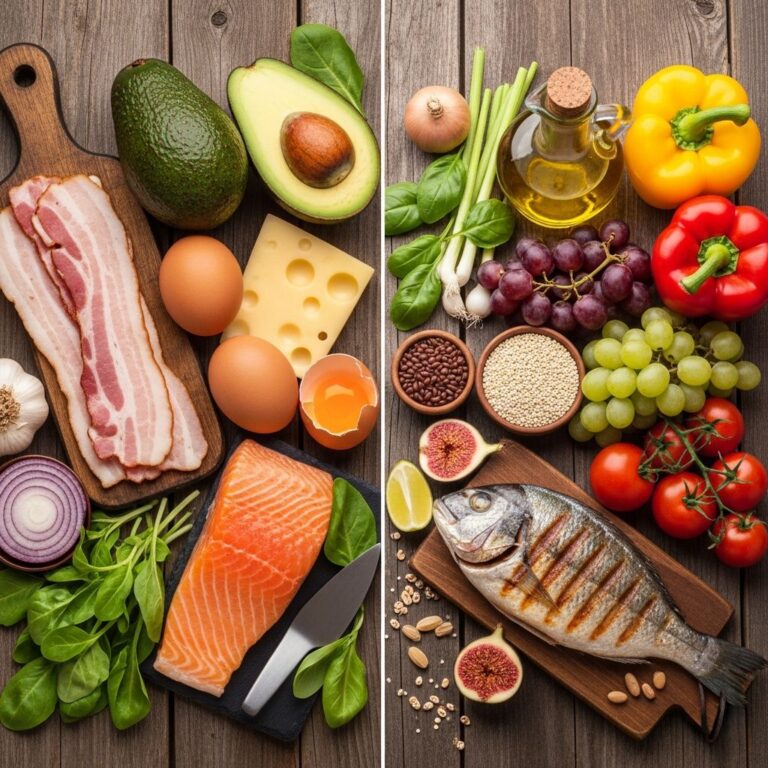
Protein sourcing strategy: Prioritize whole food protein sources including chicken, turkey, fish, beef, eggs, and legumes. These foods provide not only protein but also essential micronutrients and satiety-promoting properties. Supplement whole foods with protein powders when whole food sources are inconvenient, but view powders as supplementary rather than primary protein sources.
Beyond muscle building, protein offers additional benefits for body recomposition. Protein reduces ghrelin—the hunger hormone—helping you feel fuller longer and reducing the likelihood of excessive calorie consumption through snacking.
Carbohydrates: Fueling Performance and Recovery
Contrary to outdated diet trends, carbohydrates actively support your fitness goals rather than sabotaging them. Carbs fuel your brain and muscles before, during, and after workouts, directly impacting training performance and recovery quality.
Strategic carbohydrate timing enhances both performance and recovery. Consume 25-40 grams of carbohydrates in the 1-2 hours preceding your workout and again in the post-workout window. This timing ensures sufficient glycogen availability for intense training while supporting the recovery process when your muscles are primed to accept nutrients.
Prioritize minimally processed carbohydrate sources: oats, brown rice, sweet potatoes, whole grain bread, and fruits. These foods provide sustained energy release, fiber, and micronutrients lacking in refined carbohydrate sources. A pre-workout banana provides superior fuel compared to processed snacks, delivering both carbohydrates and potassium for optimal performance.
Fats: Essential for Hormonal Function
Although carbohydrates and protein should comprise the primary caloric fuel around workouts, your body still requires dietary fat for hormone production, nutrient absorption, and overall health. Target fats to constitute 20-30 percent of your total daily caloric intake.
Focus on fat sources supporting your health goals: nuts, seeds, avocados, fatty fish, olive oil, and coconut oil. These whole food sources provide omega-3 and omega-6 fatty acids alongside micronutrients. Be mindful of cooking oil intake—it’s remarkably easy to accumulate excess calories through oil, as a tablespoon contains roughly 120 calories with minimal satiety benefit.
Caloric Intake: The Foundation of Body Recomposition
Despite the importance of macronutrient composition, total caloric intake remains fundamental. To lose fat, you must consume fewer calories than your body expends. However, consuming a severe calorie deficit sabotages muscle building because your body lacks the raw materials for tissue growth.
The optimal approach involves a moderate deficit—typically 300-500 calories below your maintenance level. This creates sufficient fat loss while providing enough energy and nutrients to support muscle growth alongside resistance training. Utilize online macro calculators that account for your body size, age, and activity level to determine your specific needs, then adjust based on results over 2-3 weeks.
Practical Implementation: Your 10-Week Framework
Training Structure
Structure your 10 weeks as five 2-week blocks, alternating training phases:
| Weeks | Training Focus | Rep Range | Primary Outcome |
|---|---|---|---|
| Weeks 1-2 | Heavy Strength | 3-6 reps | Strength & neurological adaptation |
| Weeks 3-4 | Hypertrophy Focus | 12-15 reps | Muscle growth & endurance |
| Weeks 5-6 | Heavy Strength | 3-6 reps | Increased strength levels |
| Weeks 7-8 | Hypertrophy Focus | 12-15 reps | Sustained muscle development |
| Weeks 9-10 | Peak Week | 3-6 reps with max intensity | Testing new strength levels |
Weekly Training Schedule Template
Implement a 4-5 day per week resistance training schedule with strategic rest and active recovery days. A practical framework includes:
Day 1 – Upper Body Push: Bench press, incline dumbbell press, overhead press, tricep work
Day 2 – Lower Body Strength: Squats or deadlifts, leg press, hamstring work
Day 3 – Upper Body Pull: Rows, pull-ups, lat pulldowns, bicep work
Day 4 – Lower Body Hypertrophy: Leg press, leg curls, leg extensions, calf work
Day 5 – Full Body or Weak Points: Address lagging body parts or implement full-body compound movements
Include 1-2 days of low-intensity steady-state cardio (20-30 minutes) and 2-3 complete rest days weekly.
Tracking Progress and Adjusting Variables
Successful body recomposition requires consistent monitoring and strategic adjustment. Track the following metrics weekly:
– Strength metrics: Weight lifted and reps completed for primary exercises
– Body composition: Weekly weigh-ins and monthly body measurements
– Performance: Energy levels, workout quality, and recovery
– Nutrition compliance: Consistency with protein, calorie, and macronutrient targets
After 2-3 weeks, evaluate results. If strength isn’t progressing, increase calories slightly or reduce cardio volume. If fat loss stalls completely, decrease calories by 100-150 or increase activity modestly. If you’re losing more than 1-2 pounds weekly, you’re likely losing muscle alongside fat; increase calories and ensure adequate protein.
The Role of Supplementation
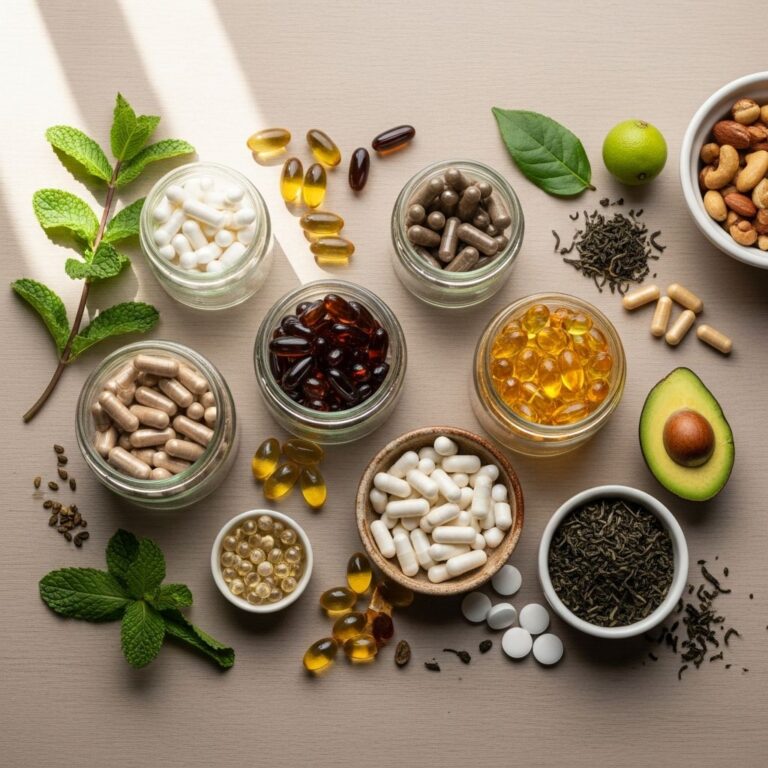
While whole foods should comprise the foundation of your nutrition, strategic supplementation addresses convenience and ensures adequate nutrient intake. Essential supplements include:
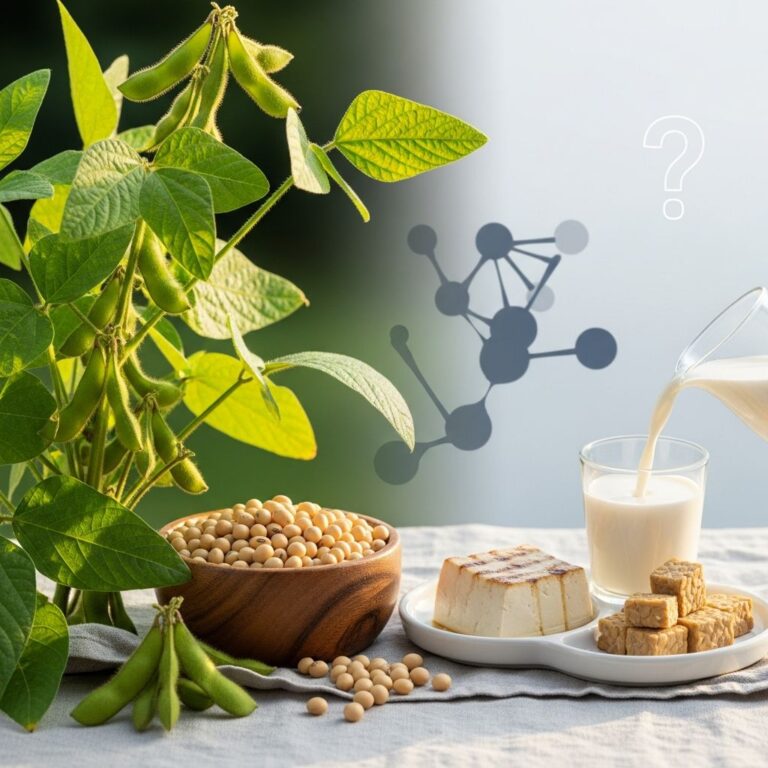
– Protein powder: Whey, casein, or plant-based options for convenient protein intake
– Creatine monohydrate: Supports strength gains and muscle development
– Multivitamin: Fills micronutrient gaps from dietary restriction
– Omega-3 fatty acids: Supports joint health and recovery
View supplements as exactly that—supplementary to solid nutrition and training fundamentals.
Frequently Asked Questions
Q: Can I follow this plan if I’m a complete beginner?
A: Yes, beginners can absolutely follow body recomposition principles. You may experience even faster initial progress due to “newbie gains,” where inexperienced trainees build muscle rapidly. Ensure you master exercise form before attempting heavy weights, and consider working with a qualified trainer for your first 2-4 weeks.
Q: How much weight should I aim to lose over 10 weeks?
A: Aim for 1-2 pounds of fat loss weekly, equaling 10-20 pounds over 10 weeks. This rate, combined with progressive training, allows meaningful muscle building while losing fat. Faster loss suggests you’re losing muscle alongside fat, indicating excessive calorie deficit or insufficient protein.
Q: What if I experience a strength plateau during the high-rep phases?
A: Plateaus during hypertrophy phases are normal and expected. Focus on increasing reps or reducing rest periods rather than increasing weight. When you return to heavy strength phases, you’ll typically see meaningful strength gains from the accumulated muscular development.
Q: Should I adjust my plan if I’m not seeing results after 4 weeks?
A: Four weeks is insufficient for meaningful assessment. Most meaningful body composition changes become apparent after 6-8 weeks of consistent adherence. However, if strength isn’t improving at all, evaluate your nutrition (particularly protein intake) and recovery (sleep and stress management).
Q: Can women follow this same plan?
A: Absolutely. The training and nutritional principles of body recomposition apply equally to men and women. Women may aim for slightly lower protein targets (0.8-0.9 grams per pound rather than 1 gram) and may experience slightly slower muscle development due to lower testosterone, but the framework remains identical.
Q: What happens after I complete the 10 weeks?
A: Upon completion, assess your results. If you’ve achieved your desired body composition, shift to a maintenance phase with balanced nutrition and consistent training. If you wish to continue improving, begin a new 10-week cycle with slightly adjusted targets based on your progress.
Conclusion: Your Path to Transformation
Burning fat while building muscle represents an achievable goal when approached strategically through combined resistance training, intelligent nutrition, and consistent effort. This 10-week plan provides the framework; your consistency with execution determines results.
Remember that body recomposition is slower than pursuing either goal in isolation, but the results prove superior in terms of final appearance and long-term sustainability. You’re building not just a physique but lasting habits supporting health and fitness. Stay committed to progressive training, adequate protein consumption, and moderate caloric deficit, and your 10-week transformation will demonstrate the power of strategic, intelligent training.
References
- Can You Actually Burn Fat and Gain Muscle at the Same Time? — Men’s Health. 2024. https://www.menshealth.com/fitness/a64321737/can-you-lose-fat-and-gain-muscle/
- Burn Fat & Build Muscle 10-Week Workout Plan — Men’s Health UK. 2024. https://www.menshealth.com/uk/building-muscle/a745472/burn-fat-build-muscle-145158/
- How to Eat to Lose Fat and Gain Muscle at the Same Time — Men’s Health. 2024. https://www.menshealth.com/fitness/a63216702/body-recomposition-diet-plan/
- Preserving Healthy Muscle during Weight Loss — National Center for Biotechnology Information (NIH). 2017. https://pmc.ncbi.nlm.nih.gov/articles/PMC5421125/
Similar Articles








Read full bio of medha deb