Burning Mouth Syndrome: Symptoms, Causes & Treatment
Understanding burning mouth syndrome: causes, symptoms, and effective treatment options for relief.
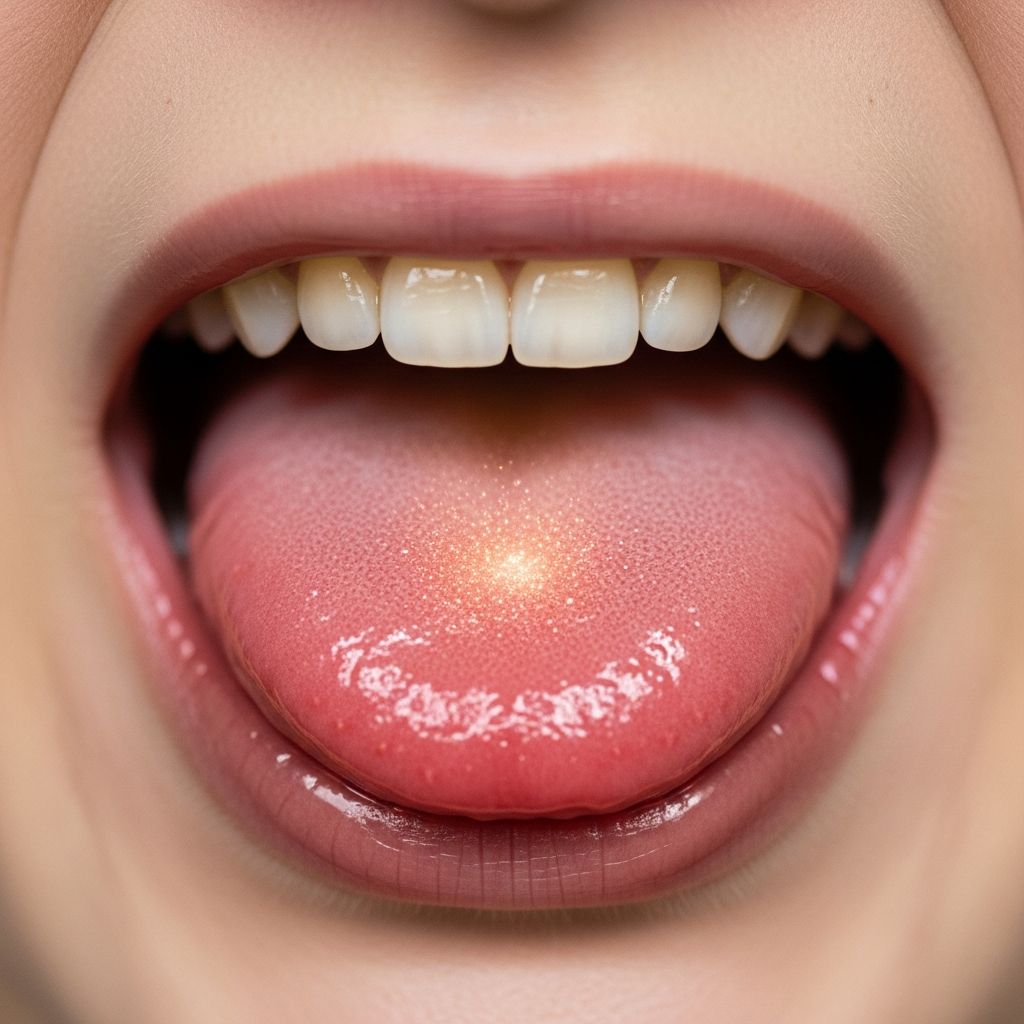
Burning Mouth Syndrome: Understanding a Painful Oral Condition
Burning mouth syndrome (BMS), medically known as glossodynia, is a painful condition that affects your tongue, lips, and other areas inside your mouth. This frustrating condition can make eating, speaking, and everyday activities challenging. While anyone can develop burning mouth syndrome, it’s most common in postmenopausal individuals. Although there’s no permanent cure, various treatments can help manage the painful symptoms and improve quality of life.
What Is Burning Mouth Syndrome?
Burning mouth syndrome is a painful condition characterized by a burning sensation in your tongue, roof of your mouth, lips, or other areas within your mouth and throat. The sensation can be severe, feeling similar to the pain you’d experience if you burned your tongue with very hot coffee. What makes BMS particularly challenging is that it typically occurs without any obvious visible cause—your mouth may appear completely normal despite the intense discomfort.
The condition can develop suddenly or gradually over time. Many people describe the sensation as burning, scalding, tingling, stinging, or numbness. The pain pattern varies significantly from person to person, making it a diagnosis of last resort after other potential causes have been ruled out.
Recognizing Burning Mouth Syndrome Symptoms
Burning mouth syndrome presents a variety of symptoms that can significantly impact daily functioning. Understanding these symptoms is crucial for proper identification and management.
Primary Symptoms
The main symptoms of burning mouth syndrome include:
- A burning or scalding feeling that most commonly affects the tongue but may also involve lips, gums, roof of mouth, throat, or the entire mouth
- Sensations of tingling, stinging, or numbness in the mouth
- Dry mouth sensation accompanied by increased thirst
- Taste changes such as bitter or metallic flavors
- Partial or complete loss of taste
Pain Patterns
One distinctive characteristic of BMS is its varying pain patterns. The discomfort may follow different schedules:
- Occur every day, with minimal discomfort upon waking but worsening as the day progresses
- Begin immediately upon waking and persist throughout the day
- Come and go unpredictably
Many individuals notice that the burning sensation improves during sleep and may be briefly relieved while eating or drinking. This cyclical pattern often repeats daily, with symptoms potentially lasting months to years. In rare cases, symptoms may spontaneously disappear or become less frequent.
What BMS Does NOT Present
An important distinguishing feature is that burning mouth syndrome typically doesn’t cause visible physical changes to your tongue or mouth. Unlike other oral conditions, you won’t see bumps, discoloration, or obvious lesions. This absence of visible symptoms sometimes makes diagnosis more challenging.
Understanding the Causes of Burning Mouth Syndrome
The exact cause of primary burning mouth syndrome remains unclear, which is why it’s considered a diagnosis of exclusion. However, researchers have identified several factors that may contribute to its development.
Related Stories



Neurological Factors
Current research suggests that primary BMS may result from nerve damage affecting the areas of your tongue that control taste and pain sensation. This nerve dysfunction causes the burning sensation and explains the taste changes many patients experience. The nerve damage may stem from various underlying factors including stress, nutritional deficiencies, certain medications, or undiagnosed medical conditions.
Medical Conditions Associated with BMS
Several medical conditions have been associated with burning mouth syndrome development:
- Diabetes and other endocrine disorders
- Hypothyroidism (underactive thyroid)
- Autoimmune disorders
- Fibromyalgia
- Parkinson’s disease
- Neuropathy and other nerve-related conditions
Medications and Allergic Reactions
Certain medications can trigger or exacerbate burning mouth syndrome, particularly high blood pressure medicines, nonsteroidal anti-inflammatory drugs (NSAIDs), and beta-blockers. Additionally, allergic or hypersensitivity reactions to various substances may contribute to symptoms:
- Foods and food flavorings
- Food additives and colorings
- Dental materials and work
- Fragrances and dyes
- Oral care products
Gastrointestinal and Other Factors
Gastroesophageal reflux disease (GERD) can contribute to mouth burning sensations. Additionally, hormonal disorders, nutritional deficiencies, dry mouth, and infections may all cause similar symptoms that should be evaluated before confirming a BMS diagnosis.
Oral Habits and Irritation
Certain oral habits and behaviors can increase BMS risk or worsen symptoms:
- Pushing your tongue against your teeth
- Biting the tip of your tongue
- Grinding or clenching teeth
- Brushing your tongue too vigorously
- Using abrasive toothpastes
- Overusing mouthwashes
- Consuming excessive acidic foods or drinks
- Wearing ill-fitting dentures
Psychological and Stress-Related Factors
Mental health and stress play significant roles in burning mouth syndrome development and progression. Anxiety, depression, stress, and traumatic life events have all been associated with BMS. The relationship between psychological health and BMS appears bidirectional—the condition can cause psychological distress, while existing anxiety and depression may worsen symptoms.
Other Contributing Factors
Additional factors that may contribute to BMS include recent illness, previous dental work, allergic reactions to food, and hormonal changes, particularly those associated with menopause.
Risk Factors and Demographics
While burning mouth syndrome can affect anyone, certain populations are more susceptible. Women are significantly more affected than men, with a female-to-male ratio of approximately 1.4:1. The condition frequently develops in women during their fourth decade of life and is particularly common in postmenopausal individuals.
Diagnosing Burning Mouth Syndrome
Diagnosing burning mouth syndrome is challenging because it’s typically a diagnosis of exclusion. Your healthcare provider must systematically rule out other conditions that could cause similar symptoms before confirming BMS. This diagnostic process includes screening for:
- Dry mouth conditions
- Acid reflux and GERD
- Hormonal imbalances
- Allergies
- Medication side effects
- Oral infections
- Nutritional deficiencies
Once these conditions have been ruled out, a BMS diagnosis can be established. It’s important to start with a dentist, who can perform initial evaluations and refer you to appropriate specialists if needed.
Treatment Options for Burning Mouth Syndrome
While burning mouth syndrome cannot be permanently cured, various treatment approaches can effectively manage symptoms and provide relief. Treatment success varies among individuals, and what works for one person may not work for another.
Medication-Based Treatments
Several medications have shown effectiveness in treating BMS:
- Centrally Acting Medications: Low-dose medications like clonazepam and gabapentin are commonly prescribed to manage burning sensations
- Topical Treatments: Topical clonazepam and topical capsaicin can provide localized relief
- Corticosteroids: Oral or topical corticosteroids remain the mainstay of medical management
- Alternative Medications: Calcineurin inhibitors, retinoids, dapsone, hydroxychloroquine, mycophenolate mofetil, and enoxaparin have demonstrated effectiveness, particularly when corticosteroids alone prove insufficient or are contraindicated
Nutritional and Hormonal Support
Nutritional supplements addressing deficiencies can help reduce symptoms. Additionally, hormonal replacement therapy may benefit individuals experiencing BMS related to hormonal changes, particularly postmenopausal women.
Self-Management Strategies
While these actions won’t eliminate burning mouth syndrome, they can significantly reduce pain during flare-ups:
- Avoid irritating foods and beverages, particularly spicy, acidic, or hot items
- Use mild toothpastes and avoid aggressive brushing
- Limit mouthwash use and avoid alcohol-containing varieties
- Stay hydrated with water and sugar-free beverages
- Use a humidifier to maintain moisture in your environment
- Practice stress-reduction techniques such as meditation or deep breathing
- Ensure well-fitting dentures if applicable
Timeline for Treatment Relief
Unlike untreated BMS, which can persist for months or years, appropriate treatment can provide relief within days or weeks. However, the timeline varies depending on the underlying cause and individual response to treatment. It’s essential to discuss your specific treatment plan and expected outcomes with your healthcare provider.
Complications Associated with Burning Mouth Syndrome
While burning mouth syndrome itself may not cause serious physical complications, the chronic pain and discomfort can significantly impact quality of life. Common complications include:
- Difficulty falling asleep or maintaining sleep
- Problems eating or maintaining adequate nutrition
- Development or worsening of anxiety
- Depression related to chronic pain
- Social withdrawal and isolation
Living with Burning Mouth Syndrome
Managing BMS requires a comprehensive approach combining medical treatment, lifestyle modifications, and psychological support. Working closely with your healthcare team—including your dentist, physician, and potentially specialists—can help identify effective treatment strategies tailored to your specific situation. Learning about personal triggers and maintaining detailed symptom records can also help reduce flare-up frequency and intensity.
Frequently Asked Questions About Burning Mouth Syndrome
Q: Is burning mouth syndrome permanent?
A: Burning mouth syndrome is not permanently curable, but it’s manageable. With appropriate treatment, many individuals experience significant symptom relief within weeks. In rare cases, symptoms may spontaneously improve or disappear entirely.
Q: How is burning mouth syndrome different from a burned tongue?
A: A burned tongue results from direct tissue damage, typically from hot foods or liquids, and usually shows visible signs. BMS is a chronic condition where burning sensations occur without visible damage, often from nerve dysfunction rather than tissue injury.
Q: Can burning mouth syndrome be cured?
A: While there is no permanent cure, treatment can effectively manage symptoms and provide relief. Many patients experience significant improvement with appropriate medical management and lifestyle modifications.
Q: Who is most likely to get burning mouth syndrome?
A: Postmenopausal women are most commonly affected, though anyone can develop BMS. Women are 1.4 times more likely to experience this condition than men, with increased prevalence in individuals over 40.
Q: Should I see a dentist or doctor for burning mouth syndrome?
A: Start by seeing a dentist, who can perform initial evaluations and rule out dental causes. They can then refer you to appropriate medical specialists if needed for comprehensive diagnosis and treatment planning.
Q: Can stress cause burning mouth syndrome?
A: Yes, stress is a significant contributing factor to BMS development and symptom progression. Stress-related nerve dysfunction and psychological factors can trigger or worsen burning sensations in the mouth.
References
- Burning Mouth Syndrome: Symptoms, Causes & Treatment — Cleveland Clinic. 2024. https://my.clevelandclinic.org/health/diseases/14463-burning-mouth-syndrome
- Burning Mouth Syndrome – Symptoms and Causes — Mayo Clinic. 2024. https://www.mayoclinic.org/diseases-conditions/burning-mouth-syndrome/symptoms-causes/syc-20350911
- A Burning Sensation in the Mouth — Cleveland Clinic Journal of Medicine. 2017. https://www.ccjm.org/content/84/5/344
- Burned Tongue: Symptoms and Treatment — Cleveland Clinic. 2024. https://my.clevelandclinic.org/health/diseases/24534-burned-tongue
- Tongue Problems: Types, Symptoms & Treatment — Cleveland Clinic. 2024. https://my.clevelandclinic.org/health/diseases/24735-tongue-problems
Similar Articles








Read full bio of Sneha Tete