Burning Mouth Syndrome: Causes, Diagnosis, Treatment Guide
Comprehensive guide to causes, symptoms, diagnosis, and management of burning mouth syndrome.
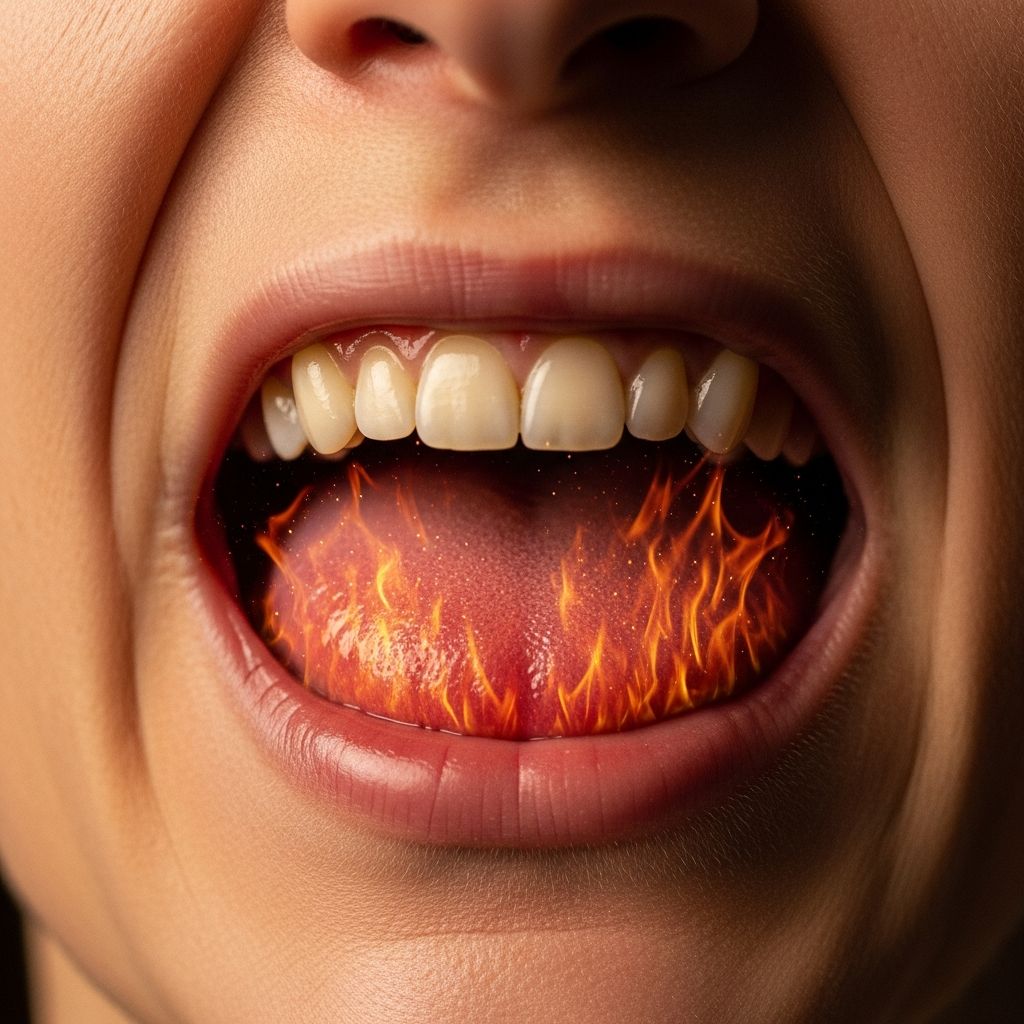
Burning mouth syndrome (BMS) is a distressing condition characterized by a persistent burning, scalding, or tingling sensation in the mouth, typically affecting the tongue, lips, palate, gums, or entire oral cavity, without any visible abnormalities.
What is burning mouth syndrome?
Burning mouth syndrome, also known as glossodynia or stomatodynia, involves chronic oral pain that feels like a burn or scald from hot food or drink. The discomfort is often worse during the day and may ease at night. It predominantly affects postmenopausal women but can occur in anyone. Primary BMS stems from neuropathic mechanisms, while secondary BMS arises from identifiable underlying causes.
Who gets burning mouth syndrome?
BMS most commonly affects women over 50 years old, particularly postmenopausal individuals, with a female-to-male ratio of up to 16:1. Risk factors include hormonal changes, such as those during menopause, and associations with conditions like Sjögren’s syndrome or diabetes. Prevalence estimates range from 1-3% in the general population, higher in dental and menopause clinics.
What causes burning mouth syndrome?
The exact cause of primary BMS remains idiopathic but involves peripheral and central neuropathic changes, including nerve growth factor overexpression, transient receptor potential vanilloid 1 upregulation, and dopaminergic hypofunction in the basal ganglia. Secondary BMS results from:
- Dry mouth (xerostomia): Reduced saliva from medications, Sjögren’s syndrome, or radiation.
- Nutritional deficiencies: Low levels of iron, vitamin B12, folate, or zinc.
- Allergies or reactions: To dental materials, foods, flavorings, or oral care products.
- Oral habits: Tongue thrusting, bruxism, or denture irritation.
- Endocrine disorders: Diabetes, hypothyroidism, or hormonal fluctuations.
- Medications: ACE inhibitors, antihypertensives, or others causing dry mouth or dysgeusia.
- Infections: Oral candidiasis.
- Gastroesophageal reflux disease (GERD): Acid irritation.
- Psychological factors: Anxiety, depression, or stress.
What are the symptoms of burning mouth syndrome?
Symptoms are primarily sensory without visible mucosal changes. Key features include:
- A burning, scalding, or tingling sensation, often starting at the tongue tip and spreading.
- Increased thirst and dry mouth feeling despite normal saliva.
- Altered taste (dysgeusia): metallic, bitter, or loss of taste.
- Numbness or paresthesia in affected areas.
- Symptoms worsening throughout the day, peaking in the evening.
Symptom patterns help classify BMS: Type 1 (intermittent, often sleep-related), Type 2 (constant), Type 3 (episodic).
How is burning mouth syndrome diagnosed?
Diagnosis is clinical by exclusion after ruling out local and systemic causes. Steps include:
- Detailed history: Onset, symptom pattern, exacerbating factors, medications, habits.
- Oral examination: Rule out lesions, candidiasis, or denture issues.
- Blood tests: CBC, glucose, thyroid function, B12, folate, iron, ferritin, zinc.
- Salivary assessment: Flow rate and pH.
- Allergy patch testing if suspected.
- Biopsy or swabs for infections.
- Referral for GERD or psychiatric evaluation as needed.
Primary BMS is diagnosed when no underlying cause is found.
What is the treatment for burning mouth syndrome?
No cure exists for primary BMS; management targets symptoms and underlying causes for secondary cases. Multidisciplinary approaches yield best results.
Non-pharmacological treatments
- Lifestyle modifications: Avoid irritants like spicy/acidic foods, alcohol, tobacco, cinnamon/mint products; stay hydrated; use mild toothpastes.
- Cognitive behavioral therapy (CBT): Reduces pain catastrophizing and improves quality of life.
- Patient education: Reassurance and avoidance instructions alleviate symptoms in up to 34%.
- Low-level laser therapy (LLLT): Anti-inflammatory effects provide short- and long-term relief.
- Repetitive transcranial magnetic stimulation (rTMS): Targets central neuropathic pain.
- Tongue protectors: Mechanical relief for tongue pain.
Related Stories



Pharmacological treatments
Treatments address neuropathic pain, dry mouth, or deficiencies.
| Category | Examples | Mechanism/Use |
|---|---|---|
| Saliva substitutes | Artificial saliva products | Relieve xerostomia |
| Topical anesthetics | Lidocaine rinses, clonazepam lozenges | Numbness and GABA modulation |
| Neuropathic agents | Capsaicin, alpha-lipoic acid | Desensitize nerves, antioxidant |
| Systemic meds | Clonazepam, antidepressants (e.g., amitriptyline), anticonvulsants | Pain control, short/long-term efficacy |
| Supplements | Vitamin B, iron, zinc | Correct deficiencies |
Clonazepam shows strongest evidence from meta-analyses.
Secondary BMS management
Target underlying issues:
- Treat infections, allergies, or reflux.
- Adjust ill-fitting dentures or medications.
- Manage diabetes, thyroid, or nutritional deficits.
Prevention and self-care
- Maintain oral hygiene with gentle products.
- Manage stress via relaxation techniques.
- Monitor for nutritional status, especially in at-risk groups.
- Regular dental check-ups.
Outlook and complications
Primary BMS is chronic but may improve spontaneously. Effective management reduces symptoms in most; untreated cases impact quality of life via pain, sleep disruption, and mood disorders.
Frequently Asked Questions
Q: Is burning mouth syndrome cancer?
A: No, BMS shows no visible changes or malignancy risk; it’s neuropathic.
Q: Does BMS go away?
A: Primary BMS may persist chronically but often improves with treatment; secondary resolves with cause correction.
Q: Can stress cause BMS?
A: Stress exacerbates or contributes via central mechanisms.
Q: What foods to avoid with BMS?
A: Spicy, acidic, hot foods, alcohol, cinnamon, mint.
Q: Is there a cure for BMS?
A: No cure for primary, but symptoms manageable.
References
- Burning mouth syndrome – Diagnosis and treatment — Mayo Clinic. 2023-10-15. https://www.mayoclinic.org/diseases-conditions/burning-mouth-syndrome/diagnosis-treatment/drc-20350917
- Burning mouth syndrome – Symptoms and causes — Mayo Clinic. 2023-10-15. https://www.mayoclinic.org/diseases-conditions/burning-mouth-syndrome/symptoms-causes/syc-20350911
- Treatment for Burning Mouth Syndrome: A Clinical Review — Journal of Oral Medicine and Pain. 2023-03-31. https://www.journalomp.org/journal/view.html?doi=10.14476/jomp.2023.48.1.11
- Burning Mouth Syndrome — NIDCR (National Institute of Dental and Craniofacial Research). 2024-01-10. https://www.nidcr.nih.gov/health-info/burning-mouth
- Burning Mouth Syndrome — Cleveland Clinic. 2023-08-22. https://my.clevelandclinic.org/health/diseases/14463-burning-mouth-syndrome
Similar Articles








Read full bio of medha deb