Is That Burning Sensation a Urinary Tract Infection?
Learn to identify UTI symptoms, understand causes, and discover effective treatment options for burning urination.
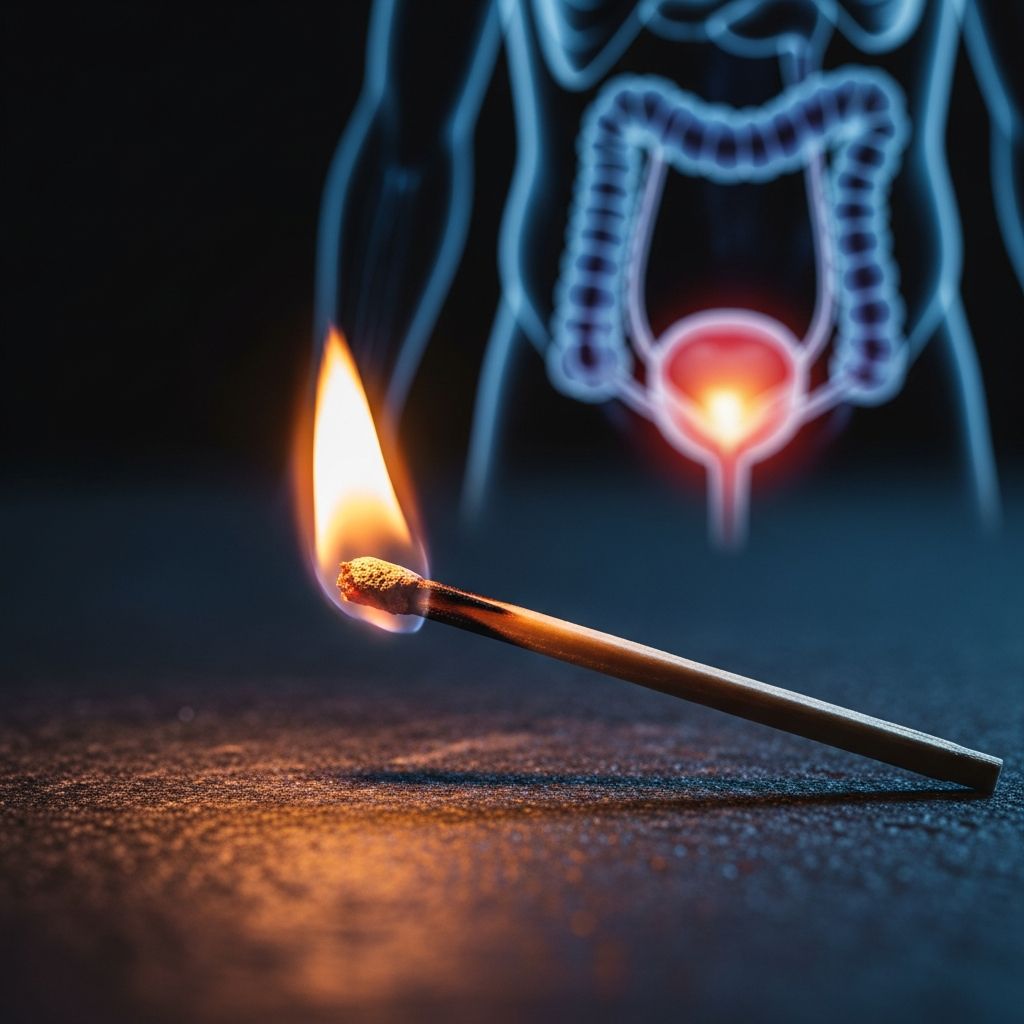
A burning sensation when urinating is one of the most common symptoms that prompts people to seek medical attention for a potential urinary tract infection, commonly known as a UTI. This uncomfortable symptom can significantly impact your daily quality of life and warrants proper evaluation and understanding. While a burning sensation during urination is frequently associated with UTIs, it’s important to recognize that this symptom can occasionally indicate other health conditions as well. Understanding whether your burning sensation represents a urinary tract infection requires knowledge of the condition’s symptoms, causes, and diagnostic procedures.
Understanding Urinary Tract Infections
A urinary tract infection occurs when bacteria, most commonly Escherichia coli (E. coli), enter and multiply within the urinary tract system. The urinary tract comprises several components including the kidneys, ureters, bladder, and urethra. Any of these structures can become infected, though infections most frequently affect the bladder and urethra. UTIs are among the most common bacterial infections, affecting millions of people annually, with women experiencing them more frequently than men due to anatomical differences.
Common Symptoms of Urinary Tract Infections
While burning during urination is a hallmark symptom, UTIs present with a range of indicators that vary depending on which part of the urinary tract is affected. Recognizing these symptoms early enables prompt medical evaluation and treatment.
Lower Tract UTI Symptoms
Infections affecting the bladder and urethra typically produce the following symptoms:
- A burning feeling when urinating
- A strong urge to urinate that doesn’t go away
- Frequent urination with passage of small amounts of urine
- Urine that appears red, bright pink, or cola-colored, indicating blood in the urine
- Pelvic pain, particularly in the center of the pelvis and around the pubic bone area
- Cloudy, dark, or strange-smelling urine
Upper Tract UTI Symptoms
When infection spreads to the kidneys, symptoms become more severe and require immediate medical attention:
- Back or side pain
- High fever
- Shaking and chills
- Nausea and vomiting
- General feeling of malaise
Special Considerations in Older Adults
Older adults may experience different or atypical symptoms. They might not exhibit the typical burning sensation or frequency symptoms. Instead, they may present with mental confusion, fatigue, or weakness. This variation in symptom presentation can sometimes lead to misdiagnosis or delayed treatment in elderly populations.
Understanding the Causes of UTIs
Multiple factors can contribute to the development of urinary tract infections. Understanding these risk factors helps in both prevention and management of the condition.
Bacterial Sources
E. coli bacteria naturally inhabit the gastrointestinal tract and can spread to the urinary system. The anatomical proximity of the urethra to the anus makes women particularly susceptible to UTIs, as bacteria can easily migrate from the rectal area to the urinary tract. Men are less frequently affected due to the greater distance between these anatomical structures.
Risk Factors for UTI Development
Several factors increase the likelihood of developing a urinary tract infection:
- Low fluid intake, which reduces the bladder’s ability to flush out bacteria
- Incomplete bladder emptying, allowing bacteria to persist and proliferate
- Constipation, which can facilitate bacterial migration
- Sexual activity, which can introduce bacteria into the urinary tract
- Pregnancy, due to hormonal changes and anatomical shifts
- Use of spermicides and diaphragms for contraception
- Blockages in the urinary tract such as kidney stones or enlarged prostate
- Catheter use for those unable to urinate independently
- Recent urinary procedures or medical interventions
- Suppressed immune system from conditions like diabetes or immunosuppressant medications
- History of previous UTIs
Related Stories



Diagnosing a Urinary Tract Infection
Accurate diagnosis is essential before beginning treatment, as symptoms alone cannot definitively confirm a UTI. Healthcare providers use several diagnostic methods to identify urinary tract infections and determine the appropriate treatment approach.
Urine Tests
The primary diagnostic tool for UTI detection involves urinalysis, where a sample of urine is examined under a microscope for the presence of white blood cells, bacteria, or red blood cells. A urine culture test may also be performed to identify the specific bacterial strain causing the infection and determine which antibiotics will be most effective against that particular bacteria.
Clinical Evaluation
Your healthcare provider will conduct a thorough history and physical examination, discussing your symptoms and medical background. They may ask about the onset of symptoms, severity, presence of fever, and any recent urinary procedures or sexual activity that might have precipitated the infection.
Treatment Options for Urinary Tract Infections
Treatment approach depends on several factors including the location of infection, severity of symptoms, and type of microorganism causing the infection. Most UTIs respond well to treatment when managed appropriately.
Antibiotic Therapy
Antibiotics remain the primary treatment for bacterial UTIs. The specific antibiotic prescribed depends on the type of bacteria identified through urine culture and the location of the infection:
| Type of UTI | Treatment Approach | Duration |
|---|---|---|
| Lower Tract Infection | Oral antibiotics such as trimethoprim-sulfamethoxazole (Bactrim) or nitrofurantoin | Typically 3-5 days |
| Upper Tract Infection | Intravenous antibiotics administered in hospital setting | 5-10 days total, with transition to oral antibiotics |
| Resistant/Chronic UTI | Antibiotics selected based on culture results | Usually no longer than 1 week |
It is crucial to complete the entire prescribed course of antibiotics, even if symptoms resolve before finishing the medication. Stopping antibiotics prematurely can lead to incomplete eradication of bacteria and potential recurrence or development of antibiotic-resistant strains.
Symptomatic Relief
While antibiotics address the infection, several options can provide relief from uncomfortable symptoms:
- Over-the-counter pain relievers such as acetaminophen (Tylenol) or ibuprofen (Aleve, Motrin) for fever and general pain management
- Urinary analgesic medications like phenazopyridine (Azo) or Uristat to reduce burning sensations during urination, though these should be used for no more than two days
- Increased fluid intake to help flush bacteria through the urinary system
- Warm compresses applied to the lower abdomen or back for pain relief
Special Treatment Situations
Certain scenarios require modified treatment approaches. Pregnant individuals with UTI symptoms must receive appropriate antibiotic treatment to prevent complications affecting the pregnancy. Those with high fever, severe pain, inability to maintain oral intake, or immunocompromised status may require hospitalization for intravenous antibiotics and supportive care.
Chronic UTI Management
For individuals experiencing recurrent urinary tract infections, healthcare providers may recommend preventive strategies including low-dose long-term antibiotic therapy, single-dose antibiotics after sexual intercourse, or short-course antibiotics at symptom onset. Non-antibiotic prophylaxis options may include cranberry products, D-mannose supplements, or methenamine with vitamin C.
When to Seek Medical Attention
Certain symptoms warrant prompt medical evaluation to rule out serious complications or alternative diagnoses. Seek immediate care if you experience:
- Fever above 101°F (38.3°C)
- Severe back or side pain
- Nausea and vomiting
- Blood in urine
- Symptoms persisting after antibiotic treatment
- Symptoms recurring frequently
Prevention Strategies for Urinary Tract Infections
While not all UTIs are preventable, several evidence-based strategies reduce infection risk:
- Maintain adequate fluid intake to promote regular bladder flushing
- Urinate after sexual intercourse to clear potentially introduced bacteria
- Practice proper hygiene by wiping from front to back after bowel movements
- Avoid irritants such as douches, scented sprays, and spermicides
- Wear breathable cotton underwear rather than tight synthetic fabrics
- Treat constipation promptly to reduce bacterial migration risk
- Consider prophylactic measures if you experience recurrent infections
Potential Complications
While most uncomplicated UTIs resolve completely with appropriate treatment, serious complications can develop if infections go untreated or spread to the upper urinary tract. Pyelonephritis, or kidney infection, represents a more serious condition requiring aggressive treatment. In rare cases, untreated UTIs can progress to sepsis, a life-threatening condition requiring emergency hospitalization. Additionally, repeated infections may cause scarring of the urethra, particularly in men, potentially leading to urinary obstruction.
Important Considerations About Antibiotic Side Effects
While antibiotics effectively treat UTIs, they can produce side effects ranging from mild to serious. Common side effects include rash, dizziness, nausea, diarrhea, and yeast infections. More serious though rare side effects include antimicrobial-resistant infections or Clostridioides difficile infection, which causes severe diarrhea that can damage the colon. Always report any side effects to your healthcare provider promptly.
Frequently Asked Questions
Q: Can a UTI go away on its own without antibiotics?
A: While some mild lower tract UTIs may resolve spontaneously, most infections require antibiotic treatment to prevent complications. Healthcare providers often recommend a 48-hour waiting period to observe symptom progression before prescribing antibiotics, but prompt treatment is generally advisable to prevent ascending infection.
Q: Is there a difference between UTI symptoms in men and women?
A: While the core symptoms—burning during urination, frequency, and urgency—are similar, men may experience pain in the penis or rectum. Women experience pelvic pain more commonly. Men also have lower overall UTI incidence due to anatomical differences in urinary tract length.
Q: What should I do if my UTI symptoms don’t improve after antibiotics?
A: Contact your healthcare provider immediately. This may indicate antibiotic resistance, incorrect diagnosis, or an alternative condition. Your provider may order additional testing and prescribe a different antibiotic based on culture results.
Q: Are over-the-counter UTI treatments effective?
A: Over-the-counter pain relief medications and urinary analgesics can alleviate symptoms but do not treat the underlying bacterial infection. Antibiotics prescribed by a healthcare provider are necessary to eliminate the infection completely.
Q: Can I prevent UTIs through dietary changes?
A: While increased fluid intake, particularly water, helps prevent UTIs by promoting bladder flushing, the evidence for specific foods or supplements like cranberry juice remains mixed. Focus on hydration and preventive hygiene practices as primary prevention strategies.
References
- Urinary Tract Infection (UTI): Symptoms, Causes, and Treatments — Healthline. 2024. https://www.healthline.com/health/urinary-tract-infection-adults
- Urinary tract infection (UTI) – Symptoms and causes — Mayo Clinic. 2024. https://www.mayoclinic.org/diseases-conditions/urinary-tract-infection/symptoms-causes/syc-20353447
- Urinary Tract Infection (UTI): Symptoms, Causes, Treatment — WebMD. 2024. https://www.webmd.com/women/your-guide-urinary-tract-infections
- Urinary Tract Infection Basics — Centers for Disease Control and Prevention (CDC). 2024. https://www.cdc.gov/uti/about/index.html
- Urinary tract infections (UTIs) — National Health Service (NHS). 2024. https://www.nhs.uk/conditions/urinary-tract-infections-utis/
- Urinary tract infections (UTI) — Better Health Channel, State Government of Victoria. 2024. https://www.betterhealth.vic.gov.au/health/conditionsandtreatments/urinary-tract-infections-uti
Similar Articles








Read full bio of medha deb