Buserelin For Women: Uses, Dosage, Side Effects Guide
Comprehensive guide to Buserelin (Suprecur) for endometriosis, IVF, and hormone management in women.
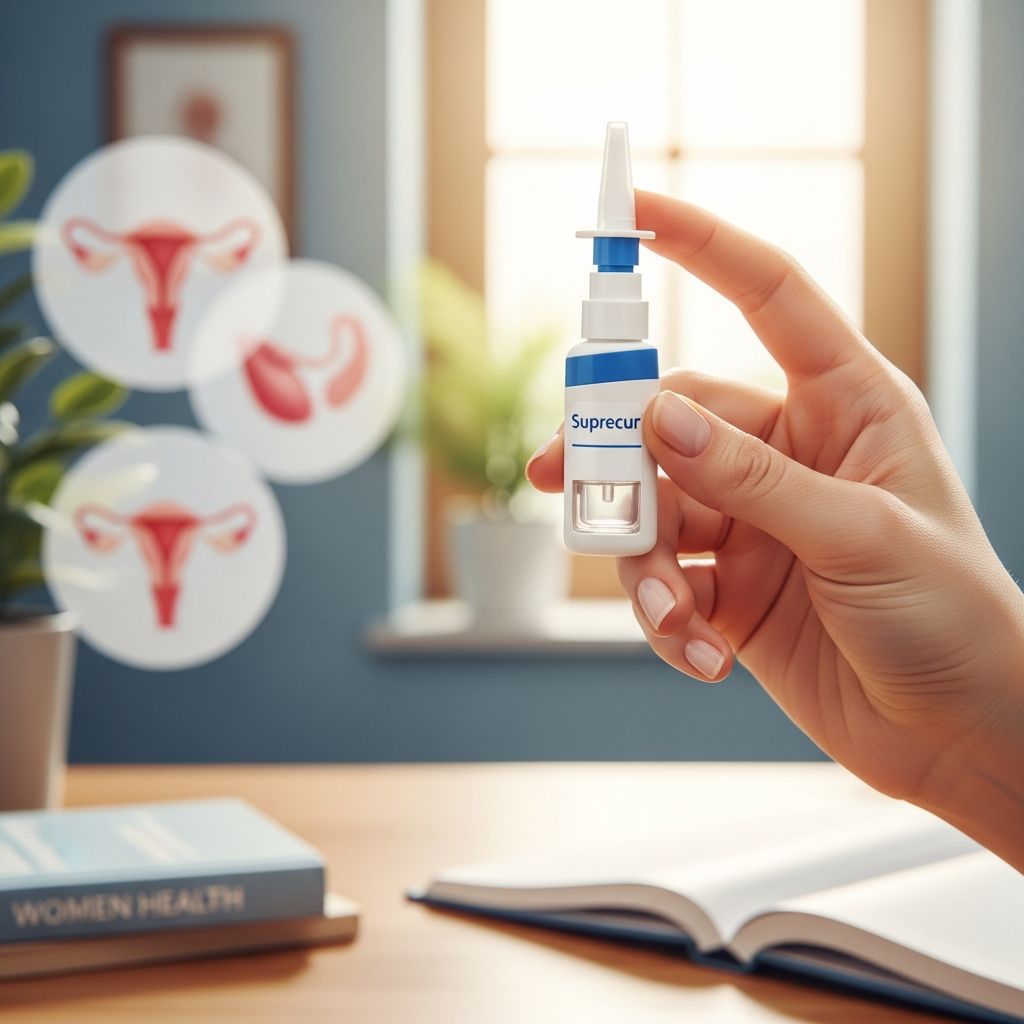
Buserelin, marketed as Suprecur for women, is a synthetic gonadotropin-releasing hormone (GnRH) agonist used primarily to treat endometriosis and as part of assisted reproduction protocols like IVF. It works by initially stimulating and then suppressing the production of sex hormones, leading to reduced estrogen levels.
About Buserelin Tablets for Women
Buserelin, available as Suprecur injection for women, belongs to a class of medications known as GnRH analogues. This synthetic hormone mimics the natural gonadotropin-releasing hormone produced by the body, initially causing a surge in luteinizing hormone (LH) and follicle-stimulating hormone (FSH), but with continued use, it desensitizes the pituitary gland, suppressing ovarian hormone production. This mechanism is crucial for managing conditions like endometriosis and preparing the body for fertility treatments.
In women, Suprecur is specifically formulated for subcutaneous injection and is not intended for nasal use, which is more common in male prostate cancer treatment. The medication comes in multi-dose vials containing buserelin acetate solution, typically 5.5 mL, and must be stored below 25°C away from light.
Key Facts of Buserelin Tablets for Women
- Generic name: Buserelin acetate
- Type of medicine: Gonadotropin-releasing hormone (GnRH) agonist
- Used for: Endometriosis treatment; pituitary suppression in IVF and assisted reproduction
- Available as: Injection (vials for subcutaneous use)
About Endometriosis
Endometriosis is a condition where tissue similar to the lining inside the uterus grows outside it, often on the ovaries, fallopian tubes, or pelvic lining. This abnormal growth causes inflammation, pain, heavy periods, and can lead to infertility. Symptoms include severe menstrual cramps, chronic pelvic pain, pain during intercourse, and digestive issues. Buserelin helps by suppressing estrogen production, which fuels endometriotic tissue growth, effectively shrinking lesions and alleviating symptoms.
Diagnosis typically involves laparoscopy, and while there’s no cure, treatments like GnRH agonists provide symptom relief and improve fertility chances in some cases. Treatment duration with buserelin is usually 4-6 months to minimize bone density loss from hypoestrogenic state.
How Buserelin Works in IVF and Endometriosis
In IVF protocols, buserelin (Suprecur) is used for down-regulation or pituitary suppression. Starting on day 1 or 2 of the menstrual cycle, it prevents premature LH surges that could trigger ovulation too early, allowing controlled ovarian stimulation with gonadotropins. This synchronizes follicle development and improves egg quality and yield.
For endometriosis, chronic administration downregulates GnRH receptors, reducing FSH and LH, which lowers estradiol by 95% to postmenopausal levels (<50 pg/mL) and progesterone to <1 ng/mL. This creates a medical menopause-like state, halting endometrial tissue proliferation.
The initial “flare-up” effect increases hormone levels temporarily (first 1-2 weeks), potentially worsening symptoms before improvement. Full suppression occurs after 2-4 weeks.
Related Stories



Dosage in Adults for Buserelin for Women
For endometriosis: Typically 200-500 mcg (0.2-0.5 mL) subcutaneously daily, starting on day 1-2 of menstruation. Treatment lasts 4-6 months, with dose adjustments based on response.
For IVF down-regulation: 500 mcg (0.5 mL) daily via subcutaneous abdominal injection, often from day 1 of cycle until down-regulation confirmed (estradiol <50 pg/mL, no ovarian cysts >10mm on ultrasound), usually 10-14 days. Continue until hCG trigger.
| Indication | Starting Dose | Frequency | Duration |
|---|---|---|---|
| Endometriosis | 200-500 mcg SC | Once daily | 4-6 months |
| IVF Pituitary Suppression | 500 mcg SC | Once daily | Until down-regulation (1-2 weeks+) |
Injections are self-administered into the lower abdomen, rotating sites. Use a fine needle, clean skin with alcohol, pinch skin, insert at 45-90 degrees. Dispose of sharps safely.
Cautions before Starting Buserelin for Women
- Do not use if pregnant, breastfeeding, or planning pregnancy during treatment—use barrier contraception.
- Avoid in cases of hypersensitivity to GnRH agonists or undiagnosed vaginal bleeding.
- May exacerbate symptoms initially due to hormone flare; inform doctor if bone pain or urinary issues worsen (though more common in men).
- Monitor bone density; long-term use risks osteoporosis—supplement calcium/vitamin D.
- Interacts with drugs affecting heart rhythm; disclose all medications.
Common Side Effects of Buserelin for Women
Side effects stem from sex hormone suppression, mimicking menopause:
- Very common (>10%): Hot flushes, headaches, mood changes, vaginal dryness, loss of libido, injection site reactions (redness, itching).
- Common: Sweating, depression, emotional lability, fatigue, back pain, nausea, flatulence.
- Rare: Osteoporosis (with prolonged use), anaphylaxis, vision changes.
Most resolve post-treatment. Report severe symptoms like chest pain or severe depression immediately.
Less Common Side Effects of Buserelin for Women
Less frequent issues include weight gain, insomnia, dizziness, breast tenderness, and menstrual irregularities during flare-up. In fertility treatments, ovarian hyperstimulation syndrome (OHSS) risk if not monitored. Long-term: potential fertility delay post-treatment, though usually reversible.
Serious Side Effects of Buserelin for Women
Seek urgent care for: severe allergic reactions (rash, swelling, breathing difficulty), intense abdominal pain (possible OHSS in IVF), signs of pituitary apoplexy (sudden headache, vision loss), or bone fractures. Transient tumor flare in undiagnosed cancers.
Buserelin and Lifestyle for Women
No specific lifestyle restrictions, but maintain calcium-rich diet and weight-bearing exercise to counter bone loss. Avoid alcohol excess, as it may worsen hot flushes. Regular follow-ups essential for blood tests (estradiol, LH) and ultrasounds.
Special Precautions for Buserelin for Women
- Pregnancy/Breastfeeding: Category X—teratogenic risk; confirm non-pregnant before starting.
- Bone Health: DEXA scan baseline if >6 months use; add bisphosphonates if needed.
- Mental Health: Monitor for depression; discontinue if severe.
- Fertility: Temporary amenorrhea; ovulation resumes 2-3 months post-stop.
Using Buserelin Injections for Women
Suprecur is a clear solution in 5.5 mL vials. Draw dose with insulin syringe, inject subcutaneously into abdomen (avoid navel). Wash hands, swab vial septum and skin. Do not shake vial. Discard after 4 weeks or if discolored.
Video guides from clinics demonstrate technique: pinch skin, quick dart insertion, slow injection.
If You Forget a Dose of Buserelin for Women
Take as soon as remembered unless near next dose—do not double. Consistent daily timing crucial for suppression. Notify clinic if >24 hours late, as it may affect cycle.
Stopping Buserelin for Women
Do not stop abruptly without doctor advice; taper if long-term. Post-treatment, menses return in 4-12 weeks. Follow-up pregnancy test in IVF cycles.
Non-Medical Advice for Buserelin for Women
This guide provides general information. Always follow your doctor’s prescription and clinic protocol. For IVF, adhere to Salve schedule. Consult for personalized advice.
Further Reading and References
Related topics: Endometriosis management, IVF protocols, GnRH agonists in fertility.
Frequently Asked Questions (FAQs)
Q: How do I inject Suprecur?
A: Inject 0.5 mL subcutaneously into lower abdomen daily. Clean site, pinch skin, insert needle at 45 degrees, inject slowly. Rotate sites.
Q: Does Buserelin affect pregnancy chances?
A: Used to improve IVF success by preventing early ovulation. Temporary suppression; fertility returns post-treatment.
Q: Can I drink alcohol on Buserelin?
A: Moderate use ok, but may intensify hot flushes. Limit to support treatment efficacy.
Q: How long until side effects stop?
A: Most improve after 2-4 weeks as body adjusts; fully resolve 1-3 months post-treatment.
Q: Is Buserelin safe for bones?
A: Short-term yes; monitor density for longer use. Calcium, vitamin D, exercise recommended.
References
- Buserelin – Wikipedia — Wikipedia. 2023. https://en.wikipedia.org/wiki/Buserelin
- Buserelin: Uses, Interactions, Mechanism of Action | DrugBank — DrugBank. 2024-01-10. https://go.drugbank.com/drugs/DB06719
- Medicines to Help Manage Your Cycle – Care Fertility — Care Fertility. 2023. https://carefertility.com/support/medications/managing-your-cycle
- How do I use Buserelin? – Bourn Hall Fertility Clinic — Bourn Hall Clinic. 2023. https://www.bournhall.co.uk/faqs_section/how-do-i-use-buserelin/
- Buserelin: Uses, Dosage, Side Effects and More | MIMS Philippines — MIMS. 2024. https://www.mims.com/philippines/drug/info/buserelin
- [Treatment of endometriosis with the GnRH agonist buserelin (Suprecur): a multicenter study] — PubMed. 1994. https://pubmed.ncbi.nlm.nih.gov/8001754/
- Suprecur® Injection Patient Information Leaflet — medicines.org.uk. 2023-10. https://www.medicines.org.uk/emc/files/pil.11243.pdf
Similar Articles








Read full bio of Sneha Tete