Butter vs. Margarine: Which Is Healthier?
Discover the nutritional differences between butter and margarine to make informed choices for heart health.
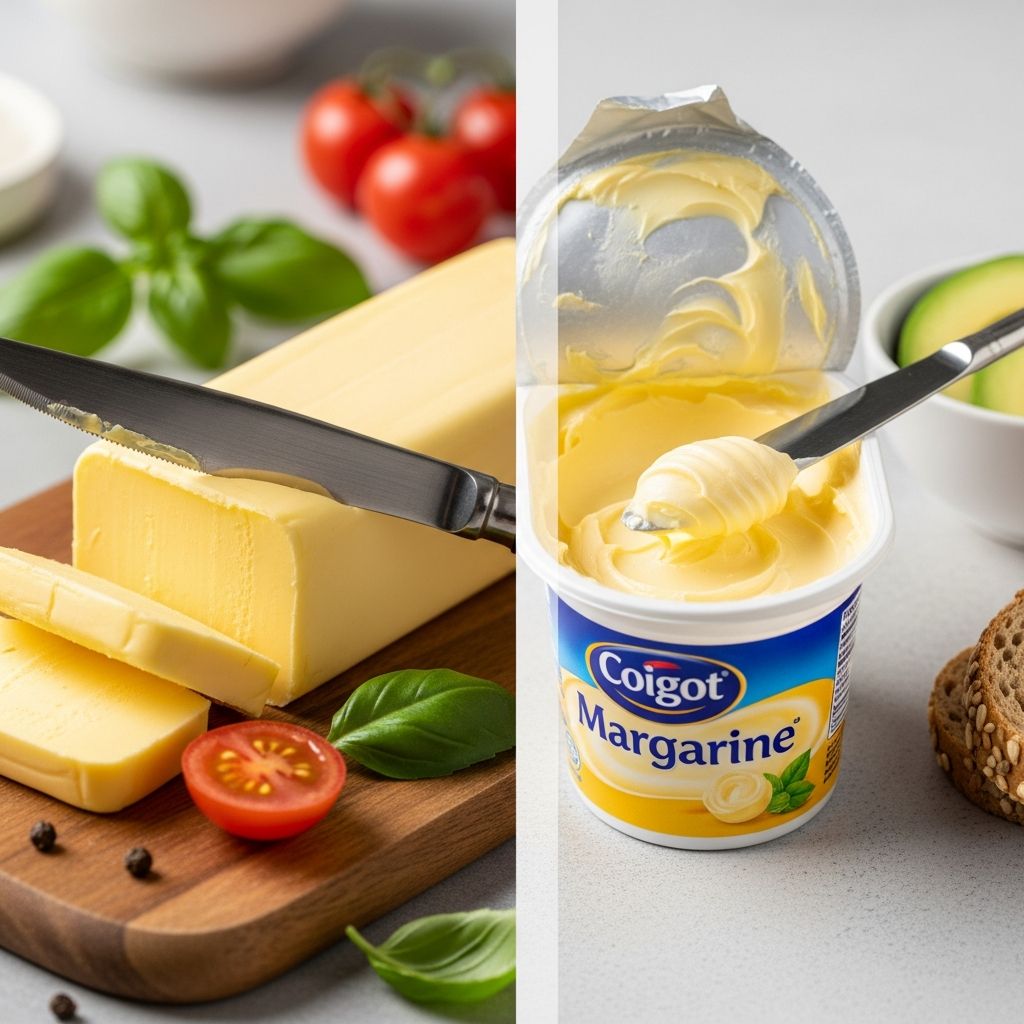
The debate between butter and margarine has been a staple of nutrition conversations for decades. Both spreads have earned their place in kitchen pantries, yet their nutritional profiles differ significantly. Understanding these differences is essential for making informed dietary choices, particularly if you’re concerned about heart health and overall wellness. Recent research has fundamentally changed our understanding of which spread is the better choice.
What Are Butter and Margarine?
Butter is a traditional dairy product made by churning cream until the fat solids separate from the liquid buttermilk. The result is a concentrated source of milk fat, composed of approximately 52% saturated fat, with the remainder being mainly water and unsaturated fat.
Margarine, by contrast, is a manufactured product designed to imitate butter. It is typically produced from vegetable oils that are processed to achieve a spreadable consistency similar to butter. Modern margarine may also contain food additives including emulsifiers and dyes to enhance its appearance and texture.
The Nutritional Profile of Butter
Butter contains several compounds that have generated both praise and concern among nutritionists:
- Saturated Fat: Butter is high in saturated fat, with one teaspoon containing approximately 5 grams of saturated fat. This represents a significant portion of the daily recommended intake of 20 grams for women and 30 grams for men.
- Vitamin K2: This lesser-known vitamin may help prevent serious diseases, including cancer, osteoporosis, and heart disease.
- Conjugated Linoleic Acid (CLA): Studies suggest that CLA, a fatty acid found in butter, can protect against cancer, obesity, and high blood pressure.
- Butyric Acid: A short-chain fatty acid in butter that can fight inflammation, improve digestive health, and may help prevent weight gain.
- Cholesterol: Butter contains dietary cholesterol, which some experts believe contributes to elevated blood cholesterol levels.
The Nutritional Profile of Margarine
Modern margarine has undergone significant reformulation, particularly following regulatory changes. Current margarine products typically offer several nutritional advantages:
- Lower Saturated Fat: Margarine and butter-blend products contain substantially less saturated fat and cholesterol compared to butter.
- Higher Unsaturated Fats: Soft margarine contains approximately 33% polyunsaturated fats (PUFAs), which doctors typically consider beneficial for health.
- No Trans Fats: Following the 2018 FDA ban on partially hydrogenated oils, margarine sold in the United States no longer contains trans fats.
- Plant Sterols and Stanols: Some margarines are enriched with phytosterols or stanols, compounds linked to lower “bad” LDL cholesterol and modest risk reduction for cardiovascular disease.
- Fewer Calories: Margarine contains fewer calories than butter, which may be important for people who need to manage calorie intake.
The Trans Fat Revolution: A Turning Point
The story of margarine’s health reputation is inextricably linked to trans fats. In the 1980s and 1990s, margarine was promoted as a healthier alternative to butter. However, the manufacturing process used to create margarine’s spreadable consistency from liquid vegetable oils involved partial hydrogenation, which inadvertently produced artificial trans fats.
These trans fats proved to be even more damaging to cardiovascular health than the saturated fats found in butter. Trans fats not only raised levels of “bad” cholesterol but also lowered “good” cholesterol, creating a particularly harmful effect on heart health. This discovery created a public health crisis and fundamentally damaged margarine’s reputation.
Related Stories



The landscape changed dramatically in 2018 when the Food and Drug Administration (FDA) banned partially hydrogenated oils from food products. A more recent manufacturing process called interesterification now achieves similar spreadable results without forming any trans fats. This regulatory action transformed margarine from a potential health hazard into a more nutritionally balanced option.
Margarine’s Current Health Advantage
A comprehensive 2020 study from the University of Minnesota School of Public Health examined 83 margarine and butter-blend products available in the U.S. marketplace and compared them to butter. This was the first study to comprehensively evaluate margarine versus butter since the FDA trans fat ban took effect. The findings were conclusive:
- Margarine and butter-blend products contain substantially less saturated fat and cholesterol compared to butter.
- Modern margarine contains no man-made trans fat.
- Softer tub and squeeze-tube margarine products contain less saturated fat than stick margarines, making them the superior nutritional choice among margarine products.
According to the study’s lead author, “Now that trans fats have been removed from margarines, they’re the best choice in terms of heart health.” This represents a significant shift in nutritional science, reversing decades of advice that had vilified margarine.
Saturated Fat and Heart Health
The primary health concern with butter centers on its saturated fat content. Consuming excessive saturated fat can raise “bad” (non-HDL) cholesterol levels, which increases the risk of heart attack or stroke. Current dietary guidance recommends replacing saturated fats with unsaturated fats to help lower cholesterol levels and reduce cardiovascular disease risk.
Margarine’s significantly lower saturated fat content makes it a more favorable choice for individuals concerned about heart health. By making the simple switch from butter to margarine spreads, consumers can reduce their daily saturated fat intake and better align with heart-protective dietary patterns.
However, it’s important to note that the health effects of saturated fat remain somewhat debated among experts. Some recent research has suggested that saturated fat’s role in heart disease may have been overstated, though current mainstream health organizations continue to recommend limiting saturated fat intake.
Choosing the Right Margarine
Not all margarines are created equal. The consistency and formulation of margarine products can significantly impact their nutritional value:
Tub and Squeeze-Tube Margarines: These softer products contain the least amount of saturated fats because their spreadability comes from a higher proportion of liquid oils rather than hydrogenated or interesterified oils. These represent the most nutritionally advantageous margarine options.
Stick Margarines: These firmer products contain more saturated fat than their softer counterparts, though still significantly less than butter.
Oil-Based Selections: Margarines made with healthy oils, such as olive oil, provide additional cardiovascular benefits associated with those plant oils.
Considering Butter From Grass-Fed Cows
For consumers who prefer butter, there are some nuances worth considering. Butter made from grass-fed cow’s milk may offer a slightly different fatty acid profile compared to butter from conventionally raised dairy cows. While grass-fed butter still contains high levels of saturated fat, some advocates suggest it may be a marginally better choice. However, the difference is relatively modest, and butter remains high in saturated fat regardless of the source.
Other Butter Alternatives: Ghee
Ghee, a clarified butter used predominantly in Asian cooking, deserves mention in this comparison. Ghee is made by heating butter to remove the water and milk solids, resulting in a more concentrated fat product. This concentration means ghee is higher in both total fat and saturated fat than regular butter, making it less desirable from a heart health perspective compared to both butter and modern margarine.
The Broader Picture: Moderation Matters
Regardless of whether you choose butter or margarine, moderation remains essential. Both products are concentrated sources of fat and should be consumed in reasonable quantities as part of a balanced diet. The choice between them is just one small component of overall dietary patterns that significantly influence health outcomes.
Consuming excessive amounts of either spread, paired with poor overall eating habits, can negate any margarine advantage. Conversely, using either product sparingly as part of a diet rich in whole grains, vegetables, fruits, and lean proteins can be compatible with good health.
Key Differences: Butter vs. Margarine at a Glance
| Factor | Butter | Margarine (Modern) |
|---|---|---|
| Source | Dairy cream | Vegetable oils |
| Saturated Fat | ~52% (High) | Lower (varies by type) |
| Trans Fats | Trace amounts | None (U.S. market) |
| Cholesterol | High | Low to moderate |
| Unsaturated Fats | Lower | Higher |
| Processing Level | Minimally processed | Heavily processed |
| Heart Health Rating | Less favorable | More favorable |
Frequently Asked Questions
Q: Does butter have any health benefits?
A: Yes, butter contains beneficial compounds like vitamin K2, conjugated linoleic acid (CLA), and butyric acid, which may support various aspects of health. However, these benefits must be weighed against its high saturated fat content.
Q: Is margarine still dangerous because of trans fats?
A: No. Following the FDA’s 2018 ban on partially hydrogenated oils, margarine sold in the United States no longer contains trans fats. However, margarine purchased in other countries may still contain trans fats, so consumers should check labels when traveling internationally.
Q: Which type of margarine is healthiest?
A: Soft tub and squeeze-tube margarines contain less saturated fat than stick margarines, making them the superior choice among margarine products. Margarines made with healthy oils like olive oil offer additional benefits.
Q: Can I eat butter if I’m concerned about heart health?
A: While butter can be part of a healthy diet, people concerned about heart health should consume it in moderation or consider switching to margarine, which has a more favorable nutritional profile for cardiovascular health.
Q: Are there other spreads I should consider?
A: Yes, plant-based oils like olive oil are linked to lower risks of heart disease and may offer additional health benefits. Nut butters and seed butters also provide nutritional alternatives, though they should similarly be consumed in moderation.
Q: Does margarine have additives I should worry about?
A: Modern margarine may contain food additives including emulsifiers and dyes. While these are generally recognized as safe, consumers concerned about additives may prefer butter or plant-based oils as alternatives.
The Bottom Line
The question of whether butter or margarine is healthier now has a clearer answer than ever before. Since the FDA’s elimination of trans fats from margarine, modern margarine has emerged as the more heart-healthy choice for most people. Its lower saturated fat content, absence of trans fats, and potential enrichment with plant sterols make it nutritionally superior to butter from a cardiovascular perspective.
However, individual preferences, dietary needs, and overall eating patterns should also guide your choice. Soft tub and squeeze-tube margarines represent the optimal choice within the margarine category. If you prefer butter, consider using it sparingly and selecting products from grass-fed sources. Regardless of your choice, remember that moderation is key, and neither product should comprise a significant portion of a healthy diet.
The most important takeaway is that while margarine is now the better nutritional choice for heart health, the overall quality of your diet—including your consumption of whole foods, fruits, vegetables, and lean proteins—matters far more than the choice between these two spreads alone.
References
- Margarines now nutritionally better than butter after hydrogenated oil ban — University of Minnesota School of Public Health. 2020. https://www.sph.umn.edu/news/margarines-now-nutritionally-better-than-butter-after-hydrogenated-oil-ban/
- Butter vs. Margarine: Which Is Healthier? — Healthline. 2024. https://www.healthline.com/nutrition/butter-vs-margarine
- Heart Health Trends: Margarine Vs Butter, What’s Healthier? — University of Virginia Health. 2024. https://www.uvahealth.com/healthy-balance/heart-health-trends-margarine-vs-butter-whats-healthier/
- Margarine vs. butter: which is healthier? — British Heart Foundation. 2024. https://www.bhf.org.uk/informationsupport/heart-matters-magazine/nutrition/ask-the-expert/margarine-vs-butter
- Butter, margarine, and cooking oils — MedlinePlus, National Library of Medicine. 2024. https://medlineplus.gov/ency/patientinstructions/000095.htm
Similar Articles








Read full bio of medha deb