Butter vs. Margarine: Which Spread Is Better?
Discover the nutritional differences between butter and margarine to make informed dietary choices.
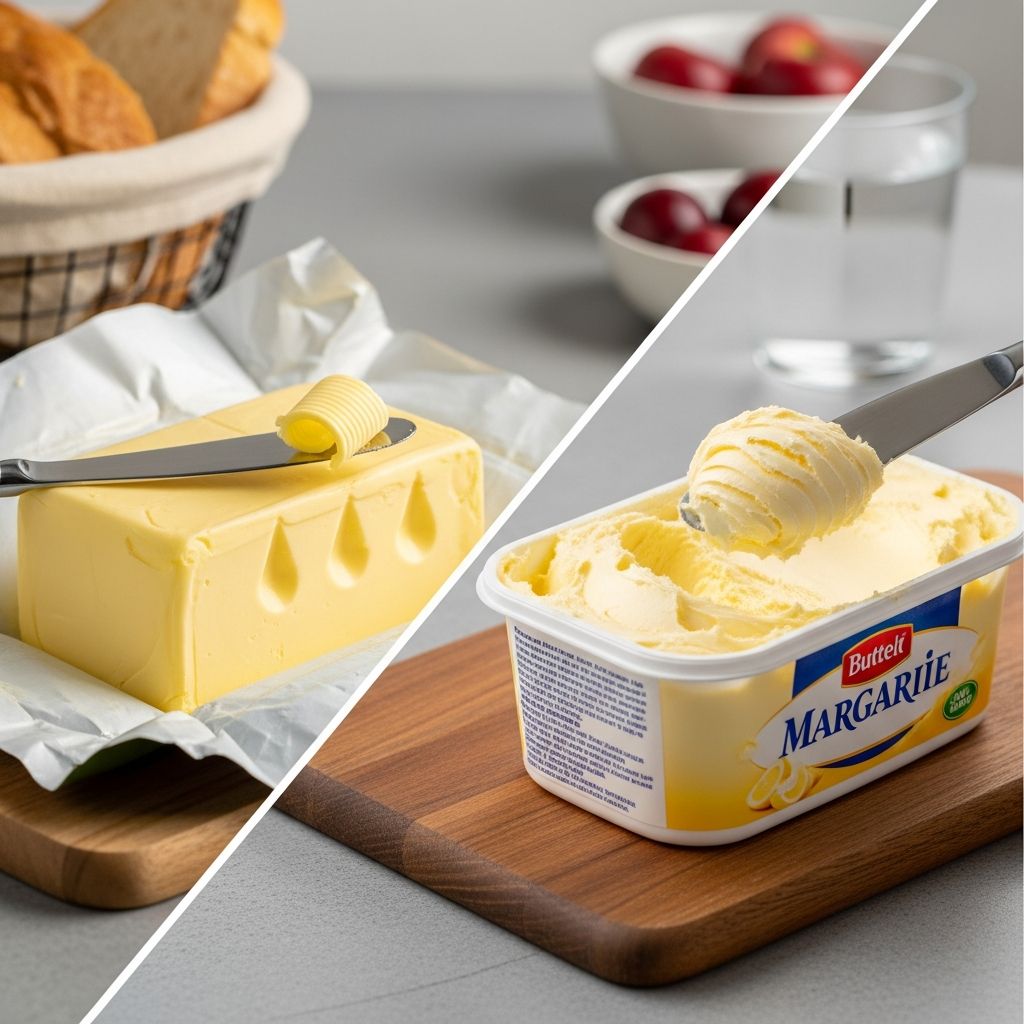
Butter vs. Margarine: Which Spread Is Better for Your Health?
The debate between butter and margarine has persisted for decades, with nutritionists, health experts, and consumers divided on which spread offers superior health benefits. Both products have experienced periods of popularity and disfavor as scientific understanding evolves. Understanding the composition, production methods, and health implications of each can help you make informed dietary decisions that align with your wellness goals.
Understanding Butter: Composition and Production
Butter is a traditional dairy product created by churning cream or milk to separate the butterfat from the liquid components. This simple process has remained relatively unchanged for centuries, resulting in a product composed primarily of saturated fat, water, and milk solids. A single tablespoon of butter contains approximately 7 grams of saturated fat, 5 grams of monounsaturated fat, and traces of polyunsaturated fat.
The nutritional profile of butter includes fat-soluble vitamins such as vitamin A, vitamin D, vitamin E, and vitamin K2, which play crucial roles in bone health, immune function, and vision. Additionally, butter contains cholesterol and butyric acid, a short-chain fatty acid that some research suggests may benefit digestive health. However, the high saturated fat content has made butter a subject of nutritional scrutiny, particularly concerning cardiovascular health.
Understanding Margarine: Composition and Production
Margarine was developed in the 19th century as an affordable alternative to butter, originally created to extend milk supplies during scarcity. Modern margarine is produced by hydrogenating vegetable oils, creating a solid or semi-solid product at room temperature. The manufacturing process involves blending refined vegetable oils with water, salt, emulsifiers, and various additives to achieve the desired texture and shelf stability.
Margarine formulations vary significantly depending on the brand and type. Soft margarines typically contain fewer trans fats than stick varieties, as they use partial hydrogenation to a lesser degree. The fat composition in margarine depends on the vegetable oils used—commonly soybean, canola, corn, or sunflower oil—which generally contain higher amounts of unsaturated fats compared to butter’s saturated fat profile. However, the hydrogenation process can convert some unsaturated fats into trans fats, which present additional health concerns.
Saturated vs. Unsaturated Fats: The Key Difference
The fundamental distinction between butter and margarine lies in their fatty acid composition. Butter is predominantly saturated fat, while traditional margarine contains higher proportions of unsaturated fats from vegetable oils. Saturated fats have been linked to elevated LDL cholesterol levels, though recent research suggests the relationship is more complex than previously believed. Unsaturated fats, both monounsaturated and polyunsaturated, are generally considered more heart-healthy as they can help improve cholesterol profiles and reduce inflammation.
A comprehensive Harvard study examining over 220,000 American adults across 33 years found that replacing just 10 grams of butter daily with plant-based oils reduced the risk of premature death from all causes by 17%. The research revealed that participants consuming the most butter faced a 15% higher mortality risk compared to those consuming the least, while those with higher plant-based oil intake enjoyed a 16% lower mortality risk. Each additional 10 grams of butter consumed daily was associated with a 12% increased risk of death from cancer.
Trans Fats and the Margarine Controversy
One of the most significant concerns with certain margarines is their trans fat content, which can result from partial hydrogenation. Trans fats increase LDL cholesterol while simultaneously lowering HDL cholesterol, creating an unfavorable lipid profile associated with heightened cardiovascular disease risk. The FDA has moved to restrict trans fats in processed foods, and many margarine manufacturers have reformulated their products to reduce or eliminate trans fats. When choosing margarine, consumers should examine nutrition labels carefully to select varieties with zero trans fats.
Related Stories



Modern soft margarines and spreads often use alternative production methods such as full hydrogenation followed by blending with liquid oil, or interesterification, which can largely avoid trans fat formation. These reformulated products may present a more favorable health profile than traditional stick margarine, though they still contain other additives and processing agents absent from butter.
Health Implications: What Research Reveals
Cardiovascular Health
Cardiovascular disease remains a leading cause of mortality, making fat consumption particularly relevant to heart health. Butter’s high saturated fat content can elevate LDL cholesterol, a known risk factor for atherosclerosis. Conversely, the unsaturated fats in margarine—particularly olive, soybean, and canola oil varieties—have been associated with improved cardiovascular outcomes. However, the Harvard study showed that while higher butter intake was associated with increased cancer mortality, it showed no significant connection to heart disease deaths, a finding that contradicts some traditional assumptions about butter and heart disease risk.
Replacing approximately 15 grams (3 small pats) of butter daily with equivalent amounts of plant-based oils could contribute to meaningful reductions in premature mortality risk. The protective effects appeared strongest with olive, soybean, and canola oils, while corn and safflower oils showed no significant mortality benefits.
Cancer Risk
The Harvard research identified a striking association between butter consumption and cancer mortality. Higher butter intake was linked to a 12% increase in cancer mortality, while increasing plant oil consumption by approximately two tablespoons daily corresponded to an 11% lower cancer death risk. These associations may relate to butter’s high saturated fat content, which can promote adipose tissue inflammation—a key pathway in cancer development. Additionally, saturated fats can alter hormonal activity, potentially influencing hormone-sensitive cancers such as breast and prostate cancer.
Usage Context Matters
An interesting finding emerged regarding how butter is consumed. Butter used in baking and frying showed no significant association with mortality risk, possibly because smaller quantities are typically used or consumption frequency is lower. The stronger health associations appeared with butter spread directly on foods or bread, suggesting that the quantity and application method influence health outcomes. This distinction highlights that complete elimination of butter may be unnecessary; rather, mindful consumption patterns and substitution of spreads can yield health benefits.
Nutritional Comparison Table
| Nutrient (per tablespoon) | Butter | Margarine (typical) |
|---|---|---|
| Calories | 102 | 100 |
| Saturated Fat (g) | 7.3 | 2 |
| Unsaturated Fat (g) | 5 | 8 |
| Trans Fat (g) | 0.5 | 0-2 (varies by brand) |
| Cholesterol (mg) | 31 | 0 |
| Vitamin A (IU) | 350 | 430 (fortified) |
Making Your Choice: Practical Recommendations
For Heart Health
If cardiovascular disease prevention is a priority, plant-based oils offer a more favorable fat profile than butter. Consider using olive oil for salad dressings, canola oil for cooking, or soybean oil for baking. If you prefer a spread, select margarine products explicitly labeled as containing zero trans fats and primarily composed of unsaturated fats.
For Overall Longevity
The Harvard research suggests that replacing modest amounts of butter with plant-based oils could meaningfully extend lifespan by reducing overall mortality risk. This doesn’t require eliminating butter entirely; strategic substitution, particularly for spreads and low-heat applications, can yield significant health benefits.
For Those Who Prefer Butter
If you strongly prefer butter, prioritize using it in cooking and baking rather than spreading it directly on foods, where smaller quantities are generally consumed. Additionally, limiting overall butter consumption while emphasizing plant-based fats in other dietary areas can help mitigate health risks.
Alternative Healthy Spread Options
Beyond the traditional butter versus margarine debate, several other spread options merit consideration. Nut butters such as almond or peanut butter provide plant-based fats along with protein and fiber. Tahini offers a similar nutrient profile with a milder flavor. Avocado, while not a traditional spread, provides heart-healthy monounsaturated fats. Olive oil-based spreads combine the benefits of olive oil with a spreadable consistency. These alternatives can diversify your dietary fat sources while supporting varied health objectives.
Reading Labels: What to Look For
Whether selecting butter or margarine, careful label examination provides crucial information. For margarine, prioritize products with zero grams of trans fat and minimal saturated fat content. Check the ingredient list to understand what oils are used and what additives are present. For butter, look for grass-fed varieties when possible, as they contain higher levels of omega-3 fatty acids and conjugated linoleic acid compared to conventional butter. Regardless of choice, portion control remains essential, as both products are calorie-dense.
Frequently Asked Questions
Q: Is margarine healthier than butter?
A: Modern margarine with zero trans fats generally offers a more favorable fat profile than butter, particularly for cardiovascular health. However, individual health circumstances, product formulations, and consumption patterns all influence which product may be preferable for specific individuals. Consulting with a healthcare provider can help determine the best choice for your situation.
Q: Should I eliminate butter entirely from my diet?
A: Complete elimination is unnecessary. Research suggests that replacing butter spread on foods with plant-based oils yields health benefits, while butter used in cooking and baking shows minimal associations with adverse health outcomes. Moderation and strategic substitution offer a balanced approach.
Q: What about butter’s fat-soluble vitamins?
A: Butter does contain beneficial vitamins like vitamin A and vitamin K2. However, these nutrients can be obtained from other sources such as leafy greens, fortified products, and egg yolks, making butter’s vitamin content less critical for adequate nutritional intake.
Q: Are all plant-based oils equally beneficial?
A: No. The Harvard study found that olive, soybean, and canola oils showed the strongest mortality benefits, while corn and safflower oils demonstrated no significant protective effects. Choosing higher-quality plant-based oils with favorable fatty acid profiles maximizes health benefits.
Q: What about organic or grass-fed butter?
A: Grass-fed butter contains higher levels of omega-3 fatty acids and beneficial compounds compared to conventional butter. While potentially superior nutritionally, grass-fed butter still contains primarily saturated fat, so consumption should remain moderate regardless of source.
Conclusion
The butter versus margarine debate ultimately reflects broader questions about dietary fat composition and health outcomes. Contemporary research, particularly the comprehensive Harvard study spanning 33 years and over 220,000 participants, provides compelling evidence that replacing saturated fats like butter with unsaturated plant-based oils can meaningfully reduce mortality risk from multiple causes, particularly cancer. Neither product is inherently perfect, and individual dietary needs vary based on personal health status, preferences, and genetic factors.
A balanced approach involves moderating butter consumption—particularly when used as a spread—while emphasizing plant-based oils in cooking, baking, and salad dressings. For those who prefer margarine, selecting products with zero trans fats ensures you’re not trading one health concern for another. Ultimately, making incremental dietary improvements, such as replacing just 10 grams of daily butter with plant-based oils, can produce substantial health dividends without requiring dramatic dietary overhauls.
References
- Harvard Study: Swapping Butter for Plant-Based Oils Could Help You Live Longer — Green Queen. 2025-03-07. https://www.greenqueen.com.hk/harvard-study-butter-plant-based-seed-oils-deaths-cancer-heart-disease/
- Swapping Butter for Plant Oils Could Cut Death Risk by 17% — Study Finds. 2025-03-07. https://studyfinds.org/butter-plant-oils-death-risk-harvard-study/
- Large Study of Dietary Habits Suggests More Plant Oils, Less Butter — Science Daily. 2025-03-07. https://www.sciencedaily.com/releases/2025/03/250307130409.htm
Similar Articles








Read full bio of medha deb