Butterbur: Uses, Safety, and What Research Shows
Explore butterbur's potential health benefits, safety concerns, and what science reveals about this herbal supplement.
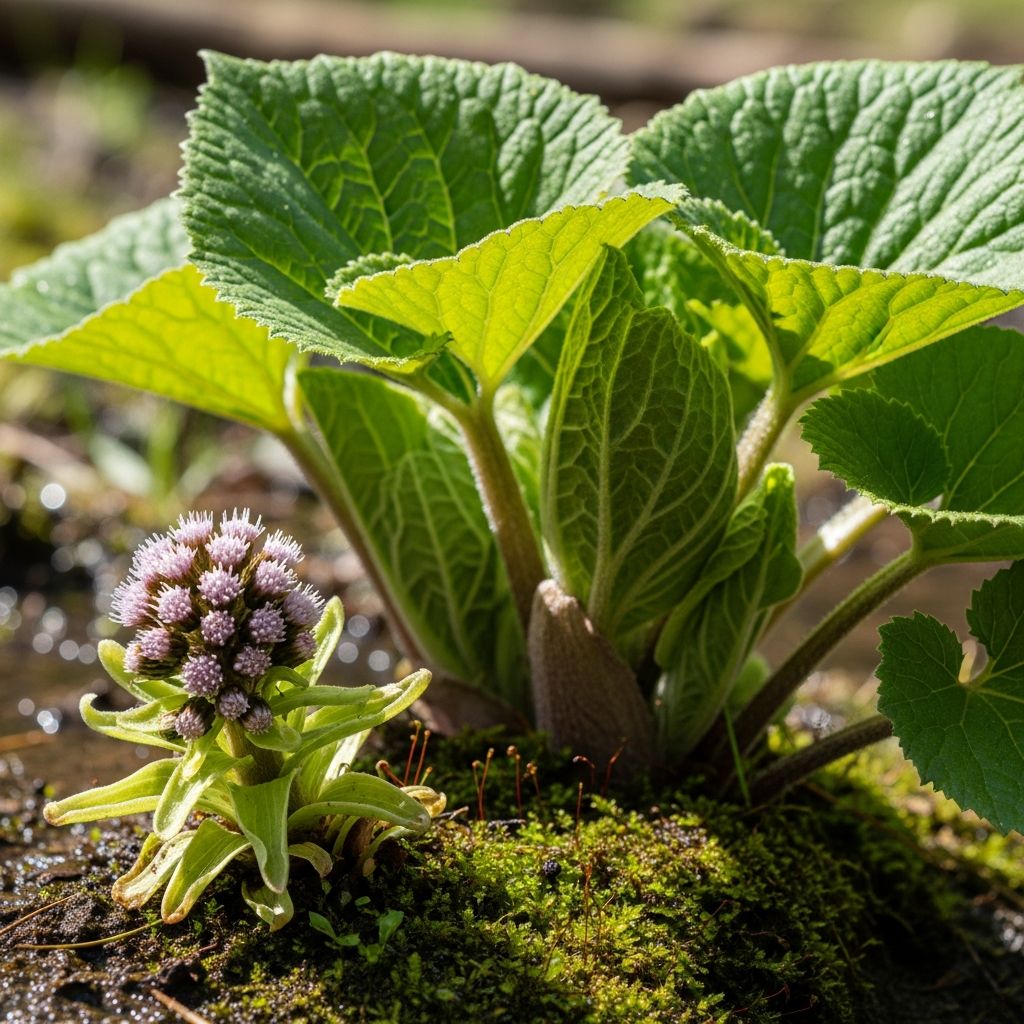
What is Butterbur?
Butterbur is a plant extract derived from a shrub that grows naturally in Europe, Asia, and parts of North America. For centuries, traditional practitioners have used this herbal remedy to address various health concerns. The plant belongs to the Petasites genus, and its roots and leaves contain active compounds that have sparked modern scientific investigation. Today, butterbur remains a popular choice among individuals seeking alternative approaches to managing certain health conditions, though its use remains controversial due to safety considerations.
The primary active compounds in butterbur include petasin and isopetasin, which are sesquiterpenes believed to contribute to the plant’s therapeutic properties. These molecules demonstrate spasmolytic effects on smooth muscle and tracheal rings, suggesting potential benefits for conditions involving muscle tension and inflammation. However, butterbur also contains pyrrolizidine alkaloids (PAs), which have raised significant safety concerns among health professionals and regulatory bodies.
Common Uses of Butterbur
Throughout history and in contemporary alternative medicine, butterbur has been proposed for treating numerous health conditions. Understanding these uses and their scientific support is essential for making informed decisions about supplementation.
Migraine Prevention
The most extensively studied application of butterbur is migraine prevention. Several double-blind, placebo-controlled trials have investigated butterbur extract’s effectiveness in reducing migraine frequency and severity. In one notable study involving sixty participants who experienced at least three migraines monthly, researchers administered either 50 mg of butterbur extract or a placebo twice daily for three months. The results demonstrated that three of four persons taking butterbur reported improvement compared with only one of four persons in the placebo group. Both the number of migraine attacks and total migraine pain days were significantly reduced in the treatment group.
A 2022 review examining a standardized butterbur extract medication called Petadolex found that, compared to a placebo, it may significantly reduce migraine attack frequency. The responder rate for the treatment group, defined as greater than 50% improvement in migraine frequency, was 45% compared to 15% in the placebo group.
The mechanism behind butterbur’s potential migraine benefits involves blocking the signaling of calcitonin gene-related peptides, which play a role in migraine pathophysiology. However, despite these promising findings, the American Academy of Neurology (AAN) initially recommended butterbur for migraine treatment in 2012 but retracted this guidance in 2015 due to concerns about liver toxicity.
Hay Fever and Allergies
Butterbur has been investigated for treating allergic rhinitis, commonly known as hay fever. Some studies indicate meaningful evidence supporting its use for hay fever symptoms, with the anti-inflammatory and antispasmodic properties of butterbur potentially providing relief. The National Center for Complementary and Integrative Health (NCCIH) acknowledges limited but some available evidence for this application.
Other Proposed Uses
Beyond migraines and hay fever, butterbur has undergone investigation for various other conditions, though evidence for these uses remains limited or preliminary. These include:
- Asthma and respiratory conditions
- Musculoskeletal pain conditions
- Ulcer protection and stomach lining support
- Chronic obstructive pulmonary disease (COPD)
- Urinary tract symptoms
- Insomnia
- Upset stomach and digestive issues
- Allergic skin reactions
Related Stories



For most of these conditions, substantial clinical trials are lacking, and preliminary evidence suggests limited effectiveness. For instance, butterbur is not likely to be particularly effective for allergic skin diseases such as eczema.
Safety Concerns and Side Effects
While butterbur shows promise for certain conditions, significant safety concerns have led many health organizations to advise caution or recommend against its use entirely. Understanding these risks is crucial for anyone considering butterbur supplementation.
Pyrrolizidine Alkaloids (PAs)
The primary safety concern surrounding butterbur relates to pyrrolizidine alkaloids (PAs), naturally occurring compounds found in the plant. These chemicals can damage the liver, cardiovascular system, and lungs and may also possess carcinogenic properties. Pyrrolizidine alkaloids are hepatotoxic and have been associated with liver injury in some individuals using butterbur products.
The hepatotoxicity concern prompted significant changes in professional recommendations. Germany, which regulates herbal products more stringently than the United States, requires butterbur extracts to undergo teratogenicity and carcinogenicity studies. However, when manufacturers reformulated their butterbur extracts, they did not repeat these safety studies, raising additional concerns about the safety profile of newer formulations.
Reported Side Effects
Although some clinical trials have reported minimal side effects, butterbur can produce adverse reactions in certain individuals. Commonly reported side effects include:
- Upset stomach and gastrointestinal disturbances
- Allergic reactions and skin sensitivity
- Respiratory symptoms
- Liver function abnormalities
Long-term Safety Data Gaps
The NCCIH emphasizes that further research into the safety of long-term butterbur use is necessary. While some studies have demonstrated short-term safety, comprehensive long-term safety data remains limited. This knowledge gap makes it difficult for healthcare providers to make definitive recommendations regarding extended butterbur use.
Evidence Quality and Research Limitations
While some studies have suggested that butterbur may have potential health benefits, wide-scale, high-quality research is lacking in most cases. Several factors contribute to these limitations:
First, many clinical trials have involved relatively small sample sizes. Second, some early studies examining butterbur’s efficacy contained methodological shortcomings in their original protocols and analyses. Third, the manufacturing and formulation of butterbur products has changed over time, and not all newer formulations have undergone rigorous safety testing equivalent to earlier versions. Fourth, regulatory inconsistency between countries means that products available in the United States may not meet the same safety standards as those in more regulated markets like Germany.
The NCCIH notes there is limited scientific evidence supporting butterbur’s use for most proposed applications beyond migraine prevention and hay fever. Further research into both the safety and efficacy of butterbur is necessary before strong recommendations can be made.
How to Choose Safe Butterbur Products
If you are considering using butterbur despite the safety concerns, the NCCIH strongly recommends selecting products certified as “PA-free,” meaning they have undergone specific processes to remove pyrrolizidine alkaloids. These products have been processed to eliminate or substantially reduce the dangerous chemicals that pose health risks.
However, it is important to recognize that “PA-free” certification provides a measure of safety but does not eliminate all potential risks associated with butterbur use. Additionally, regulatory oversight of the supplement industry in the United States remains inconsistent, and some products may not contain what their labels claim or may not meet the standards suggested on their packaging.
When selecting any herbal supplement, including butterbur:
- Choose products from reputable manufacturers with transparent labeling
- Look for third-party testing verification when available
- Consult with a healthcare provider before beginning any new supplement regimen
- Check the label for PA-free certification
- Be aware of potential drug interactions with other medications
Clinical Efficacy Comparison
The following table summarizes the available evidence for butterbur’s primary proposed uses:
| Condition | Evidence Level | Notable Findings | Safety Profile |
|---|---|---|---|
| Migraine Prevention | Moderate | Two double-blind trials show 45% responder rate vs. 15% placebo; some studies involved 60-245 participants | Concerns about liver toxicity; AAN retracted 2012 recommendation in 2015 |
| Hay Fever (Allergic Rhinitis) | Limited to Moderate | Some meaningful evidence indicates effectiveness for symptom relief | Generally considered safer than for migraine use; PA concerns still apply |
| Asthma | Preliminary | Highly preliminary investigation; insufficient clinical evidence | PA concerns; no established safety profile |
| Musculoskeletal Pain | Limited | Proposed based on anti-inflammatory properties; meaningful clinical trials lacking | PA concerns; no established safety profile |
| Allergic Skin Diseases | Limited | Preliminary evidence suggests limited effectiveness for eczema and similar conditions | PA concerns; no established safety profile |
Regulatory Status and Professional Recommendations
The regulatory status of butterbur varies significantly by country. In Germany, butterbur extracts are subject to herbal product regulations requiring safety studies. In the United States, butterbur is classified as a dietary supplement and is not subject to the same rigorous regulatory oversight as pharmaceutical medications. This regulatory difference means that products marketed in the United States may not meet European safety standards.
Professional medical organizations have largely moved away from recommending butterbur despite earlier enthusiasm. The American Academy of Neurology’s retraction of its migraine recommendation represents a significant shift based on accumulating safety data. Most health organizations now advise consumers to approach butterbur use cautiously and to consult healthcare providers before use, particularly for individuals with liver disease, compromised immune function, or those taking medications that affect liver function.
Frequently Asked Questions About Butterbur
Q: Is butterbur safe for long-term use?
A: The long-term safety of butterbur has not been adequately studied. While some short-term clinical trials reported minimal side effects, comprehensive long-term safety data remains limited. The NCCIH recommends further research before long-term use can be considered safe.
Q: What are pyrrolizidine alkaloids and why are they dangerous?
A: Pyrrolizidine alkaloids (PAs) are naturally occurring compounds in butterbur that can damage the liver, cardiovascular system, and lungs. They are also potentially carcinogenic. Many butterbur products contain these harmful chemicals, which is why PA-free products are recommended.
Q: Can I use butterbur if I have liver disease?
A: No. Individuals with liver disease or any history of liver problems should avoid butterbur entirely due to the risk of pyrrolizidine alkaloid-related hepatotoxicity. Consult your healthcare provider before considering any butterbur product.
Q: How effective is butterbur for migraines?
A: Research shows moderate effectiveness for migraine prevention. Double-blind trials indicate that 45% of individuals taking butterbur extract experience greater than 50% reduction in migraine frequency compared to 15% for placebo. However, the American Academy of Neurology retracted its recommendation due to safety concerns.
Q: Are all butterbur products the same?
A: No. Butterbur products vary significantly in their formulation, processing, and safety profiles. Look for products certified as “PA-free” and from reputable manufacturers. The specific extract Petadolex has been used in most clinical trials and may have better-established safety data than other butterbur products.
Q: Should I take butterbur if I’m pregnant or breastfeeding?
A: No. Pregnant and breastfeeding individuals should avoid butterbur due to insufficient safety data and potential risks associated with pyrrolizidine alkaloids. Consult your healthcare provider about safe alternatives.
Q: Can butterbur interact with my medications?
A: Butterbur may interact with certain medications, and it can place additional stress on the liver, particularly if you take other hepatotoxic medications. Always discuss butterbur use with your healthcare provider or pharmacist to check for potential interactions.
Conclusion
Butterbur represents a complex case in herbal medicine where preliminary evidence suggests potential benefits for migraine prevention and hay fever, yet significant safety concerns temper enthusiasm for its use. The presence of pyrrolizidine alkaloids and the lack of comprehensive long-term safety data have led most health organizations to advise caution. While PA-free butterbur products offer some improvement in safety profile, regulatory inconsistencies mean that consumers cannot always be certain about product quality and safety.
Before considering butterbur supplementation, individuals should consult with qualified healthcare providers who can assess their personal health status, review potential risks and benefits, and discuss alternative treatment options. Further high-quality research is necessary to establish definitive safety and efficacy profiles for butterbur across its proposed uses.
References
- Butterbur: Benefits, side effects, and risks — Medical News Today. 2023. https://www.medicalnewstoday.com/articles/319667
- Butterbur’s therapeutic uses — EBSCO Research Starters. https://www.ebsco.com/research-starters/complementary-and-alternative-medicine/butterburs-therapeutic-uses
- NSAIDs and other complementary treatments for episodic migraine — American Academy of Neurology. 2012. https://www.neurology.org/doi/10.1212/WNL.0b013e3182535d0c
- Safety profile of a special butterbur extract from Petasites hybridus in migraine prevention — Phytotherapy Research Journal. 2018. https://journals.sagepub.com/doi/10.1177/2515816318759304
- Butterbur — LiverTox, National Institutes of Health Bookshelf. https://www.ncbi.nlm.nih.gov/books/NBK547997/
Similar Articles








Read full bio of medha deb