C-Reactive Protein Test: What To Know, Levels, And Uses
Understand the C-reactive protein (CRP) test: its purpose, procedure, results, and role in detecting inflammation and heart disease risk.
The
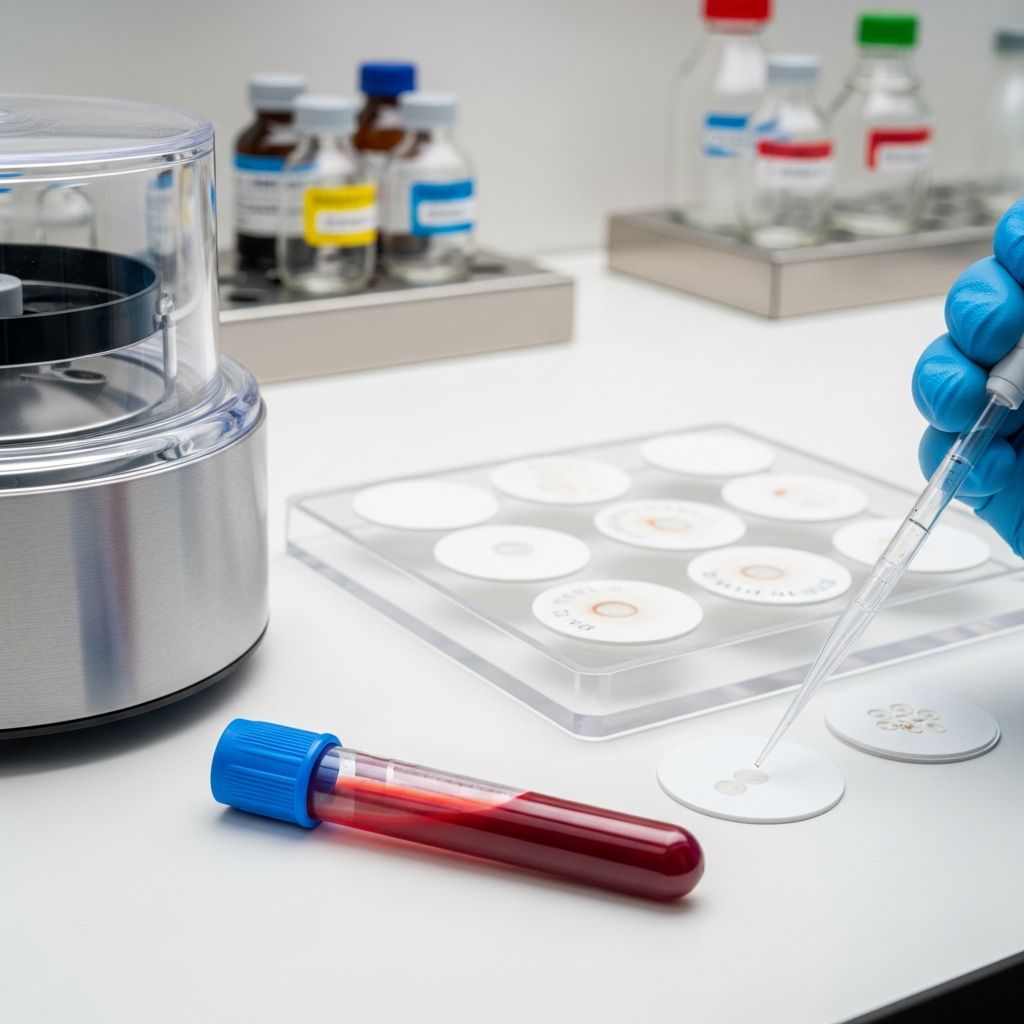
C-reactive protein (CRP) test
is a common blood test that measures levels of CRP, a protein produced by the liver in response to inflammation in the body. Elevated CRP levels can indicate infections, autoimmune disorders, or increased risk of cardiovascular disease, making it a valuable tool for diagnosis and monitoring.What Is C-Reactive Protein?
C-reactive protein (CRP) is a pentameric protein synthesized by the liver in response to inflammation, with a molecular weight of approximately 115 kDa. It is part of the body’s acute-phase response and rises rapidly—often within hours—when inflammation, infection, or tissue injury occurs. CRP binds to damaged cells and activates the immune system to help clear debris and fight pathogens.
Normal CRP levels in healthy individuals are typically below 10 mg/L, but they can increase dramatically during acute events. Unlike specific markers, CRP is nonspecific, signaling inflammation somewhere in the body without identifying the exact cause or location.
Purpose of the CRP Test
The primary purpose of the CRP test is to detect and monitor inflammation. It is used to:
- Check for flare-ups in inflammatory diseases like rheumatoid arthritis, lupus, or vasculitis.
- Monitor the effectiveness of anti-inflammatory treatments.
- Distinguish bacterial from viral infections, as bacterial infections often cause higher elevations.
- Assess risk for heart disease using the high-sensitivity CRP (hs-CRP) test.
Doctors order CRP tests for patients with symptoms like fever, joint pain, fatigue, or unexplained inflammation. In children, it’s used for conditions such as inflammatory bowel disease (IBD), arthritis, or lupus.
Types of CRP Tests
There are several types of CRP tests, each with specific applications:
- Standard CRP test: Detects higher levels (>10 mg/L) associated with acute inflammation, infections, or trauma.
- High-sensitivity CRP (hs-CRP): Measures low levels (0.3-10 mg/L) for cardiovascular risk assessment in apparently healthy individuals. It requires specialized assays for precision at lower concentrations.
- Point-of-care CRP tests: FDA-approved rapid tests like ProciseDx (2022) provide results in under 5 minutes, ideal for quick infection triage.
The hs-CRP test is particularly endorsed by the CDC and AHA for global cardiovascular risk prediction, especially in intermediate-risk patients.
How Is the CRP Test Performed?
The CRP test is a simple blood draw procedure:
- A healthcare professional inserts a needle into a vein in your arm or hand to collect a blood sample.
- The sample is sent to a lab for analysis using immunoassays or laser nephelometry, which are inexpensive, accurate, and rapid.
- Results are typically available within hours to a day.
Risks are minimal and include slight pain, bruising, bleeding, infection, or lightheadedness at the puncture site. No special preparation is usually needed, though fasting may be required if combined with other tests like cholesterol panels.
Related Stories



Normal CRP Levels and Interpretation
CRP levels vary by test type and lab, but general ranges are:
| CRP Level (mg/L or mg/dL) | Interpretation |
|---|---|
| <1.0 mg/L | Low risk; normal in healthy individuals (hs-CRP for heart risk). |
| 1.0-3.0 mg/L | Average risk for cardiovascular events (hs-CRP). |
| 3.0-10.0 mg/L | High risk for heart disease; moderate inflammation. |
| 10.0-50.0 mg/L | Moderate elevation: autoimmune diseases, MI, pancreatitis. |
| >50.0 mg/L | Marked elevation: acute bacterial infections (90% cases), trauma. |
Levels above 10 mg/L may indicate acute infection and warrant retesting after 2-3 weeks to confirm chronic elevation for heart risk assessment. Always interpret in clinical context, as factors like obesity, smoking, or pregnancy can influence results.
What Do High CRP Levels Mean?
High CRP indicates inflammation but not the source. Common causes include:
- Infections: Bacterial (e.g., sepsis, osteomyelitis) cause sharper rises than viral.
- Autoimmune diseases: Rheumatoid arthritis, lupus, vasculitis with joint pain, swelling, fatigue.
- Cardiovascular risk: hs-CRP >3 mg/L doubles heart attack/stroke risk.
- Other: Trauma, surgery, malignancies, IBD, chronic conditions like bronchitis.
In sepsis, CRP rises within hours alongside symptoms like fever, chills, confusion. For rheumatoid arthritis, elevated CRP tracks flare-ups and treatment response.
What Do Low CRP Levels Mean?
Low or undetectable CRP (<1 mg/L) generally indicates no significant inflammation, suggesting recovery from infection or effective treatment. In hs-CRP testing, it signifies low cardiovascular risk. However, very low levels don’t rule out all issues, as some chronic conditions may not elevate CRP substantially.
CRP Test Accuracy and Limitations
CRP tests are highly sensitive and rise/drop quickly, making them ideal for monitoring. However:
- Nonspecific: Cannot locate inflammation or identify cause; pair with ESR, ANA, rheumatoid factor, or anti-CCP.
- False positives: From non-infectious inflammation (e.g., injury).
- hs-CRP limitations: Poor specificity for cardiac risk; influenced by confounders like infections.
- Not diagnostic alone: Requires clinical correlation.
Recent FDA-cleared assays improve precision, but ongoing research debates hs-CRP’s routine cardiac screening role.
Who Should Get a CRP Test?
- Patients with infection symptoms (fever, pain, sepsis signs).
- Those with autoimmune or inflammatory diseases for monitoring.
- Intermediate-risk individuals for heart disease (add to cholesterol testing).
- Post-heart event patients or ER chest pain cases.
Related Tests
- ESR (erythrocyte sedimentation rate): Another nonspecific inflammation marker.
- ANA, rheumatoid factor, anti-CCP: For autoimmune diagnosis.
- Procalcitonin: Differentiates bacterial infections.
- Lipid panel: Combined with hs-CRP for CV risk.
Frequently Asked Questions (FAQs)
What is a C-reactive protein (CRP) test?
A blood test measuring CRP levels to detect inflammation from infections, autoimmune diseases, or heart risk.
Why do doctors order a CRP test?
To check for inflammation, monitor diseases like rheumatoid arthritis, track treatment, or assess heart disease risk with hs-CRP.
What is a high-sensitivity CRP test?
hs-CRP detects low-level inflammation for cardiovascular risk in healthy people, unlike standard tests for acute issues.
What do high CRP levels indicate?
Inflammation from bacterial infections, autoimmune conditions, or increased heart attack/stroke risk.
Is fasting required for CRP test?
Usually no, but may be if combined with other tests; consult your doctor.
Can CRP test diagnose specific diseases?
No, it’s nonspecific; used with other tests and symptoms for diagnosis.
Key Takeaways
- CRP test is quick, inexpensive way to measure inflammation.
- hs-CRP helps predict heart disease in low-risk individuals.
- Interpret results with clinical context for accuracy.
References
- C-reactive protein: MedlinePlus Medical Encyclopedia — MedlinePlus (NIH). Accessed 2026. https://medlineplus.gov/ency/article/003356.htm
- C-Reactive Protein (Blood) — UR Medicine, University of Rochester. Accessed 2026. https://www.urmc.rochester.edu/encyclopedia/content?contentid=c_reactive_protein_serum&contenttypeid=167
- C-Reactive Protein: Clinical Relevance and Interpretation — NCBI Bookshelf (NIH). 2018 (authoritative review). https://www.ncbi.nlm.nih.gov/books/NBK441843/
- Blood Test: C-Reactive Protein (CRP) — Rady Children’s Health. Accessed 2026. https://www.rchsd.org/health-article/blood-test-c-reactive-protein-crp/
- C-Reactive Protein — American Heart Association (Circulation). 2003-10-21 (seminal guideline). https://www.ahajournals.org/doi/10.1161/01.cir.0000093381.57779.67
- C-Reactive Protein (CRP) Test: About This Test — Kaiser Permanente. Accessed 2026. https://healthy.kaiserpermanente.org/health-wellness/health-encyclopedia/he.c-reactive-protein-crp-test-about-this-test.abk8483
Similar Articles








Read full bio of Sneha Tete