CRP Test: Complete Guide To Results, Risks, And Preparation
Discover how the CRP blood test detects inflammation, its role in diagnosing infections and chronic diseases, and what your results mean for your health.
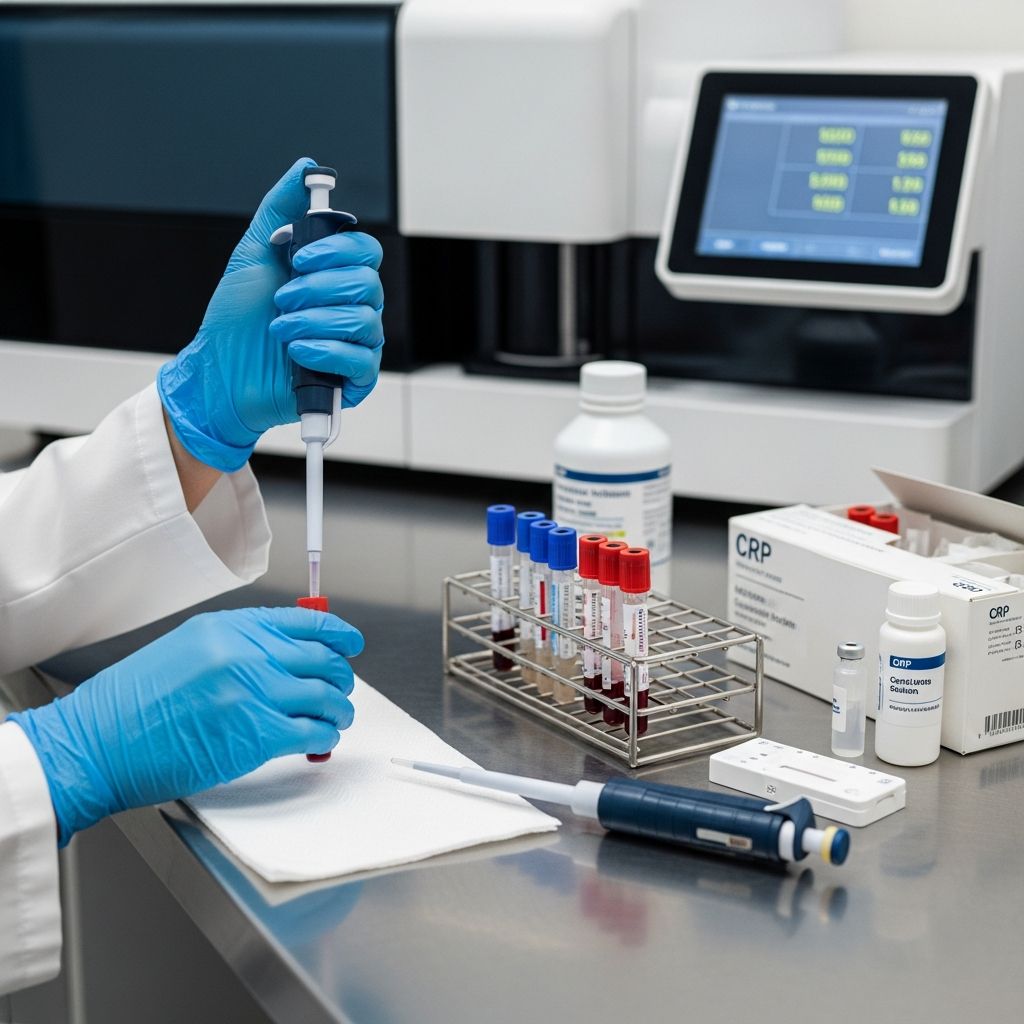
The C-reactive protein (CRP) test is a vital diagnostic tool that quantifies inflammation in the body by measuring levels of a specific protein produced by the liver. This simple blood test helps healthcare professionals identify underlying issues ranging from acute infections to chronic conditions, guiding timely interventions.
The Science Behind C-Reactive Protein
C-reactive protein is an acute-phase reactant, meaning its production ramps up rapidly in response to inflammatory signals. When the body detects threats like pathogens, injury, or tissue damage, immune cells release cytokines such as interleukin-6, prompting the liver to synthesize CRP. This protein circulates in the blood, binding to damaged cells or foreign invaders to activate the complement system, a key part of innate immunity.
Structurally, CRP forms a pentameric ring, allowing it to efficiently target lysophosphatidylcholine on dying cells or certain bacteria. In healthy individuals, CRP levels remain low, typically below 10 mg/L, but they can surge 1,000-fold within hours of an inflammatory trigger, making it an early and sensitive marker.
Why Doctors Order a CRP Test
Healthcare providers recommend CRP testing to assess the presence and severity of inflammation when symptoms are vague or additional confirmation is needed. It’s particularly useful for differentiating bacterial from viral infections, as bacterial causes often produce higher elevations.
- Acute infections: Such as pneumonia, urinary tract infections, or sepsis, where rapid rises signal urgency.
- Chronic inflammatory diseases: Including rheumatoid arthritis, lupus, and inflammatory bowel disease.
- Post-surgical monitoring: To detect complications like wound infections.
- Cardiovascular risk assessment: Via high-sensitivity CRP (hs-CRP) for subtle, ongoing inflammation linked to heart disease.
Beyond diagnosis, CRP tracks treatment efficacy; declining levels indicate resolution, while persistent highs may require adjusted therapies.
Standard vs. High-Sensitivity CRP Testing
Two main variants exist: the standard CRP test detects levels above 10 mg/L, ideal for overt inflammation, while hs-CRP measures lower concentrations (0.1-10 mg/L) for cardiovascular screening. The hs-CRP is more precise for subclinical inflammation but requires fasting and avoidance of intense exercise beforehand to minimize false positives.
| Test Type | Detection Range | Primary Use |
|---|---|---|
| Standard CRP | >10 mg/L | Infection, acute inflammation |
| hs-CRP | 0.1-10 mg/L | Heart disease risk, low-grade inflammation |
Combining CRP with erythrocyte sedimentation rate (ESR) enhances diagnostic accuracy, as both reflect inflammation but respond differently to various stimuli.
Preparing for Your CRP Blood Draw
Preparation is straightforward for standard CRP but more involved for hs-CRP. Avoid nonsteroidal anti-inflammatory drugs (NSAIDs) like ibuprofen for 24 hours prior, as they can suppress levels. For hs-CRP, fast for 8-12 hours and skip vigorous activity or illness close to the test.
The procedure involves a routine venipuncture, usually from the arm, taking just minutes. No anesthesia is needed, though minor bruising may occur. Results are available within hours to a day, depending on the lab.
Related Stories



Interpreting Your CRP Test Results
Normal CRP is under 10 mg/L, but ranges vary by lab and test type. Here’s a breakdown:
- Low risk (hs-CRP): <1.0 mg/L – Minimal cardiovascular concern.
- Average risk: 1.0-3.0 mg/L – Moderate inflammation.
- High risk: >3.0 mg/L – Elevated heart disease potential or active inflammation.
- Markedly elevated: >100 mg/L – Suggests severe infection or tissue damage.
Elevations aren’t diagnostic alone; they prompt further tests like imaging, cultures, or autoimmune panels. Factors like obesity, smoking, or pregnancy can mildly raise baseline levels.
CRP in Specific Health Conditions
Infections and Sepsis
CRP excels in infection management. Levels rise within 6 hours of bacterial invasion, peaking at 48 hours, and fall with effective antibiotics. In sepsis—a life-threatening bloodstream infection—CRP over 200 mg/L correlates with poor prognosis, aiding decisions on intensive care.
Autoimmune and Rheumatic Diseases
For rheumatoid arthritis or lupus, serial CRP monitors flares and therapy response. Paired with rheumatoid factor or anti-CCP antibodies, it refines diagnosis.
Cardiovascular Disease Prediction
hs-CRP identifies atherosclerosis risk by detecting vascular inflammation. Studies link levels above 2 mg/L to doubled heart attack odds, especially with high cholesterol.
Other Applications
CRP aids in monitoring inflammatory bowel disease, post-op recovery, and even cancer-related inflammation, though not specific for malignancy.
Factors Influencing CRP Levels
Besides disease, lifestyle impacts CRP:
- Obesity: Adipose tissue produces cytokines, elevating baseline CRP.
- Smoking: Chronic irritant induces low-grade inflammation.
- Age and hormones: Levels rise slightly with age; estrogen may modulate them.
- Medications: Statins and fibrates lower CRP independently of cholesterol effects.
Genetic variations in CRP genes also influence baseline production.
Limits and Complementary Tests
CRP indicates inflammation’s presence but not its source or type. Viral infections cause milder rises than bacterial ones, but overlap exists. Chronic conditions may show normal CRP despite activity.
Companion tests include:
- ESR for broader inflammation view.
- Procalcitonin for bacterial specificity.
- Complete blood count (CBC) for infection clues.
- Imaging or biopsies for localization.
Frequently Asked Questions (FAQs)
What causes high CRP levels besides infection?
High CRP can stem from autoimmune diseases, trauma, heart issues, or even strenuous exercise. Consult your doctor for context.
Can CRP diagnose heart disease?
No, hs-CRP assesses risk, not diagnoses. It’s used with lipid profiles and other markers.
How often should I get a CRP test?
Frequency depends on your condition—routinely for chronic diseases, as-needed for monitoring infections.
Is the CRP test painful?
It’s a standard blood draw with minimal discomfort, similar to other lab tests.
Can diet lower CRP?
Anti-inflammatory diets rich in omega-3s, fruits, and vegetables may modestly reduce levels, supporting overall health.
Advances in CRP Testing and Future Directions
Point-of-care CRP tests now deliver results in minutes, revolutionizing primary care in resource-limited settings. Research explores CRP’s prognostic role in COVID-19, where highs predicted severity, and its interplay with biomarkers like D-dimer.
Emerging assays refine specificity, distinguishing infection types better. Despite debates on hs-CRP for universal screening due to cost and variability, guidelines endorse it for intermediate-risk patients.
References
- C-Reactive Protein (CRP) Test: What It Is, Purpose & Results — Cleveland Clinic. 2023. https://my.clevelandclinic.org/health/diagnostics/23056-c-reactive-protein-crp-test
- C-Reactive Protein (CRP) Test — MedlinePlus. 2024-01-26. https://medlineplus.gov/lab-tests/c-reactive-protein-crp-test/
- C-Reactive Protein (Blood) — University of Rochester Medical Center. 2023. https://www.urmc.rochester.edu/encyclopedia/content?contentid=c_reactive_protein_serum&contenttypeid=167
- C-reactive protein — Florida Health Finder. 2023. https://quality.healthfinder.fl.gov/health-encyclopedia/HIE/1/003356
- C-reactive protein test — Mayo Clinic. 2023-06-09. https://www.mayoclinic.org/tests-procedures/c-reactive-protein-test/about/pac-20385228
- C-reactive protein — Wikipedia. 2026-02-20. https://en.wikipedia.org/wiki/C-reactive_protein
- Definition of C-reactive protein — National Cancer Institute. 2023. https://www.cancer.gov/publications/dictionaries/cancer-terms/def/c-reactive-protein
- C-Reactive Protein: Clinical Relevance and Interpretation — NCBI Bookshelf. 2023-04-24. https://www.ncbi.nlm.nih.gov/books/NBK441843/
Similar Articles








Read full bio of medha deb