C-Reactive Protein Test: What High And Low Results Mean
Understand the CRP blood test: its purpose, procedure, results, and role in detecting inflammation and heart disease risk.
The
C-reactive protein (CRP) test
is a common blood test that measures levels of CRP, a protein produced by the liver in response to inflammation in the body. Elevated CRP levels can indicate infections, autoimmune disorders, or increased risk of cardiovascular events, making it a valuable tool for diagnosis and monitoring treatment.What Is C-Reactive Protein?
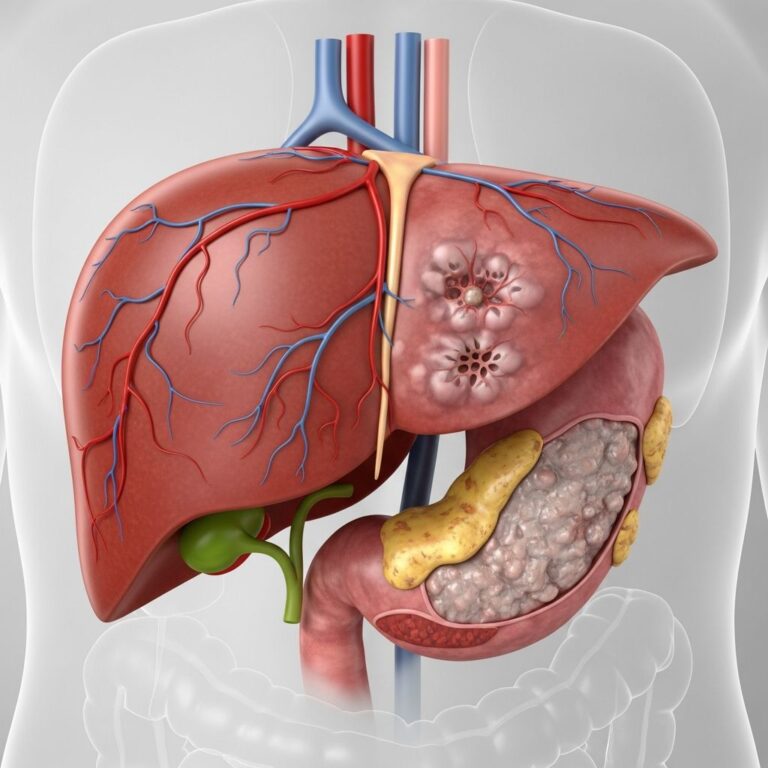
C-reactive protein (CRP) is an acute-phase protein synthesized by the liver and released into the bloodstream when the body detects inflammation, infection, or tissue injury. It belongs to the pentraxin family and plays a role in the immune response by binding to damaged cells and activating complement proteins to aid in pathogen clearance.
CRP levels rise rapidly—often within hours of an inflammatory trigger—and can increase up to 1,000-fold during acute inflammation. This makes CRP a sensitive, nonspecific marker for inflammation anywhere in the body, though it does not identify the location or cause.
In healthy individuals, CRP circulates at low levels (<1 mg/L). During inflammation, levels can exceed 10 mg/L, and in severe cases like bacterial sepsis, they may reach 100 mg/L or higher.
Purpose of the CRP Test
The CRP test serves multiple purposes in clinical practice:
- Detecting inflammation: Used as a general indicator of inflammation from infections (bacterial or viral), injuries, or chronic conditions.
- Monitoring autoimmune and inflammatory diseases: Tracks flare-ups in conditions like rheumatoid arthritis, lupus, vasculitis, or inflammatory bowel disease (IBD).
- Assessing treatment efficacy: Measures if anti-inflammatory medications or antibiotics are working by showing declining CRP levels.
- Evaluating heart disease risk: A high-sensitivity CRP (hs-CRP) test identifies low-grade inflammation linked to atherosclerosis and future cardiovascular events.
Unlike specific tests, CRP provides a broad snapshot; it’s often paired with erythrocyte sedimentation rate (ESR) for confirmation.
Types of CRP Tests
There are two main types of CRP tests, differing in sensitivity and application:
| Type | Sensitivity | Primary Use | Typical Range |
|---|---|---|---|
| Standard CRP | 0.3–10 mg/L detection | Acute inflammation, infections | <10 mg/L normal; >10 mg/L elevated |
| High-sensitivity CRP (hs-CRP) | <0.3 mg/L detection | Cardiovascular risk assessment | <1 mg/L low risk; 1–3 mg/L average; >3 mg/L high risk |
The hs-CRP test is crucial for apparently healthy individuals, as it detects subtle elevations predictive of heart attack or stroke risk—up to 2–3 times higher in those with elevated levels.
Why Is a CRP Test Performed?
Healthcare providers order CRP tests in various scenarios:
- Suspected infections: Differentiates bacterial (high CRP) from viral (milder rise) infections, or monitors sepsis, osteomyelitis.
- Autoimmune monitoring: For rheumatoid arthritis (joint pain, stiffness), lupus, or IBD; levels rise during flares.
- Post-treatment evaluation: Confirms recovery from infection or response to therapy.
- Cardiovascular screening: In intermediate-risk patients, combined with cholesterol tests for global risk assessment.
Symptoms prompting testing include fever, chills, joint swelling, unexplained pain, fatigue, or rash.
Risks and Preparation for CRP Test
Risks
The test involves a simple venipuncture with minimal risks:
- Bleeding, bruising, or infection at the puncture site.
- Temporary pain, lightheadedness, or soreness.
Related Stories



No special preparation is needed; fasting is not required. Inform your doctor of recent illnesses, as they can temporarily elevate CRP.
How the Test Is Performed
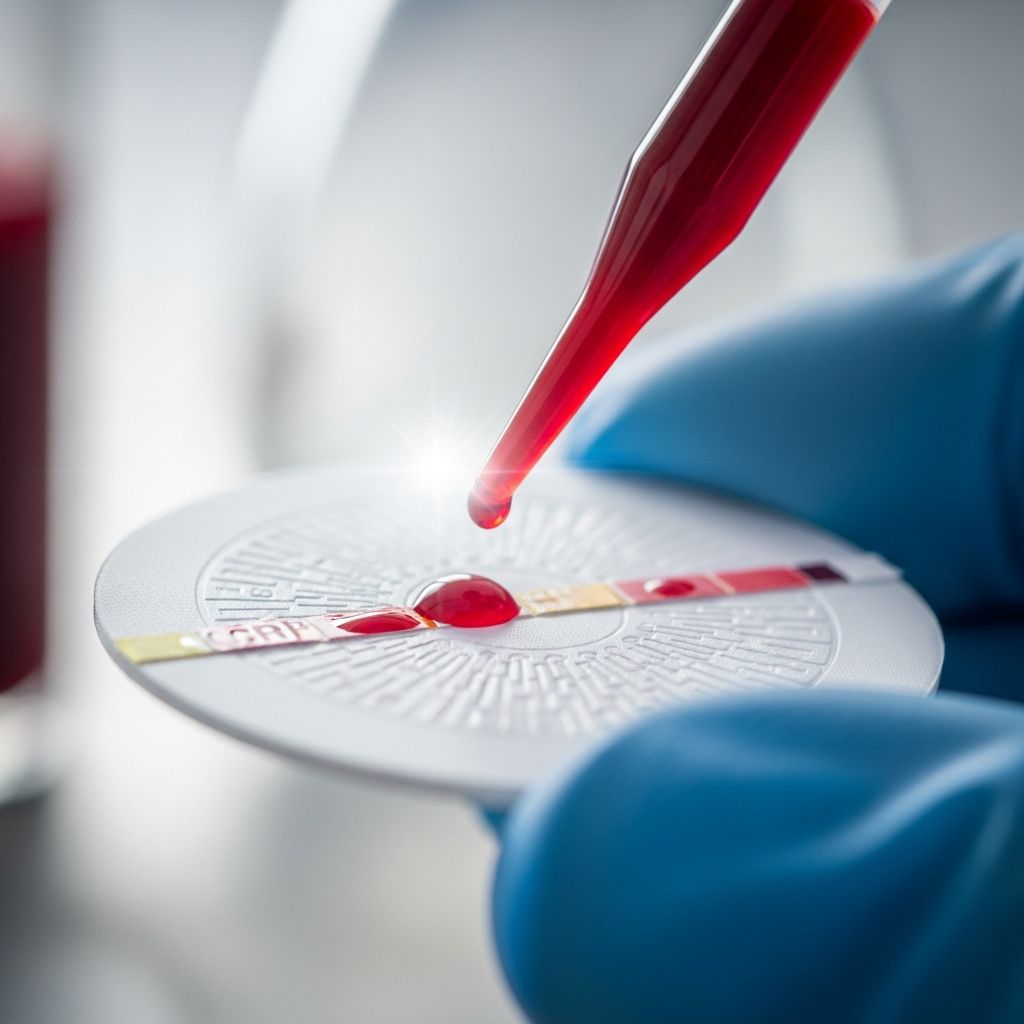
A phlebotomist draws blood from a vein in your arm or hand using a needle. The sample is sent to a lab for analysis, with results typically available in hours to days.
Understanding CRP Test Results
Results are reported in milligrams per liter (mg/L) or milligrams per deciliter (mg/dL; 1 mg/dL = 10 mg/L):
- Normal/low: <1 mg/L (no significant inflammation).
- Mild elevation: 1–10 mg/L (minor inflammation, possible viral infection or chronic disease).
- Moderate/high: 10–100 mg/L (acute bacterial infection, flare-up).
- Very high: >100 mg/L (severe infection like sepsis).
For hs-CRP (heart risk):
- <1 mg/L: Low risk.
- 1–3 mg/L: Moderate risk.
- >3 mg/L: High risk; retest if >10 mg/L to rule out acute issues.
Factors affecting results include obesity, smoking, pregnancy, or oral contraceptives (may mildly elevate); recent exercise or menstruation has less impact. Always interpret with clinical context.
What Does High CRP Mean?
Elevated CRP signals inflammation but requires further tests for diagnosis:
- Infections: Bacterial > viral; sepsis shows rapid spikes.
- Chronic conditions: Rheumatoid arthritis, lupus (with ANA/rheumatoid factor tests).
- Cardiovascular: Predicts events independent of cholesterol.
- Other: Trauma, surgery, cancer, or IBD.
High levels warrant prompt evaluation; declining levels indicate improvement.
What Does Low CRP Mean?
Low CRP (<1 mg/L) generally rules out significant acute inflammation or infection. It’s reassuring for monitoring chronic diseases or confirming treatment success. However, it doesn’t exclude all conditions, as some have normal CRP.
Related Tests
CRP is often combined with:
- ESR: Another inflammation marker.
- ANA, Rheumatoid Factor, Anti-CCP: For autoimmune diagnosis.
- Lipid panel: For heart risk.
- Procalcitonin: To distinguish bacterial infections.
Frequently Asked Questions (FAQs)
What is a normal CRP level?
Normal is typically <10 mg/L for standard tests and <1 mg/L for hs-CRP in low-risk individuals.
Can CRP test diagnose heart disease?
No, but hs-CRP predicts risk, especially in intermediate cases.
How quickly do CRP levels change?
They rise within hours of inflammation and fall as it resolves, making it ideal for monitoring.
Is fasting required for CRP test?
No, but avoid testing during acute illness for accurate baseline.
Can lifestyle lower CRP?
Yes, quitting smoking, exercise, and healthy diet can reduce chronic low-grade inflammation.
References
- C-reactive protein: MedlinePlus Medical Encyclopedia — MedlinePlus (National Library of Medicine). 2023. https://medlineplus.gov/ency/article/003356.htm
- C-Reactive Protein (Blood) — UR Medicine, University of Rochester. 2024. https://www.urmc.rochester.edu/encyclopedia/content?contentid=c_reactive_protein_serum&contenttypeid=167
- Blood Test: C-Reactive Protein (CRP) — Rady Children’s Health. 2023. https://www.rchsd.org/health-article/blood-test-c-reactive-protein-crp/
- C-Reactive Protein — American Heart Association (Circulation). 2003-07-01. https://www.ahajournals.org/doi/10.1161/01.cir.0000093381.57779.67
- C-reactive protein: a critical update — PubMed Central (PMC). 2004. https://pmc.ncbi.nlm.nih.gov/articles/PMC161431/
Similar Articles








Read full bio of medha deb