Cabbage Benefits: 8 Science-Backed Health Advantages
Discover the impressive health benefits of cabbage, from boosting immunity to supporting heart health and digestion.
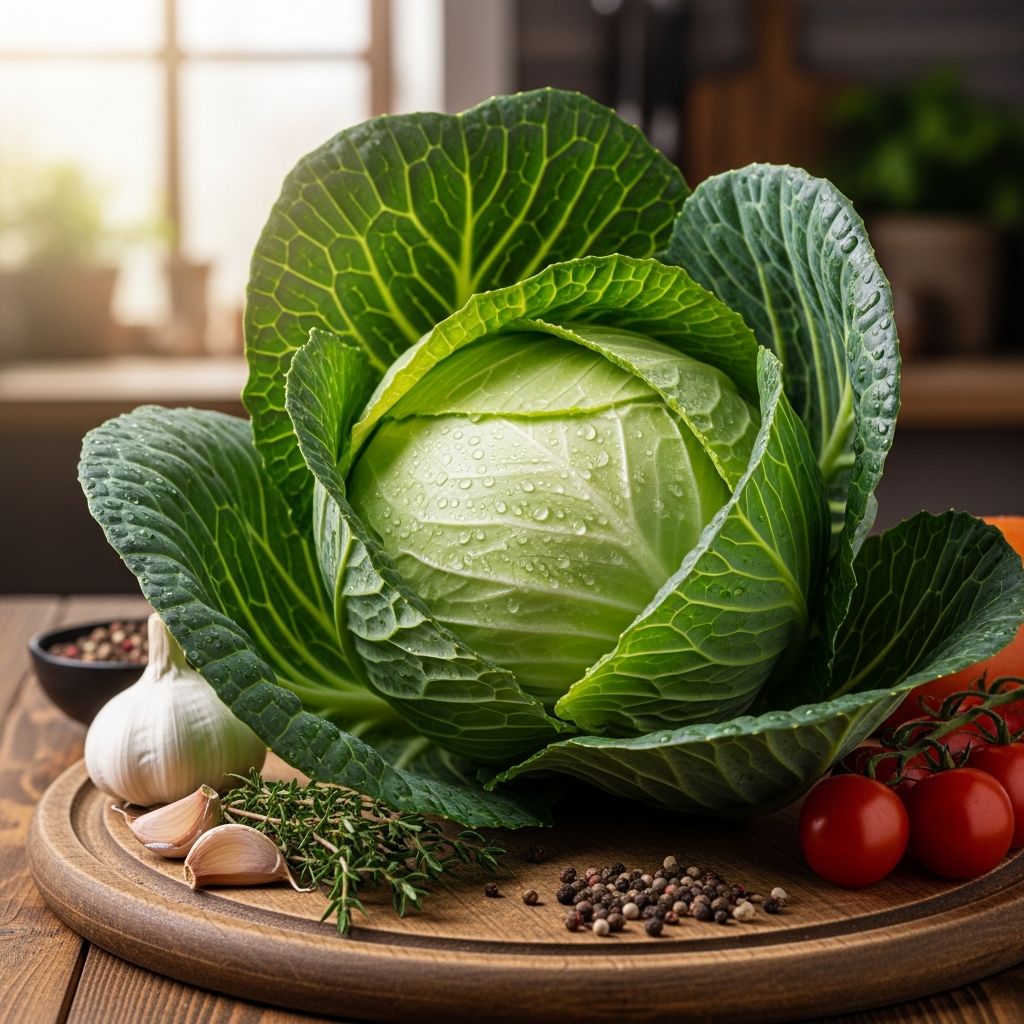
Cabbage, a versatile cruciferous vegetable, offers a wealth of health benefits backed by its rich nutrient profile. Low in calories yet high in vitamins, minerals, and antioxidants, it supports everything from immune function to heart health.
Nutrition Facts of Cabbage
One cup (89 grams) of chopped raw green cabbage provides just 22 calories while delivering essential nutrients. It contains 50% of the daily value (DV) for vitamin C, 85% DV for vitamin K, significant vitamin B6, folate, potassium, and fiber. Red cabbage adds anthocyanins, powerful antioxidants that contribute to its vibrant color and anti-inflammatory effects.
- Vitamin C: Boosts collagen production, immune function, and iron absorption.
- Vitamin K: Essential for blood clotting and bone health.
- Fiber: Supports digestion and gut bacteria.
- Potassium: Helps regulate blood pressure.
- Anthocyanins and polyphenols: Combat oxidative stress and inflammation.
These nutrients make cabbage a powerhouse for overall wellness, with red and purple varieties offering extra protective compounds.
8 Impressive Health Benefits of Cabbage
1. Rich in Nutrients but Low in Calories
Cabbage stands out for its nutrient density. A single cup packs vitamins B6 and folate crucial for energy metabolism and nervous system health, alongside fiber and sulfur compounds. At only 22 calories per serving, it’s ideal for weight management without sacrificing nutrition.
2. Excellent Source of Vitamin C
Vitamin C in cabbage acts as a potent antioxidant, protecting cells from free radical damage linked to heart disease, cancer, and vision loss. It supports collagen synthesis for skin, bones, and blood vessels, enhances iron absorption from plants, and bolsters immunity.
3. May Reduce Inflammation
Cruciferous vegetables like cabbage contain antioxidants that lower chronic inflammation markers. Studies show higher intake correlates with reduced inflammation in blood tests, potentially lowering risks for related diseases.
4. Improves Digestion
Packed with insoluble fiber and phytosterols, cabbage promotes regular bowel movements and feeds beneficial gut bacteria like Bifidobacteria and Lactobacilli. These microbes produce vitamins K2 and B12 while protecting the immune system. Fermented forms like sauerkraut amplify probiotic benefits.
5. Supports Heart Health
Anthocyanins in cabbage—over 36 types identified—reduce inflammation, a key driver of heart disease. They help lower LDL cholesterol and blood pressure, with potassium providing 6-9% DV per serving to maintain healthy ranges.
6. May Lower “Bad” Cholesterol
Fiber and phytosterols in cabbage compete with LDL cholesterol for absorption, reducing its levels and arterial buildup risk. This dual action supports cardiovascular health effectively.
7. Provides a Significant Amount of Vitamin K
One cup delivers 85% DV of vitamin K, vital for bone mineralization and blood clotting. Deficiency risks osteoporosis and bleeding issues, but regular cabbage intake helps maintain optimal levels.
8. May Have Cancer-Fighting Properties
Phytochemicals like glucosinolates break down into cancer-fighting compounds during digestion. Animal studies and sulfur compounds like sinigrin suggest protection against certain cancers, though more human research is needed.
How to Add More Cabbage to Your Diet
Related Stories



Incorporate cabbage easily into meals for maximum benefits. Start raw in salads for crunch, or cook lightly to preserve nutrients.
- Salads: Shred for coleslaw with vinegar dressing.
- Stir-fries: Sauté with garlic and soy sauce.
- Soups: Add to vegetable broths.
- Fermented: Try kimchi or sauerkraut for probiotics.
- Roasted: Wedge and oven-bake with oil and herbs.
- Wraps: Use leaves as low-carb tortillas.
Choose fresh, firm heads; green for mild flavor, red for antioxidants. Store in the fridge up to two weeks.
Potential Downsides and Precautions
Increase intake gradually to avoid gas from fiber and sulfur compounds. Stay hydrated to prevent constipation. Those on blood thinners should monitor vitamin K consistency, as it affects clotting. Cabbage is safe for most, but overconsumption may cause thyroid issues due to goitrogens—cooking reduces this risk.
Frequently Asked Questions (FAQs)
What are the top health benefits of cabbage?
Cabbage boosts immunity with vitamin C, aids digestion via fiber, supports heart health through anthocyanins and potassium, strengthens bones with vitamin K, and offers anti-inflammatory and potential anti-cancer effects.
Is cabbage good for weight loss?
Yes, its low calories (22 per cup), high fiber, and water content promote satiety, making it excellent for weight management.
Does cooking cabbage reduce its nutrients?
Light cooking preserves most vitamins; steaming or stir-frying is best. Vitamin C is heat-sensitive, so raw or minimally cooked maximizes it.
Can cabbage lower blood pressure?
Potassium in cabbage helps regulate blood pressure by countering sodium. Red cabbage provides up to 9% DV per serving.
Is red cabbage healthier than green?
Red cabbage has more antioxidants like anthocyanins, enhancing heart and anti-inflammatory benefits, but both are nutrient-rich.
Why Cabbage Deserves a Spot in Your Diet
Versatile, affordable, and packed with evidence-based benefits, cabbage outperforms its humble appearance. From immune support to disease prevention, its profile rivals superfoods. Add it regularly for optimal health—raw, cooked, or fermented.
This vegetable’s sulfur compounds, polyphenols, and vitamins position it as a staple. Studies continue to uncover its potential, but current data affirms its role in reducing inflammation, cholesterol, and chronic disease risk.
References
- 8 Health Benefits of Cabbage — Cleveland Clinic Health Essentials. 2023. https://health.clevelandclinic.org/benefits-of-cabbage
- 9 Impressive Health Benefits of Cabbage — Healthline. 2024-03-06. https://www.healthline.com/nutrition/benefits-of-cabbage
- Healthy Bytes Article March 2018 Cabbage — Advanced Health. 2018-03. https://advancedhealth.com/wp-content/uploads/2018/03/Mar-Article-Cabbage.pdf
Similar Articles








Read full bio of medha deb