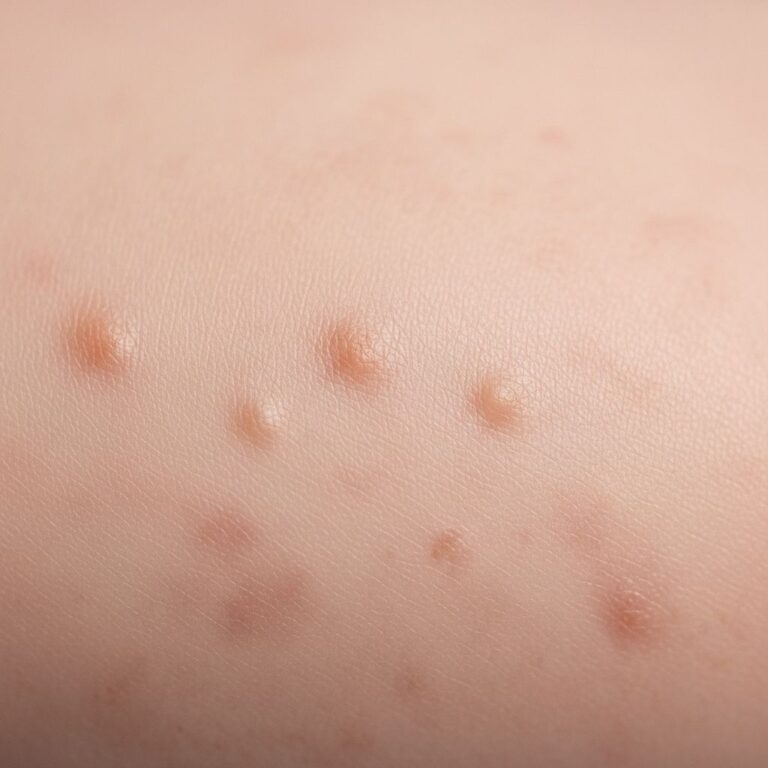
Café-Au-Lait Spots: Understanding Birthmarks
Learn about café-au-lait spots, harmless pigmented birthmarks and their connection to genetic conditions.
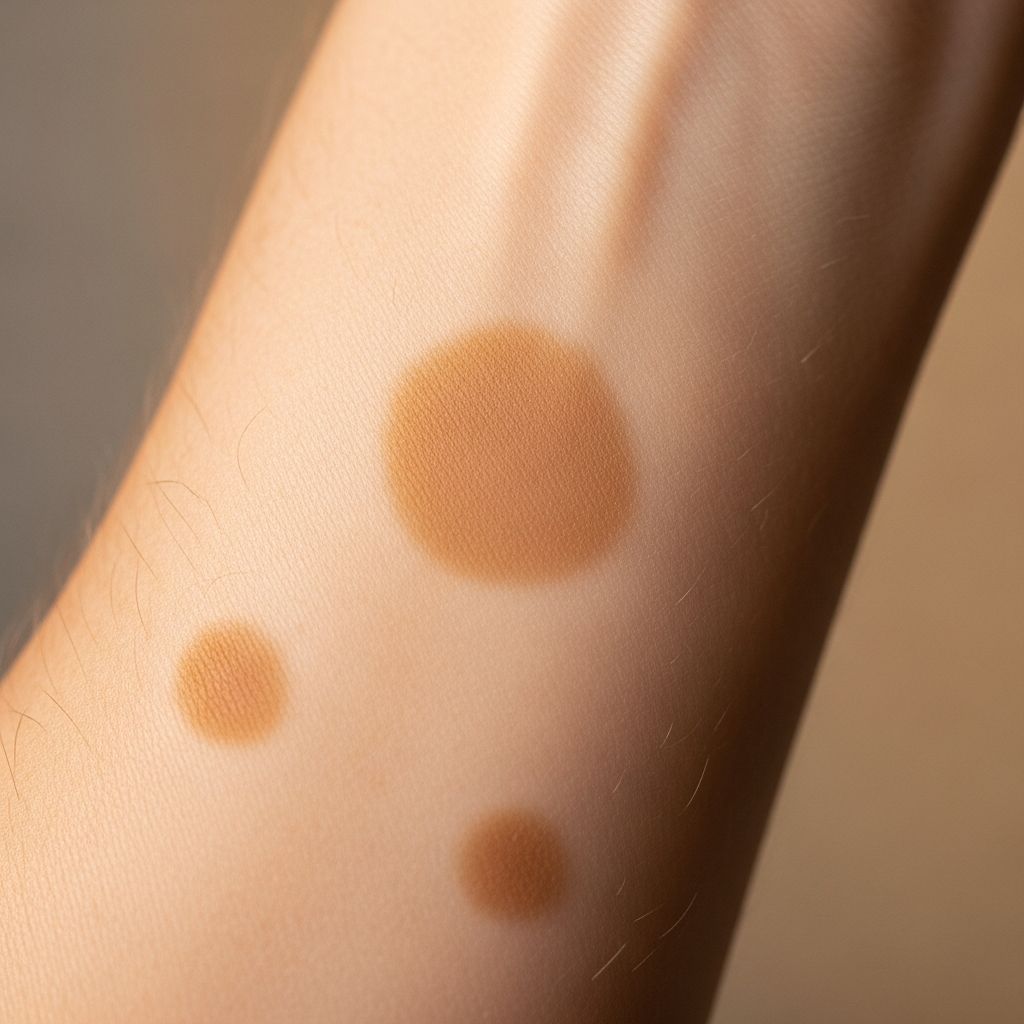
Understanding Café-Au-Lait Spots
Café-au-lait spots are pigmented birthmarks that appear as flat, light to dark brown patches on the skin that differ from the surrounding skin tone. The term “café-au-lait” is French for “coffee with milk,” which perfectly describes the creamy brown color of these harmless skin lesions. These birthmarks are benign, non-cancerous, and do not cause any symptoms or discomfort to those who have them. Café-au-lait spots are common in the general population and can affect anyone, regardless of age, gender, or ethnicity. While most people with a few café-au-lait spots have no underlying health concerns, the presence of multiple spots may warrant medical evaluation to rule out associated genetic conditions.
What Are Café-Au-Lait Spots?
Café-au-lait macules (CALMs) are flat, hyperpigmented skin lesions that are typically permanent fixtures on the skin. These spots are characterized by a sharp, well-defined border that distinguishes them from surrounding skin tissue. The size of café-au-lait spots can range considerably, from just a few millimeters in diameter to more than 20 centimeters, making them highly variable in appearance from person to person.
The color of these birthmarks is consistently light to dark brown, though the exact shade may vary depending on an individual’s skin tone and genetic factors. These spots are always noticeably darker than the surrounding skin, regardless of a person’s ancestry or racial background. Importantly, café-au-lait spots should not be confused with rashes or other skin conditions, as they do not result from allergic reactions and do not produce symptoms like itching or inflammation.
Characteristics and Appearance
Café-au-lait spots have several distinctive features that help differentiate them from other skin conditions:
- Flat, smooth appearance on the skin surface
- Light to dark brown coloration resembling coffee with milk
- Sharply defined borders separating them from surrounding skin
- Usually oval or irregular in shape
- Can appear anywhere on the body, with common locations being the trunk and extremities
- Permanent in nature, though they may change over time
- More visible with age, particularly after two years of life
- May become more noticeable when exposed to sunlight
When Do Café-Au-Lait Spots Appear?
Café-au-lait spots are congenital, meaning they are present from birth, though they may be difficult to see on a newborn’s skin due to the inherent coloration of infant skin. As a baby grows and their skin develops, these birthmarks typically become more visible and apparent. Most café-au-lait spots become noticeably visible by around two years of age, though some may not become apparent until later in childhood.
While these spots are usually present from birth, it is also common for additional café-au-lait spots to develop during early life. After childhood, the development of new spots typically ceases, though existing spots may continue to grow or change in appearance throughout a person’s lifetime. The spots may increase in size and potentially become darker as a person ages and their skin is exposed to environmental factors like sun exposure.
What Causes Café-Au-Lait Spots?
Café-au-lait spots result from an increase in the number of melanocytes—the skin cells responsible for producing melanin, the protective pigment that darkens the skin—in the epidermis, the thin outer layer of the skin. This concentration of melanin-producing cells creates the characteristic brown discoloration visible on the skin’s surface. However, the precise reason why this increase in melanocyte cells occurs remains unknown, representing an area of ongoing dermatological research.
Related Stories



The development of these spots is not triggered by any external factors such as sun exposure, allergic reactions, or injuries. Rather, they appear to be intrinsic to the development of the skin itself. Most commonly, café-au-lait spots develop as benign, isolated skin lesions without any connection to underlying systemic conditions. However, when multiple café-au-lait spots are present, they may indicate an underlying genetic syndrome affecting the skin and nervous system.
Associated Genetic Conditions
While a few café-au-lait spots are common and typically harmless, the presence of multiple spots can be a clinical indicator of underlying genetic conditions. The most significant association is with neurofibromatosis type 1 (NF1), where more than six café-au-lait spots are present in approximately 95% of people diagnosed with this condition. Having six or more café-au-lait spots is considered a major diagnostic criterion for NF1, though additional features are required for a definitive diagnosis.
Other genetic syndromes and conditions that may present with café-au-lait spots include:
- McCune-Albright syndrome
- Noonan syndrome
- Tuberous sclerosis
- Ataxia-telangiectasia
- Fanconi anemia
- Chédiak-Higashi syndrome
- Wiskott-Aldrich syndrome
- Silver-Russell syndrome
- Bloom syndrome
- Basal cell nevus syndrome
Additionally, familial isolated café-au-lait macules represent a rare condition characterized by the presence of multiple café-au-lait spots without any other manifestations of neurofibromatosis or systemic disorders. In these cases, the spots run in families but do not indicate an underlying genetic syndrome requiring treatment or management.
Is It Normal to Have Café-Au-Lait Spots?
Yes, it is very common for people to have a few café-au-lait spots on their bodies without having any underlying condition such as neurofibromatosis type 1. Studies indicate that having a small number of café-au-lait spots is a normal variant of human skin and does not warrant medical concern. The key distinction lies in the number of spots present on the body.
The general guideline is that having fewer than six café-au-lait spots is considered normal and benign in the general population. However, if an individual develops more than six café-au-lait spots, particularly spots greater than 5 mm in diameter before puberty or 15 mm after puberty, this may indicate a need for further medical evaluation to assess for associated genetic conditions.
Treatment and Management
Café-au-lait spots do not require treatment since they are benign, non-cancerous lesions that do not cause any symptoms or health complications. These harmless birthmarks will not affect your body and do not pose any medical risk. Since they are permanent features of the skin, they cannot be removed through standard medical treatments.
However, if someone wishes to address the appearance of café-au-lait spots for cosmetic reasons, dermatological consultations may explore options such as laser therapy or other specialized treatments. The primary focus of medical management is identifying any underlying genetic conditions associated with multiple café-au-lait spots rather than treating the spots themselves.
When to Seek Medical Attention
While café-au-lait spots themselves are harmless, certain circumstances warrant consultation with a healthcare provider:
- Your child has more than six café-au-lait spots on their body
- The spots appear swollen, bumpy, or lumpy to the touch
- The spots increase significantly in size
- The number of spots increases over time
- You notice additional symptoms associated with genetic syndromes
- You develop multiple café-au-lait spots later in life without explanation
Additional symptoms that may accompany café-au-lait spots in cases of underlying conditions include freckles in unusual locations such as the armpits or around the tops of legs, as well as lumps on or under the skin that may be painful or itchy. If you or your child experience any of these symptoms alongside café-au-lait spots, medical evaluation is recommended.
Prognosis and Long-Term Outlook
Café-au-lait spots are typically permanent skin features that will remain with an individual throughout their lifetime. However, the spots may change in appearance over time. They may increase in size or become darker, particularly with sun exposure, though this varies among individuals. In some cases, the number of spots may also increase, though this typically occurs during childhood and early life rather than in adulthood.
The long-term prognosis for individuals with café-au-lait spots is excellent. Since these are benign lesions, they do not pose any health risks or complications. They will not develop into cancerous growths or cause systemic illness. The primary consideration for long-term management involves monitoring for the development of any additional symptoms that might suggest an associated genetic condition.
Frequently Asked Questions
Q: Can café-au-lait spots appear after birth?
A: Yes. While café-au-lait spots are congenital and present from birth, they may not be immediately visible on newborn skin. It is also common for café-au-lait spots to develop on a person’s skin later in life. If you notice the development of multiple café-au-lait spots at any age, consult your healthcare provider.
Q: Are café-au-lait spots a form of rash?
A: No. Although they may resemble a rash in appearance, café-au-lait spots are not the result of allergic reactions or skin irritation. They differ from rashes based on their distinctive light to dark brown color, whereas rashes typically present as pink to red. Additionally, café-au-lait spots do not produce symptoms like itching or inflammation associated with typical rashes.
Q: Can café-au-lait spots be removed?
A: Café-au-lait spots are permanent birthmarks and cannot be removed through standard medical treatments. However, some individuals may explore cosmetic options such as laser therapy for appearance-related concerns. These should be discussed with a dermatologist.
Q: How many café-au-lait spots indicate a genetic condition?
A: Having more than six café-au-lait spots can be a sign of an underlying genetic condition. Specifically, six or more spots greater than 5 mm in diameter before puberty or 15 mm after puberty is a diagnostic criterion for neurofibromatosis type 1. However, it is also possible to have multiple café-au-lait spots without any associated genetic condition.
Q: Do café-au-lait spots require medical treatment?
A: No. Café-au-lait spots are benign and harmless, requiring no medical treatment. However, if you have more than six spots or notice changes in their appearance or number, consult your healthcare provider to evaluate for potential underlying conditions.
Q: Are café-au-lait spots visible on all skin tones?
A: Café-au-lait spots are always darker than the surrounding skin regardless of ancestry or race. However, they may be harder to see on darker skin tones, particularly on brown or black skin. If you suspect café-au-lait spots on darker skin, professional dermatological evaluation can confirm their presence.
References
- Café-Au-Lait Spots — Cleveland Clinic. 2024. https://my.clevelandclinic.org/health/diseases/22627-cafe-au-lait-spots
- Cafe Au Lait Macules – StatPearls — National Center for Biotechnology Information. 2023. https://www.ncbi.nlm.nih.gov/books/NBK557492/
- Neurofibromatosis type 1 – Symptoms and causes — Mayo Clinic. 2024. https://www.mayoclinic.org/diseases-conditions/neurofibromatosis-type-1/symptoms-causes/syc-20350490
- Café-au-lait macule — DermNet NZ. 2024. https://dermnetnz.org/topics/cafe-au-lait-macule
- Neurofibromatosis type 1 (NF1) — National Health Service. 2024. https://www.nhs.uk/conditions/neurofibromatosis-type-1/
- Familial isolated café-au-lait macules — Orphanet. 2024. https://www.orpha.net/en/disease/detail/2678
- What are Café Au Lait Spots — Children’s Tumor Foundation. 2024. https://www.ctf.org/cafeaulait/
Similar Articles








Read full bio of Sneha Tete