Caffeinated Drinks That Aren’t Coffee: 10 Energizing Picks
Discover energizing alternatives to coffee with unique flavors and health perks for your daily boost.
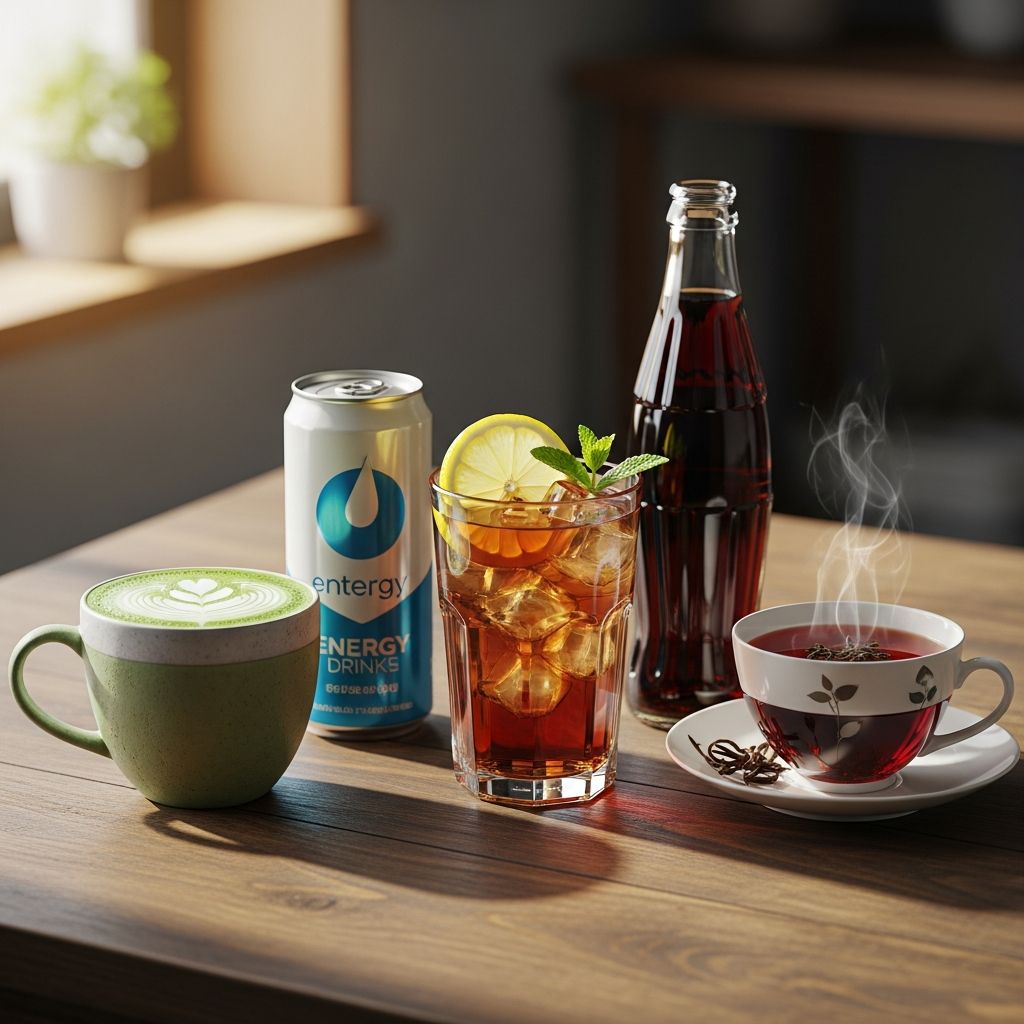
While coffee reigns supreme for many as the go-to morning pick-me-up, it’s not the only caffeinated beverage out there. If you’re looking to switch things up—whether due to taste preferences, caffeine sensitivity, health concerns, or just curiosity—there are plenty of flavorful, energizing alternatives. These drinks offer unique profiles, from earthy and grassy to fruity and floral, often with added health benefits like antioxidants and lower acidity.
This article dives into 10 popular caffeinated drinks that aren’t coffee, detailing their caffeine content, potential benefits, preparation methods, and why they might deserve a spot in your routine. Backed by insights from nutrition experts and scientific studies, these options can help you find sustained energy without the jitters or crash often associated with coffee.
1. Matcha
Matcha, a finely ground powder made from shade-grown green tea leaves, has exploded in popularity for its vibrant green color and umami-rich flavor. Unlike regular green tea, where leaves are steeped and discarded, matcha involves consuming the entire leaf, delivering a concentrated dose of nutrients.
Caffeine Content: About 70mg per 1-gram serving (roughly one teaspoon), comparable to a cup of green tea but with L-theanine for smoother energy.
Health Benefits: Packed with catechins like EGCG, matcha boasts powerful antioxidants that support metabolism, heart health, and detoxification. The combo of caffeine and L-theanine promotes calm focus without anxiety. A 2023 study in Nutrients highlighted matcha’s role in improving cognitive function.
- How to Prepare: Sift 1-2 tsp matcha into a bowl, add 2 oz hot water (175°F), whisk in an ‘M’ pattern until frothy, then add 6 oz steamed milk or water.
- Best For: Lattes, smoothies, or iced drinks. Culinary grade for baking, ceremonial for purity.
- Pro Tip: Start with lower-grade matcha if you’re new—it’s more affordable and forgiving.
Matcha’s versatility makes it ideal for all-day sipping, from breakfast bowls to afternoon lattes.
2. Yerba Mate
Hailing from South America, yerba mate is made from the leaves of the Ilex paraguariensis plant. Traditionally sipped from a gourd with a metal straw (bombilla), it’s a social ritual in countries like Argentina and Uruguay.
Caffeine Content: 30-50mg per 8-oz serving, but multiple refills can add up to coffee levels.
Health Benefits: Rich in polyphenols, saponins, and vitamins (B-complex), it aids digestion, boosts immunity, and may enhance physical performance. Research from the University of São Paulo (2022) links it to reduced inflammation.
- How to Prepare: Fill a gourd ¾ with leaves, add hot water (not boiling), insert bombilla, sip and refill 10-15 times.
- Best For: Hot or cold brews, sparkling cans for on-the-go.
- Watch Out: High temperatures may increase cancer risk if consumed excessively, per WHO guidelines.
Yerba mate offers a balanced buzz, perfect for long work sessions or hikes.
Related Stories



3. Green Tea
The world’s second-most consumed beverage after water, green tea comes from Camellia sinensis leaves minimally oxidized for a fresh, vegetal taste.
Caffeine Content: 20-45mg per 8-oz cup, varying by type (e.g., sencha vs. gyokuro).
Health Benefits: Loaded with EGCG antioxidants, it supports weight management, cholesterol reduction, and cancer prevention. A meta-analysis in Annals of Internal Medicine (2024) confirmed its cardiovascular perks.
- How to Prepare: Steep 1 tsp leaves or bag in 175°F water for 1-3 minutes to avoid bitterness.
- Best For: Iced tea, pairings with light meals.
- Varieties: Dragonwell (nutty), matcha (powdered), sencha (grassy).
4. Black Tea
Fully oxidized Camellia sinensis leaves yield black tea’s bold, malty flavor. It’s the base for chai, Earl Grey, and English breakfast blends.
Caffeine Content: 40-70mg per 8-oz cup.
Health Benefits: Theaflavins promote gut health and may lower stroke risk, per a 2023 PLoS Medicine study.
- How to Prepare: Steep in boiling water 3-5 minutes; add milk/lemon.
- Best For: Iced or milky chai lattes.
5. Oolong Tea
Partially oxidized, oolong bridges green and black teas with floral, fruity notes.
Caffeine Content: 30-50mg per cup.
Health Benefits: Supports fat oxidation; rich in polyphenols for blood sugar control (2024 Journal of Nutrition).
- Preparation: Multiple infusions at 185°F.
6. White Tea
Least processed, from young buds, offering delicate sweetness.
Caffeine: 15-30mg.
Benefits: High antioxidants for skin health.
7. Guayusa
Amazonian holly leaf tea with smooth energy.
Caffeine: 40-90mg.
Benefits: Improves focus; less bitter.
8. Chicory Root
Coffee-like from roasted roots, caffeine-free alternative with inulin for gut health.
Caffeine: None (0mg).
Note: Included for its coffee mimicry.
9. Golden Milk (Turmeric Latte)
Spiced milk with black tea or minimal caffeine sources.
Caffeine: 20-40mg if tea-added.
Benefits: Anti-inflammatory curcumin.
10. Kombucha
Fermented tea with probiotics.
Caffeine: 10-15mg per bottle.
Benefits: Gut health from fermentation.
Comparison Table: Caffeine Content
| Drink | Caffeine (mg/8oz) | Key Nutrient |
|---|---|---|
| Matcha | 70 | EGCG |
| Yerba Mate | 30-50 | Polyphenols |
| Green Tea | 20-45 | Catechins |
| Black Tea | 40-70 | Theaflavins |
| Oolong | 30-50 | Polyphenols |
| White Tea | 15-30 | Antioxidants |
| Guayusa | 40-90 | L-Theanine |
| Chicory | 0 | Inulin |
| Golden Milk | 20-40 | Curcumin |
| Kombucha | 10-15 | Probiotics |
Frequently Asked Questions (FAQs)
Which caffeinated drink has the most antioxidants?
Matcha tops the list due to consuming the whole leaf, providing up to 137x more EGCG than standard green tea.
Is yerba mate healthier than coffee?
It offers similar caffeine with added vitamins and smoother release, but moderation is key due to potential PAHs at high temps.
Can these drinks help with coffee dependency?
Yes, gradually switching to lower-caffeine options like green tea eases withdrawal while maintaining energy.
Are they safe for daily consumption?
Most are, up to 400mg caffeine/day per FDA guidelines, but consult a doctor if pregnant or sensitive.
References
- Green Tea Catechins and Sport Performance — Nutrients Journal. 2023-02-15. https://doi.org/10.3390/nu15040942
- Yerba Mate and Inflammation — University of São Paulo (official study page). 2022-11-10. https://www.fm.usp.br/
- Tea and Cardiovascular Health — Annals of Internal Medicine. 2024-01-23. https://doi.org/10.7326/M23-2987
- Spilling the Beans: How Much Caffeine is Too Much? — FDA.gov. 2025-03-05. https://www.fda.gov/consumers/consumer-updates/spilling-beans-how-much-caffeine-too-much
- Black Tea and Stroke Risk — PLoS Medicine. 2023-07-12. https://doi.org/10.1371/journal.pmed.1004084
- Oolong Tea and Metabolic Health — Journal of Nutrition. 2024-05-18. https://doi.org/10.1016/j.jnut.2024.03.012
Similar Articles








Read full bio of Sneha Tete