Calcitriol Ointment for Psoriasis (Silkis)
Effective topical vitamin D treatment for mild to moderate plaque psoriasis, reducing scaling and inflammation safely.
About calcitriol
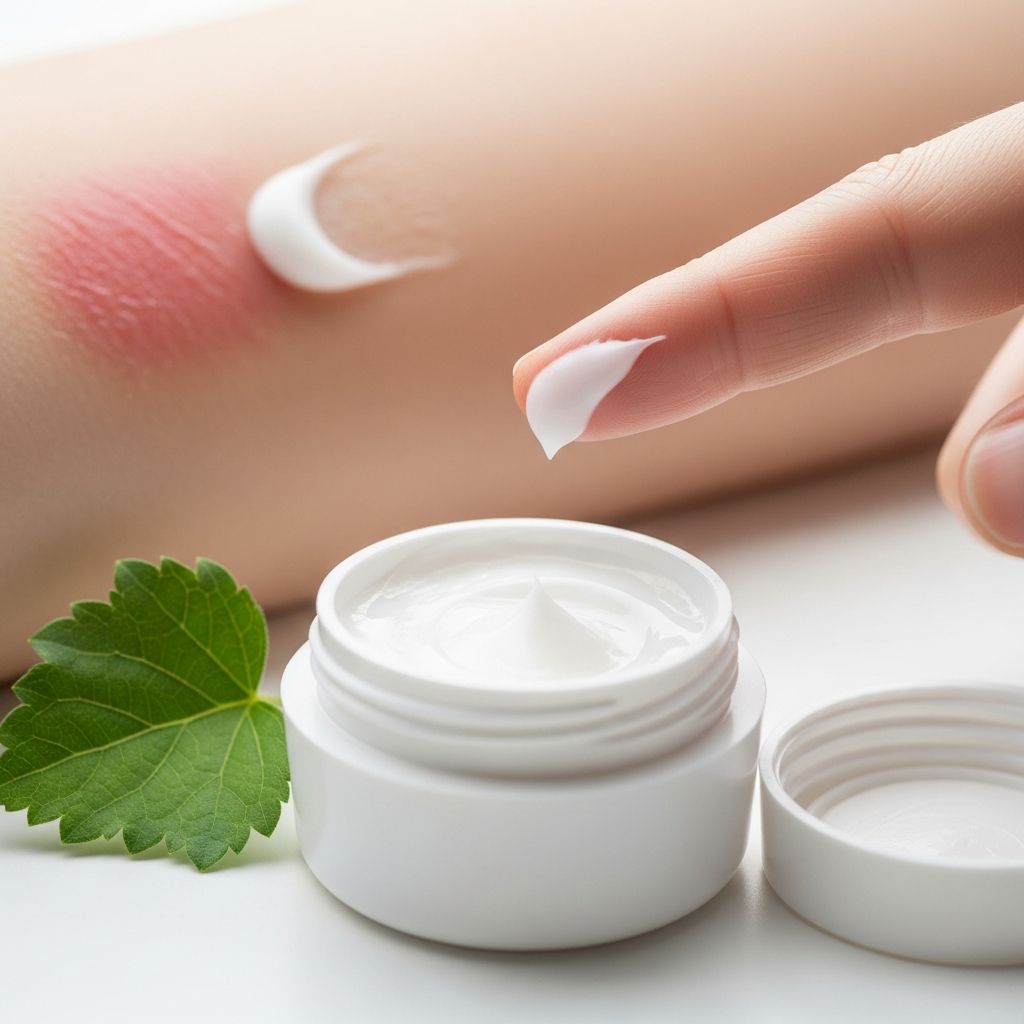
Calcitriol ointment is a topical vitamin D analogue used primarily to treat plaque psoriasis in adults and children aged over 12 years. Also known by the brand name Silkis®, it is available as an ointment. Plaque psoriasis, the most common form of this chronic skin condition, manifests as red, scaly patches or plaques typically on the elbows, knees, scalp, and lower back. These patches can itch, cause soreness, and vary in size.
Psoriasis occurs when skin cells in the outer layer multiply up to 10 times faster than normal, leading to buildup of dead cells that form thick, scaly plaques. Calcitriol slows this rapid cell turnover by mimicking vitamin D, which is vital for skin health. It binds to vitamin D receptors on keratinocytes (skin cells), normalizing growth and reducing inflammation, redness, and scaling.
Unlike oral calcitriol capsules used for bone disorders, this topical form targets skin directly with minimal systemic absorption when used as directed. Clinical studies show it effectively clears plaques in mild to moderate cases covering up to 35% of body surface area, often within 2-8 weeks.
How to use calcitriol
Before starting, read the manufacturer’s patient information leaflet for detailed instructions and side effect lists. Always follow your doctor’s or pharmacist’s advice.
- Wash and dry the affected skin areas thoroughly.
- Apply a thin layer of ointment twice daily: once in the morning and once in the evening (e.g., before bed).
- Gently rub in until no visible residue remains, but do not use on healthy skin, face (unless advised), eyes, lips, or mucous membranes like the vagina.
- Limit usage: Do not exceed 30g per day or apply to more than one-third of your body surface area (roughly one arm and one leg). This minimizes absorption risks.
- Wash hands thoroughly with soap and water after application to avoid spreading to unaffected areas, which could cause irritation.
- Avoid occlusion: Do not cover treated areas with bandages or dressings unless instructed, as this increases absorption.
Improvement typically begins within 2 weeks, with full benefits in 4-8 weeks. Continue as prescribed even if symptoms improve, and do not stop abruptly without medical advice. If no improvement after 4-6 weeks, consult your doctor for alternatives. For facial use (if prescribed), apply very sparingly due to higher irritation risk.
Key facts about calcitriol ointment
| Aspect | Details |
|---|---|
| Type | Topical vitamin D analogue (non-steroidal) |
| Brand | Silkis® (3 micrograms/g concentration) |
| Indications | Mild-moderate plaque psoriasis (up to 35% body area) in adults & children >12 years |
| Dosage | Thin layer twice daily; max 30g/day |
| Onset | Visible improvement in 2 weeks; full effect 4-8 weeks |
| Steroid-free? | Yes, unlike Betnovate® or Eumovate® |
What is psoriasis and how does calcitriol help?
Plaque psoriasis affects 80-90% of psoriasis patients, causing well-defined red plaques covered with silvery scales. Common sites include elbows, knees, scalp, and lumbar area, but it can appear anywhere. Triggers include stress, infections, medications, or genetics, leading to immune-mediated hyperproliferation of skin cells.
Calcitriol, a synthetic vitamin D3 derivative, regulates keratinocyte differentiation and proliferation. It inhibits excessive skin cell production, reduces inflammation, and promotes shedding of scales. Unlike steroids, it has a favorable safety profile for long-term use in sensitive areas like the face or folds, with low risk of skin thinning. Double-blind trials confirm twice-daily application clears mild-moderate psoriasis effectively, comparable to other vitamin D analogues but better tolerated.
Related Stories



Who can use it and who should avoid?
Suitable for adults and children over 12 with mild-moderate plaque psoriasis not exceeding 35% body involvement. Not for severe, extensive disease or erythrodermic/guttate types.
Do not use if:
- You have hypercalcemia (high blood calcium) or vitamin D toxicity.
- Allergic to calcitriol or excipients.
- Pregnant or breastfeeding (unless benefits outweigh risks; consult doctor).
- Under 12 years.
- Using occlusive dressings or other absorption-enhancing products.
Caution in: Renal impairment, as it may affect calcium levels. Monitor blood/urine calcium if using large amounts long-term.
Side effects
Calcitriol is generally well-tolerated, with most issues being mild and local. No significant hypercalcemia in trials, but skin absorption occurs.
- Common (>1/100): Skin irritation, itching, redness, burning at application site (usually resolves; stop if severe).
- Rare: Erythema, dermatitis, dry skin, peeling.
- Systemic (very rare): Elevated calcium in blood/urine (hypercalciuria/hypercalcemia) with overuse; symptoms include nausea, fatigue, kidney issues.
If irritation worsens or systemic symptoms appear, discontinue and seek medical help. Report to your doctor.
How to store and dispose
Store below 25°C in original packaging, away from children. Do not use after expiry. Dispose unused ointment via pharmacy take-back programs, not household waste.
Precautions and interactions
- Avoid eyes/mouth; rinse if contact occurs.
- Do not combine with other vitamin D products or calcium supplements without advice.
- Phototherapy: Safe in combination for moderate cases.
- Sun exposure: No increased sensitivity, but use sunscreen.
- Monitoring: Periodic calcium checks for prolonged/large-area use.
Alternatives
Other topicals: Calcipotriol (Dovonex®), tacalcitol, steroids (short-term), coal tar, salicylic acid. For severe cases: Phototherapy, methotrexate, biologics.
Frequently Asked Questions (FAQs)
Can children use Silkis?
Yes, for those over 12 years with mild-moderate psoriasis; not recommended under 12.
Is Silkis a steroid?
No, it’s a steroid-free vitamin D analogue, safer for long-term/sensitive skin use.
How quickly does it work?
Improvement in 2 weeks; optimal results in 4-8 weeks with consistent use.
Can I use it on my face?
Only if prescribed; apply thinly to avoid irritation.
What if I overuse it?
Risk of high calcium levels; stick to max 30g/day and 35% body area.
References
- Calcitriol ointment for psoriasis – Patient.info — Patient.info. 2023. https://patient.info/medicine/calcitriol-ointment-for-psoriasis-silkis
- Calcitriol ointment: a review of a topical vitamin D analog for psoriasis — PubMed (Therapeutics and Clinical Risk Management). 2009-05-12. https://pubmed.ncbi.nlm.nih.gov/19444692/
- Silkis (calcitriol) Product Monograph — Galderma. 2019-09-16. https://www.galderma.com/sites/default/files/inline-files/Silkis%20(calcitriol)%20PM_E_Sep%2016,%202019.pdf
- Calcitriol Topical: MedlinePlus Drug Information — MedlinePlus (U.S. National Library of Medicine). 2023. https://medlineplus.gov/druginfo/meds/a613046.html
- Silkis 3 micrograms/g ointment – Summary of Product Characteristics — HPRA (Health Products Regulatory Authority). 2023. https://assets.hpra.ie/products/Human/19166/da753015-8ec4-4f1f-9d33-ae071540fe03.pdf
- Details for SILKIS – Drug and Health Product Register — Health Canada. 2023. https://hpr-rps.hres.ca/details.php?drugproductid=1242
Similar Articles








Read full bio of medha deb