Calcium And Iron Absorption: 5 Tips To Optimize Intake
Explore how calcium impacts iron absorption, recommended intakes, and strategies for optimal nutrient balance in your diet.
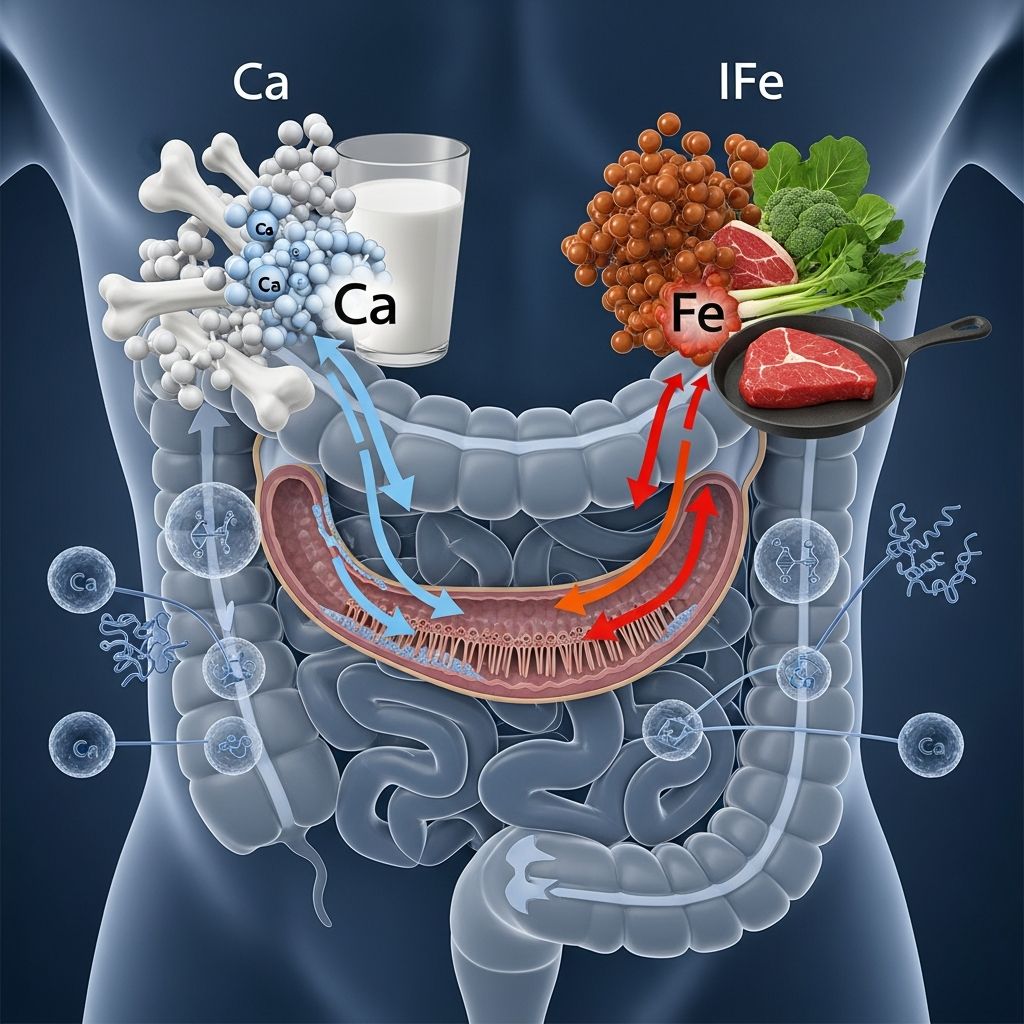
Calcium and iron are essential minerals critical for bone health, oxygen transport, and overall well-being, but their absorption in the body can interact in complex ways. Research shows that calcium can temporarily inhibit iron absorption, raising concerns for populations at risk of iron deficiency, such as children and women. However, long-term studies indicate compensatory mechanisms that prevent adverse effects on iron status.
How Calcium Affects Iron Absorption
Calcium inhibits iron absorption primarily at the intestinal level. Studies on human subjects demonstrate that calcium, whether from salts or dairy products, reduces iron uptake regardless of the iron form—heme or non-heme. This interaction occurs in the gut lumen, affecting the divalent metal transporter 1 (DMT1) responsible for iron entry into enterocytes.
In cell culture models like Caco-2 human intestinal cells, short-term exposure to calcium (e.g., 100 µM CaCl2) decreases ferroportin (FPN) abundance at the basolateral membrane after 1.5 hours, leading to iron retention in cells and reduced efflux. By 4 hours, DMT1 and FPN expression rebound, suggesting adaptation. This transient effect explains why prolonged calcium supplementation does not impair hematological measures or iron status indicators in humans.
Whole-diet studies and multi-week trials generally show no significant impact of increased calcium on iron status, supporting the idea of compensatory mechanisms over time.
Recommended Daily Intake for Calcium and Iron
Daily requirements vary by age, sex, and life stage. The National Institutes of Health provides Dietary Reference Intakes (DRIs) for calcium, with Recommended Dietary Allowances (RDAs) ranging from 200 mg for infants to 1,300 mg for children aged 9-18 years, and 1,000-1,200 mg for adults.
| Age Group | Calcium RDA (mg/day) | Iron RDA (mg/day) – Women | Iron RDA (mg/day) – Men |
|---|---|---|---|
| Infants 0-6 months (AI) | 200 | 0.27 | 0.27 |
| Children 1-3 years | 700 | 7 | 7 |
| Adolescents 14-18 years | 1,300 | 15 | 11 |
| Adults 19-50 years | 1,000 | 18 | 8 |
| Adults 51+ years | 1,200 | 8 | 8 |
Note: Iron RDAs are higher for menstruating women due to blood loss. AIs (Adequate Intakes) apply where RDAs cannot be determined.
About 39-49% of U.S. individuals aged 4+ consume less than the Estimated Average Requirement (EAR) for calcium, highlighting widespread inadequacy.
Best Food Sources for Calcium and Iron
- Calcium-rich foods: Dairy products like milk, yogurt, and cheese provide highly bioavailable calcium. Non-dairy options include fortified plant milks, leafy greens (kale, broccoli), almonds, and tofu processed with calcium sulfate.
- Iron-rich foods: Heme iron from meat, poultry, and fish absorbs better (15-35%) than non-heme iron from plants (2-20%). Excellent sources: red meat, lentils, spinach, fortified cereals, and beans. Pair non-heme iron with vitamin C (citrus, peppers) to boost absorption.
To minimize interference, avoid consuming high-calcium foods simultaneously with iron-rich meals. For example, drink milk between meals rather than with iron supplements or steak.
Deficiency Symptoms and Health Risks
Related Stories



Calcium Deficiency (Hypocalcemia)
Hypocalcemia (serum calcium <8.5 mg/dL) often stems from vitamin D or magnesium shortages, hypoparathyroidism, or medications like proton pump inhibitors. Early signs include neuromuscular irritability: perioral numbness, tingling, muscle spasms. Severe cases lead to renal issues, seizures, heart failure, or coma.
Chronic low intake contributes to osteoporosis, with bone density loss accelerating post-menopause.
Iron Deficiency
Iron deficiency progresses to anemia, impairing oxygen delivery. Symptoms: fatigue, pale skin, shortness of breath, cognitive fog, restless legs. At-risk groups: menstruating women, pregnant individuals, vegetarians, athletes. Public health relevance is high, as iron deficiency affects growth and immunity in children.
Supplementation: When and How
Supplements are advisable if dietary intake falls short, but timing matters due to absorption competition. Take iron supplements on an empty stomach with vitamin C, separated from calcium by at least 2 hours.
Calcium-vitamin D combos (500-1,200 mg Ca + 400-800 IU Vit D daily) reduce fracture risk by 15-30% in older adults per meta-analyses of RCTs. Long-term Women’s Health Initiative data shows no increased cardiovascular risk from calcium up to the Upper Limit (UL: 2,000-2,500 mg/day).
Consult healthcare providers before starting, especially with conditions like kidney disease.
Special Considerations for At-Risk Populations
- Pregnant and lactating women: Need extra iron (27 mg/day) for fetal development and blood volume; calcium supports fetal bones.
- Children and adolescents: Peak bone growth demands high calcium (1,300 mg); growth spurts increase iron needs.
- Vegetarians/vegans: Rely on non-heme iron; enhance with vitamin C, inhibit with tea/coffee/tannins alongside calcium.
- Athletes: Higher iron losses via sweat/footstrike hemolysis; monitor ferritin levels.
Practical Tips to Balance Calcium and Iron
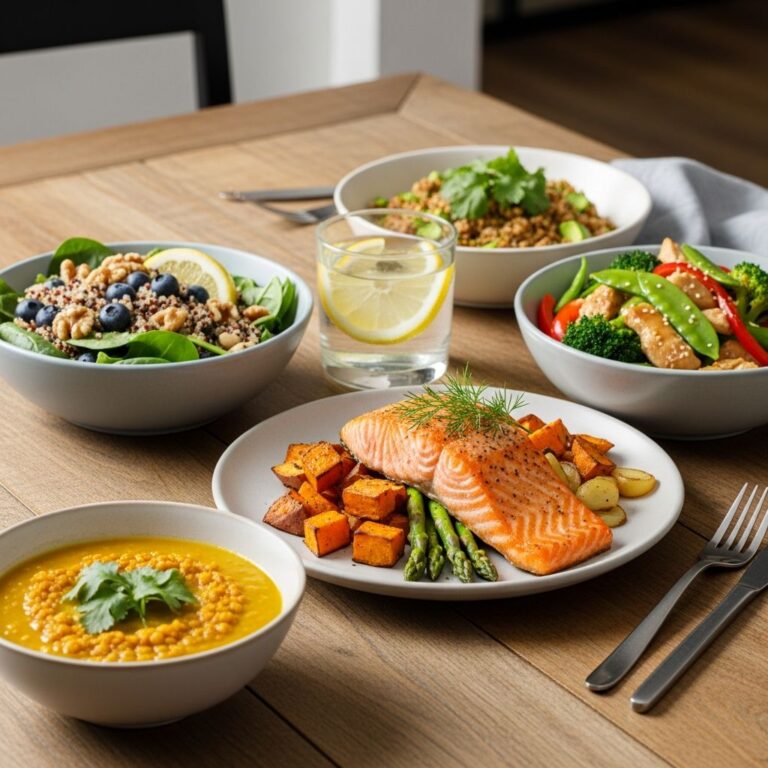
- Plan meals strategically: Iron-rich lunch (spinach salad with peppers), calcium snack later (yogurt).
- Choose fortified foods: Cereals with both minerals, but check labels.
- Monitor via blood tests: Serum ferritin for iron stores, ionized calcium for status.
- Enhance absorption: Vitamin C for iron, vitamin D/magnesium for calcium.
- Avoid excesses: Calcium UL 2,500 mg/day; iron overload risks toxicity.
Frequently Asked Questions (FAQs)
Does dairy milk block iron absorption?
Yes, calcium in milk inhibits both heme and non-heme iron uptake in single meals, but long-term dairy intake does not worsen iron status due to adaptation.
Can I take calcium and iron supplements together?
No, separate by 2+ hours to avoid competition. Iron best in morning, calcium evening.
Are plant-based calcium sources as good?
Bioavailability varies; kale offers more absorbable calcium than spinach due to lower oxalates.
How much calcium is too much?
Exceed UL (2,000-2,500 mg/day) risks kidney stones, hypercalcemia; stick to food-first.
Does calcium supplementation cause anemia?
No evidence from long-term human trials; short-term inhibition compensates over time.
Conclusion
Balancing calcium and iron requires awareness of their interaction but not undue worry. Prioritize diverse diets, strategic timing, and professional guidance for optimal health. Regular monitoring ensures deficiencies are caught early.
References
- Calcium and iron absorption–mechanisms and public health relevance — Bo Lönnerdal. 2010-10-31. https://pubmed.ncbi.nlm.nih.gov/21462112/
- Calcium – Health Professional Fact Sheet — Office of Dietary Supplements, National Institutes of Health. 2023-07-18. https://ods.od.nih.gov/factsheets/Calcium-HealthProfessional/
- The Effect of Calcium Consumption on Iron Absorption and Iron Status — Journal of Pediatric Gastroenterology and Nutrition. 2002. https://onlinelibrary.wiley.com/doi/abs/10.1046/j.1523-5408.2002.05505.x
Similar Articles








Read full bio of medha deb