Calcium And Potassium Relationship: 4 Key Health Benefits
Unraveling how calcium and potassium work together for heart health, bone strength, and blood pressure control.
Calcium and potassium are essential minerals that play interconnected roles in maintaining cardiovascular health, regulating blood pressure, and supporting bone strength. Their combined adequate intake from food sources has been linked to reduced risks of hypertension, stroke, and other chronic conditions, as evidenced by epidemiological and clinical studies.
What Is the Relationship Between Calcium and Potassium?
Dietary calcium and potassium exhibit synergistic effects on vascular function and blood pressure control. Inadequate intake of either mineral is associated with elevated blood pressure, but their combined presence in diets like the DASH (Dietary Approaches to Stop Hypertension) enhances cardiovascular benefits. For instance, calcium helps modulate vascular smooth muscle tone by influencing the renin-angiotensin system and sodium-potassium balance, while potassium promotes endothelial hyperpolarization and vasodilation.
Population studies consistently show inverse associations: higher intakes of both minerals correlate with lower blood pressure. A meta-analysis found that each 100 mg increase in calcium lowers systolic blood pressure by about 0.4 mm Hg, with food-derived calcium (e.g., dairy) showing stronger effects than supplements. Similarly, potassium reduces stroke risk by 40% per 10-mmol increase in intake. Their interplay is crucial, as low calcium may blunt potassium’s blood pressure-lowering effects.
Health Benefits of Calcium and Potassium
The duo supports multiple systems:
- Cardiovascular Protection: Potassium activates sodium-potassium pumps and calcium channels, causing endothelial hyperpolarization for vasodilation. Calcium boosts nitric oxide (NO) production, protecting endothelial function.
- Blood Pressure Regulation: Combined supplementation or intake lowers blood pressure more effectively than individually, though interactions can modulate effects.
- Stroke Prevention: High potassium and calcium intakes reduce stroke mortality; dairy calcium shows particularly strong inverse links.
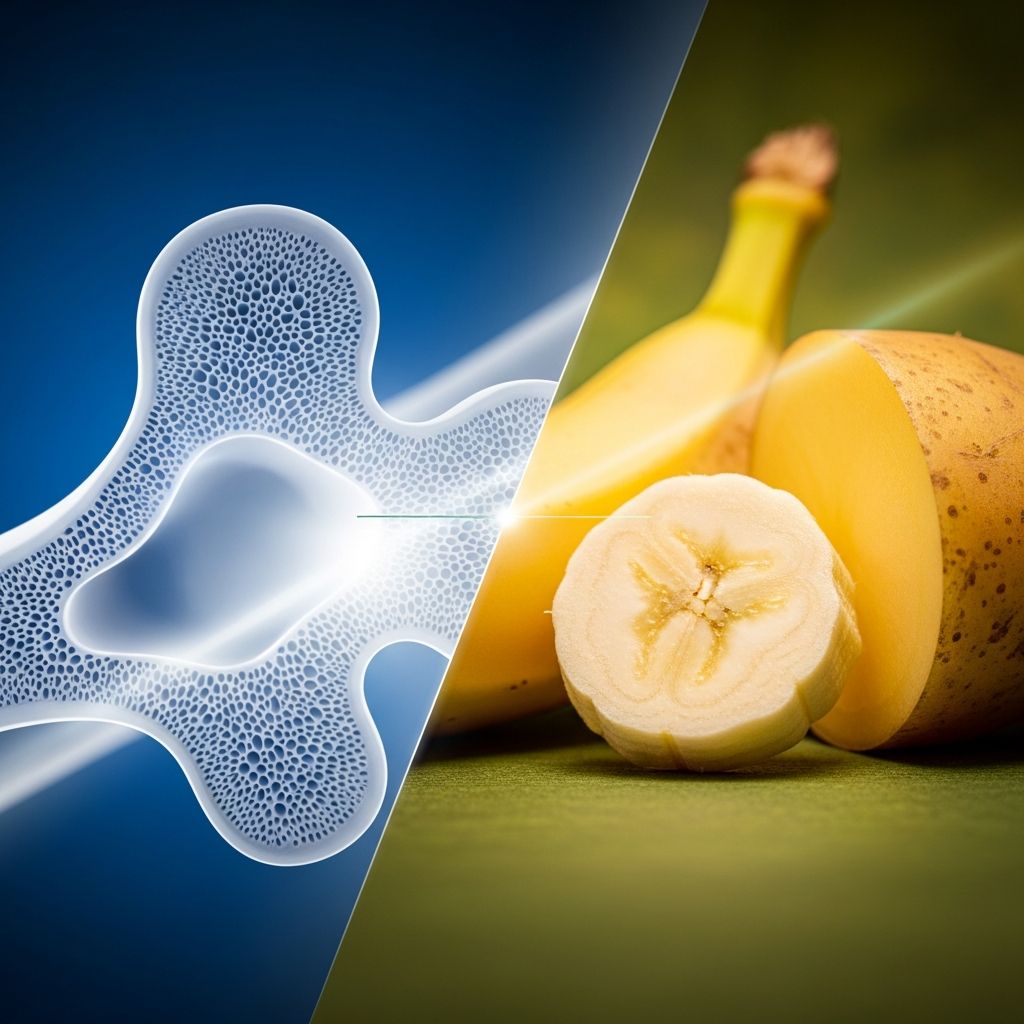
- Bone Health: Calcium builds bone density, while potassium from fruits and vegetables reduces urinary calcium loss, preserving skeletal integrity.
Studies like NHANES data reveal inverse associations with erectile dysfunction, suggesting broader vascular benefits. Overall, diets rich in both—emphasizing whole foods—cut cardiovascular disease risk.
How Calcium and Potassium Affect Blood Pressure
Calcium down-regulates renin-angiotensin activity, improves sodium-potassium balance, and elevates serum calcium ions essential for vasoactive substances like NO. Potassium counters high-salt diets by lowering endothelin-1, inhibiting sympathetic activity, and suppressing oxidative stress via NADPH oxidase.
Clinical trials confirm: Potassium alone reduces blood pressure significantly, but adding calcium and magnesium yields mixed results due to negative interactions in some groups. Epidemiologic data reinforce that deficiencies drive hypertension, with food sources outperforming supplements. A table summarizes key mechanisms:
| Mineral | Primary Mechanism | Blood Pressure Effect |
|---|---|---|
| Calcium | Renin-angiotensin modulation, NO production | Lowers by 0.4 mm Hg/100 mg |
| Potassium | Endothelial hyperpolarization, vasodilation | 40% stroke risk reduction/10 mmol |
| Combined | Synergistic vascular relaxation | Enhanced in DASH-like diets |
Related Stories



Food Sources of Calcium and Potassium
Incorporate both through nutrient-dense foods:
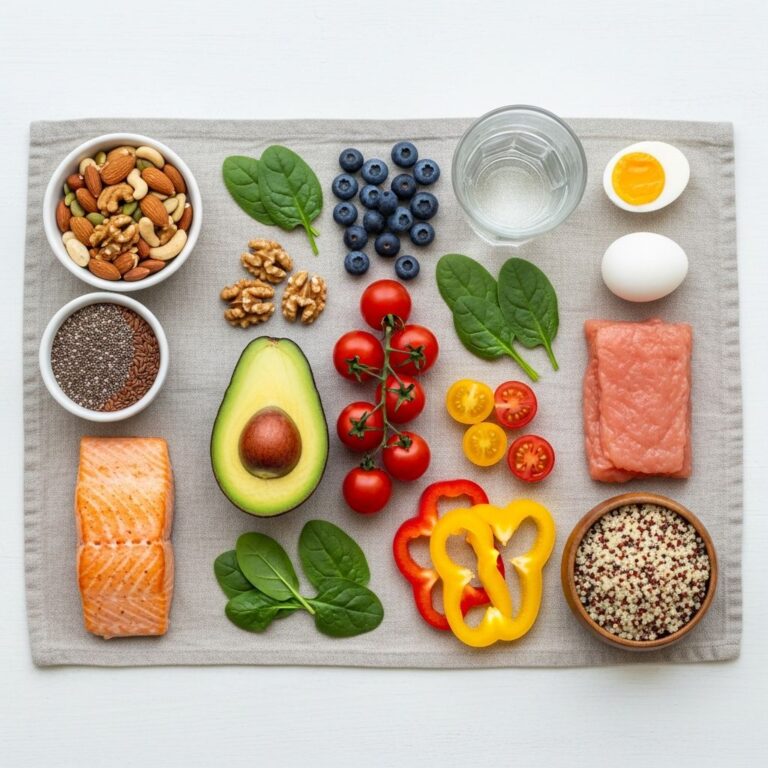
- Calcium-Rich: Dairy (milk, yogurt, cheese: 300 mg/cup milk), leafy greens (kale: 180 mg/cup), fortified plant milks, almonds, sardines.
- Potassium-Rich: Bananas (422 mg/medium), potatoes (926 mg/medium), spinach (558 mg/cup cooked), avocados (708 mg/medium), beans (1200 mg/cup).
- Dual Sources: Yogurt with fruit, salmon with greens, smoothies blending dairy/alternatives and bananas.
Aim for 1000-1200 mg calcium and 4700 mg potassium daily from foods for optimal synergy.
Recommended Daily Intake
Guidelines vary by age/gender:
| Group | Calcium (mg/day) | Potassium (mg/day) |
|---|---|---|
| Adults 19-50 | 1000 | 4700 |
| Women 51+ | 1200 | 4700 |
| Men 51+ | 1000-1200 | 4700 |
Pregnant/lactating women need similar levels; deficiencies are common, especially potassium.
Who Might Need More Calcium and Potassium?
- People with hypertension or at risk, as low intakes exacerbate blood pressure.
- Older adults for bone health and stroke prevention.
- Athletes or those on high-sodium diets needing balance.
- Individuals with endothelial issues, like erectile dysfunction.
Consult healthcare providers for personalized needs, especially with kidney issues limiting potassium.
Potential Risks and Interactions
Excess calcium (>2000 mg/day) may harm cardiovascular health or cause kidney stones; supplements risk more than food. Hyperkalemia from supplements endangers those with renal impairment. Calcium may interact with potassium’s effects, sometimes reducing benefits. Phosphorus balance matters too, as high levels could promote calcification. Always prioritize food sources.
Calcium-Potassium Ratio and Overall Diet
The Ca:P ratio and overall diet quality matter; balanced intake prevents endothelial damage. DASH diet exemplifies: high in fruits, veggies, dairy for both minerals, low sodium. Studies show such patterns reduce mortality.
Frequently Asked Questions (FAQs)
Can calcium and potassium lower blood pressure?
Yes, higher intakes inversely associate with blood pressure; food sources are most effective.
What foods provide both calcium and potassium?
Dairy with fruits/veggies, like yogurt-banana parfaits or leafy greens with potatoes.
Is it better to get them from food or supplements?
Food sources, especially dairy calcium and produce potassium, yield better outcomes than supplements.
Who should monitor their intake?
Those with hypertension, older adults, or high-sodium diets.
Can too much calcium affect potassium?
Excess calcium may interact, but balanced food intake minimizes risks.
References
- Dietary calcium, phosphorus, and potassium intake associated with erectile dysfunction — PLOS ONE. 2024. https://journals.plos.org/plosone/article?id=10.1371/journal.pone.0297129
- Are low intakes of calcium and potassium important causes of hypertension? — American Journal of Hypertension. 2001-10-01. https://academic.oup.com/ajh/article-abstract/14/S3/206S/205492
- Effect on Blood Pressure of Potassium, Calcium, and Magnesium in Women With Low Habitual Intake — Hypertension (AHA Journals). 1998-01-01. https://www.ahajournals.org/doi/10.1161/01.HYP.31.1.131
- Potassium, Magnesium, and Calcium: Their Role in Both the Cause and Treatment of Hypertension — Journal of Clinical Hypertension. 2001. https://pmc.ncbi.nlm.nih.gov/articles/PMC8109864/
- Bone Health and Calcium, Vitamin D, Potassium: Shortfall Nutrients — Journal of Obesity & Metabolic Syndrome. 2013. https://www.jomes.org/journal/view.html?volume=22&number=3&spage=129
Similar Articles








Read full bio of Sneha Tete